
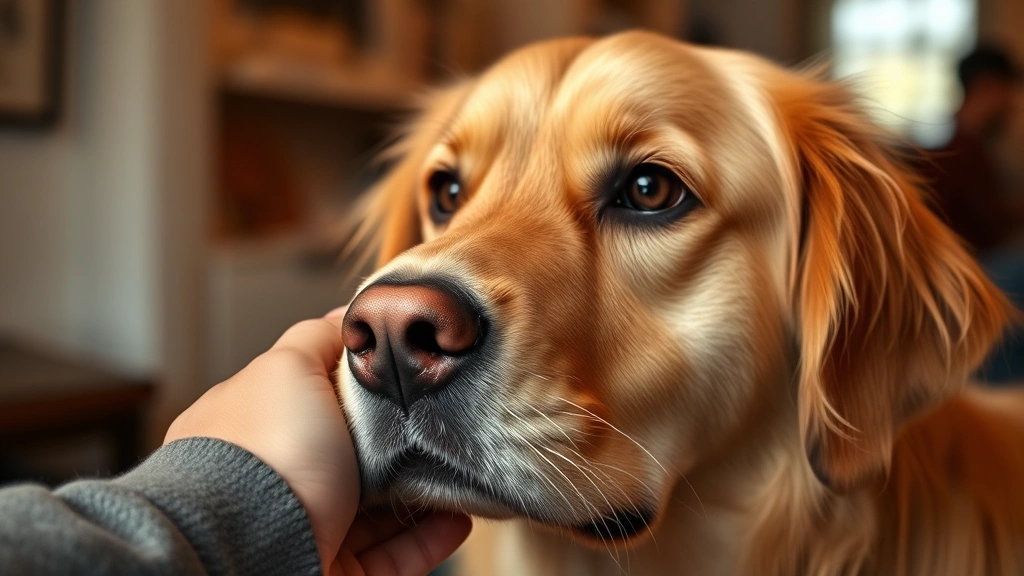
Do dogs know you love them? If you’ve ever wondered whether your furry best friend understands the depth of your affection, you’re not alone. The truth is, science says yes—dogs absolutely know when you love them, and they show it back in ways that’ll make your heart melt.
Table of Contents
- The Science Behind Canine Love
- Sign #1: The Tail Wag That Says Everything
- Sign #2: The Puppy Dog Eyes Phenomenon
- Sign #3: Following You Everywhere (Even to the Bathroom)
- Sign #4: Bringing You Their Favorite Toys
- Sign #5: Sleeping Near or On You
- How Dogs Process and Return Your Love
- Strengthening Your Bond Through Nutrition and Care
- The Role of Consistency and Routine
- Understanding Breed-Specific Love Languages
- What Science Says About Dog-Human Bonds
- Frequently Asked Questions
- The Bottom Line: Your Dog Absolutely Knows You Love Them
The Science Behind Canine Love
Dogs aren’t just cute fluffballs that happen to live with us; they’re emotionally intelligent creatures capable of understanding and reciprocating human affection. When you pet your dog or spend quality time together, both your brains release oxytocin—the same “bonding hormone” that connects parents to their children. This isn’t just feel-good stuff; it’s legitimate neurochemistry proving that your dog’s love for you is real.
Research from Emory University found that dogs’ brains light up in response to their owners’ scents in the same way ours light up for people we love. Your pup isn’t just recognizing you as “the food dispenser”—they’re experiencing genuine emotional attachment.
Sign #1: The Tail Wag That Says Everything
Let’s start with the most obvious sign your dog knows you love them: the tail wag. But here’s the thing—not all tail wags are created equal. A study published in PLOS ONE discovered that dogs wag their tails more vigorously to the right when they see their owners compared to strangers. This right-sided bias indicates positive emotions and attachment.
When your dog’s entire back end wiggles along with that tail, they’re basically saying, “You’re my favorite person in the entire world, and I’m so happy you’re home.” That’s not just excitement; that’s love in its purest form.
Sign #2: The Puppy Dog Eyes Phenomenon
You know that irresistible look where your dog stares at you with those big, soft eyes? Scientists call it the “puppy dog eye” expression, and it’s actually a deliberate communication tool. Dogs have evolved to make this expression specifically because it triggers our nurturing instincts—and it works because they know it makes us feel connected to them.
When your dog gives you those eyes, they’re not just being cute (though they absolutely are). They’re actively engaging in bonding behavior that says, “I trust you completely, and I want to be close to you.” This eye contact releases oxytocin in both of you, reinforcing that emotional bond.
Sign #3: Following You Everywhere (Even to the Bathroom)
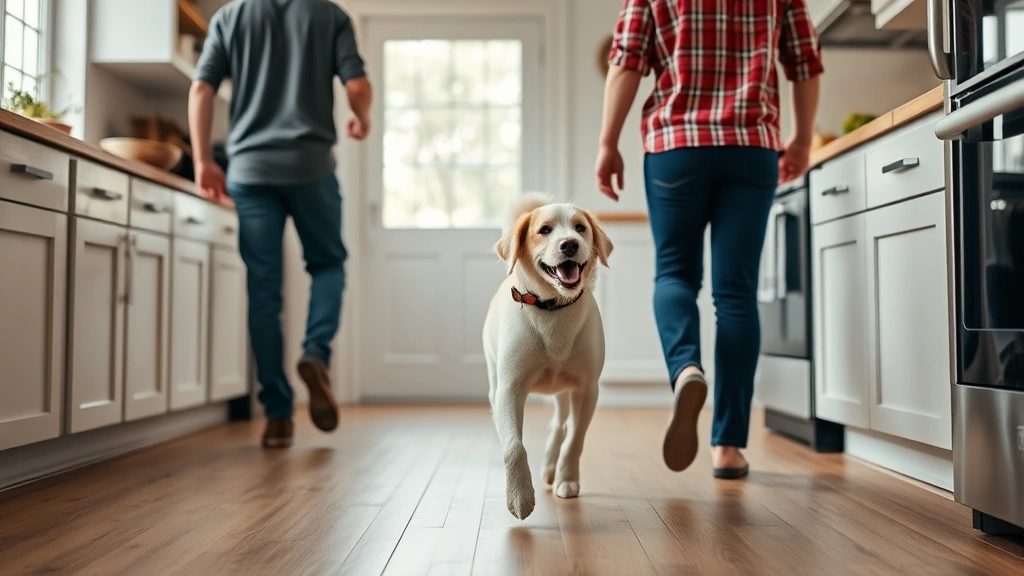
Does your dog follow you from room to room like they’re your personal shadow? That’s not creepy—that’s love. Dogs are pack animals, and in a pack, members stay close to those they trust and care about. Your dog following you around the house, including to the bathroom (yes, really), is their way of saying, “I want to be wherever you are because you’re important to me.”
This behavior, called “velcro dog” syndrome by some trainers, is actually a sign of secure attachment. Your pup knows you love them, and they want to reciprocate by staying near you.
Sign #4: Bringing You Their Favorite Toys
When your dog drops their favorite toy at your feet or brings it to you repeatedly, they’re showing you love in a tangible way. In the dog world, sharing resources—especially something they value—is a major sign of trust and affection. They’re literally saying, “This thing I love? I want to share it with you because you matter to me.”
This behavior is especially meaningful because dogs are naturally possessive of their toys. When your pup willingly shares theirs, they’re demonstrating that their bond with you supersedes their attachment to objects. You can celebrate this by making some homemade pet treats they’ll love just as much.
Sign #5: Sleeping Near or On You
If your dog insists on sleeping on your lap, your bed, or right next to you, they’re showing you ultimate trust and affection. Dogs are vulnerable when they sleep, so choosing to rest near you means they feel completely safe in your presence. This is one of the most genuine signs that your dog knows you love them and feels secure returning that love.
Pack animals sleep in close proximity to strengthen bonds, and your dog is doing exactly that with you. Every time they curl up next to you for a nap, they’re reinforcing your connection.
How Dogs Process and Return Your Love
Dogs experience emotions differently than humans, but that doesn’t make their love less real. When you show affection to your dog—through petting, playing, or even just talking to them—they’re processing your emotions and responding to your energy. Dogs are incredibly perceptive animals that pick up on our tone of voice, body language, and emotional state.
Your dog knows when you’ve had a bad day. They sense when you’re stressed, anxious, or sad. And they respond by offering comfort in their own way—whether that’s sitting quietly beside you, resting their head on your lap, or showering you with kisses. This emotional attunement is a form of love that goes beyond instinct.
Strengthening Your Bond Through Nutrition and Care
One way to show your dog you love them is through proper nutrition. Feeding them quality food, including anti-inflammatory foods for pets when appropriate, demonstrates that you’re invested in their health and wellbeing. Dogs understand that food equals care, and choosing nutritious options shows them you’re committed to their longevity.
If you’re looking to get creative with your dog’s diet, budget-friendly homemade pet treats are a great way to combine love with nutrition. Your dog will taste the care you’ve put into every bite.
The Role of Consistency and Routine
Dogs thrive on consistency, and establishing routines with your pup is another way they know you love them. Regular walks, feeding times, play sessions, and cuddle time all signal to your dog that they’re a priority in your life. This predictability creates security, and security is the foundation of a dog’s ability to trust and love their human.
When you maintain these routines even when life gets busy, you’re sending a powerful message: “You matter to me, always.”
Understanding Breed-Specific Love Languages
Different dog breeds express affection in different ways. Some breeds are naturally more cuddly, while others show love through loyalty and protection. A German Shepherd might demonstrate their love through vigilance and obedience, while a Cavalier King Charles Spaniel might be a constant lap dog. Understanding your specific dog’s breed tendencies helps you recognize their unique way of saying “I love you.”
Regardless of breed, all dogs are capable of understanding and returning human affection. The AKC confirms that emotional bonding between dogs and humans is well-documented and scientifically validated.

What Science Says About Dog-Human Bonds
According to PetMD, the bond between dogs and humans is one of the strongest interspecies relationships known. Dogs have literally evolved alongside humans for thousands of years, developing the ability to read our facial expressions, understand our emotions, and respond with empathy. This isn’t accidental—it’s evolutionary.
Research from animal behavior experts at universities worldwide confirms that dogs experience a form of love that’s remarkably similar to human love. They have preferences for their owners, they miss us when we’re gone, and they celebrate when we return. That’s not just conditioning; that’s genuine affection.
Frequently Asked Questions
Can dogs actually understand human emotions?
Yes, absolutely. Dogs are incredibly perceptive and can read human facial expressions, tone of voice, and body language. They can sense when you’re happy, sad, anxious, or stressed, and they often respond with comforting behavior. This emotional intelligence is one of the reasons dogs are so effective as therapy and service animals.
At what age do puppies start showing love to their owners?
Puppies begin bonding with their caregivers from birth, but they typically show recognizable signs of affection around 3-4 weeks old. By 8 weeks, most puppies will demonstrate clear attachment behaviors like following their owners and seeking comfort from them. The bond continues to deepen throughout their first year.
Do all dogs show affection the same way?
No, dogs have individual personalities and breed-specific tendencies. Some dogs are naturally more demonstrative with affection, while others show love more subtly through loyalty and obedience. The key is learning to recognize your specific dog’s unique love language and appreciating their individual way of expressing attachment.
How can I make sure my dog knows I love them?
Consistency is key. Spend quality time with your dog daily, maintain regular routines, provide proper nutrition (consider adding safe foods like peanut butter to their diet when appropriate), offer physical affection like petting and cuddling, and show interest in their needs and preferences. Dogs understand love through actions more than anything else.
Is it possible for a dog to stop loving their owner?
Dogs are remarkably forgiving and loyal creatures. While abuse or severe neglect can damage a dog’s trust, most dogs maintain their capacity to love even after difficult experiences. Dogs rescued from terrible situations often bond quickly with new, caring owners, showing that their capacity for love isn’t easily extinguished.
The Bottom Line: Your Dog Absolutely Knows You Love Them
Do dogs know you love them? The answer is a resounding yes. Through scientific research, behavioral observation, and thousands of years of coevolution, dogs have developed the ability to understand, reciprocate, and deeply feel human love. Every tail wag, every puppy dog eye, every time they follow you room to room—these are your dog’s ways of saying, “I love you too.”
Your dog isn’t just a pet; they’re a family member capable of genuine emotional connection. The bond you share is real, measurable, and one of the most rewarding relationships you’ll ever experience. So go ahead and spoil them a little. They know you love them, and they’re returning that love in every way they know how.





