
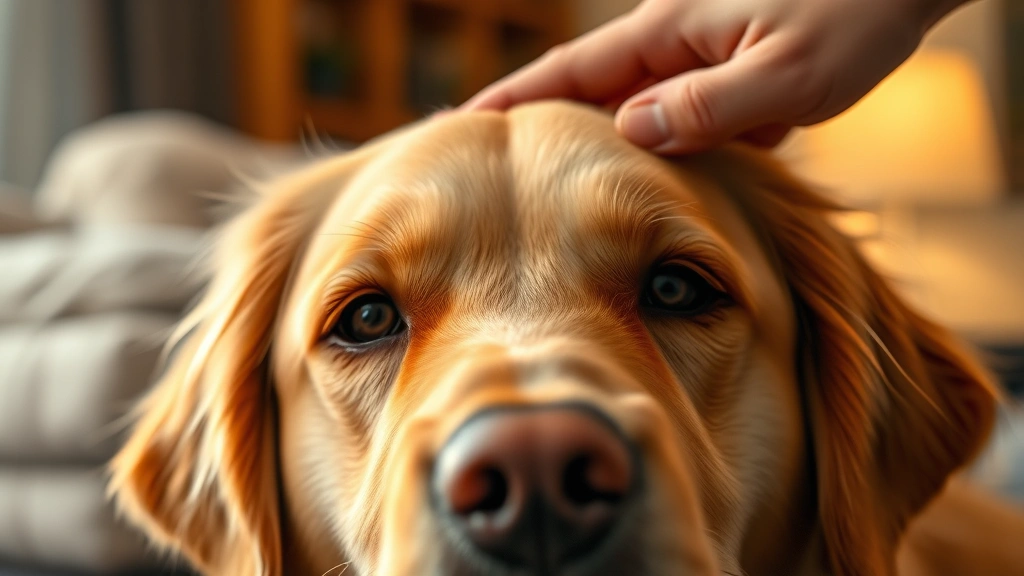
So you’re wondering: do dogs like being kissed? The answer isn’t as straightforward as you might think. While your furry best friend might seem to love your affection, the reality is that many dogs actually find face-to-face kissing stressful, confusing, or downright annoying. Let’s dig into what’s really going on in your pup’s head when you lean in for that smooch.
Table of Contents
- The Truth About Dog Body Language and Kisses
- Signs Your Dog Doesn’t Actually Want Your Kisses
- Why Some Dogs Seem to Love Kisses
- The Difference Between Dog Kisses and Human Kisses
- Safe Alternatives to Kissing Your Dog
- Breed-Specific Considerations for Canine Affection
- The Health Angle: Should You Be Kissing Your Dog?
- Teaching Your Dog Boundaries Around Their Face
- What Science Says About Dog Affection
- The Bottom Line: Reading Your Individual Dog
- Frequently Asked Questions
The Truth About Dog Body Language and Kisses
Here’s the thing—dogs don’t naturally kiss each other. When dogs greet each other, they sniff butts and faces, but they don’t plant their lips on one another. So when you’re kissing your dog on the mouth or face, you’re engaging in a behavior that’s completely foreign to canine communication. Your dog might tolerate it because they love you and want to please you, but that doesn’t mean they’re enjoying it.
According to research from the American Kennel Club (AKC), dogs communicate primarily through body language, scent, and vocalizations. When you invade their personal space with your face, especially around their mouth and nose, you’re actually violating their comfort zone.
Signs Your Dog Doesn’t Actually Want Your Kisses
If you want to know whether your specific pup enjoys being kissed, watch for these telltale signs of stress or discomfort:
- Turning their head away: This is the most obvious sign. Your dog is literally telling you “no thanks.”
- Licking their lips excessively: A nervous habit that signals anxiety.
- Yawning when you’re not tired: Often a stress response in dogs.
- Ears pinned back: Indicates fear or submission.
- Whale eye: When you can see the whites of their eyes—a classic stress indicator.
- Stiff body posture: Tension means discomfort.
- Backing away: Your dog is creating distance for a reason.
These behaviors suggest your dog is tolerating kisses out of loyalty, not because they’re having the time of their life.
Why Some Dogs Seem to Love Kisses
Now, before you feel guilty about every kiss you’ve ever given your pup, know this: some dogs genuinely do seem to enjoy affection from their humans. The difference comes down to individual personality, early socialization, and trust. A dog that was handled frequently as a puppy and has positive associations with human touch may be more receptive to kissing.
Additionally, if your dog comes running toward your face, jumps up to lick you, or actively seeks out close contact, they might actually be cool with kisses. The key is reading their individual body language rather than assuming all dogs feel the same way.
The Difference Between Dog Kisses and Human Kisses
Let’s clarify something important: when your dog licks your face, that’s not the same as you kissing them. Dog licks are a form of communication and affection in their world. They’re exploring, showing submission, or seeking attention. When you kiss your dog, you’re doing something that has no equivalent in dog communication, which is why many canines find it confusing or invasive.
Think of it this way—if an alien came down and started touching your face in a way humans never do, you’d probably be uncomfortable too, right?
Safe Alternatives to Kissing Your Dog
If you want to show your dog love without potentially stressing them out, here are better options:
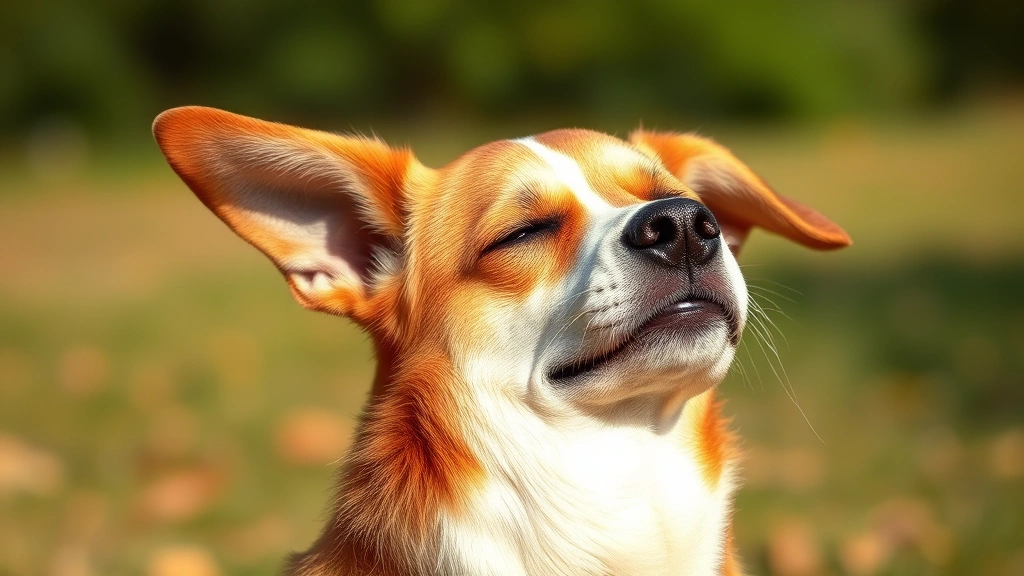
- Gentle head scratches: Most dogs love this.
- Ear rubs: The ears have tons of nerve endings and feel amazing to dogs.
- Chest and side petting: Generally appreciated by most pups.
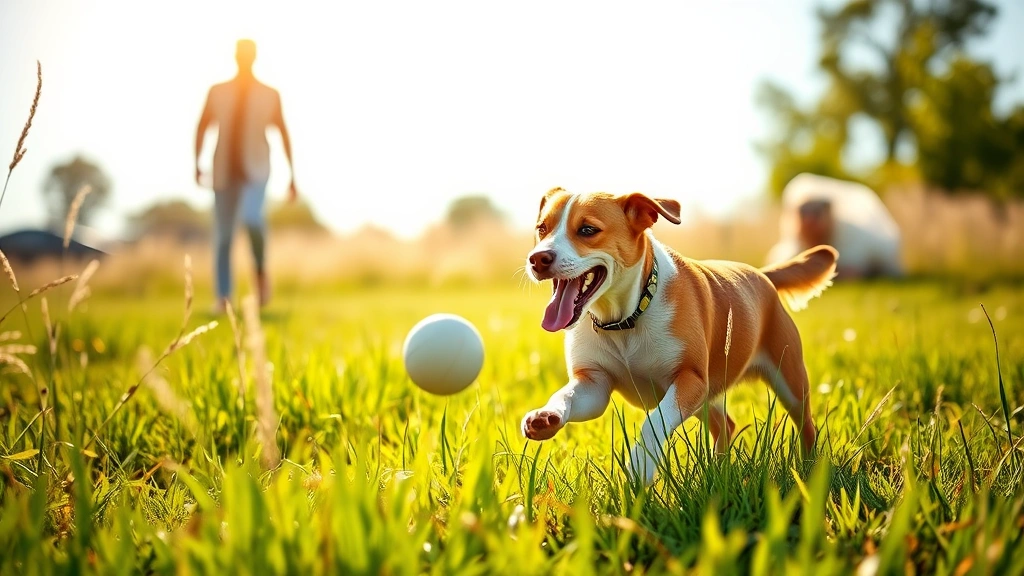
- Playing their favorite game: Nothing says “I love you” like a good game of fetch.
- Training sessions with treats: Mental stimulation paired with rewards is bonding gold. Check out our guide on dog-safe treats like peanut butter for training ideas.
- Cuddle time on the couch: Proximity without the face invasion.
These alternatives communicate affection in ways your dog actually understands and appreciates.
Breed-Specific Considerations for Canine Affection
Different breeds have different temperaments when it comes to physical affection. Some breeds like Catahoulas and other working dogs are more independent and may be less tolerant of close-range human contact. If you own a breed known for being aloof or independent, they’re even less likely to enjoy kisses. Check out our article on Catahoula Leopard Dog personality traits to understand breed-specific behavior.
Companion breeds like Cavalier King Charles Spaniels or Bichon Frises tend to be more tolerant of close human contact, but that still doesn’t mean they universally love being kissed.
The Health Angle: Should You Be Kissing Your Dog?
Beyond the comfort issue, there’s also a hygiene consideration. Your dog’s mouth contains bacteria that can be transferred through kissing. While most healthy humans can handle this without issue, it’s something to be aware of. If you have a compromised immune system, it’s probably best to skip the dog kisses altogether.
Similarly, if your dog has recently been outside rolling in who-knows-what, maybe hold off on the face kisses for a bit. Your dog’s mouth isn’t exactly sterile, and neither is yours, so this is a two-way street.
Teaching Your Dog Boundaries Around Their Face
Whether or not your dog currently enjoys kisses, it’s important to teach them that their face is a boundary zone. This protects them from strangers who might not read their stress signals properly. Train your dog to accept gentle handling around their face, but also teach them it’s okay to move away if they’re uncomfortable.
This is especially important if you have children. Kids don’t always read dog body language well, and a dog that’s been taught it’s okay to move away is less likely to resort to biting when they’re stressed.
What Science Says About Dog Affection
Research from PetMD and various veterinary behaviorists indicates that dogs show affection through proximity, leaning against you, tail wagging, and play—not necessarily through accepting kisses. A dog’s love language is often quite different from what humans assume.
Studies have shown that dogs experience stress hormones when their personal space is invaded, particularly around the face. This doesn’t mean your dog doesn’t love you; it just means they express it differently than you do.
The Bottom Line: Reading Your Individual Dog
So, do dogs like being kissed? The honest answer is: most dogs tolerate it, some enjoy it, and many actively dislike it. The best approach is to watch your specific dog’s body language and respect their boundaries. If your pup consistently moves away from your face, avoid kissing them. If they actively seek out close contact and show no stress signals, they might be okay with it—but always remain alert to changes in their behavior.
Your dog loves you regardless of whether you’re planting kisses on their snout. Show that love in ways they actually appreciate, and you’ll have an even stronger bond with your furry companion. For more tips on keeping your dog happy and healthy, check out our guide to healthy snack alternatives and visit Your Local Scoop Blog for more dog care advice.
Frequently Asked Questions
Is it bad to kiss your dog on the mouth?
Not necessarily “bad,” but it’s not ideal for most dogs. Many find it stressful or uncomfortable. If your dog shows stress signals, it’s better to avoid it. From a hygiene standpoint, be aware that dog mouths contain bacteria, though this rarely causes issues for healthy people.
Why does my dog lick my face if they don’t like kisses?
Dog licks are different from human kisses. When your dog licks your face, they’re communicating affection, seeking attention, or exploring. This doesn’t mean they want you to kiss them back—they’re just doing their thing.
Can kissing your dog spread disease?
It’s possible but rare in healthy individuals. Dogs’ mouths contain bacteria that are usually harmless to humans. However, people with weakened immune systems should be cautious about close contact with a dog’s mouth.
What’s the best way to show affection to a dog that doesn’t like kisses?
Try petting their chest, scratching their ears, playing games, training sessions with treats, or simply spending quality time together. These alternatives are usually more appreciated by dogs than kisses.
Do all dogs hate being kissed?
No, some dogs genuinely seem to enjoy it, especially those with early positive socialization and certain temperaments. The key is reading your individual dog’s body language and respecting their preferences.
How can I tell if my dog is stressed by kisses?
Look for head turning, ear pinning, whale eye, lip licking, yawning, stiff posture, or backing away. Any of these signals suggest your dog is uncomfortable and would prefer you skip the kisses.





