
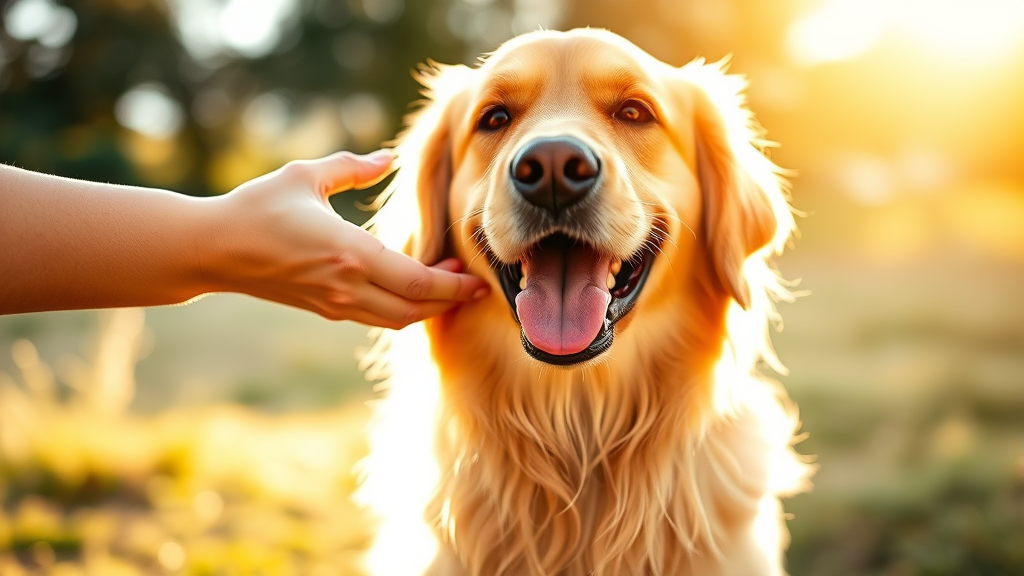
Have you ever wondered why your furry companion seems to melt into pure bliss the moment you start scratching behind their ears? The simple act of petting a dog creates an almost magical connection between human and canine, transforming even the most energetic pup into a relaxed, contented companion. This profound response isn’t just coincidence – it’s rooted in deep biological and psychological mechanisms that have evolved over thousands of years of domestication.
Understanding why do dogs like to be pet opens a fascinating window into canine behavior and the unique bond between dogs and humans. From the release of feel-good hormones to the activation of pressure receptors in their skin, dogs experience petting as both a physical pleasure and an emotional comfort. This comprehensive guide will explore the science behind your dog’s love for being petted, helping you understand how to maximize these precious bonding moments.
The Science Behind Why Dogs Love Being Pet
The neurological foundation of why dogs enjoy being petted lies in their sophisticated nervous system and the release of powerful hormones. When you pet your dog, their brain releases oxytocin, often called the “love hormone,” which creates feelings of bonding, trust, and contentment. This same hormone is released in humans during positive social interactions, creating a mutual cycle of affection between you and your pet.
Research conducted by the National Center for Biotechnology Information has shown that petting activates the parasympathetic nervous system in dogs, which is responsible for the “rest and digest” response. This activation leads to decreased heart rate, lowered blood pressure, and reduced cortisol levels – the stress hormone. The physical act of gentle pressure and rhythmic movement during petting stimulates nerve endings in the skin, sending pleasurable signals to the brain.
Additionally, petting triggers the release of endorphins, the body’s natural painkillers and mood elevators. These neurochemical changes explain why many dogs will actively seek out petting sessions and appear to enter a trance-like state of relaxation when receiving gentle touches. The combination of oxytocin, endorphins, and parasympathetic activation creates a powerful cocktail of well-being that dogs naturally crave.

Biological Responses to Human Touch
Dogs possess an intricate network of sensory receptors in their skin that make them particularly responsive to touch. Their skin contains mechanoreceptors that detect pressure, vibration, and texture, while thermoreceptors respond to temperature changes from your warm hands. This sophisticated sensory system allows dogs to distinguish between different types of touch and respond accordingly.
The vagus nerve, which runs from the brain through the neck and into the abdomen, plays a crucial role in the calming effects of petting. When stimulated through gentle touching, this nerve activates the parasympathetic nervous system, promoting relaxation and reducing anxiety. This is why many anxious or stressed dogs can be calmed through appropriate petting techniques.
Interestingly, the biological response to petting varies depending on the location and technique used. Slow, gentle strokes along the direction of fur growth typically produce the most positive responses, while rapid or against-the-grain petting may cause discomfort. Why do dogs like belly rubs specifically relates to the high concentration of nerve endings in the abdominal area, making this region particularly sensitive to pleasurable touch.
The Evolutionary Perspective on Canine Affection
The deep appreciation dogs have for human touch didn’t develop overnight – it’s the result of thousands of years of co-evolution between humans and canines. Early domestication processes favored dogs that were more receptive to human contact and interaction. Those individuals who enjoyed and sought out human touch were more likely to form strong bonds with their human companions, leading to better care, protection, and ultimately, reproductive success.
According to Smithsonian Magazine, this selective pressure gradually shaped modern dogs to be uniquely attuned to human touch and affection. Unlike their wild counterparts, domestic dogs have retained many juvenile characteristics throughout their adult lives, including the desire for physical comfort and contact that puppies naturally seek from their mothers.
The mutual benefit of this evolutionary relationship cannot be overstated. While dogs gained protection, food, and shelter from humans, we gained loyal companions whose affectionate nature provided emotional support and stress relief. This symbiotic relationship has only strengthened over millennia, creating the profound bond we see between humans and dogs today.
Best Spots to Pet Your Dog
Understanding your dog’s preferred petting spots can significantly enhance their enjoyment and strengthen your bond. Most dogs have specific areas where they particularly enjoy being touched, while others may be more sensitive or off-limits. The key is learning to read your individual dog’s preferences and respecting their boundaries.
The most universally appreciated petting spots include behind the ears, under the chin, and along the chest. These areas have numerous nerve endings that respond positively to gentle pressure and are typically non-threatening zones for dogs. Many dogs also enjoy being petted along their sides and back, using long, slow strokes that follow the direction of their fur growth.
Some dogs absolutely love are dogs ticklish responses when you gently scratch or pet certain areas, particularly the base of their tail or their sides. However, it’s important to distinguish between genuine enjoyment and overstimulation. Areas to approach with caution include the top of the head (which can feel dominating to some dogs), paws, tail, and hindquarters, as these areas may be more sensitive or trigger defensive responses in certain individuals.

Reading Your Dog’s Body Language During Petting
Successful petting sessions require careful attention to your dog’s body language and behavioral cues. Dogs communicate their comfort level and preferences through subtle and not-so-subtle signals that every pet owner should learn to recognize. Positive responses to petting include relaxed body posture, soft eyes, gentle panting, or even falling asleep during the session.
When dogs truly enjoy being petted, they often lean into your touch, present the area they want petted, or gently nudge you when you stop. Some dogs show their appreciation through why does my dog lick me behaviors, offering gentle licks as a form of reciprocal affection. Others may simply relax completely, with their muscles loosening and their breathing becoming deeper and more regular.
However, it’s equally important to recognize signs that your dog may not be enjoying the interaction. Stiffening of the body, pulling away, whale eye (showing the whites of their eyes), lip licking when not around food, yawning when not tired, or trying to move away are all signals that you should stop petting and give your dog space. Respecting these boundaries builds trust and ensures that petting remains a positive experience for both of you.
Individual Differences in Petting Preferences
Just like humans, every dog is an individual with unique preferences for physical affection. Factors such as breed, age, past experiences, and personality all influence how much and what type of petting a dog enjoys. Some breeds, particularly those bred for close human companionship like Golden Retrievers or Cavalier King Charles Spaniels, tend to be more receptive to extensive petting sessions.
Age plays a significant role in petting preferences as well. Puppies may be more tolerant of handling as they’re still learning about the world, while senior dogs might have specific areas that are tender or painful due to arthritis or other age-related conditions. The American Kennel Club recommends being extra gentle with older dogs and watching for signs of discomfort during petting sessions.
Past experiences significantly shape a dog’s relationship with human touch. Dogs from abusive backgrounds or those with limited early socialization may initially be fearful or defensive about being petted. These dogs often benefit from patient, gradual introduction to gentle touch, starting with less sensitive areas and building trust over time. Understanding does my dog know i love him helps us appreciate how consistent, gentle petting can communicate affection and build confidence in anxious dogs.
Health Benefits of Petting for Dogs and Humans
The health benefits of petting extend far beyond simple pleasure for both dogs and their human companions. For dogs, regular gentle petting sessions can help reduce anxiety, lower blood pressure, and promote better sleep patterns. The stress-reducing effects of human touch can be particularly beneficial for dogs with separation anxiety, noise phobias, or other behavioral challenges.
Research published by the American Veterinary Medical Association demonstrates that the human-animal bond, strengthened through activities like petting, contributes to improved mental and physical health in both species. For humans, petting a dog can lower cortisol levels, reduce blood pressure, and trigger the release of oxytocin and serotonin – hormones associated with happiness and well-being.
The therapeutic benefits are so well-documented that petting therapy has become a recognized form of treatment in hospitals, nursing homes, and mental health facilities. Dogs trained for therapy work specifically excel at accepting and enjoying prolonged petting sessions from strangers, providing comfort and stress relief to people in need.
Some dogs show their enjoyment through specific behaviors like why does my dog lick me when i pet her, creating a feedback loop of positive interaction. This mutual exchange of affection reinforces the bond between human and dog while providing health benefits to both parties.
Regular petting sessions also serve as opportunities for health monitoring. During these intimate moments, you can check for lumps, bumps, cuts, or other changes in your dog’s body that might require veterinary attention. This hands-on approach to preventive care can help catch health issues early when they’re most treatable.
Furthermore, the routine of daily petting can help establish trust and communication between you and your dog. Dogs who are accustomed to gentle, respectful handling are generally easier to groom, examine, and provide medical care for when needed. This comfort with human touch can be invaluable during veterinary visits or emergency situations.
The question of whether do dogs like kisses often arises in discussions about canine affection preferences. While not all dogs enjoy face-to-face contact, many learn to associate human kisses with affection and positive attention, especially when combined with gentle petting sessions.
Frequently Asked Questions
Do all dogs enjoy being petted?
While most dogs do enjoy being petted, individual preferences vary greatly. Factors such as breed, early socialization, past experiences, and personality all influence a dog’s comfort level with human touch. Some dogs are naturally more affectionate and seek out petting, while others may prefer less physical contact. It’s important to respect each dog’s individual boundaries and preferences.
What are the signs that my dog wants to be petted?
Dogs typically show they want attention through various body language cues including approaching you, leaning against you, nudging your hand with their nose, bringing their head close to your hand, or presenting specific body parts like their chest or behind their ears. Some dogs may paw at you gently or make soft vocalizations to request petting.
Are there times when I shouldn’t pet my dog?
Yes, there are several situations when petting should be avoided. Don’t pet your dog when they’re eating, sleeping, showing signs of illness or pain, displaying aggressive or fearful behavior, or when they’re clearly trying to move away from you. Also avoid petting unfamiliar dogs without permission from the owner, and be cautious around dogs who are protecting resources or territory.
How long should petting sessions last?
The ideal length of petting sessions varies by individual dog and situation. Some dogs enjoy brief 30-second interactions, while others may relax into 10-15 minute sessions. Watch your dog’s body language – they’ll typically show you when they’ve had enough by moving away, becoming restless, or showing other signs that they’re ready to end the interaction.
Can petting help calm an anxious dog?
Gentle, slow petting can indeed help calm anxious dogs by activating their parasympathetic nervous system and releasing calming hormones like oxytocin. However, the technique and timing matter greatly. Some anxious dogs may initially find touch overwhelming, so it’s important to start slowly and let the dog set the pace. Always combine petting with other anxiety-reduction techniques as recommended by a veterinarian or certified dog behaviorist.
Why does my dog get excited when I stop petting them?
When dogs get excited or demand more attention after you stop petting, it usually indicates they were genuinely enjoying the interaction and want it to continue. This behavior shows that the petting was pleasurable and that your dog has learned to associate your touch with positive feelings. Some dogs may paw at you, nudge you, or vocalize to request continued attention.
Is there a difference between petting and scratching?
Yes, there are distinct differences between petting and scratching, and dogs often have preferences for both. Petting typically involves smooth, gentle strokes along the fur, while scratching involves more focused pressure with fingertips or nails in specific spots. Many dogs enjoy both, but scratching is often preferred in areas where they can’t easily reach themselves, such as behind the ears or the base of the tail.





