
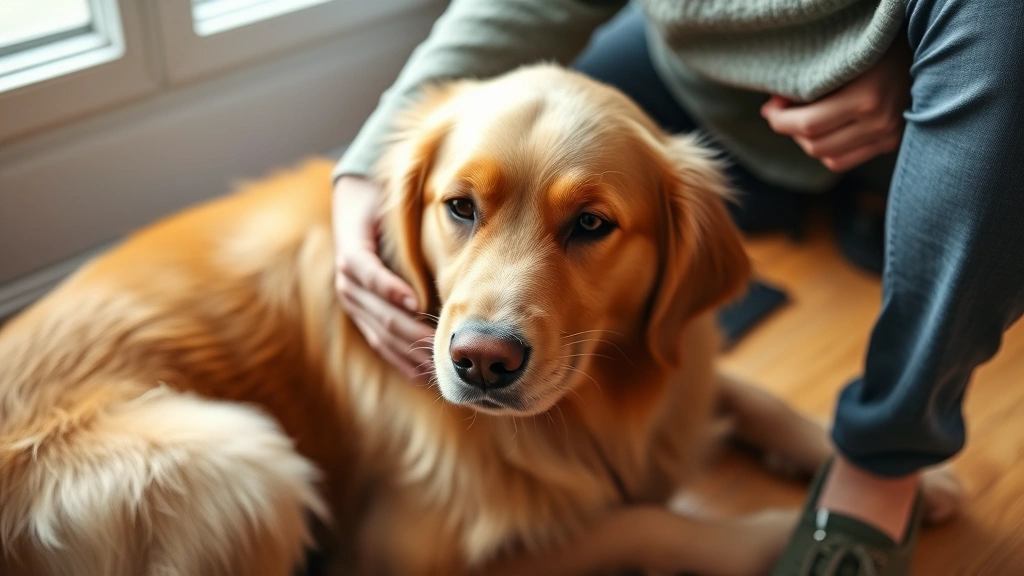
So you’re wondering if do dogs like being petted—and honestly, most dog owners assume the answer is a resounding yes. But here’s the twist: not all dogs are created equal when it comes to touch, and what makes your golden retriever melt into a puddle of joy might send your neighbor’s German Shepherd running for the hills. Understanding your pup’s petting preferences isn’t just about making them happy; it’s about building trust and preventing stress.
Table of Contents
- Why Do Dogs Enjoy Physical Touch?
- The 5 Proven Signs Your Dog Loves Being Petted
- Different Petting Preferences Across Dog Breeds
- Where Dogs Actually Like Being Petted
- Signs Your Dog Doesn’t Want to Be Petted (Respect the Boundaries)
- Age Matters: Puppies vs. Adult Dogs vs. Senior Dogs
- The Science Behind Why Petting Helps Your Dog’s Health
- How to Pet Your Dog the Right Way
- Petting and Anxiety: Can Touch Help Calm Your Dog?
- Building a Stronger Bond Through Petting
- Conclusion: Understanding Your Dog’s Petting Personality
- Frequently Asked Questions
Why Do Dogs Enjoy Physical Touch?
Dogs are pack animals with a deep-rooted need for social bonding. When you pet your dog, you’re tapping into their evolutionary wiring that says, “Hey, you’re part of my tribe.” Physical touch releases oxytocin in both you and your dog—that’s the same love hormone that bonds mothers to babies. It’s basically nature’s way of saying petting is pretty darn important for canine mental health. A study from the University of Lincoln found that dogs can actually read human emotions through touch, making petting a two-way communication superhighway.
The 5 Proven Signs Your Dog Loves Being Petted
Not sure if your furry friend is genuinely enjoying those ear scratches or just tolerating you? Here are the dead giveaways that your dog is absolutely living their best life when you pet them:
1. The Lean-In (A Classic Move)
When dogs push their body weight against your leg or lean into your hand while you’re petting them, that’s pure affection. This behavior mimics what puppies do with their mothers. Your dog is essentially saying, “More of this, please.” It’s the canine equivalent of a hug, and it’s one of the most reliable indicators that petting is their jam.
2. The Tail Wag Situation
A wagging tail is the universal sign of a happy dog, right? Well, not exactly. The speed, height, and direction of the wag actually matter. A loose, full-body wiggle with the tail at mid-height or higher? That’s genuine happiness. If the tail is tucked or barely moving, your dog might be uncomfortable. Pay attention to the whole-body response—if the tail wag comes with a relaxed posture and soft eyes, you’ve hit the petting jackpot.
3. Seeking You Out for More
Does your dog come back for seconds? If your pup actively seeks you out, nudges your hand with their nose, or paws at you to keep petting them, congratulations—you’re officially their favorite human. This seeking behavior is a clear sign that your dog doesn’t just tolerate petting; they crave it. Some dogs will literally follow you room to room just to position themselves for more affection.
4. The Groaning and Sighing Sounds
Soft groans, sighs, and gentle whines while being petted are signs of contentment. Dogs make these vocalizations when they’re genuinely relaxed and happy. It’s their way of saying, “This feels amazing.” Some dogs even make little “mrph” sounds that sound like they’re talking back to you. If your dog is making happy noises during petting sessions, you’re doing something right. This is especially true if they’re lying down and their whole body seems to melt into the couch.
5. Soft Eyes and Relaxed Facial Features
A dog’s eyes tell the whole story. When your pup enjoys being petted, their eyes will be soft, maybe even slightly closed. Their ears will be in a natural, relaxed position (not pinned back), and their mouth might be slightly open in what looks like a smile. Some dogs even give you slow blinks, which is basically the canine equivalent of an “I love you.” If your dog’s whole face looks like they’re in a zen state, you’ve mastered the art of petting.
Different Petting Preferences Across Dog Breeds
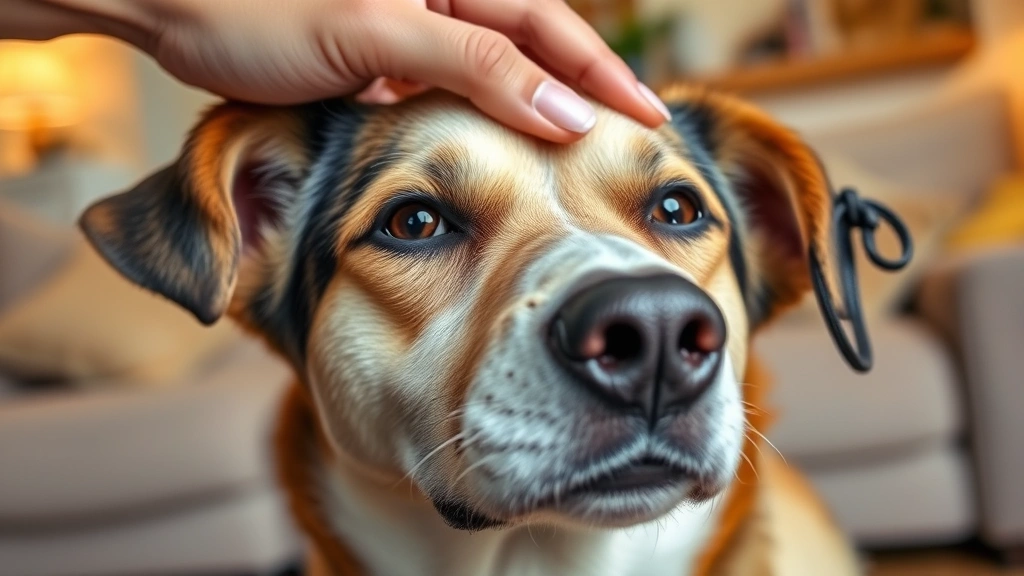
Here’s where breed temperament comes into play. Retrievers, Spaniels, and Labs are typically touch-hungry dogs that live for petting sessions. Herding breeds like Border Collies might prefer shorter, more purposeful interactions. Independent breeds like Huskies or Shiba Inus might be more selective about when and where they want to be touched. Understanding your breed’s natural inclinations helps you respect their boundaries while still showing affection. A breed guide from the American Kennel Club can give you insights into your specific dog’s typical temperament.
Where Dogs Actually Like Being Petted
Not all spots are created equal in the canine world. Most dogs love being petted on their chest, shoulders, and the sides of their face. The ears are another sweet spot for many pups. However—and this is important—many dogs don’t enjoy being touched on their paws, tail, or belly, even if they roll over and expose their tummies. The belly rub is a trap! It’s often a playful invitation, not an actual request for belly contact. Always watch your dog’s body language when you change petting locations. If they shift away or their ears go back, you’ve found a no-touch zone.
Signs Your Dog Doesn’t Want to Be Petted (Respect the Boundaries)
Not every dog is a petting enthusiast, and that’s totally okay. Some dogs show clear signs that they’d rather you keep your hands to yourself. Watch for stiff body posture, tail tucking, ears pinned back, yawning when you pet them, or the classic “whale eye” where you see the whites of their eyes. Some dogs will literally walk away or avoid you—that’s a pretty clear “no thanks.” Respect these signals. Forcing petting on a dog that doesn’t want it can damage your relationship and even lead to defensive behavior. PetMD has excellent resources on reading dog body language if you want to learn more.
Age Matters: Puppies vs. Adult Dogs vs. Senior Dogs
Puppies are typically petting machines—they’re curious, playful, and love physical contact. Adult dogs have usually figured out their preferences by this point. Senior dogs might enjoy petting more than ever as they appreciate the calm, soothing nature of touch. However, older dogs might have joint pain or arthritis, so gentle petting is crucial. Always be mindful of sensitive areas on senior pups. Regular petting sessions can actually improve circulation and provide comfort for aging dogs, making it a win-win for both of you.
The Science Behind Why Petting Helps Your Dog’s Health
Beyond the emotional benefits, petting actually has measurable health benefits for dogs. It lowers cortisol (stress hormone) levels, reduces blood pressure, and can even boost immune function. Petting also helps you spot health issues early—you’ll notice lumps, bumps, or skin problems while running your hands over their coat. Think of petting as a wellness check disguised as affection. Research from veterinary science institutions consistently shows that regular, positive touch improves canine mental and physical health. This is why maintaining skin and coat health foods goes hand-in-hand with regular petting—you’re giving your dog the best of both worlds.
How to Pet Your Dog the Right Way
Technique matters more than you might think. Use slow, gentle strokes in the direction of hair growth. Avoid repetitive poking or aggressive patting. Most dogs prefer long, smooth strokes over rapid tapping. Pay attention to pressure too—some dogs like firmer pressure, while others prefer a lighter touch. The key is to watch your dog’s response and adjust accordingly. If they seem to enjoy it, you’re golden. If they move away or show signs of stress, dial it back or try a different area. This is especially important when using treats during training, as petting can be an alternative reward that many dogs actually prefer over food.
Petting and Anxiety: Can Touch Help Calm Your Dog?
Absolutely. For anxious dogs, calm petting can be incredibly soothing. The key is keeping it gentle and consistent. Avoid excited, vigorous petting if your dog is already anxious—that can ramp up their energy. Instead, use slow, deliberate strokes that encourage relaxation. Some dogs with anxiety actually prefer not being touched during stressful situations, so always read the room. Petting can be a powerful tool in your anxiety-management toolkit, but it’s not a one-size-fits-all solution. Combining regular petting with proper training and, if needed, pet telehealth consultations can create a comprehensive approach to managing your dog’s anxiety.
Building a Stronger Bond Through Petting
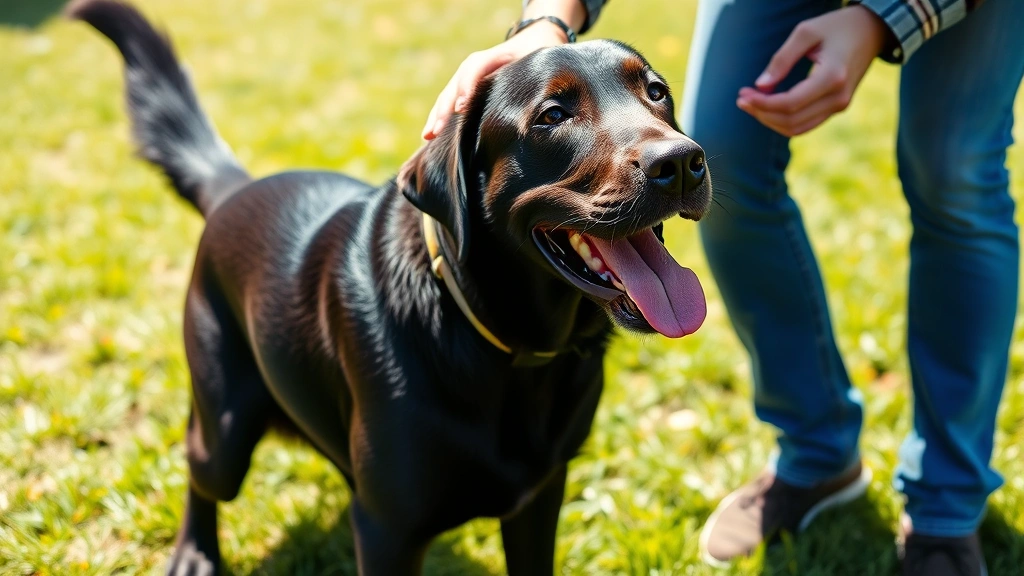
Consistent, positive petting sessions are one of the easiest ways to deepen your relationship with your dog. These moments of quiet connection reinforce that you’re a safe, trustworthy presence in their life. Dogs remember who makes them feel good, and regular petting definitely makes that list. Even just five minutes of dedicated petting time daily can significantly strengthen your bond. Make it a ritual—maybe during your wind-down time in the evening. Your dog will start anticipating these moments and might even remind you when it’s petting o’clock.
Conclusion: Understanding Your Dog’s Petting Personality
So, do dogs like being petted? The short answer is: most do, but it depends on the individual dog, their breed, their past experiences, and their current mood. The long answer is that petting is a powerful form of communication and bonding that can improve both your dog’s physical and mental health—if done right. Pay attention to your dog’s body language, respect their boundaries, and adjust your petting style to match their preferences. Some dogs will be petting enthusiasts their whole lives, while others might be more selective. Either way, understanding and respecting your dog’s petting preferences shows that you truly care about their wellbeing. The best part? Your dog will absolutely love you for it.
Frequently Asked Questions
Is it bad to pet a dog too much?
While most dogs love petting, excessive petting can sometimes lead to overstimulation, especially in sensitive dogs. Signs of overstimulation include sudden tail twitching, skin rippling, or quick movements away from you. It’s all about balance and reading your individual dog’s signals.
Why does my dog not like being petted?
Some dogs have had negative past experiences, are naturally independent, or simply have lower tolerance for touch. Breed temperament also plays a role. Respect your dog’s preferences—there are plenty of other ways to show affection, like playing fetch or training together.
Can petting help with dog aggression?
Petting alone won’t fix aggression issues, but combined with proper training and professional help, it can be part of a comprehensive approach. Never pet an aggressive dog without professional guidance, as it could reinforce unwanted behavior or put you at risk.
Do all dogs enjoy belly rubs?
Surprisingly, no. While the belly-up position might look like an invitation, many dogs are actually vulnerable and anxious when lying on their backs. Some genuinely enjoy belly rubs, but always watch your dog’s reaction and be prepared to stop if they seem uncomfortable.
How can I tell if my dog enjoys petting or is just tolerating it?
Look for the five signs mentioned earlier: leaning in, tail wagging, seeking you out for more, making happy sounds, and having soft eyes. If your dog actively seeks petting and shows these signs, they’re genuinely enjoying it. If they walk away or show tension, they’re probably just tolerating it.





