
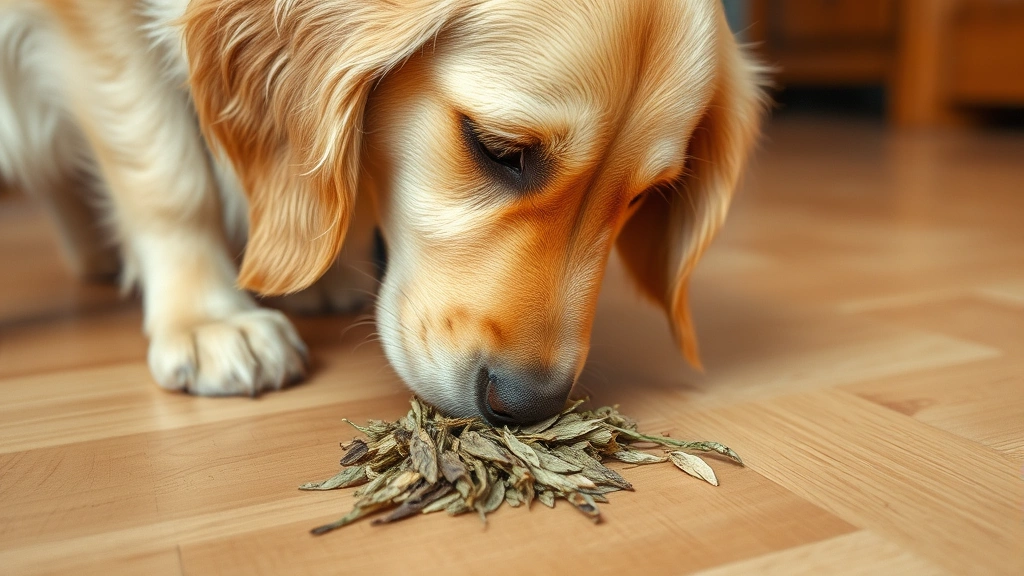
Do Dogs Like Catnip? Understanding Their Reaction
If you’ve ever wondered whether your canine companion might enjoy the same herbal treat that has cats bouncing off the walls, you’re not alone. The question “do dogs like catnip?” is more nuanced than a simple yes or no answer. While catnip is famous for its almost magical effect on felines, dogs experience this plant quite differently. Understanding how your pup reacts to catnip—or whether they react at all—can help you make informed decisions about their toys and treats.
The truth is, most dogs are largely unaffected by catnip in the way cats are. However, some canines do show mild interest, and a small percentage might even display playful responses. The difference lies in the biological makeup of each species and how their brains process the active compounds in catnip. In this comprehensive guide, we’ll explore everything you need to know about dogs and catnip, from the science behind their reactions to practical tips for enriching your dog’s playtime.
Whether you’re a curious dog parent or someone looking to diversify your pup’s toy collection, understanding the relationship between dogs and catnip will help you provide the best possible enrichment for your furry friend.
What Is Catnip and How Does It Work?
Catnip, scientifically known as Nepeta cataria, is a perennial herb from the mint family native to Eastern Europe and Central Asia. The plant contains a volatile organic compound called nepetalactone, which is responsible for the distinctive effects we associate with catnip. This oily compound is produced in the plant’s leaves, stems, and seed pods as a natural pest deterrent.
When a cat encounters catnip, the nepetalactone binds to sensory neurons in the feline’s nasal tissue, triggering a response in the brain’s olfactory system. This creates a euphoric effect that can last anywhere from 5 to 15 minutes. The reaction is so well-documented that the American Kennel Club has extensively studied herb responses in pets.
The reason catnip works so effectively on cats has to do with their unique neurochemistry. Cats have evolved to be particularly sensitive to nepetalactone, likely because their wild ancestors encountered this plant in their natural habitats. The compound triggers the same neural pathways that respond to pheromones, which explains why cats often react as though they’ve encountered something socially significant.
Interestingly, not all cats respond to catnip—studies suggest that only about 70-80% of cats show a reaction to it. The response is genetically determined, meaning some cats are simply not wired to respond to this herb, regardless of exposure or age.
Dogs vs. Cats: Why the Difference?
Here’s where it gets interesting: dogs simply don’t have the same neurobiological response to catnip that cats do. While both species are mammals and share many biological similarities, their sensory systems have evolved differently based on their specific needs and environments.
Dogs rely much more heavily on their sense of smell than their taste or vomeronasal responses. They have approximately 300 million olfactory receptors compared to a cat’s 200 million, making them superior scent trackers. However, the specific neural pathways that process nepetalactone in cats don’t exist in the same way in dogs. when examining whether dogs can have catnip, veterinarians point out that their brains simply don’t interpret the compound in the euphoria-inducing way that feline brains do.
Additionally, dogs are pack animals with different social hierarchies and communication methods than cats. Cats use pheromones extensively in their social behavior, while dogs rely more on visual signals, body language, and vocal communication. This fundamental difference in how these species communicate also explains why they respond differently to plant compounds like nepetalactone.
The domestication process has also played a role. Dogs were domesticated primarily for hunting and companionship, while cats were domesticated later for pest control. This different evolutionary trajectory means that their reward systems and pleasure responses developed along distinct pathways.

What Actually Happens When Dogs Encounter Catnip
So if catnip doesn’t make dogs euphoric like it does cats, what exactly happens when your dog encounters this herb? The answer varies from dog to dog, but there are some general patterns that veterinarians and pet behaviorists have observed.
The majority of dogs show little to no reaction to catnip whatsoever. They might sniff it briefly out of curiosity, but then move on without any particular interest. This is the most common response and is completely normal. If catnip doesn’t work on your dog, there’s absolutely nothing wrong with your pet.
Some dogs, however, do show mild interest in catnip. These dogs might:
- Sniff the catnip more intently than other objects
- Lick or nibble at catnip-filled toys
- Carry catnip toys around the house
- Show brief playful behavior or gentle excitement
- Display curiosity similar to their reaction to other herbs or plants
A smaller subset of dogs—estimates suggest around 30-40%—might display more noticeable reactions. These dogs could become more playful, energetic, or animated when exposed to catnip. However, even these reactions are typically much milder than what you’d see in a catnip-affected cat. Dogs might prance around, wag their tails more enthusiastically, or engage in brief play sessions.
The reason some dogs respond more than others likely comes down to individual genetics and sensitivity. Just as some humans are more sensitive to certain stimuli than others, dogs have varying degrees of responsiveness to plant compounds. understanding what catnip does to dogs helps pet owners set appropriate expectations for their individual animals.
It’s worth noting that a dog’s response to catnip can change over time or with repeated exposure. A dog that showed no interest initially might develop curiosity later, or vice versa. Age, health status, and overall temperament can all influence how a dog responds to catnip.

Safety Concerns: Can Catnip Hurt Dogs?
One of the most important questions dog owners ask is whether catnip is safe for their pets. The good news is that catnip is generally recognized as safe for dogs by veterinary organizations, including the American Society for the Prevention of Cruelty to Animals. Unlike chocolate, grapes, or xylitol, catnip is not toxic to dogs.
However, “generally safe” doesn’t mean without any considerations. Here are the key safety points to keep in mind:
- Moderation is key: While catnip won’t poison your dog, excessive consumption could potentially cause mild digestive upset. Limit catnip exposure to occasional treats.
- Choking hazard: If your dog is an aggressive chewer, loose catnip could pose a choking risk. Use catnip-filled toys designed for dogs rather than loose catnip.
- Allergic reactions: Though rare, some dogs might have sensitivity to catnip. Watch for signs of allergic reaction like itching, vomiting, or diarrhea.
- Digestive issues: Ingesting large quantities of catnip could cause mild gastrointestinal upset in some dogs. Monitor your pet for any unusual symptoms.
When considering whether catnip can hurt dogs, veterinarians generally agree that the risk is minimal when used appropriately. Most dogs will simply ignore catnip entirely, eliminating any concern altogether.
If your dog has a sensitive stomach, is pregnant, nursing, or has any underlying health conditions, it’s wise to consult your veterinarian before introducing catnip. The same applies if your dog is taking medications, as there’s always a theoretical possibility of interactions, though none have been documented with catnip.
According to UC Davis School of Veterinary Medicine, catnip is not listed among substances that require veterinary attention if ingested by dogs. This scientific consensus provides reassurance for pet owners curious about trying catnip with their dogs.
Better Alternatives for Dog Enrichment
If you’re looking to enrich your dog’s playtime and catnip isn’t delivering the excitement you hoped for, there are plenty of other options that dogs tend to enjoy more. Understanding what motivates your individual dog—whether it’s prey drive, social interaction, or sensory stimulation—will help you choose the best enrichment activities.
For dogs motivated by play and movement, squeaky toys provide auditory stimulation that many canines find irresistible. The high-pitched sounds trigger a dog’s prey drive, making squeaky toys engaging and entertaining. Just supervise play to ensure your dog doesn’t destroy the toy and ingest the squeaker.
Similarly, many dogs love tennis balls for their texture, bounce, and the satisfying feeling of catching them. Tennis balls are excellent for fetch games and provide both physical exercise and mental stimulation.
Other enrichment options that dogs typically enjoy more than catnip include:
- Kong toys: Stuffed with treats or peanut butter, these durable toys provide extended entertainment and mental stimulation as dogs work to extract the contents.
- Puzzle toys: These interactive toys require dogs to solve problems to access treats, engaging their cognitive abilities.
- Rope toys: Great for tug-of-war games and dental health, rope toys satisfy dogs’ natural desire to chew and play interactively.
- Scent games: Hide treats or toys around your home and encourage your dog to find them, leveraging their superior sense of smell.
- Chew toys: Long-lasting chews like bully sticks or yak chews keep dogs occupied and satisfy their natural chewing instincts.
- Fetch and retrieval games: These tap into dogs’ natural hunting and herding instincts while providing excellent exercise.
The key to successful enrichment is understanding your individual dog’s personality, energy level, and preferences. Some dogs are motivated by food, others by play, and still others by social interaction. Rotating different types of toys and activities keeps your dog mentally stimulated and prevents boredom.
Frequently Asked Questions
Is catnip toxic to dogs?
No, catnip is not toxic to dogs. It’s not listed as a toxic substance by veterinary organizations. However, moderation is recommended, and excessive consumption could potentially cause mild digestive upset. Always supervise your dog when introducing new items, and consult your veterinarian if you have concerns about your specific pet.
Can I give my dog catnip to calm them down?
Catnip is not recommended as a calming aid for dogs. Since most dogs don’t respond to catnip the way cats do, it’s unlikely to have a significant calming effect. For anxious dogs, consider other options like appropriate exercise, training, anxiety wraps, or consult your veterinarian about evidence-based calming strategies.
Why doesn’t my dog react to catnip?
Most dogs don’t react to catnip because their neurochemistry is different from cats’. Dogs lack the specific neural pathways that process nepetalactone in the euphoria-inducing way that cats do. This is completely normal and doesn’t indicate any problem with your dog.
Can I use catnip to train my dog?
Since most dogs don’t respond significantly to catnip, it’s not typically recommended as a training reward. Instead, use high-value treats that your dog genuinely loves, praise, or play as rewards during training sessions. These motivators are much more effective for canine training.
What age can puppies have catnip?
While catnip isn’t toxic to puppies, it’s generally recommended to wait until puppies are at least a few months old before introducing it. At that point, you can offer small amounts in catnip-filled toys designed for dogs. Always supervise young puppies with any new toys or treats.
Are there any dogs that react strongly to catnip?
Yes, some individual dogs do show mild to moderate reactions to catnip, though these reactions are typically much less pronounced than feline responses. Breed, genetics, and individual personality all play roles in determining which dogs might respond. If your dog shows interest in catnip, there’s no harm in offering it occasionally.
Can I give my dog fresh catnip?
Fresh catnip is safe for dogs in small amounts, though dried catnip is more commonly used in toys. If offering fresh catnip, ensure it’s pesticide-free and from a reliable source. Monitor your dog for any digestive upset. Most dogs won’t be interested in either fresh or dried catnip anyway.





