
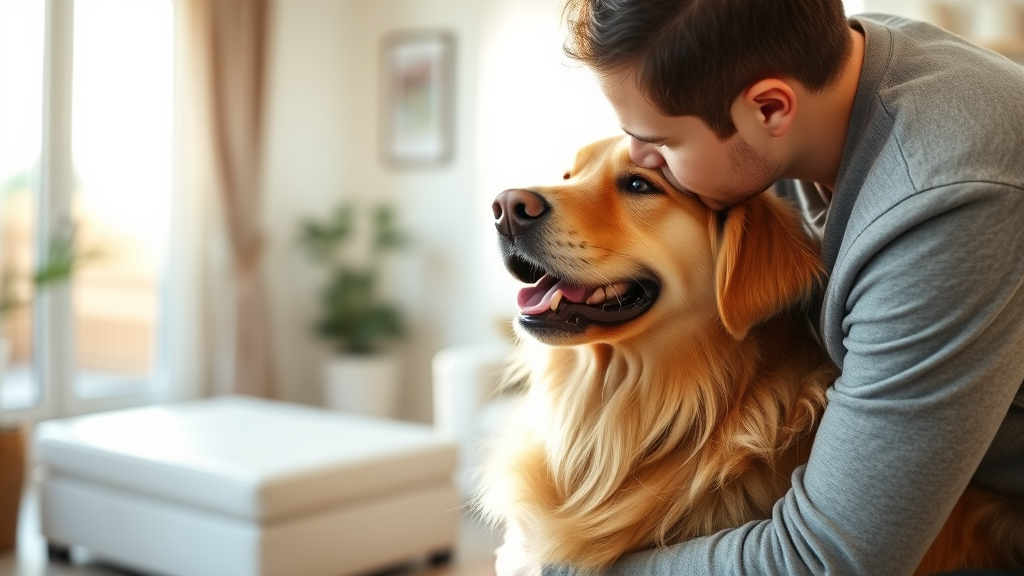
The sight of a dog owner showering their furry companion with kisses is one of the most heartwarming scenes in pet ownership. But have you ever wondered what your dog actually thinks about all that affection? While we humans express love through kisses, our canine companions have their own unique ways of showing and receiving affection. Understanding whether dogs truly enjoy kisses requires diving deep into canine behavior, psychology, and communication patterns.
The relationship between humans and dogs has evolved over thousands of years, creating a unique bond that transcends species barriers. As we’ve developed closer relationships with our pets, we’ve naturally begun expressing our love in human ways – including kissing. However, dogs don’t naturally kiss each other as a form of affection, which raises fascinating questions about how they interpret and respond to our human displays of love.
Understanding Canine Communication
Dogs communicate primarily through body language, scent, and vocal cues rather than physical contact like kissing. In the wild, dogs and wolves don’t engage in kissing behavior as we understand it. Instead, they show affection through play, grooming, sleeping close together, and various body language signals. When we kiss our dogs, we’re essentially speaking a foreign language to them.
However, dogs are remarkably adaptable creatures. Through domestication and close contact with humans, many dogs have learned to associate human kissing with positive experiences. The key lies in understanding that while kissing isn’t natural dog behavior, many dogs can learn to tolerate and even enjoy it when it’s associated with love, attention, and positive reinforcement from their favorite humans.
Canine facial expressions and body language provide crucial insights into how dogs feel about kisses. The American Kennel Club explains that understanding dog body language is essential for interpreting their emotional states and preferences.
The Science Behind Dog-Human Affection
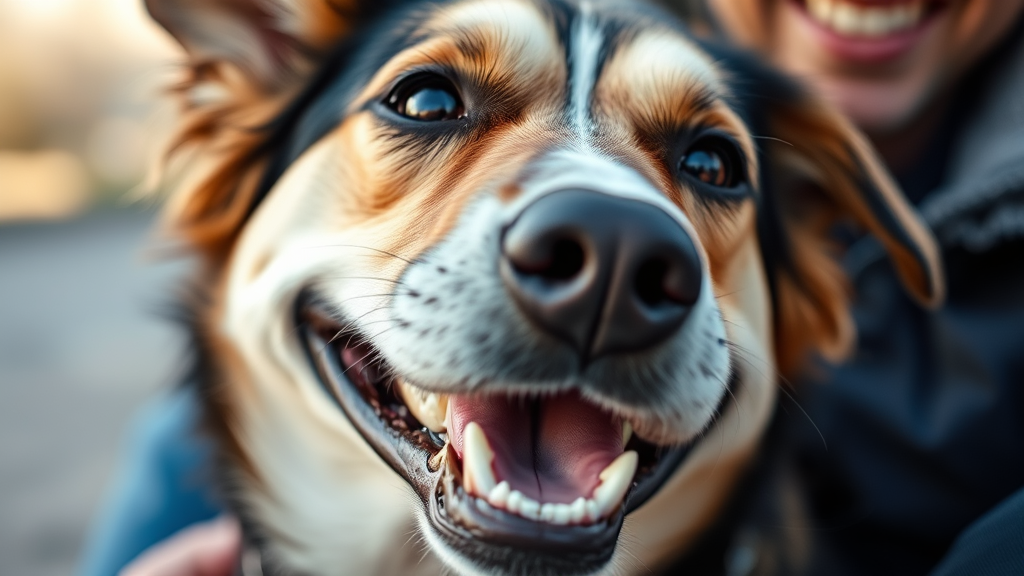
Scientific research has revealed fascinating insights about the human-dog bond and how affectionate interactions affect both species. When humans and dogs interact positively, both release oxytocin, often called the “love hormone.” This neurochemical response creates feelings of bonding and attachment, similar to what occurs between human parents and children.
Studies conducted by researchers at Azabu University in Japan found that prolonged eye contact between dogs and their owners triggers oxytocin release in both parties. This suggests that dogs have evolved to form emotional bonds with humans that mirror our own attachment patterns. While this research doesn’t specifically address kissing, it demonstrates that dogs are capable of experiencing genuine affection toward humans.
The way dogs process human affection also depends on their individual personalities, past experiences, and socialization history. Some dogs may find face-to-face contact overwhelming or threatening, while others embrace close physical contact. Understanding your individual dog’s preferences is crucial for maintaining a positive relationship. Interestingly, just as dogs can learn to understand human language, they can also learn to interpret and appreciate human expressions of love.
Signs Your Dog Enjoys Kisses
Recognizing when your dog enjoys kisses involves observing their body language and behavior during and after kissing sessions. Dogs who enjoy kisses typically display relaxed, happy body language. Their ears may be in a natural position (not pinned back), their mouth might be slightly open in a relaxed panting position, and their tail usually wags gently or maintains a neutral position.
Some dogs actively seek out kisses by approaching their owners, nudging them with their nose, or positioning themselves at face level. These dogs might also remain calm and still during kissing, showing they’re comfortable with the interaction. After receiving kisses, happy dogs often display contentment through relaxed posture, gentle tail wagging, or even reciprocal affection like gentle licking.
Another positive sign is when dogs associate kissing with other enjoyable activities. If your dog becomes excited when they see you leaning in for a kiss because they know it often leads to playtime, treats, or other positive interactions, they’ve formed positive associations with the behavior. Much like how dogs show excitement for belly rubs, they may develop similar enthusiasm for kisses when they associate them with good things.
Signs Your Dog Dislikes Kisses
Not all dogs appreciate human kisses, and it’s essential to recognize signs of discomfort or stress. Dogs who dislike kisses often display subtle stress signals that can be easy to miss. These may include lip licking, yawning when not tired, avoiding eye contact, or turning their head away when you approach for a kiss.
More obvious signs of discomfort include pulling away, backing up, or trying to escape when you attempt to kiss them. Some dogs may freeze or become very still, which is often mistaken for enjoyment but actually indicates stress or anxiety. Ears pinned back against the head, whale eye (showing the whites of their eyes), or a tucked tail are clear indicators that your dog is uncomfortable with the interaction.
In extreme cases, dogs who strongly dislike kisses may growl, snap, or show other defensive behaviors. These reactions shouldn’t be punished, as they’re the dog’s way of communicating their boundaries. Instead, respect these signals and find alternative ways to show affection. The ASPCA provides guidance on understanding and responding to defensive dog behaviors.
Individual Differences in Dogs
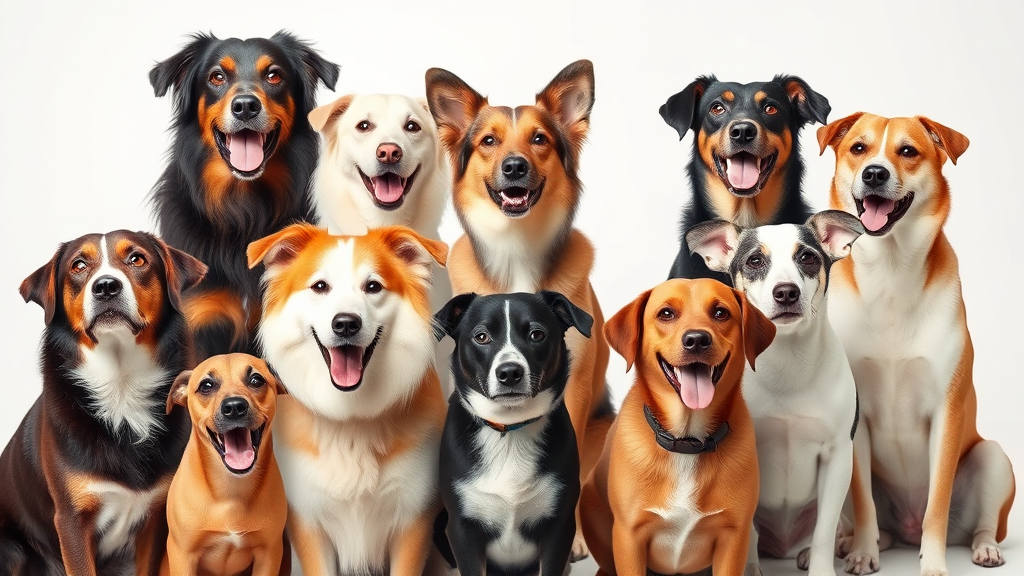
Just as humans have different preferences for physical affection, dogs are individuals with unique personalities and comfort levels. Factors that influence a dog’s response to kisses include breed characteristics, early socialization experiences, past trauma, and individual temperament. Some breeds, particularly those bred for close human companionship, may be more accepting of intimate human contact.
Age also plays a role in how dogs respond to kisses. Puppies who are properly socialized to human touch from an early age are more likely to accept and enjoy kisses as adults. Senior dogs may become less tolerant of close contact due to arthritis, hearing loss, or other age-related changes that make them more sensitive or easily startled.
Past experiences significantly impact a dog’s comfort level with kisses. Dogs who have been rescued from abusive situations or those who lacked proper socialization may find face-to-face contact threatening. Conversely, dogs who have always received gentle, positive human interaction are more likely to enjoy intimate expressions of affection. Understanding why dogs lick their owners can provide insights into their natural affection behaviors.
Safe Kissing Practices with Dogs
If your dog enjoys kisses, there are important safety considerations to keep in mind. Hygiene is paramount, as dogs’ mouths contain bacteria that can potentially cause infections in humans. Avoid kissing dogs on or near their mouth, and always wash your hands and face after intimate contact with your pet.
Children should be taught appropriate ways to show affection to dogs, as their unpredictable movements and high energy can overwhelm even kiss-loving dogs. Supervised interactions help ensure both child and dog safety while teaching valuable lessons about respecting animal boundaries.
Consider your dog’s health status before engaging in close contact. Dogs with respiratory infections, dental problems, or other health issues may not appreciate close facial contact. Additionally, some dogs may have sensitive taste buds or smell sensitivities that make human scents overwhelming at close range.
Alternative Ways to Show Affection
For dogs who don’t enjoy kisses, there are countless other ways to express your love and strengthen your bond. Physical alternatives include gentle petting, scratching behind the ears, or giving belly rubs to dogs who enjoy them. Many dogs prefer these types of touch because they’re more similar to natural canine social behaviors.
Non-physical expressions of love can be equally meaningful to dogs. Verbal praise in a happy, upbeat tone, offering favorite treats, or engaging in play activities all communicate love in ways dogs naturally understand. Training sessions using positive reinforcement also serve as bonding activities that build trust and communication.
Quality time activities like walks, car rides, or simply sitting together can be profound expressions of love for dogs. Some dogs may even enjoy gentle games, and you might wonder if dogs are ticklish during playful interactions. The Humane Society offers excellent suggestions for building strong relationships with dogs through various bonding activities.
Building Positive Associations with Kisses
If you’d like to help your dog become more comfortable with kisses, the process should be gradual and positive. Start by simply bringing your face close to theirs without actually kissing, and immediately follow with something your dog loves, such as treats or play. This helps create positive associations with close facial contact.
Progress slowly, perhaps touching their head gently with your face before advancing to actual kisses. Always watch your dog’s body language and respect their comfort level. If they show any signs of stress or discomfort, take a step back and proceed more slowly.
Consistency is key in building positive associations. Regular, brief, positive interactions are more effective than lengthy sessions that might overwhelm your dog. Remember that some dogs may never become completely comfortable with kisses, and that’s perfectly normal. The goal is to understand and respect your individual dog’s preferences while finding meaningful ways to express your love. Dogs have their own ways of showing joy, and you might be surprised to learn whether dogs can actually laugh during happy moments.
Frequently Asked Questions
Do all dogs dislike being kissed?
No, not all dogs dislike being kissed. Many dogs learn to tolerate and even enjoy kisses, especially when they’re raised with positive human contact from puppyhood. However, individual preferences vary greatly among dogs, and some may never become comfortable with this type of intimate contact. The key is observing your dog’s body language and respecting their individual comfort level.
Why does my dog lick me after I kiss them?
When dogs lick you after receiving kisses, it could indicate several things. They might be reciprocating affection in their own way, since licking is a natural dog behavior for showing care. They could also be responding to the taste or scent on your skin, or they might have learned that licking gets positive attention from you. Some dogs lick as a calming signal when they’re slightly stressed or overstimulated. Understanding why dogs lick specific areas can provide more insights into this behavior.
Is it safe to kiss my dog on the mouth?
Kissing dogs on the mouth is not recommended from a health perspective. Dogs’ mouths contain bacteria that can potentially cause infections in humans, including harmful pathogens like Salmonella or Campylobacter. Additionally, many dogs find direct mouth contact more threatening or uncomfortable than kisses on the head or cheek. The CDC provides guidelines for safe interactions with pets to prevent disease transmission.
How can I tell if my dog is stressed by kisses?
Signs of stress during kissing include lip licking, yawning when not tired, avoiding eye contact, turning their head away, ears pinned back, showing the whites of their eyes (whale eye), freezing or becoming very still, trying to move away, or displaying a tucked tail. Some dogs may also pant excessively, drool, or show trembling. If you notice any of these signs, it’s best to stop the kissing and give your dog space.
Can I train my dog to like kisses?
While you can help your dog develop positive associations with kisses through gradual conditioning and positive reinforcement, you cannot force a dog to genuinely enjoy them. The process involves slowly introducing close facial contact paired with treats, praise, or other positive experiences. However, some dogs may never become truly comfortable with kisses due to their individual personality, past experiences, or natural temperament, and this should be respected.
Do puppies respond differently to kisses than adult dogs?
Puppies who are properly socialized to human touch from an early age are generally more adaptable to kisses and other forms of human affection. Their brains are more flexible during the critical socialization period (typically 3-14 weeks of age), making them more likely to accept new experiences as normal. However, adult dogs can also learn to accept kisses with patience and positive conditioning, though the process may take longer.
What’s the best alternative to kissing for showing my dog affection?
Great alternatives to kissing include gentle petting, ear scratches, belly rubs (for dogs who enjoy them), verbal praise in a happy tone, offering favorite treats, engaging in play, taking walks together, or simply spending quality time near each other. The best form of affection depends on your individual dog’s preferences, which you can discover through observation and experimentation with different types of positive interactions.





