

So, do dogs like music? The short answer is: absolutely, but probably not the same way you do. Your pup isn’t sitting around waiting for the new Taylor Swift album to drop, but research shows that dogs have genuine musical preferences—and some genres actually calm them down better than a thundershirt ever could.
Table of Contents
- The Science Behind Canine Musical Taste
- What Types of Music Do Dogs Actually Enjoy?
- How Dogs Hear Music Differently Than Humans
- Music as a Tool for Calming Anxious Dogs
- The Role of Frequency and Tempo in Dog Music Preferences
- Individual Dog Preferences: Not All Dogs Are Created Equal
- Music and Exercise: Does It Enhance Playtime?
- Creating the Perfect Musical Environment for Your Dog
- The Bottom Line: Do Dogs Like Music? Yes, With Caveats
- Frequently Asked Questions
The Science Behind Canine Musical Taste
For years, dog owners wondered if their furry friends actually enjoyed the music playing in the background or if they were just tolerating their human’s questionable taste. Turns out, dogs have their own auditory preferences backed by legitimate science. Studies from animal behaviorists and veterinary researchers have shown that dogs don’t just hear music—they respond to it emotionally and physiologically.
A landmark study by the Scottish SPCA found that when dogs were exposed to different types of music, their heart rates and stress levels changed measurably. This wasn’t a coincidence; it was proof that dog music preferences are real and scientifically valid. The research team tested everything from classical to reggae, and the results were eye-opening.
What Types of Music Do Dogs Actually Enjoy?
Here’s where it gets interesting. Dogs aren’t vibing to death metal or hard rock (though some rescue dogs might surprise you). Instead, they gravitate toward slower tempos and specific frequencies that align with their hearing range. Classical music, particularly pieces with slower tempos around 50-60 beats per minute, has been shown to reduce anxiety and promote relaxation in dogs.
Reggae music also topped the charts in studies—yes, you read that right. Dogs apparently dig Bob Marley. The theory is that reggae’s steady, predictable rhythm mimics a heartbeat, which can be incredibly soothing for anxious pups. Pop music showed mixed results, while heavy metal actually increased stress indicators in most dogs tested.
If your dog seems stressed or anxious, you might want to explore calming foods for anxious pets alongside some therapeutic music sessions. The combination can be surprisingly effective.
How Dogs Hear Music Differently Than Humans
Dogs have a hearing range of 40 Hz to 60,000 Hz, compared to humans’ measly 20 Hz to 20,000 Hz. This means they’re picking up frequencies we can’t even perceive. When you’re playing your favorite song, your dog might be hearing ultrasonic frequencies that completely change the experience for them. They’re literally living in a different sonic universe.
This difference in hearing also explains why some dogs react negatively to certain sounds. That high-pitched whistle in a pop song? Your dog hears it at full volume. The bass line you love? It might sound distorted to their ears. Understanding this fundamental difference is key to appreciating why canine audio preferences exist in the first place.
Music as a Tool for Calming Anxious Dogs
Beyond just entertainment, music has become a legitimate therapeutic tool for managing dog anxiety. Veterinarians now recommend specific playlists for dogs with separation anxiety, noise phobias, and general stress. The effect is real enough that some veterinary clinics play calming music during appointments to reduce patient stress.
The mechanism is simple: slower music lowers heart rate, reduces cortisol (the stress hormone), and can even lower blood pressure. It’s not magic—it’s biology. If your dog is the type to panic during thunderstorms or fireworks, creating a dedicated calm music environment might genuinely help. Pair this with a cooling dog bed for the ultimate relaxation setup during hot, stressful days.
The Role of Frequency and Tempo in Dog Music Preferences
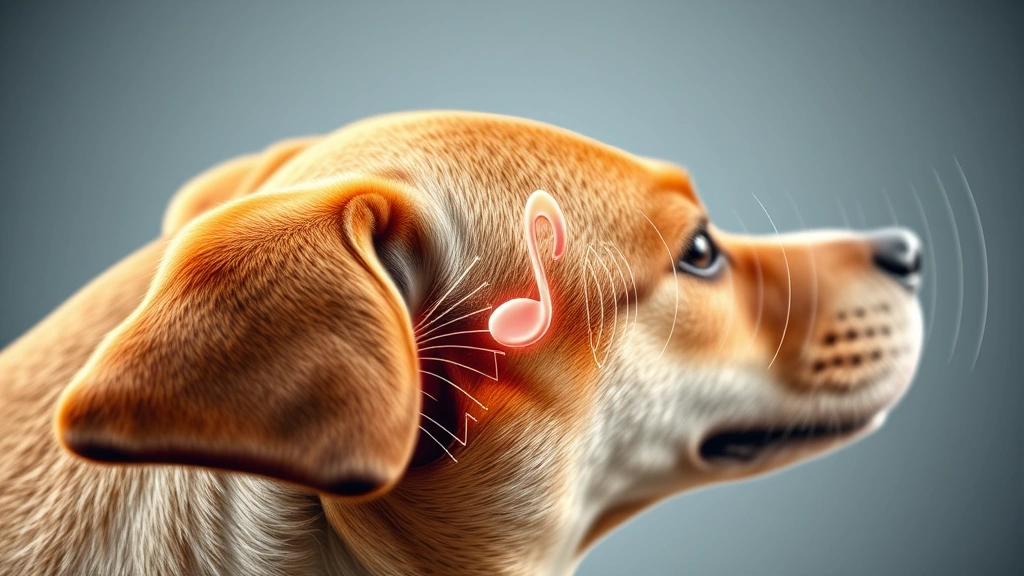
Not all music affects dogs equally. Research from the University of Glasgow revealed that tempo matters significantly. Slower music (50-60 BPM) consistently reduced stress behaviors, while faster music (>120 BPM) sometimes increased agitation. The frequency range also plays a role—music with dominant frequencies between 500-2000 Hz tends to be more soothing to dogs.
This is why “Through a Dog’s Ear,” a classical music series specifically composed for dogs, became so popular. The composers deliberately crafted pieces with the canine auditory system in mind, hitting the sweet spot of tempo and frequency that dogs find calming. It’s not just classical music that works—it’s classical music engineered for dog ears.
Individual Dog Preferences: Not All Dogs Are Created Equal
Here’s the thing that often gets overlooked: just like humans, individual dogs have different musical preferences. Your Golden Retriever might love reggae while your neighbor’s German Shepherd prefers silence. Breed, age, personality, and past experiences all influence what a dog enjoys.
Some dogs actively seek out music, approaching speakers or seeming to “sing along” to certain songs. Others completely ignore it. Neither response is wrong—it’s just personality. The key is observing your specific dog’s behavior and adjusting accordingly. If your pup is high-energy, energy-boosting foods for active pets combined with upbeat music might be their jam. If they’re anxious, calming music is the way to go.
Music and Exercise: Does It Enhance Playtime?
Some dog owners swear that playing music during playtime makes their dogs more energetic and engaged. While scientific evidence specifically linking music to increased exercise performance is limited, anecdotal evidence suggests it can set a mood. Upbeat music might psychologically prime you to be more playful with your dog, which indirectly increases activity levels.
The real benefit might be indirect: music creates an environment that encourages both you and your dog to be more active and engaged. It’s hard to feel sluggish when “Good as Hell” by Lizzo is playing in the background.
Creating the Perfect Musical Environment for Your Dog
If you want to experiment with music for your dog, start with these guidelines: begin with classical or reggae, keep the volume at a reasonable level (dogs have sensitive hearing), and observe your dog’s behavior. Does their tail wag? Do they seem calmer? Do they move away from the speaker?
You can also try dedicated dog music apps and playlists designed by animal behaviorists. These are specifically engineered to hit the frequency and tempo ranges that benefit dogs. Some even include nature sounds combined with music for an extra calming effect. For anxious dogs, this might be worth trying before other interventions.
If you’re concerned about your dog’s anxiety levels, a virtual pet checkup with a veterinarian can help rule out underlying health issues and provide personalized recommendations.

The Bottom Line: Do Dogs Like Music? Yes, With Caveats
Dogs absolutely can enjoy music, but with important qualifications. They don’t experience music the way humans do. They can’t appreciate the emotional storytelling of a Beyoncé ballad or the technical complexity of a jazz composition. What they can do is respond to tempo, frequency, and rhythm in ways that genuinely affect their physiology and behavior.
The evidence is clear: certain types of music can calm anxious dogs, potentially reduce stress-related behaviors, and create a more pleasant environment. Whether your dog actively “likes” music in the way we think about liking things is ultimately unknowable—but the effects are measurable and real.
For more information on evidence-based dog care, check out resources from the American Kennel Club, PetMD, and peer-reviewed veterinary journals from university research programs.
Frequently Asked Questions
What music do dogs hate the most?
Heavy metal, hard rock, and other high-tempo, high-intensity music genres tend to increase stress and anxiety in dogs. Additionally, music with very high-pitched frequencies or sudden loud noises can be distressing. Every dog is different, so it’s worth observing your individual pup’s reactions.
Can playing music help my dog with separation anxiety?
Yes, calming music can be part of a comprehensive anxiety management strategy. Classical music, reggae, and specially composed dog music have all shown promise in reducing separation anxiety symptoms. However, music should be combined with other training techniques and, if needed, professional behavioral help.
How loud should I play music for my dog?
Keep music at a moderate volume—similar to what you’d use for background music in your own home. Remember, dogs have more sensitive hearing than humans, so what seems quiet to you might be loud to them. You should be able to talk over the music without shouting.
Is there music specifically composed for dogs?
Yes! “Through a Dog’s Ear” is the most famous example, but there are many playlists and albums specifically designed with canine hearing and stress reduction in mind. These are engineered with appropriate tempos and frequencies for dog ears.
Will music help my dog sleep better?
Possibly. Slow, calming music with appropriate frequencies can create a relaxing environment that promotes better sleep. Combined with a comfortable sleeping area and a consistent routine, music might contribute to improved sleep quality.





