
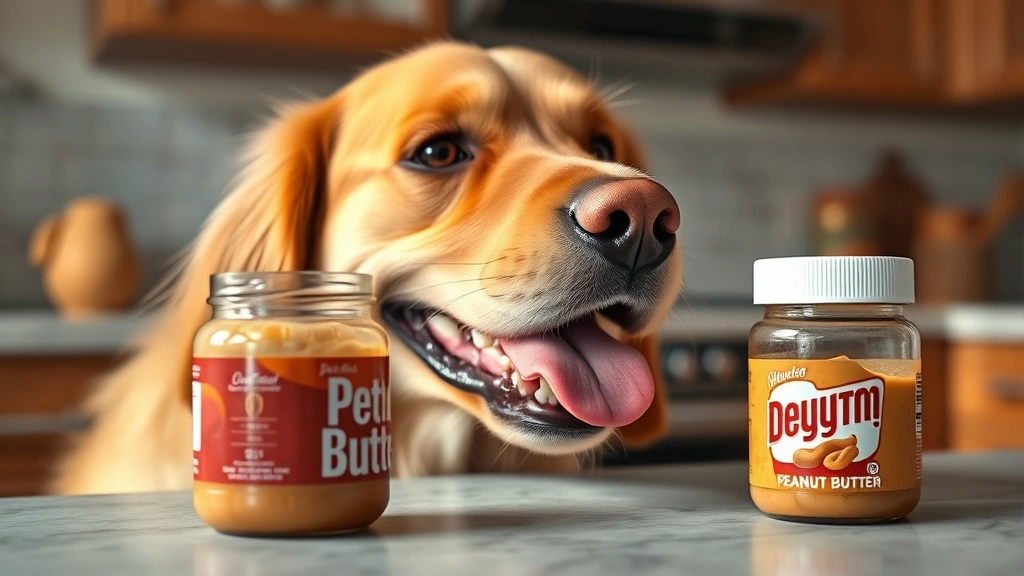
Do dogs like peanut butter? The short answer is YES—most dogs absolutely go bonkers for it. But before you start smearing PB on everything your pup touches, there’s a whole lot more you need to know about keeping your furry friend safe while letting them enjoy this tasty treat.
Table of Contents
- Why Do Dogs Love Peanut Butter So Much?
- Is Peanut Butter Safe for Dogs? The Good News
- The Xylitol Danger: What You MUST Know
- How Much Peanut Butter Can Dogs Safely Eat?
- Best Peanut Butter Brands for Dogs
- Creative Ways to Give Your Dog Peanut Butter
- Signs Your Dog Might Have Peanut Butter Sensitivity
- Peanut Butter Alternatives for Dogs
- The Bottom Line on Dog Nutrition
- Frequently Asked Questions
- Summary: Making Peanut Butter Safe for Your Pup
Why Do Dogs Love Peanut Butter So Much?
Let’s be real: watching your dog’s face light up when you crack open a jar of peanut butter is pure comedy gold. But what makes this creamy (or crunchy) spread so irresistible to our canine companions? It all comes down to smell and taste. Dogs have an incredible sense of smell—about 10,000 to 100,000 times more sensitive than humans—and peanut butter is basically a flavor bomb to their noses. The rich, nutty aroma triggers their taste buds in ways that make them think they’ve hit the jackpot. Plus, the fatty content and protein make it genuinely tasty from a nutritional standpoint, not just a psychological trick.
Is Peanut Butter Safe for Dogs? The Good News
Here’s the thing: peanut butter itself isn’t toxic to dogs. In fact, plain peanut butter can be a decent source of protein and healthy fats for your pup. Many dog owners use it as a training treat or to stuff inside Kong toys for enrichment. If you’re looking for puppy safe human foods, peanut butter (in moderation) can actually make the list. The key word here is moderation—we’re talking small amounts, not letting your dog lick the jar clean.
The Xylitol Danger: What You MUST Know
Now for the scary part that every dog owner needs to understand: some peanut butter brands contain xylitol, an artificial sweetener that is absolutely toxic to dogs. Even tiny amounts can cause serious problems like liver damage, low blood sugar, and seizures. This isn’t something to mess around with. Always—and we mean ALWAYS—check the ingredient label before giving your dog any peanut butter. Brands like Jif, Skippy, and Creamy are generally xylitol-free, but formulations change, so double-check every single time. If you’re worried about accidental xylitol poisoning, our guide on xylitol poisoning in dogs has detailed information about symptoms and what to do if your dog ingests it.
How Much Peanut Butter Can Dogs Safely Eat?
Portion control is crucial when it comes to peanut butter for dogs. A good rule of thumb is the 10% rule: treats (including peanut butter) should make up no more than 10% of your dog’s daily caloric intake. For a medium-sized dog, that’s roughly one teaspoon of peanut butter per day, maybe two if you’re being generous. Small dogs should get even less—think a tiny lick or half a teaspoon. Large breed dogs might tolerate a tablespoon, but again, moderation is key. Too much peanut butter can lead to obesity, pancreatitis, and digestive upset. Remember, peanut butter is calorie-dense; just one tablespoon contains about 95 calories, which is significant for smaller pups.
Best Peanut Butter Brands for Dogs
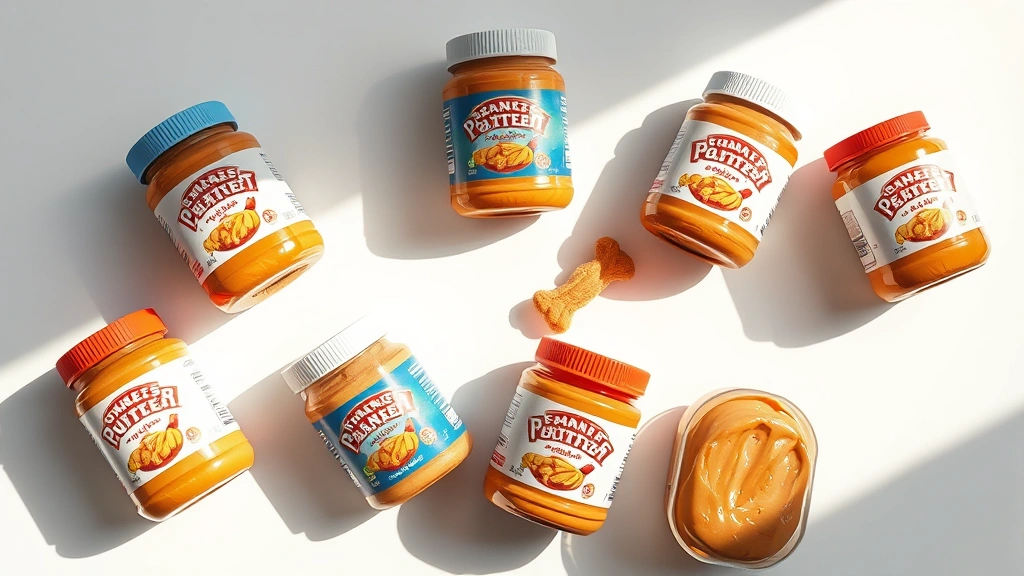
Not all peanut butter is created equal when it comes to dog safety. Here are some brands that are generally considered safe (but always verify the label):
- Jif Creamy: No xylitol, widely available, and most dogs love it
- Skippy: Another reliable option without artificial sweeteners
- Peter Pan: Generally safe, though check the specific variety
- Natural peanut butter: Sometimes better because it has fewer additives, but make sure it’s xylitol-free
- Dog-specific peanut butter: Brands like Bark Peanut Butter are formulated specifically for dogs
Avoid any peanut butter labeled “reduced fat” or “sugar-free,” as these are more likely to contain xylitol or other problematic ingredients.
Creative Ways to Give Your Dog Peanut Butter
If you’ve confirmed your peanut butter is safe, here are some fun ways to use it as a treat or enrichment tool:
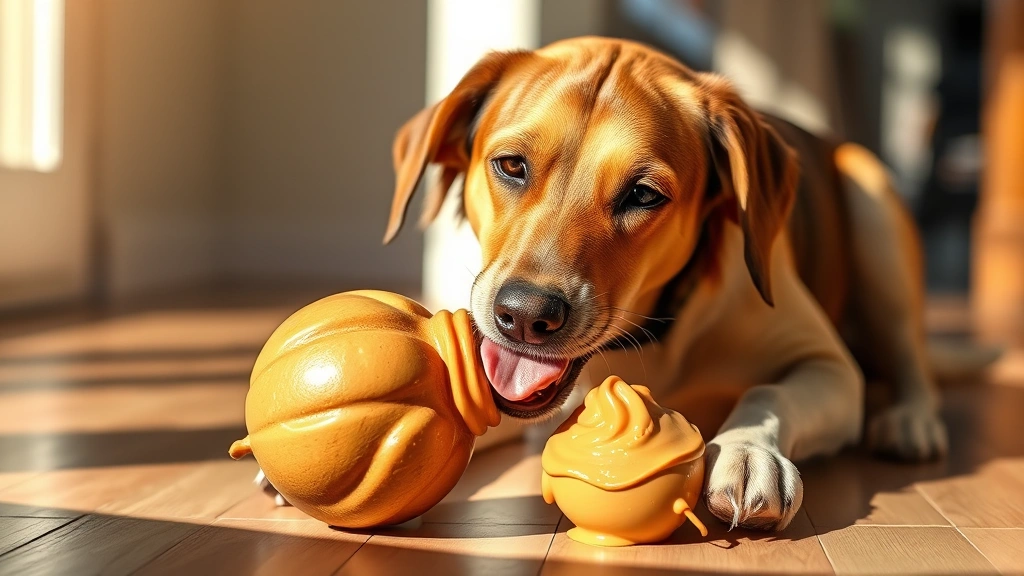
- Kong toy stuffing: Mix a tiny bit of peanut butter with plain yogurt and freeze inside a Kong for long-lasting entertainment
- Training rewards: Use small amounts as high-value rewards during training sessions
- Lick mat: Spread a thin layer on a lick mat and freeze it for a cooling treat on hot days
- Peanut butter dog treats: Make homemade treats by mixing peanut butter with oats and pumpkin (check our pet treat recipes for specific recipes)
Signs Your Dog Might Have Peanut Butter Sensitivity
Some dogs have trouble digesting peanut butter, even if it’s the safe kind. Watch for these warning signs:
- Vomiting or diarrhea within a few hours of eating peanut butter
- Excessive itching or skin irritation (possible peanut allergy)
- Lethargy or unusual behavior
- Abdominal pain or bloating
- Loss of appetite
If your dog shows any of these symptoms, stop giving peanut butter immediately and contact your vet. Some dogs just have sensitive stomachs, and that’s okay—there are plenty of other treats available.
Peanut Butter Alternatives for Dogs
If peanut butter isn’t working for your pup, or you want to mix things up, consider these dog-friendly alternatives:
- Pumpkin puree: Great for digestion and most dogs enjoy it
- Banana: Natural sweetness without the fat content
- Apple slices: Crunchy and refreshing (remove seeds first)
- Carrots: Low-calorie and good for teeth
- Plain yogurt: Probiotic benefits and dogs usually love it
For more safe options, check out our guide on safe fruits for dogs.
The Bottom Line on Dog Nutrition
While peanut butter can be a fun occasional treat, it shouldn’t replace a balanced diet. Your dog’s primary nutrition should come from high-quality dog food that meets AAFCO standards. If you’re unsure about your dog’s diet or have specific health concerns, consult with your veterinarian. Our pet nutrition advice section has more information about feeding your dog right.
Frequently Asked Questions
Can puppies eat peanut butter?
Yes, but in even smaller amounts than adult dogs. Puppies have sensitive digestive systems, so introduce peanut butter gradually and in tiny portions. Always ensure it’s xylitol-free first.
Is peanut butter good for dogs’ teeth?
Not really. While the act of licking peanut butter might provide some jaw exercise, the sticky nature actually clings to teeth and isn’t great for dental health. It’s better for enrichment than oral health.
Can dogs eat peanut butter every day?
Not recommended. Daily peanut butter can lead to weight gain and nutritional imbalances. Save it as an occasional treat, maybe 2-3 times per week at most.
What should I do if my dog eats peanut butter with xylitol?
Contact your veterinarian or poison control immediately. Xylitol toxicity can develop quickly, and your dog may need emergency treatment. Don’t wait to see if symptoms develop.
Can dogs eat peanut butter cookies?
Absolutely not. Store-bought cookies contain sugar, chocolate, or other ingredients that can be toxic to dogs. Stick to plain peanut butter only.
Why does my dog go crazy for peanut butter?
Dogs love peanut butter because of its strong aroma, high fat content, and protein. It’s genuinely tasty and smells amazing to them—their enthusiasm is totally natural!
Summary: Making Peanut Butter Safe for Your Pup
So, do dogs like peanut butter? Absolutely. Can you safely give it to them? Yes, with proper precautions. The key takeaways are: always check for xylitol, use it in moderation, monitor your dog for any adverse reactions, and consult your vet if you have concerns. When done right, peanut butter can be a delightful occasional treat that strengthens your bond with your furry best friend. Just keep that jar safely stored and those ingredient labels front and center.





