
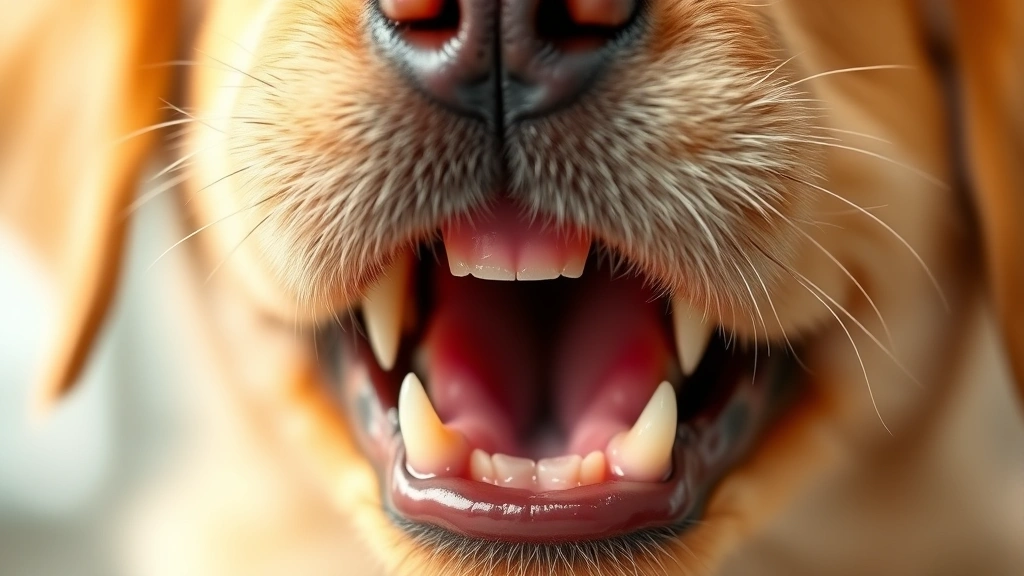
Yes, do dogs lose teeth—and it’s completely normal! If you’ve found a tiny tooth on your carpet or noticed your puppy drooling more than usual, don’t panic. Like humans, dogs go through a natural tooth loss process, but unlike us, they get a second chance at a full set of chompers. Understanding this developmental milestone helps you support your pup through the transition and maintain their dental health for years to come.
Table of Contents
- The Puppy Tooth Timeline: When Do Dogs Lose Teeth?
- Understanding Puppy Teeth Loss: It’s Not Just One Wave
- Why Adult Dogs Don’t Lose Teeth (Usually)
- Signs Your Puppy Is Losing Teeth
- Retained Baby Teeth: When Tooth Loss Goes Wrong
- Helping Your Teething Puppy Through the Process
- Adult Tooth Loss: When It’s a Red Flag
- Dental Care: Preventing Future Tooth Loss
- Special Considerations for Different Dog Breeds
- Age-Related Tooth Loss in Senior Dogs
- What Happens If Your Dog Loses All Their Teeth?
- Frequently Asked Questions
- Conclusion: Supporting Your Dog’s Dental Health
The Puppy Tooth Timeline: When Do Dogs Lose Teeth?
Puppies are born without visible teeth, but don’t worry—they’re coming! By around 3-5 weeks of age, those adorable baby teeth (called deciduous or primary teeth) start erupting. A healthy puppy will have all 28 baby teeth by 6-8 weeks old. But here’s the plot twist: these teeth are temporary roommates. Starting around 12-16 weeks of age, your puppy’s permanent teeth begin pushing their way in, causing the baby teeth to loosen and fall out. This process typically wraps up by 6-7 months when all 42 adult teeth have settled into place.
Understanding Puppy Teeth Loss: It’s Not Just One Wave
The tooth loss process isn’t a one-and-done event. Instead, it happens in waves, with different teeth falling out at different times. The incisors (front teeth) usually go first, followed by the canines, and finally the premolars and molars. Some puppies shed teeth faster than others—genetics, breed size, and individual development rates all play a role. During this period, you might notice your pup is extra drooly, chewing more intensely, or occasionally pawing at their mouth. All of this is par for the course during the puppy teething stage.
Why Adult Dogs Don’t Lose Teeth (Usually)
Once your dog reaches adulthood with their full set of 42 permanent teeth, tooth loss should be rare. Unlike humans who might lose teeth due to decay or age, healthy adult dogs can keep their original teeth for life. However—and this is a big however—many dogs do experience tooth loss as they age, primarily due to poor dental hygiene, gum disease, or injury. This is why establishing a solid dental care routine early matters so much. Regular brushing, professional cleanings, and a healthy diet (including senior pet-friendly human foods for older dogs) can significantly extend the lifespan of your dog’s natural teeth.
Signs Your Puppy Is Losing Teeth
How do you know if your puppy is in the middle of shedding baby teeth? Look for these telltale signs:
- Excessive drooling: More slobber than usual is totally normal during teething.
- Swollen, tender gums: Their mouth might feel uncomfortable, which explains the constant chewing.
- Visible gaps: You might actually see missing teeth or loose ones wiggling around.
- Bleeding gums: A little bit of blood in their saliva is normal, but excessive bleeding warrants a vet visit.
- Behavioral changes: Your pup might be more irritable, eat less, or show increased interest in chewing toys.
- Bad breath: The teething process can cause slightly funky breath (though persistent bad breath in adult dogs signals a problem).
Retained Baby Teeth: When Tooth Loss Goes Wrong
In some cases, baby teeth don’t fall out when they should, even though adult teeth are coming in. This condition, called retained deciduous teeth, is more common in small breed dogs and can cause crowding, misalignment, and potential dental issues. If you notice your puppy still has baby teeth alongside adult teeth at 7+ months, contact your vet. They might recommend extraction to prevent complications. Your veterinarian can assess whether your dog needs intervention to maintain proper dental alignment and health.
Helping Your Teething Puppy Through the Process
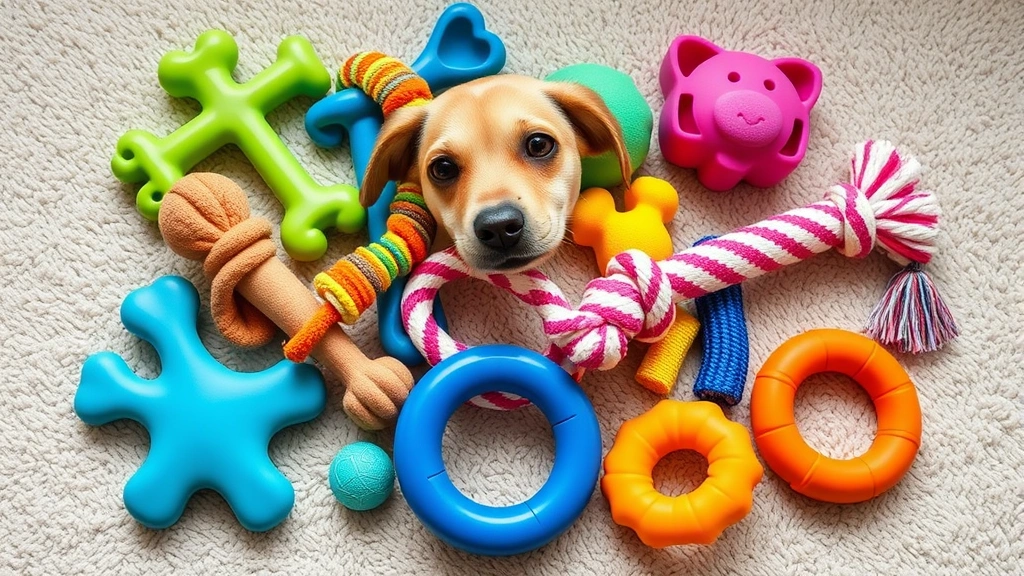
While tooth loss is natural, you can make the experience more comfortable for your furry friend. Provide appropriate chew toys—frozen ones are especially soothing for sore gums. Rope toys, rubber chew toys, and specially designed teething rings can redirect their chewing urges away from your furniture and hands. Avoid hard toys that could damage emerging adult teeth. Some puppies benefit from soft, cool objects to gnaw on. You can also consider pet dietary adjustments during this phase—softer food might feel better on tender gums, though most puppies handle regular kibble just fine.
Adult Tooth Loss: When It’s a Red Flag
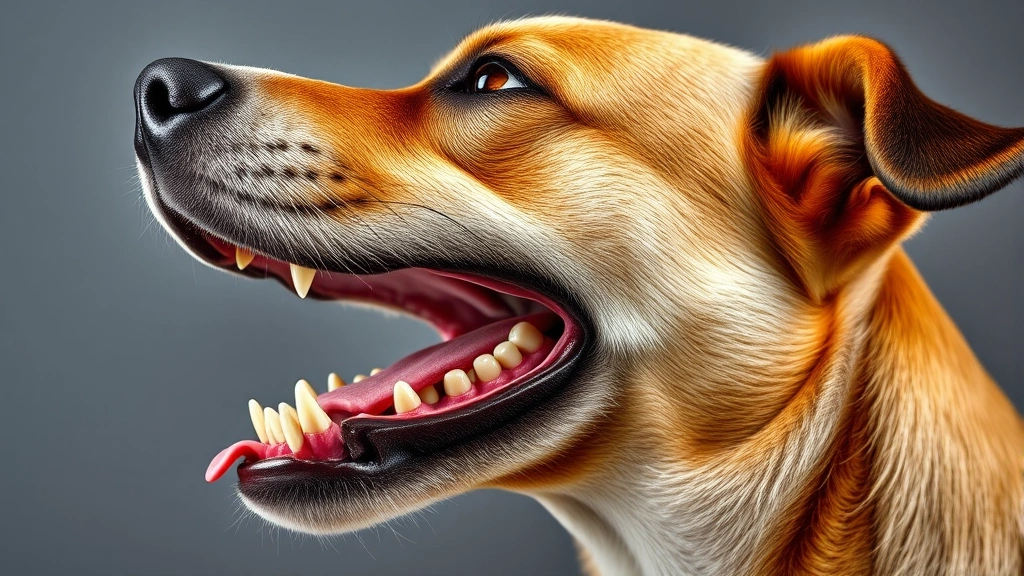
If your adult dog starts losing teeth, something’s amiss. The most common culprit is periodontal disease, which affects nearly 80% of dogs over age three. Poor dental hygiene allows bacteria to accumulate, leading to gum inflammation, infection, and eventually tooth loss. Other causes include trauma, tumors, or severe nutritional deficiencies. Regular dental check-ups help catch problems early. Maintaining good foods for joint health in pets and overall nutrition supports dental health too. If your adult dog loses a tooth, schedule a vet appointment promptly to determine the cause and prevent further damage.
Dental Care: Preventing Future Tooth Loss
The best defense against premature tooth loss is prevention. Start a dental care routine early—ideally, brush your dog’s teeth daily or at least several times a week. Use dog-specific toothpaste (human toothpaste contains fluoride that’s harmful to dogs). Professional dental cleanings by your vet, typically recommended annually for most dogs and more frequently for seniors, remove tartar buildup that brushing can’t reach. Dental treats and toys designed to reduce plaque are helpful supplements to brushing. A balanced diet rich in appropriate nutrients supports gum health and tooth strength.
Special Considerations for Different Dog Breeds
Some breeds are more prone to dental issues than others. Small breeds like Chihuahuas and Yorkshire Terriers often experience crowding and retained baby teeth. Large breeds like German Shepherds and Labradors generally have more space for teeth but can still develop periodontal disease. Brachycephalic breeds (flat-faced dogs like Bulldogs and Pugs) face unique challenges due to their jaw structure. Knowing your breed’s predispositions helps you stay proactive. Your vet can provide breed-specific recommendations for maintaining dental health throughout your dog’s life.
Age-Related Tooth Loss in Senior Dogs
As dogs age, tooth loss becomes more common, even with excellent care. Senior dogs’ gums naturally recede, and years of wear can take a toll. However, losing multiple teeth shouldn’t be considered inevitable aging. Many senior dogs keep their natural teeth well into their golden years with proper care. If your senior dog loses teeth, discuss nutritional adjustments with your vet. Pet diet transition advice becomes especially important—your dog might benefit from softer food or specialized senior formulas. Don’t assume tooth loss is just “part of getting old”—it often indicates an underlying issue worth addressing.
What Happens If Your Dog Loses All Their Teeth?
Dogs can absolutely live without teeth! While it’s not ideal, toothless dogs adapt remarkably well. They can still eat, though they might prefer softer foods or kibble softened with water or broth. Their quality of life doesn’t dramatically suffer, though they lose the ability to chew toys and might have slightly reduced ability to defend themselves (relevant only for dogs in high-risk situations). Prevention is always preferable, but if your dog does lose teeth, don’t despair—they’ll manage just fine with proper nutrition and care.
Frequently Asked Questions
At what age do puppies lose all their baby teeth?
Puppies typically lose all 28 baby teeth and have their complete set of 42 adult teeth by 6-7 months of age. The process begins around 12-16 weeks and progresses gradually, with different teeth falling out at different times.
Is it normal to find puppy teeth around the house?
Absolutely! Many puppy parents find tiny teeth on carpets, in food bowls, or in toys. Some puppies swallow their baby teeth without their owners ever noticing. Both scenarios are completely normal and nothing to worry about.
Should I be concerned if my puppy’s baby tooth doesn’t fall out?
If your puppy still has baby teeth at 7+ months alongside adult teeth, contact your vet. Retained baby teeth can cause crowding and misalignment. Your vet might recommend extraction to prevent future dental problems.
Can I help loosen my puppy’s baby teeth?
Don’t try to pull out loose teeth yourself—let them fall out naturally. Provide appropriate chew toys, frozen toys, and rope toys to satisfy their urge to chew. If a tooth seems stuck after 7+ months, your vet can help.
Why is my adult dog losing teeth?
Adult dogs shouldn’t lose teeth naturally. Common causes include periodontal disease, trauma, tumors, or severe nutritional deficiencies. Schedule a vet appointment to determine the cause and prevent further tooth loss.
How can I prevent my dog from losing teeth as they age?
Brush your dog’s teeth regularly, schedule professional dental cleanings, provide dental treats and toys, maintain a balanced diet, and have regular vet check-ups. These preventive measures significantly reduce the risk of premature tooth loss.
Conclusion: Supporting Your Dog’s Dental Health
So, do dogs lose teeth? Yes—puppies definitely do, and it’s a completely normal part of their development. Understanding the timeline, recognizing the signs, and providing appropriate support makes the teething phase easier for both you and your pup. For adult dogs, tooth loss is a warning sign that deserves attention. By establishing good dental habits early and maintaining them throughout your dog’s life, you can help your furry friend keep their natural teeth and enjoy a healthy, pain-free mouth for years to come. Whether you’re dealing with a teething puppy or an aging senior, prioritizing dental care is one of the best investments you can make in your dog’s overall health and happiness.





