
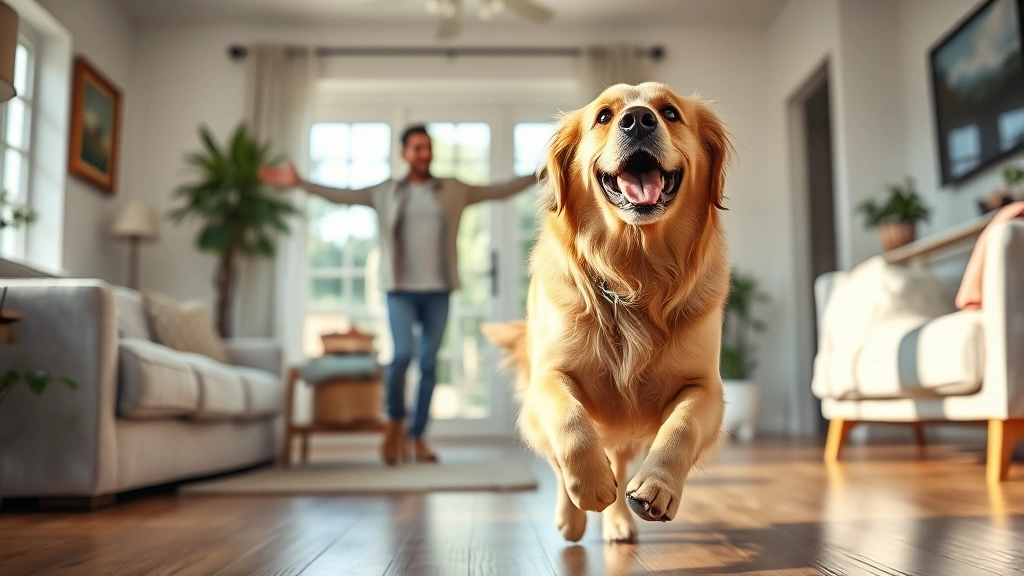
Do dogs miss their owners? If you’ve ever left your pup at home and wondered if they’re thinking about you, you’re not alone—and the answer might surprise you more than your dog surprises you with that guilty face when you come home.
Table of Contents
- The Science Behind Canine Attachment
- How Long Do Dogs Remember Their Owners?
- The Behavioral Signs Your Dog Misses You
- Separation Anxiety vs. Normal Missing Behavior
- How Dogs Perceive Time and Absence
- Breed Differences in Missing Behavior
- The Reunion Effect: What Science Says
- Factors That Affect How Much Your Dog Misses You
- Making Your Absence Easier on Your Dog
- Do Different Dog Breeds Miss Their Owners Differently?
- The Emotional Intelligence of Dogs
- External Research and Expert Opinions
- Frequently Asked Questions
- The Bottom Line: Yes, Your Dog Misses You
The short answer is yes, dogs absolutely miss their owners. But here’s where it gets interesting: how they miss you, why they miss you, and what that actually means for your furry best friend is backed by legitimate neuroscience, behavioral studies, and some genuinely heartwarming research that’ll make you feel way less guilty about that time you had to work late.
The Science Behind Canine Attachment
When researchers started digging into whether dogs actually experience missing their owners, they discovered something wild: dogs’ brains release oxytocin—the same “love hormone” that bonds humans to their babies—when they’re around their owners. This isn’t just cute fluff; it’s actual neurochemistry.
Studies from places like Emory University have shown that dogs’ brains light up in response to their owners’ scents the same way human brains respond to loved ones. Your dog isn’t just recognizing you as “the food dispenser”—they’re experiencing genuine emotional attachment. When you leave, that chemical reward system doesn’t just disappear. It creates a real longing.
The separation anxiety that many dogs experience isn’t them being dramatic (okay, sometimes it is). It’s their brain literally missing the neurochemical reward of your presence. Pretty wild, right?
How Long Do Dogs Remember Their Owners?
Here’s something that’ll hit you in the feels: dogs have excellent long-term memory when it comes to their owners. Research suggests that dogs can remember their owners for years, even after extended periods apart.
There are countless stories of dogs reuniting with owners after months or even years of separation, and their reactions tell the whole story. The tail wagging, the jumping, the excited whining—that’s not just recognition. That’s genuine joy at being reunited with someone they’ve been missing.
One famous case involved a dog named Laika who was reunited with her owner after being lost for nearly 10 years. Her reaction was immediate and unmistakable. She remembered. She had missed him. And she showed it with every fiber of her being.
The Behavioral Signs Your Dog Misses You
If you’re wondering whether your specific dog misses you, watch for these telltale signs:
Greeting rituals: That absolutely bonkers greeting you get when you come home? That’s not just excitement about the present moment. That’s your dog expressing how much they missed you during your absence.
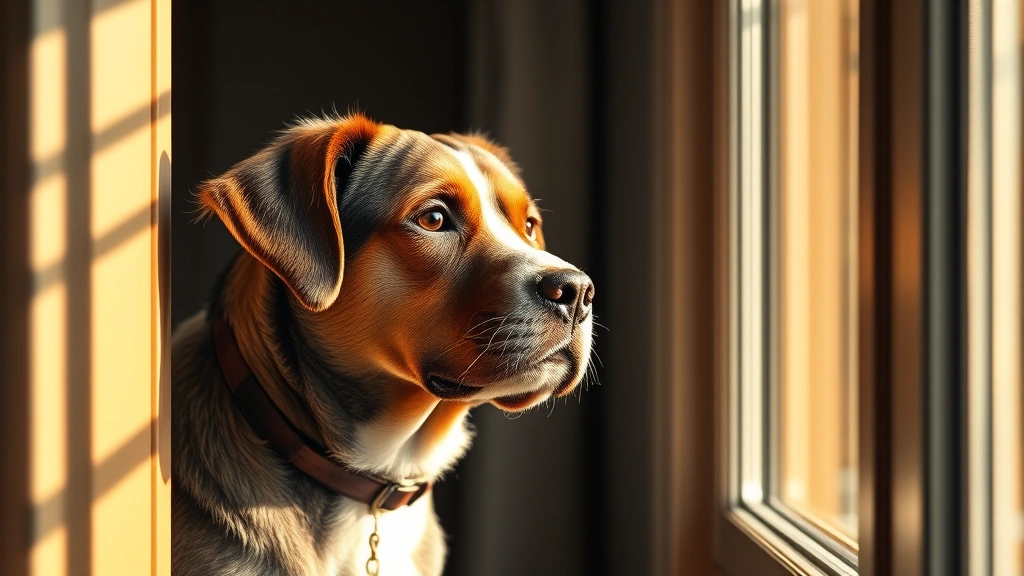
Destructive behavior: Dogs left alone often chew furniture, dig at doors, or have accidents in the house. This isn’t spite—it’s anxiety stemming from missing their owner and the security they provide.
Following you around: If your dog is basically your shadow when you’re home, they’re trying to stay close to the person they missed while you were gone.
Excessive greeting behaviors: Some dogs will whine, bark, or jump persistently when you arrive home. This is their way of expressing that they’ve been missing you.
Sleeping in your room: Dogs that insist on sleeping near you are seeking comfort and closeness from the person they’re most attached to.
Separation Anxiety vs. Normal Missing Behavior
There’s an important distinction here: missing you and separation anxiety are related but different. All dogs miss their owners to some degree, but not all dogs develop separation anxiety.
Normal missing behavior looks like: greeting you enthusiastically, maybe some mild whining when you leave, and general happiness when you return.
Separation anxiety looks like: destructive behavior, excessive barking or howling, house soiling despite being housetrained, self-injury, and genuine panic when you leave. If your dog exhibits these signs, it’s worth talking to a vet or animal behaviorist.
You can help manage separation anxiety by using remote pet health monitoring devices to check in on your dog, gradually acclimating them to longer periods alone, and creating a safe space where they feel secure. Some dogs also benefit from anxiety medications prescribed by a veterinarian.
How Dogs Perceive Time and Absence
Here’s something fascinating: dogs don’t experience time the way we do. A study from the University of Bristol found that dogs can’t tell the difference between you being gone for 30 minutes versus 5 hours—at least not in the way humans would.
However, they absolutely experience the *feeling* of missing you. It’s not about counting minutes; it’s about the absence of someone they’re emotionally bonded to. Your dog might not know you’ve been gone for 8 hours, but they know you weren’t there, and they notice that.
This is actually good news if you feel guilty about work or errands. Your dog isn’t sitting there clock-watching and getting increasingly angry. They’re just experiencing the absence and the joy of your return.
Breed Differences in Missing Behavior
Some breeds are more prone to showing that they miss their owners than others. Velcro dogs—breeds like Golden Retrievers, Labrador Retrievers, and German Shepherds—are notorious for their intense attachment to their owners. These breeds were often developed to work closely with humans, so their desire to be near you is literally bred into them.
Other breeds, like some independent hounds or cats-that-think-they’re-dogs, might show less obvious signs of missing you. But don’t mistake independence for lack of attachment. Even aloof dogs miss their owners; they just show it differently.
If you’re considering getting a dog and you work long hours, researching breed temperament can help you find a match that suits your lifestyle.
The Reunion Effect: What Science Says
Researchers have studied the reunion between dogs and their owners extensively. What they’ve found is pretty heartwarming: dogs show measurable physiological changes when reunited with their owners, including increased heart rate, elevated cortisol levels (stress hormone), and increased oxytocin (bonding hormone).
This cocktail of neurochemicals creates the enthusiastic, sometimes slightly frantic reunion behavior you see. Your dog isn’t just happy to see you; their entire body chemistry is responding to your return.
The reunion effect is strongest with dogs that have strong bonds with their owners and longer separation periods. A dog that’s been missing you all day will have a more intense reunion response than a dog that was just separated from you for 10 minutes.
Factors That Affect How Much Your Dog Misses You
Age: Puppies and senior dogs often miss their owners more intensely than adult dogs. Puppies are still forming attachments, and senior dogs have often spent most of their lives with their owners.
Early socialization: Dogs that were well-socialized as puppies and have secure attachment styles tend to handle separation better, but they also miss their owners more genuinely because they have secure bonds.
Previous trauma: Dogs that have experienced abandonment or neglect may have more intense reactions to separation, sometimes manifesting as severe separation anxiety.
Your routine: If you have a consistent routine, your dog adjusts better to your absences. If your schedule is chaotic, your dog never knows when to expect you, which can increase anxiety.
Environmental enrichment: Dogs with toys, mental stimulation, and maybe even a dog walker or daycare companion may show fewer signs of missing you because they’re occupied. But they still miss you—they’re just distracted.
Making Your Absence Easier on Your Dog
If you’re worried about your dog missing you while you’re away, here are some evidence-based strategies:
Create a safe space: A crate, room, or designated area where your dog feels secure can help them manage separation anxiety.
Use puzzle toys: Mental stimulation can help occupy your dog’s mind and reduce the focus on your absence.
Leave your scent: An unwashed shirt or blanket with your smell can be comforting to your dog while you’re gone.
Practice short departures: Gradually increase the time you’re away so your dog learns that you always come back.
Consider dog daycare: If your dog is social, spending time with other dogs can reduce the intensity of missing you.
Maintain consistent routines: Predictability helps dogs feel secure and manage separation better.
For dogs with more serious concerns, consulting with a veterinarian about nutrition and supplements that support anxiety can also help.
Do Different Dog Breeds Miss Their Owners Differently?
Absolutely. While all dogs miss their owners to some degree, the intensity and expression vary significantly by breed and individual personality.

Companion breeds like Cavalier King Charles Spaniels are literally bred to be lap dogs, so they miss their owners intensely and show it openly. Working breeds like Border Collies miss their owners but can redirect that energy into activities and tasks. Independent breeds like Siberian Huskies might miss their owners but are more likely to entertain themselves.
Individual personality matters too. Some dogs are just more emotionally expressive than others, regardless of breed. Your dog’s history, temperament, and bond with you all play a role in how much they miss you and how obviously they show it.
The Emotional Intelligence of Dogs
Recent research has shown that dogs possess emotional intelligence that’s more sophisticated than we previously thought. They can read human emotions, respond to them, and even seem to empathize with their owners’ feelings.
This emotional sophistication means that your dog’s missing you isn’t just a simple “owner is gone, I’m sad” response. It’s a complex emotional experience that involves memory, anticipation, and genuine affection. Your dog remembers you, misses specific aspects of your presence (your voice, your touch, your routine together), and genuinely looks forward to your return.
This is why the reunion is so important. It’s not just a greeting; it’s a reaffirmation of the bond between you and your dog.
External Research and Expert Opinions
The American Kennel Club has published extensive research on dog attachment and separation behavior, confirming that dogs do indeed miss their owners and that this is a normal, healthy part of the human-dog bond.
PetMD experts have noted that while all dogs miss their owners to varying degrees, the key is understanding your individual dog’s needs and managing their environment to reduce unnecessary anxiety.
Research from animal behavior departments at universities like the University of Pennsylvania has shown that the dog-human bond is neurologically similar to parent-child bonds in humans, which explains why dogs miss their owners so intensely.
Frequently Asked Questions
How long can a dog remember their owner?
Dogs can remember their owners for years, potentially their entire lives. Long-term memory in dogs is strong, especially for people they’re emotionally bonded to. Even after extended separations, most dogs will recognize and remember their owners.
Is it bad to leave your dog alone?
It’s not inherently bad to leave your dog alone for reasonable periods. Dogs can learn to manage solitude. However, extended daily absences (8+ hours regularly) can lead to separation anxiety and behavioral problems. Most experts recommend that adult dogs shouldn’t be left alone for more than 8-10 hours regularly, and puppies need more frequent breaks.
Can dogs forget their owners?
Dogs rarely forget their owners completely, especially if they’ve spent significant time with them. However, if a dog is separated from an owner during a critical developmental period (like puppyhood) or hasn’t spent much time with them, the memory may be weaker. Dogs who were never strongly bonded to an owner may not “miss” them in the way dogs with strong attachments do.
Why does my dog act weird when I come home?
That weird behavior—jumping, spinning, excessive barking—is your dog expressing excitement and relief at your return. They’ve been missing you, and the reunion triggers a surge of hormones and emotions. It’s their way of saying “I’m so happy you’re back!”
Do dogs miss other dogs?
Yes, dogs can miss other dogs, especially if they’ve lived together or spent significant time together. Dogs form bonds with other dogs, and separation from a canine companion can cause genuine distress. If you have multiple dogs, keeping them together or managing their separations carefully is important.
How do I know if my dog has separation anxiety?
Signs of separation anxiety include destructive behavior (especially near doors or windows), excessive barking or howling when you leave, house soiling despite being housetrained, self-injury, panting, drooling, or pacing. If your dog exhibits these behaviors, consult a veterinarian or certified animal behaviorist.
The Bottom Line: Yes, Your Dog Misses You
Do dogs miss their owners? Absolutely, yes. The science is clear, the behavioral evidence is overwhelming, and if you’ve ever seen your dog’s face light up when you come home, you already knew it in your heart.
Your dog misses you because they love you. They’re neurologically wired to bond with you, to seek your presence, and to experience genuine joy when you’re together. That bond is real, it’s measurable, and it’s one of the most beautiful aspects of having a dog in your life.
The guilt you feel about leaving your dog? That’s actually a sign that you care about their emotional well-being. Just remember that moderate absences are normal and healthy. Your dog can learn to manage them, and the reunion will be all the sweeter for it.
So next time you’re heading out the door and your dog gives you those eyes, know that yes, they’ll miss you—but they’ll also be thrilled when you come back. And that’s pretty special.





