
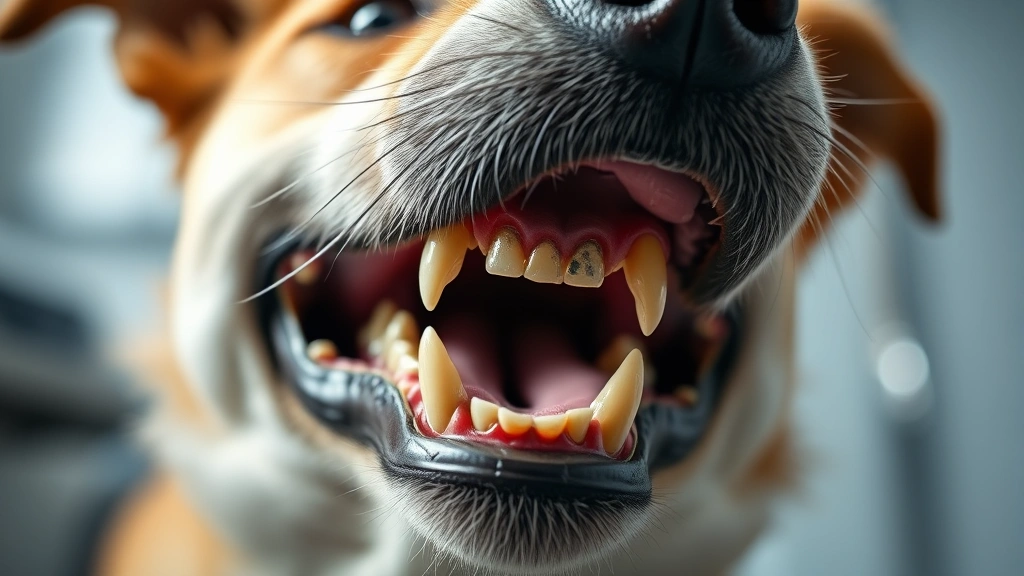
Yes, do dogs need braces? The short answer is: sometimes, but probably not for the reasons you think. Unlike humans obsessing over Instagram-perfect smiles, dogs don’t need orthodontics for vanity. However, veterinary dentists do recommend braces for specific health and functional issues that can seriously impact your pup’s quality of life. Let’s dive into the nitty-gritty of canine orthodontics and figure out if your furry friend might be a candidate.
Table of Contents
- Understanding Canine Dental Problems That Might Require Braces
- When Veterinary Braces Become Necessary
- The Types of Braces Available for Dogs
- The Timeline: How Long Do Dogs Wear Braces?
- Cost Considerations for Canine Orthodontics
- Alternatives to Traditional Braces
- Breed-Specific Dental Concerns
- The Recovery and Aftercare Process
- Potential Risks and Complications
- When Braces Aren’t Worth It
- Finding a Qualified Veterinary Dentist
- Frequently Asked Questions
- Making the Final Decision
Understanding Canine Dental Problems That Might Require Braces
Dogs can develop misaligned teeth just like humans do. The most common issues include overbites, underbites, crossbites, and crowded teeth. These aren’t just cosmetic problems—they can affect how your dog eats, chews, and even breathes. When teeth don’t align properly, your pup might experience pain while eating, difficulty chewing food thoroughly, and increased risk of dental disease. Some dogs develop what’s called a “malocclusion,” which is a fancy term for teeth that don’t meet correctly when the mouth closes. This can lead to teeth rubbing against the gums or roof of the mouth, causing discomfort and potential injury.
When Veterinary Braces Become Necessary
Your veterinary dentist might recommend braces if your dog has severe malocclusion affecting eating, breathing, or causing pain. The most critical cases involve teeth that grow into the roof of the mouth or gums, creating wounds and infection risks. If you notice your dog drooling excessively, dropping food while eating, or showing signs of mouth pain, it’s time to schedule a virtual pet checkup or in-person dental evaluation. Some breeds are predisposed to dental issues—flat-faced breeds like Bulldogs and Pugs are notorious for bite problems, while toy breeds often suffer from crowded teeth due to their tiny jaws.
The Types of Braces Available for Dogs
Canine orthodontics has evolved significantly. Veterinarians now use several options including traditional metal brackets and wires (yes, really), acrylic splints, and removable appliances. Metal braces work similarly to human braces but are custom-fitted for your dog’s mouth. Acrylic splints are bonded to teeth to guide them into better alignment over time. Some vets use removable appliances that owners can take in and out, though this requires serious compliance and training. The most common and effective option remains the traditional bracket-and-wire system, which can cost anywhere from $1,500 to $3,000 depending on complexity and your location.
The Timeline: How Long Do Dogs Wear Braces?
Unlike humans who might wear braces for 2-3 years, dogs typically need them for 6-12 months. The shorter timeline is partly because dog teeth move faster and partly because veterinarians design treatment plans specifically for canine physiology. Your vet will schedule regular adjustment appointments every 4-6 weeks to tighten wires and monitor progress. The entire process requires commitment from pet owners—you’ll need to keep up with dental hygiene, avoid hard chews that could damage the braces, and ensure your pup doesn’t try to remove them (yes, some dogs are clever enough to attempt this).
Cost Considerations for Canine Orthodontics
Let’s be real: dog braces aren’t cheap. Initial consultation and treatment planning can run $200-500. The actual braces installation costs $1,500-3,000, with monthly adjustments adding another $100-300 each. If your dog needs extractions or other preparatory work, add another $500-1,500 to the bill. Most pet insurance plans don’t cover orthodontics unless it’s deemed medically necessary rather than cosmetic. Before committing, get quotes from multiple veterinary dentists and ask if they offer payment plans. Some practices provide financing options to make treatment more accessible.
Alternatives to Traditional Braces
Not every dog needs full orthodontic treatment. If your dog has minor misalignment that isn’t causing pain or eating problems, your vet might recommend monitoring rather than intervention. Tooth extraction is sometimes a viable alternative—removing problematic teeth can eliminate pain and prevent further issues, especially in toy breeds with severe crowding. Some vets use selective grinding to smooth sharp edges on misaligned teeth. When to call the vet about food issues becomes especially important if your dog has dental problems, as dietary adjustments might be necessary during treatment. You might also explore healthy snack alternatives for dogs that are gentler on compromised teeth.
Breed-Specific Dental Concerns
Certain breeds are more prone to dental issues requiring orthodontic intervention. Brachycephalic breeds (flat-faced dogs) like Bulldogs, Boxers, and Shih Tzus frequently develop malocclusions due to their skull structure. Toy breeds such as Chihuahuas and Maltese often have crowded teeth in disproportionately small jaws. Large breed dogs sometimes develop open bites where the front teeth don’t touch at all. If you own one of these breeds, discussing preventative dental care with your vet early on is wise. Genetic testing and selective breeding practices are slowly improving these issues, but existing dogs still need proper care.
The Recovery and Aftercare Process
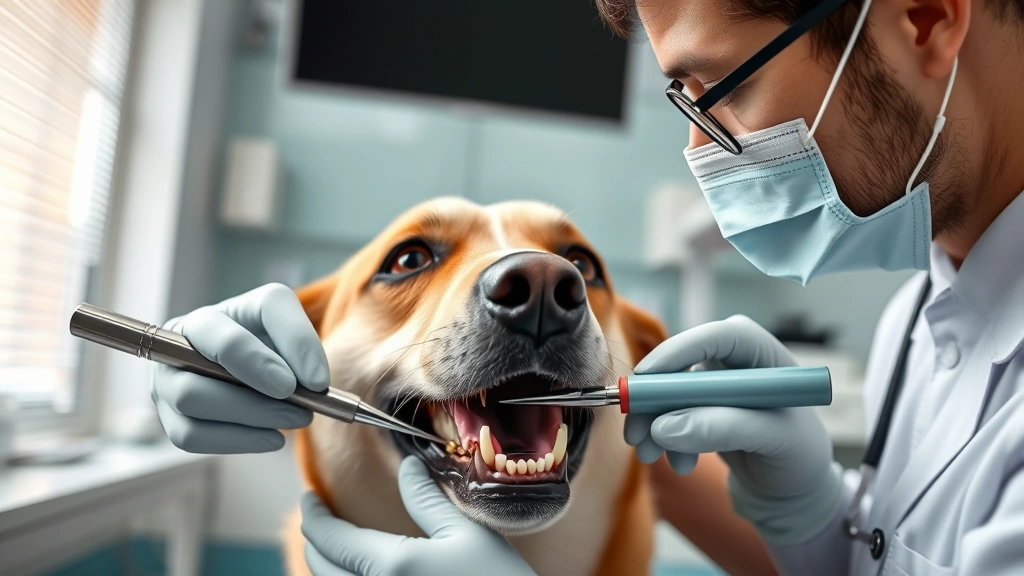
After braces come off, your dog isn’t quite done. Most veterinarians recommend retention appliances (essentially dog retainers) to prevent teeth from shifting back. These might be worn nightly for several months to years, depending on the case. During the active treatment phase, stick to soft foods and avoid hard toys, bones, and crunchy treats that could damage the braces. If your dog is on medication like CarproVet for dogs, continue as prescribed if pain management is part of the treatment plan. Regular dental hygiene becomes even more critical—brush your dog’s teeth daily if possible, or at least several times weekly.
Potential Risks and Complications
While veterinary orthodontics is generally safe, complications can occur. Bracket failure, broken wires, and tooth root damage are possible if your dog is aggressive with chewing or rough play. Some dogs develop allergic reactions to the materials used in braces, though this is rare. Improper bite correction could theoretically lead to TMJ problems, but experienced veterinary dentists minimize this risk through careful treatment planning. Infection around brackets is possible if dental hygiene isn’t maintained. Always choose a board-certified veterinary dentist (look for AVDC credentials) rather than a general practitioner to minimize these risks.
When Braces Aren’t Worth It
Be honest with yourself: does your dog actually need braces? If your pup eats normally, shows no signs of pain, and has no functional problems, cosmetic orthodontics probably isn’t worth the hassle. Dogs don’t care about having crooked teeth—they care about comfort and function. If your dog is elderly or has other health issues, the stress of treatment might outweigh benefits. Some cases of mild misalignment don’t progress or cause problems, so monitoring over time might be the smarter choice than jumping into expensive treatment.
Finding a Qualified Veterinary Dentist
Not all vets are qualified to perform orthodontics. Look for veterinarians with specific training and certification in veterinary dentistry from the American Veterinary Dental College (AVDC). Ask about their experience with cases similar to your dog’s and request before-and-after photos. Check reviews and ask for references from previous patients. A good veterinary dentist will thoroughly examine your dog, take dental radiographs, discuss treatment options honestly, and explain realistic expectations. They should also be willing to discuss why they’re recommending braces versus alternatives.
Frequently Asked Questions
Can puppies get braces?
Puppies can develop misaligned teeth, but most vets wait until permanent teeth are fully erupted (around 7 months old) before considering orthodontic treatment. Some bite problems self-correct as puppies grow, so patience is often recommended initially.
Do dog braces hurt?
Dogs might experience mild discomfort when braces are first applied or adjusted, similar to humans. However, they don’t have the same pain perception as we do. Your vet might recommend pain management during the first week of treatment.
Will my dog’s bite improve on its own?
Some minor bite issues self-correct as dogs grow, particularly in puppies. However, severe malocclusions typically don’t improve without intervention and often worsen over time.
How do I know if my dog needs braces?
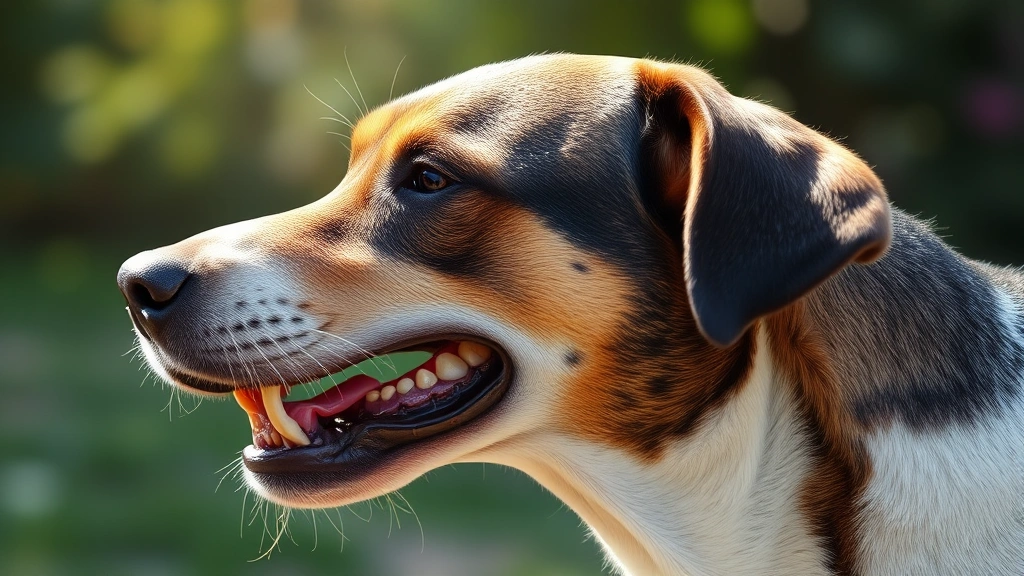
Signs include difficulty eating, excessive drooling, mouth pain, teeth growing into the gums or roof of the mouth, or visible misalignment. Schedule a dental evaluation with your vet if you notice any of these issues.
Are there any breeds that shouldn’t get braces?
Extremely old dogs or those with serious health conditions might not be good candidates due to anesthesia risks. Your vet will assess your individual dog’s health status before recommending treatment.
Can I afford dog braces?
If cost is prohibitive, discuss alternatives with your vet. Tooth extraction, monitoring, or selective grinding might address the underlying problem at lower cost, though they’re not ideal solutions for every case.
Making the Final Decision
Deciding whether your dog needs braces requires honest assessment of their actual health needs versus cosmetic preferences. Work closely with a qualified veterinary dentist who can examine your dog thoroughly and explain treatment options without pushing unnecessary procedures. Consider your dog’s age, overall health, lifestyle, and your financial situation. Sometimes the best choice is monitoring rather than intervention, and that’s perfectly acceptable. Your dog’s comfort and wellbeing matter far more than having a Hollywood smile.
The bottom line: do dogs need braces? Only when functional or health problems justify the time, cost, and effort involved. If your pup is eating well, showing no signs of pain, and living happily with crooked teeth, they’re probably just fine as-is. But if dental misalignment is causing real problems, modern veterinary orthodontics can genuinely improve your dog’s quality of life. Trust your vet’s professional judgment, ask plenty of questions, and make the decision that’s right for your individual furry friend.





