

Do Dogs Purr? Understanding Canine Communication
If you’re a dog owner, you’ve probably wondered about the various sounds and behaviors your furry friend makes. One question that often comes up is: do dogs purr? While we typically associate purring with cats, many dog owners report hearing similar sounds from their canine companions. The answer is more nuanced than a simple yes or no, and understanding what these sounds mean can deepen your connection with your pet.
Dogs communicate in remarkably complex ways, using vocalizations, body language, and physical behaviors to express their emotions and needs. Unlike cats, who purr as a primary form of contentment expression, dogs have developed their own unique repertoire of sounds and actions. Some of these might resemble purring, but they often mean something different. Let’s explore the fascinating world of canine communication and discover what your dog is really trying to tell you.
In this comprehensive guide, we’ll examine whether dogs actually purr, what sounds they make instead, and how to interpret these communications. Whether you’re a new dog parent or a seasoned enthusiast, you’ll gain valuable insights into your pet’s behavior and emotional state.
Do Dogs Actually Purr?
The short answer is: not exactly. Dogs don’t purr in the same way cats do. Cats produce purring through the vibration of their larynx (voice box), which creates that distinctive rumbling sound we associate with feline contentment. Dogs, on the other hand, lack this specialized anatomical feature and cannot replicate this exact sound mechanism.
However, some dogs do produce low-frequency rumbling sounds that can superficially resemble purring. These vocalizations, often called “rumbling,” “grumbling,” or “growling,” serve different purposes than feline purring. Understanding the distinction is crucial for proper canine communication interpretation. Your dog might make these sounds while being petted, playing, or when they’re relaxed, but the meaning and physiological origin differ significantly from cat purring.
Research from the American Kennel Club emphasizes that dogs have evolved unique vocalizations suited to their social structures and communication needs. While they don’t purr, dogs have developed an impressive array of sounds to convey emotions, ranging from whimpers to barks to howls. Each sound carries specific meaning in the canine language.
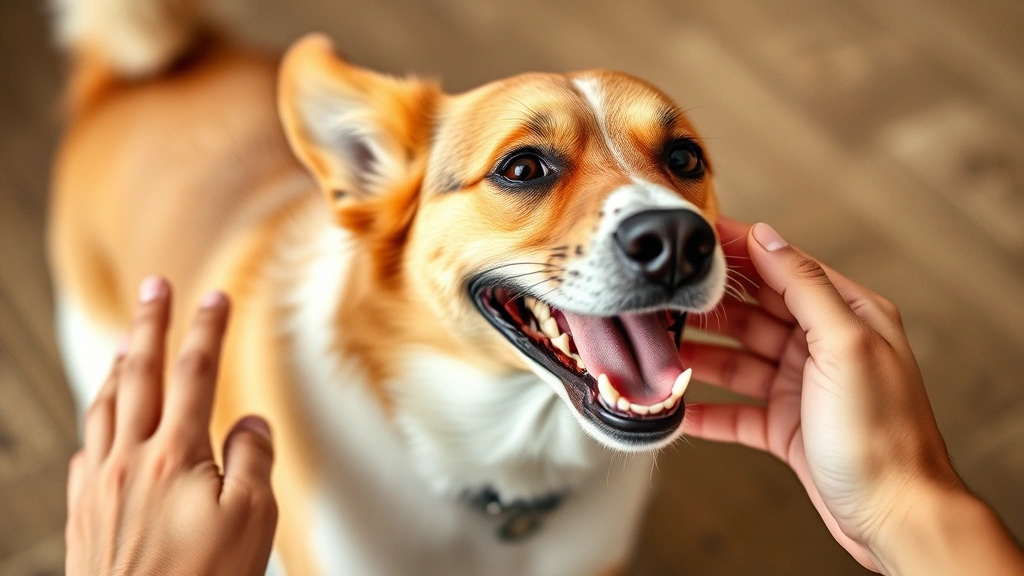
What Sounds Do Dogs Make?
Dogs produce an impressive variety of sounds, each serving a specific communicative purpose. Understanding these vocalizations is essential for any dog owner who wants to truly understand their pet’s emotional state and needs. Let’s break down the primary sounds dogs make and what they typically indicate.
- Barking: The most common dog vocalization, barking can indicate alertness, excitement, fear, or a desire for attention. Different bark pitches and frequencies convey different messages.
- Howling: Often associated with wolves, howling in domestic dogs can signal loneliness, a response to certain sounds, or a form of social bonding.
- Whining: This higher-pitched sound often indicates anxiety, excitement, or a need for something. Puppies particularly use whining to communicate with their mothers.
- Growling: While often perceived as aggressive, growling can also indicate playfulness, discomfort, or a warning. Context is everything when interpreting growls.
- Yelping: A sharp, sudden sound usually indicating pain, surprise, or fear.
- Snoring: Some dogs snore during sleep, which can be completely normal, though excessive snoring in dogs sometimes indicates breathing issues.
Each of these vocalizations serves a purpose in the canine communication system. By learning to distinguish between them, you’ll become much better at understanding your dog’s needs and emotional state. This knowledge helps you respond appropriately and strengthens your bond with your furry companion.
Rumbling, Growling, and Whining
Among the sounds dogs make, rumbling and low-frequency growling are perhaps most often confused with purring. These sounds are particularly interesting because they can indicate contentment, but they can also signal other emotions depending on the context and accompanying body language.
When a dog makes a low rumbling sound while being petted or sitting on your lap, they may indeed be expressing contentment. This is sometimes called a “play growl” or “rumble,” and it’s generally a positive sign. However, the same rumbling sound in a different context—such as when a stranger approaches—might indicate territorial behavior or discomfort.
Whining is another important vocalization to understand. When dogs lick you or whine simultaneously, they’re often expressing a combination of affection and need. Puppies whine to their mothers for food and comfort, and adult dogs may whine to request attention, indicate they need to go outside, or express anxiety. Some dogs are simply more vocal than others, and certain breeds are known for their whining tendencies.

Understanding the context of these sounds is crucial. A dog making rumbling sounds while relaxed in your presence is likely content, whereas the same sound accompanied by a stiff posture and bared teeth indicates potential aggression. Always observe the complete picture of your dog’s body language and situation before interpreting their vocalizations.
Body Language and Communication
While vocalizations are important, dogs rely heavily on body language to communicate. In fact, studies suggest that body language accounts for the majority of canine communication. When trying to understand if your dog is truly content—whether or not they’re making purring-like sounds—pay close attention to their physical signals.
A content dog typically displays several physical indicators: a relaxed posture, soft eyes, a wagging tail, and loose muscles. Their ears are usually in a neutral position, and their mouth may be slightly open in what looks like a smile. These signs, combined with soft vocalizations, clearly indicate a happy, comfortable dog. Conversely, a dog displaying tension, stiff posture, pinned-back ears, or a tucked tail is communicating stress or fear, regardless of any sounds they might be making.
Many dog owners wonder about the connection between physical affection and emotional understanding. Whether dogs like kisses varies by individual, but most dogs appreciate gentle physical contact combined with calm voices and positive body language. The way your dog responds to your affection—through body language—tells you far more about their emotional state than any single vocalization.
Interestingly, the question of whether your dog knows you love them is deeply connected to understanding their communication methods. Dogs recognize love through consistent, gentle interactions and positive reinforcement. They communicate their reciprocal affection through their body language, tail wagging, and the choice to remain close to you.
Signs Your Dog Is Content
Now that we’ve established that dogs don’t purr like cats do, let’s focus on recognizing when your dog is actually content and happy. This is far more useful knowledge than debating whether they purr, as it allows you to accurately gauge your pet’s emotional well-being.
Beyond vocalizations and basic body language, content dogs exhibit several telltale signs:
- Soft eye contact: A dog that makes soft, gentle eye contact while relaxed is showing trust and contentment. This is different from a hard stare, which can indicate aggression or tension.
- Playful behavior: When dogs engage in play—whether with toys, other dogs, or you—they’re expressing happiness and comfort. Play bows, where they stretch their front legs forward while keeping their rear end up, are classic contentment signals.
- Relaxed mouth and tongue: A slightly open mouth with a relaxed tongue, or a gentle panting, often indicates a happy dog. Some dogs even appear to smile when content.
- Seeking proximity: Dogs that want to be near you, especially when they’re not demanding anything specific, are showing contentment and affection. They feel safe and happy in your presence.
- Slow tail wagging: While tail wagging can indicate various emotions, a slow, relaxed wag typically signifies contentment. Fast, stiff wagging can indicate excitement or anxiety.
- Grooming behavior: When dogs groom themselves or attempt to groom you (licking your hands or face gently), they’re often expressing comfort and bonding.
Interestingly, if you’re wondering about comparative pet behavior, research shows that whether cats are smarter than dogs is a complex question, but both species have evolved different communication methods suited to their unique needs. Dogs communicate contentment through multiple channels, while cats rely more heavily on purring.
Health Considerations
Sometimes unusual sounds from your dog warrant attention from a health perspective. While most rumbling and growling is normal communication, excessive or concerning vocalizations can indicate health issues. If you notice your dog making strange sounds they didn’t make before, or if the sounds are accompanied by other behavioral changes, it’s worth investigating.
Excessive snoring in dogs can sometimes indicate breathing problems, obesity, or sleep apnea, particularly in brachycephalic (flat-faced) breeds. Similarly, constant whining can indicate pain, anxiety, or medical issues that need veterinary attention.
According to the ASPCA, any significant change in your dog’s vocalizations should be evaluated by a veterinarian. Changes in vocalization patterns can sometimes indicate pain, cognitive dysfunction (especially in senior dogs), or other medical conditions. Regular veterinary check-ups help ensure your dog’s communication patterns remain healthy and normal.
Additionally, behavioral issues like excessive barking or whining can sometimes be addressed through training and environmental modifications. Working with a professional dog trainer or veterinary behaviorist can help you understand and address problematic vocalizations while maintaining your dog’s emotional well-being.
Frequently Asked Questions
Can dogs purr like cats?
No, dogs cannot purr like cats because they lack the specialized laryngeal apparatus that cats use to produce purring. However, some dogs do make low rumbling sounds that might superficially resemble purring when they’re content or being petted.
What does it mean when my dog makes rumbling sounds?
Rumbling sounds in dogs can indicate contentment, playfulness, or mild growling. The meaning depends on context and accompanying body language. A relaxed dog making soft rumbling sounds while being petted is likely expressing contentment, while the same sound with tense body language might indicate discomfort or warning.
How do I know if my dog is happy?
Happy dogs display several signs: soft eyes, relaxed body posture, a gently wagging tail, playful behavior, and a desire to be near you. They may also make soft vocalizations like whining or low rumbling sounds. The complete picture of their body language is more important than any single vocalization.
Is growling always a sign of aggression?
No, growling is not always aggressive. Dogs growl during play, when uncomfortable, as a warning, or even when content. Context and body language are crucial for interpreting the meaning behind a growl. A play growl typically occurs with a relaxed body and playful behavior, while an aggressive growl is accompanied by stiff posture and bared teeth.
Should I be concerned if my dog doesn’t make many sounds?
Not necessarily. Dogs have different vocalization levels, and some are naturally quieter than others. Certain breeds are known for being less vocal. However, if your dog suddenly becomes much quieter than usual, it could indicate pain or illness, and you should consult your veterinarian.
What should I do if my dog makes excessive whining sounds?
Excessive whining can indicate various issues: need for bathroom breaks, anxiety, pain, or attention-seeking behavior. Identify the trigger by noting when the whining occurs. If it’s associated with behavioral issues, work with a trainer. If you suspect pain or medical issues, consult your veterinarian.
Do all dog breeds communicate the same way?
While all dogs share basic communication methods, different breeds have varying tendencies. Some breeds are naturally more vocal (like Huskies and Beagles), while others are quieter. Breed history and individual personality also influence how much and how often a dog vocalizes.





