

Do Foxes Attack Dogs? What You Need to Know
If you’re a dog owner living in an area where foxes roam, you’ve probably wondered about the safety of your furry companion. The question of whether foxes attack dogs is one that deserves a thoughtful, evidence-based answer. While foxes are wild animals and should always be treated with caution, the reality of fox-dog interactions is more nuanced than you might think. Understanding fox behavior, recognizing the risks, and implementing proper preventative measures can help keep your pet safe.
Foxes are fascinating creatures that often get a bad reputation. Many dog owners worry about their pets becoming prey, but the truth is that most foxes prefer to avoid confrontation with dogs altogether. However, certain circumstances can increase the likelihood of an encounter turning dangerous. By learning about these situations and taking appropriate precautions, you can significantly reduce any potential risks to your beloved pet.
This comprehensive guide will help you understand the relationship between foxes and dogs, explore the factors that influence their interactions, and provide you with practical strategies to keep your dog safe. Whether you live in a suburban area with occasional fox sightings or in a region where foxes are more common, this information will empower you to make informed decisions about your dog’s outdoor time.
Understanding Fox Behavior and Nature
To properly address whether foxes attack dogs, it’s essential to first understand what foxes are and how they behave in the wild. Foxes are often misunderstood animals, and many people wonder about their classification. If you’ve ever asked yourself “is a fox a dog or a cat,” you’re not alone. The answer is that foxes are actually canids, meaning they’re part of the dog family, though they’re distinctly different from domesticated dogs.
Foxes are highly intelligent, adaptable predators that have evolved over thousands of years to survive in diverse environments. They’re generally solitary or live in small family groups, unlike the pack mentality often attributed to them in popular culture. Their primary hunting strategy involves stealth, speed, and precision rather than brute force. Foxes typically hunt small prey like rodents, rabbits, and insects, which make up the bulk of their diet.
One of the most important things to understand about fox behavior is that they are naturally cautious animals. Foxes have evolved to avoid larger predators and threats, which includes most dogs. Their instinct is typically to flee rather than engage in combat. This fundamental aspect of fox nature is crucial to understanding why attacks on dogs are actually quite rare, despite the common fears many pet owners have.
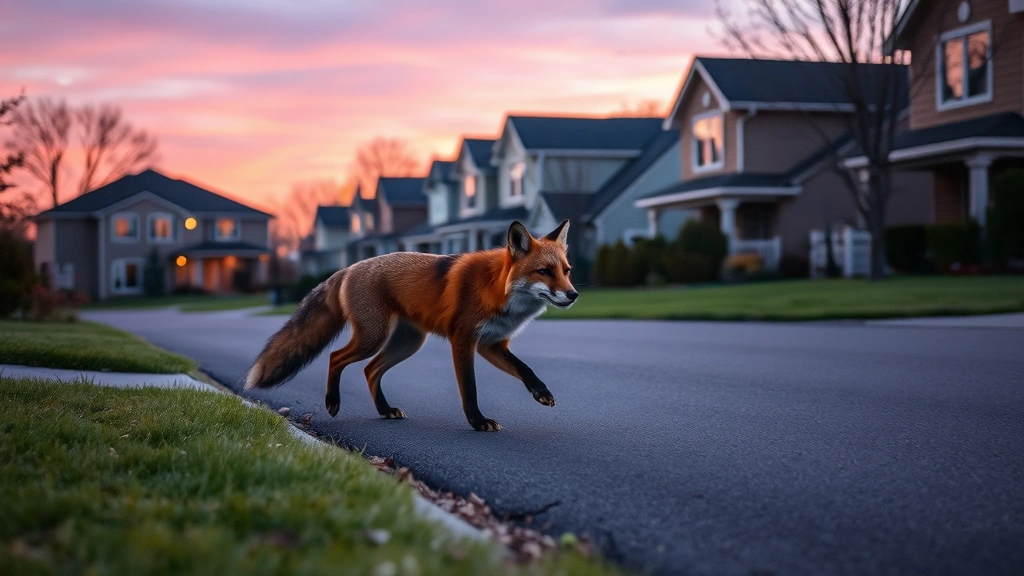
Foxes are crepuscular, meaning they’re most active during dawn and dusk. This is an important detail for dog owners, as it means your pet is at slightly higher risk during these times if left unsupervised outdoors. However, foxes can and do hunt during other times of day, particularly during winter months when food is scarce or when they’re raising young kits.

Do Foxes Actually Attack Dogs?
The straightforward answer is yes, foxes can and occasionally do attack dogs, but such incidents are relatively uncommon. According to research from wildlife management organizations, documented fox attacks on dogs are far less frequent than many people assume. Most interactions between foxes and dogs end without any physical contact at all.
When foxes do engage with dogs, the outcome depends on several variables including the dog’s size, the fox’s hunger level, and whether the fox feels threatened. In most cases, foxes will avoid confrontation with dogs, especially larger breeds. Smaller dogs, particularly those under 10 pounds, are at greater risk, but even these incidents are statistically uncommon in most areas.
It’s worth noting that animal welfare organizations receive relatively few reports of fox attacks on pets compared to other wildlife incidents. This suggests that while the risk exists, it’s not as prevalent as media coverage might suggest. The sensational nature of wildlife attacks means they receive disproportionate attention, which can skew public perception of how common these events actually are.
The distinction between an attack and a defensive encounter is also important. If a fox feels cornered or threatened by a dog, it may defend itself aggressively. This is not necessarily a predatory attack but rather a survival response. Understanding this difference helps pet owners better assess and mitigate genuine risks.
Factors That Increase Attack Risk
Several specific circumstances can increase the likelihood of a fox attacking a dog. Understanding these factors allows you to recognize high-risk situations and take appropriate precautions.
Breeding Season and Protective Behavior: During spring months when foxes are raising kits, they become more territorial and protective. A mother fox will defend her young against perceived threats, including dogs. If a dog gets too close to a fox den, the risk of an aggressive response increases significantly. This is one of the few situations where foxes are most likely to initiate confrontation.
Food Scarcity: During winter or in areas where natural prey is limited, foxes may become more aggressive in pursuing alternative food sources. A small dog left outdoors could potentially be viewed as prey under these circumstances, though this scenario remains relatively rare.
Habituation to Human Presence: Foxes that have become accustomed to human environments and are regularly fed by people lose their natural fear of humans and pets. These habituated foxes are more likely to approach dogs and may be bolder in their interactions.
Dog Behavior and Size: How your dog behaves plays a crucial role in fox interactions. Dogs that chase or display aggressive behavior toward foxes are more likely to provoke a defensive response. Conversely, dogs that remain calm and don’t pursue are generally left alone.
Size and Breed Considerations
Size is perhaps the most significant factor in determining whether a fox would attempt to attack a dog. Most adult foxes weigh between 10-15 pounds, which means they’re roughly equivalent in size to a medium-small dog. This size differential is crucial for understanding attack risk.
Dogs under 10 pounds are at the highest risk, as they fall within the size range where a fox might view them as potential prey. Toy breeds, small terriers, and toy poodles are statistically at greater risk than larger dogs. However, even small dogs rarely become victims because foxes prefer easier prey like rabbits and rodents.
Large dogs, particularly those over 30 pounds, are virtually never targets for fox predation. In fact, if you’re curious about “what is the most dangerous dog,” the answer in terms of wildlife interactions is often a large, aggressive dog, which poses far greater danger to foxes than vice versa. Large dogs are more likely to chase and injure foxes than to be harmed by them.
Breed temperament also matters. Dogs with strong prey drives may be more likely to chase foxes, which could result in a dangerous encounter. Conversely, calm, well-trained dogs that respond to commands are less likely to engage in risky behavior around wildlife.
Signs of Fox Activity Near Your Home
Being able to recognize signs of fox presence in your area helps you take appropriate protective measures for your dog. Learning to identify these indicators is an important part of responsible pet ownership in areas where foxes live.
Visual Signs: Actual fox sightings are the most obvious indicator of fox activity. Foxes have distinctive features including a pointed snout, bushy tail, and reddish-brown coloring in most regions. If you see a fox near your home, it doesn’t necessarily mean danger, but it does warrant increased vigilance regarding your pet’s outdoor time.
Scat and Tracks: Fox droppings are smaller than dog feces and often contain hair or seeds. Fox tracks show four toes and claw marks, appearing almost cat-like in their precision. These signs indicate fox activity in your area.
Prey Remains: If you find remnants of small animals like rabbits or birds in your yard, foxes may be hunting nearby. Just as dogs can protect chickens from opossums, they might also help deter foxes, though this is not a reliable strategy for pet protection.
Dens and Burrows: Foxes often use abandoned groundhog or rabbit burrows as dens. If you notice a hole about three inches in diameter with a worn path leading to it, a fox den may be nearby. Spring is when foxes are most likely to be at dens with young.
Nocturnal Sounds: Foxes make distinctive vocalizations including barks, screams, and yips. These sounds are often mistaken for dogs but have a different quality. Hearing these sounds indicates active foxes in your area.
Protecting Your Dog from Foxes
Now that you understand the risks, implementing protective measures is the best way to ensure your dog’s safety. These strategies are practical, effective, and don’t require extreme measures.
Supervision and Timing: The most effective protection is active supervision. Always supervise your dog when outdoors, particularly during dawn and dusk when foxes are most active. Bring your dog inside during these times if possible, or ensure constant visual contact if your dog must be outside.
Secure Fencing: Install sturdy fencing that’s at least 6 feet tall. Foxes are excellent jumpers and can scale many standard fences, but a combination of height and proper construction can deter most foxes. Ensure fencing extends underground by at least 12 inches, as foxes are also skilled diggers. This strategy aligns with general principles of “how to keep dogs out of your yard,” as secure fencing benefits both pet containment and wildlife deterrence.
Remove Attractants: Foxes are drawn to areas with abundant food sources. Secure garbage cans, remove pet food from outdoors, and don’t leave food out for other wildlife. Fallen fruit from trees should be cleaned up promptly. These actions also help prevent other wildlife problems in your yard.
Motion-Activated Lights and Noise: Foxes are wary of sudden lights and sounds. Installing motion-activated lighting or noise devices can effectively deter foxes from approaching your property. Many foxes will avoid areas where they feel exposed or where sudden stimuli might occur.
Scent Deterrents: While foxes have a keen sense of smell, certain scents can deter them. Interestingly, understanding “what smells do dogs hate” can help you identify scents that might also bother foxes, such as strong ammonia or citrus. Commercial fox repellents containing these scents are available, though their effectiveness varies.
Vaccinations and Health: Ensure your dog is current on all vaccinations, particularly rabies. Foxes can carry rabies and other diseases transmissible to dogs. Regular veterinary checkups are essential for any dog, but especially those with potential wildlife exposure.
Training and Recall: A well-trained dog with reliable recall commands is far safer in fox territory than an untrained dog. Teaching your dog to come immediately when called could literally save its life if a fox encounter occurs. Positive reinforcement training is highly effective for building strong recall responses.
What to Do If You Encounter a Fox
Despite your best efforts at prevention, you might still encounter a fox while walking your dog or in your yard. Knowing how to respond appropriately in these situations is crucial for everyone’s safety.
Stay Calm and Don’t Run: If you see a fox, the worst thing you can do is panic or run. Running can trigger a chase response in the fox. Instead, remain calm and composed. Your dog will take cues from your behavior, so projecting calm confidence helps keep your dog from becoming overly anxious or aggressive.
Back Away Slowly: Increase distance between yourself, your dog, and the fox by slowly backing away. Don’t turn your back on the fox or make sudden movements. Most foxes will retreat as you increase distance, as they naturally prefer to avoid confrontation.
Make Yourself Appear Large: If the fox doesn’t retreat, try to make yourself appear larger by raising your arms or opening your jacket. This can intimidate the fox and encourage it to leave. Speak in a firm, loud voice without screaming, which might startle your dog.
Protect Your Dog: If a fox approaches your dog aggressively, pick up small dogs if possible. For larger dogs, position yourself between your dog and the fox if safe to do so. Never let your dog chase the fox, as this could lead to a dangerous situation.
Report Aggressive Foxes: If a fox displays unusual aggression or lack of fear toward humans, contact your local animal control or wildlife management agency. This behavior suggests habituation and potential danger to the community. These agencies can take appropriate action to address the problem.
Seek Medical Attention: If your dog is bitten or scratched by a fox, seek veterinary attention immediately. Even minor wounds can become infected or transmit diseases. Your veterinarian can assess the injury and provide appropriate treatment, including antibiotics if needed.
Frequently Asked Questions
How often do foxes actually attack dogs?
Fox attacks on dogs are statistically uncommon. Most animal control agencies report very few confirmed fox attacks on pets annually. The exact frequency varies by region, but in most areas, the risk is quite low compared to other wildlife-related incidents or even dog-on-dog injuries. Your dog is far more likely to be injured by another dog than by a fox.
What size dog is safe from foxes?
Dogs over 30 pounds are rarely targeted by foxes for predation. However, even smaller dogs are relatively safe if properly supervised. The combination of supervision, secure fencing, and proper training provides excellent protection regardless of dog size. Small dogs under 10 pounds are at highest risk, but this risk remains low in absolute terms.
Can a fox kill a medium-sized dog?
While a fox could theoretically injure a medium-sized dog, a healthy adult dog of 20+ pounds has significant advantages in any confrontation with a fox. The fox’s natural inclination would be to flee rather than engage in a prolonged fight. Most foxes avoid confrontation with dogs larger than themselves.
Are foxes more dangerous than coyotes?
Coyotes are generally more dangerous to dogs than foxes. Coyotes are larger, hunt in packs, and are more likely to view dogs as threats or prey. If you live in an area with coyote populations, your dog faces greater risk from coyotes than from foxes. However, the same protective measures that work against foxes also help protect against coyotes.
What should I do if my dog shows signs of loving a fox?
If your dog seems friendly toward a fox, discourage this behavior immediately. Teaching your dog to maintain distance from wildlife is crucial for safety. Your dog might not understand the danger, and a seemingly friendly interaction could quickly turn dangerous. Redirect your dog’s attention and reinforce that wildlife should be avoided. Understanding “how to know if your dog loves you” helps you build the trust necessary to have your dog respond to your commands over its natural curiosity about wildlife.
Do foxes hunt during the day?
While foxes are primarily crepuscular, they can hunt during the day, especially in winter or when food is scarce. However, daytime activity is less common than dawn and dusk hunting. Don’t assume your dog is safe during daylight hours, but do recognize that dusk and dawn present higher-risk periods.
Will my dog’s vaccination protect it if bitten by a fox?
Current rabies vaccination provides significant protection, though post-exposure prophylaxis may still be recommended after a bite. Other vaccinations like DHPP help protect against diseases that foxes might carry. However, vaccination is not a substitute for prevention. Avoiding bites in the first place is always preferable to relying on vaccination after exposure.
How can I tell the difference between a fox and a coyote?
Foxes are smaller (10-15 pounds) with pointed ears, slender builds, and distinctive facial markings. Coyotes are larger (25-40 pounds) with broader heads, larger ears, and different vocalizations. If you’re uncertain which animal you’ve seen, contact your local wildlife agency for identification help. Knowing which animal you’re dealing with helps you implement appropriate protective strategies.





