
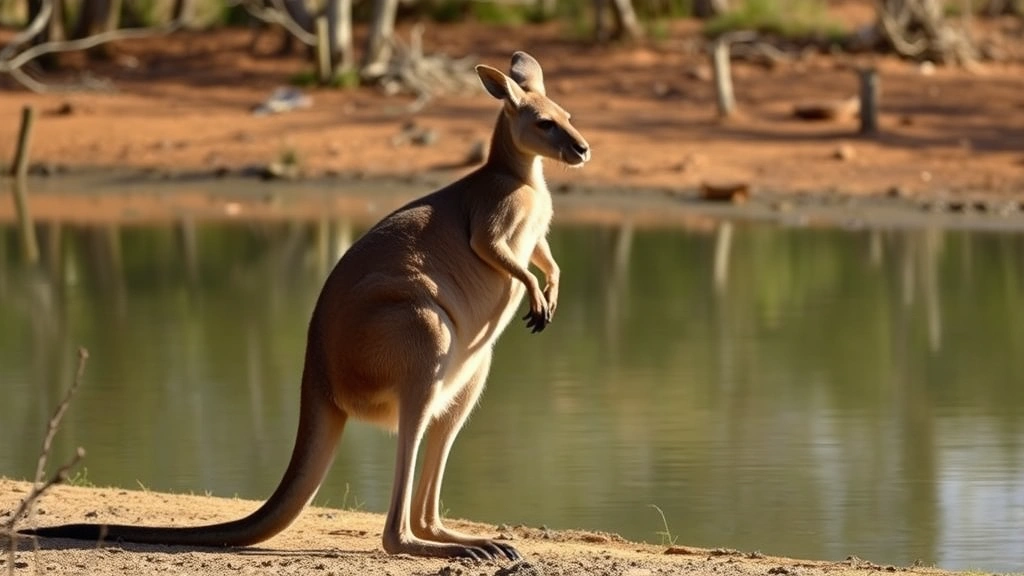
Do kangaroos drown dogs? It’s a question that sounds absolutely bonkers at first, but it’s actually rooted in some genuinely wild animal behavior that’s worth exploring. If you’ve ever wondered about the bizarre interactions between Australia’s iconic marsupials and man’s best friend, buckle up—because the answer is far more interesting (and yes, occasionally darker) than you’d expect.
Table of Contents
- The Short Answer: Yes, Kangaroos Can and Do Drown Dogs
- Understanding Kangaroo Behavior and Self-Defense
- Why Water Becomes Dangerous in Kangaroo-Dog Encounters
- Documented Cases of Kangaroo-Related Dog Incidents
- Kangaroo Self-Defense Mechanisms Explained
- Dog Breeds Most at Risk in Kangaroo Encounters
- Geographic Hotspots: Where These Encounters Happen
- Prevention: Keeping Your Dog Safe from Kangaroos
- What to Do If Your Dog Encounters a Kangaroo
- The Broader Context: Coexistence in Wildlife Country
- Frequently Asked Questions
- Conclusion: Respecting Wildlife and Protecting Your Pet
The Short Answer: Yes, Kangaroos Can and Do Drown Dogs
Let’s rip the band-aid off right here. Kangaroos are absolutely capable of drowning dogs, and there are documented cases of this happening. It’s not common, but it’s real. The reason? Kangaroos are deceptively powerful animals with a defensive instinct that kicks into overdrive when they feel threatened. When a dog—especially a smaller or medium-sized breed—corners or pursues a kangaroo near water, things can escalate quickly. The kangaroo’s natural response is to use its powerful hind legs and tail to fight back, and if that confrontation happens near a body of water, tragedy can strike.
Understanding Kangaroo Behavior and Self-Defense
Before we go further, it’s crucial to understand that kangaroos aren’t aggressive animals by nature. They’re actually pretty chill, munching on grass and minding their business most of the time. However, when cornered, threatened, or protecting their young, kangaroos transform into surprisingly formidable fighters. Their hind legs are weaponized with sharp claws, and their powerful tail acts like a third leg for balance and leverage. These animals can reach speeds of 35 mph and deliver kicks with significant force. When a dog charges at a kangaroo near water, the marsupial’s instinct is to use whatever tools it has to defend itself—and water becomes part of that equation.
Why Water Becomes Dangerous in Kangaroo-Dog Encounters
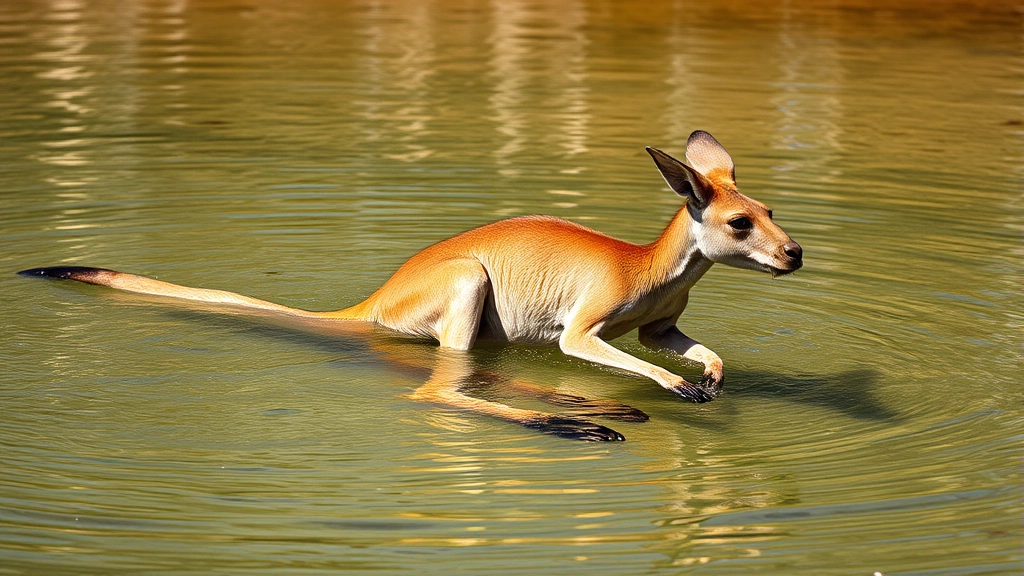
Kangaroos are strong swimmers, which might surprise you. When they retreat into water to escape a pursuing dog, they have a significant advantage. Dogs, depending on their breed and training, may not be as comfortable in water. More importantly, a kangaroo defending itself in water can use its powerful hind legs and tail to keep a dog submerged or exhausted. The dog’s instinct is often to keep fighting or pursuing, which leads to panic, exhaustion, and potentially drowning. It’s not that kangaroos are out there hunting dogs like some aquatic predator—it’s that the combination of a threatened kangaroo, a pursuing dog, and a body of water creates a perfect storm scenario.
Documented Cases of Kangaroo-Related Dog Incidents
There are several verified incidents where kangaroos have killed dogs, with water-related drowning being one method. Australian wildlife authorities and local news outlets have reported these encounters, particularly in rural areas where kangaroos and domestic animals share space. One notable case involved a dog that chased a kangaroo into a billabong (an Australian waterhole), where the kangaroo used its strength to keep the dog underwater. These aren’t urban legends—they’re documented wildlife incidents that highlight the danger of letting dogs roam freely in kangaroo country.
Kangaroo Self-Defense Mechanisms Explained
A kangaroo’s body is basically a fighting machine when activated. Their tail, which can weigh up to 20 pounds, provides balance and can deliver powerful sweeps. Their hind legs have claws that can slice through flesh with ease. When a kangaroo feels threatened, it will rear back on its tail and use its hind legs defensively. If a dog is in close proximity and water is nearby, the kangaroo might retreat into the water while maintaining this defensive posture. A dog that follows into water suddenly finds itself in an unfamiliar environment facing an animal that’s perfectly adapted to both land and aquatic defense.
Dog Breeds Most at Risk in Kangaroo Encounters
Smaller dog breeds are obviously more vulnerable in any confrontation with a kangaroo. Toy breeds, terriers, and small to medium-sized dogs lack the size and strength to hold their own against a defensive kangaroo. Even larger breeds can find themselves in trouble if they’re not trained to avoid wildlife confrontations. Working dog breeds like border collies, which have strong prey drives, are particularly prone to chasing kangaroos—which is exactly the behavior that can trigger dangerous encounters. If you live in Australia or visit kangaroo country with your dog, understanding your breed’s vulnerability is essential for safety.
Geographic Hotspots: Where These Encounters Happen
Most kangaroo-dog incidents occur in rural Australia, particularly in inland regions where kangaroo populations are dense and dog ownership is common. Areas around water sources—billabongs, rivers, and watering holes—are especially dangerous. These locations are where kangaroos congregate, particularly during dry seasons, and where dogs are most likely to encounter them. If you’re traveling to or living in regions like inland Queensland, New South Wales, or South Australia with your pet, you need to be extra vigilant about keeping your dog away from wildlife.
Prevention: Keeping Your Dog Safe from Kangaroos
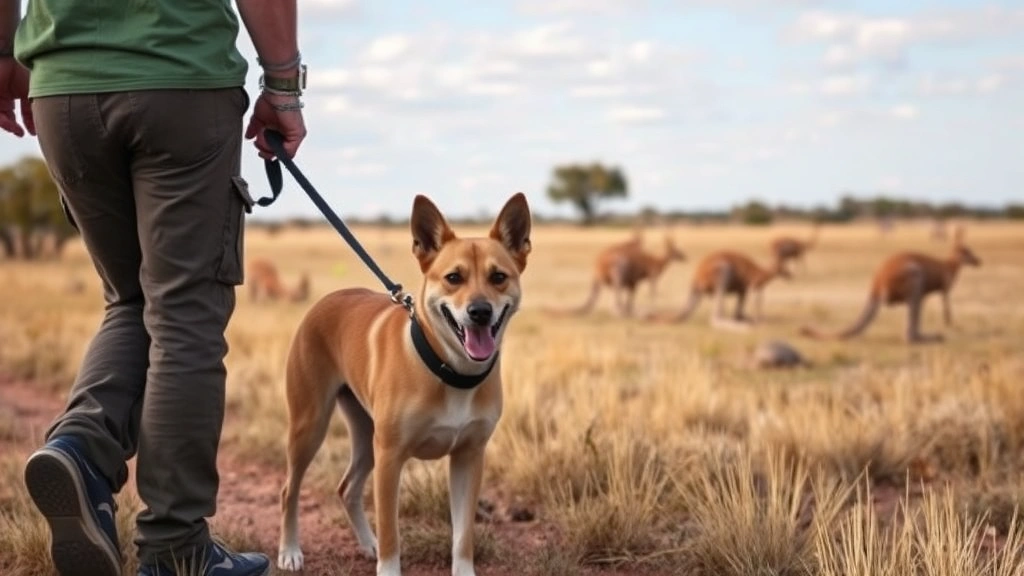
The best defense is prevention. If you live in kangaroo country, keep your dog on a leash when outside, especially near water or in areas where kangaroos are known to gather. Train your dog to have a solid recall command so it comes back when called, even if it spots wildlife. Avoid letting your dog roam unsupervised in rural areas. Install secure fencing around your property. Keep your dog indoors during dawn and dusk when kangaroos are most active. And critically, never encourage your dog to chase wildlife—it’s dangerous for your pet and stressful for the animals. If you encounter a kangaroo while walking your dog, calmly move away from it and keep your dog close. These simple precautions can prevent tragic encounters.
What to Do If Your Dog Encounters a Kangaroo
If your dog comes face-to-face with a kangaroo, your first instinct should be to call your dog away immediately. Don’t let the situation escalate. If your dog is already engaged with the kangaroo, try to create distance between them. Make loud noises, use a whistle, or throw something nearby (not at the kangaroo) to distract both animals. Never put yourself between them—a defensive kangaroo can seriously injure a human too. If your dog gets injured in a kangaroo encounter, seek veterinary care immediately. Even minor wounds can become infected, and serious injuries require emergency treatment. Consider contacting local wildlife authorities to report the incident, as they track these encounters.
The Broader Context: Coexistence in Wildlife Country
This discussion isn’t meant to demonize kangaroos. These animals are just defending themselves in an environment where their habitat increasingly overlaps with human and domestic animal presence. As more people move into rural areas or travel through kangaroo country with their pets, these encounters become more likely. The solution isn’t to fear kangaroos or view them as dangerous predators—it’s to respect their space and manage our pets responsibly. Kangaroos play an important ecological role in Australia, and they deserve to exist without constant threat from domestic animals.
Frequently Asked Questions
Can kangaroos actually drown dogs in water?
Yes, kangaroos can and have drowned dogs in water. When a kangaroo feels threatened by a pursuing dog near a body of water, it may retreat into the water and use its powerful hind legs and tail to defend itself. A dog that follows into water can become exhausted, panic, or be held underwater by the kangaroo’s defensive actions, resulting in drowning.
How strong is a kangaroo kick?
A kangaroo’s hind leg kick can deliver force equivalent to a professional boxer’s punch, with some estimates suggesting up to 759 pounds of force per square inch. Their claws can inflict serious lacerations. This makes them formidable opponents for dogs, especially smaller breeds.
Are kangaroos aggressive toward dogs?
Kangaroos aren’t inherently aggressive, but they will defend themselves vigorously when threatened or cornered. A pursuing dog triggers a kangaroo’s defensive instincts. The aggression you see in kangaroo-dog encounters is typically the kangaroo protecting itself, not hunting the dog.
What should I do if my dog chases a kangaroo?
Call your dog back immediately using a recall command. If your dog doesn’t respond, try to create distance between them. Never put yourself between the animals. If your dog gets injured, seek veterinary care right away. Report the incident to local wildlife authorities.
What dog breeds are most vulnerable to kangaroo attacks?
Smaller dog breeds like toy poodles, chihuahuas, and small terriers are most vulnerable. Medium-sized breeds with high prey drives, like border collies and Jack Russell terriers, are also at risk because they’re more likely to chase kangaroos and trigger defensive responses.
Where are kangaroo-dog incidents most common?
These incidents primarily occur in rural Australia, particularly in inland regions with dense kangaroo populations near water sources. Areas in Queensland, New South Wales, and South Australia see the most documented cases.
Can I let my dog off-leash in kangaroo country?
No, it’s not recommended. Keeping your dog on a leash in areas where kangaroos live is essential for safety. Even well-trained dogs can chase wildlife instinctively, putting themselves in dangerous situations.
How can I tell if a kangaroo is about to attack?
A kangaroo preparing to defend itself will typically rear back on its tail, raising its body upright. It may also hiss or make warning sounds. If you see this posture, move away immediately and keep your dog close.
Conclusion: Respecting Wildlife and Protecting Your Pet
So, do kangaroos drown dogs? The answer is yes, though it’s not a common occurrence. It happens in specific circumstances when a dog pursues a kangaroo near water, triggering the marsupial’s powerful defensive instincts. The key takeaway isn’t to fear kangaroos but to understand them and manage your pets responsibly in wildlife areas. If you live in or visit kangaroo country, keep your dog leashed, train a solid recall command, and avoid areas where kangaroos congregate, especially near water. Respect these incredible animals’ space, and you’ll keep your furry friend safe. For more information about pet safety, check out resources on harmful foods for dogs and pet poison hotline services. Remember, coexistence with wildlife requires vigilance and respect from pet owners. Your dog’s safety depends on it.
For additional guidance on emergency situations involving your pet, the American Association of Feed Control Officials and PetMD offer comprehensive resources. If you’re ever unsure about your dog’s health after an encounter, don’t hesitate to contact your veterinarian or explore emergency telehealth services for immediate guidance.





