
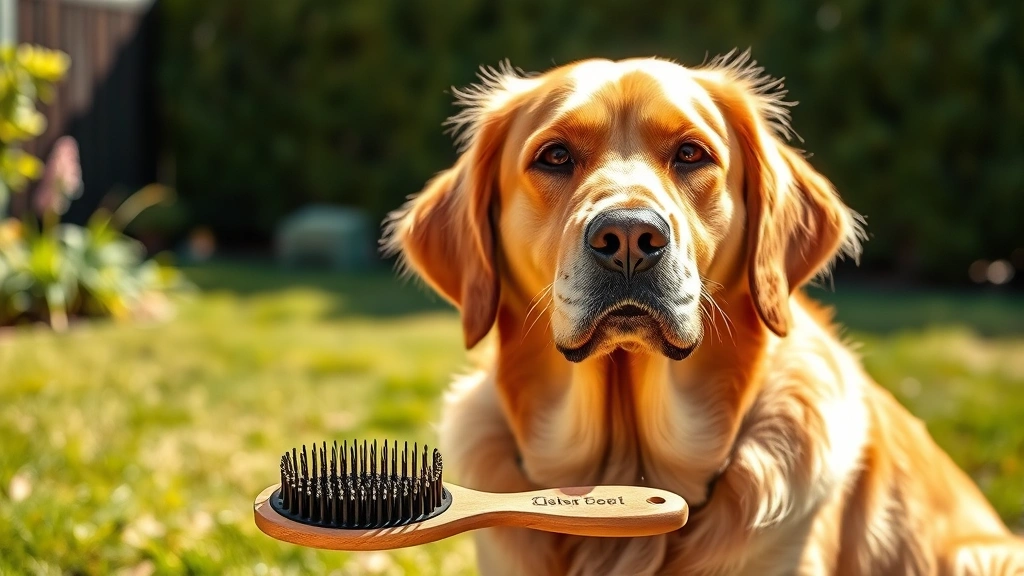
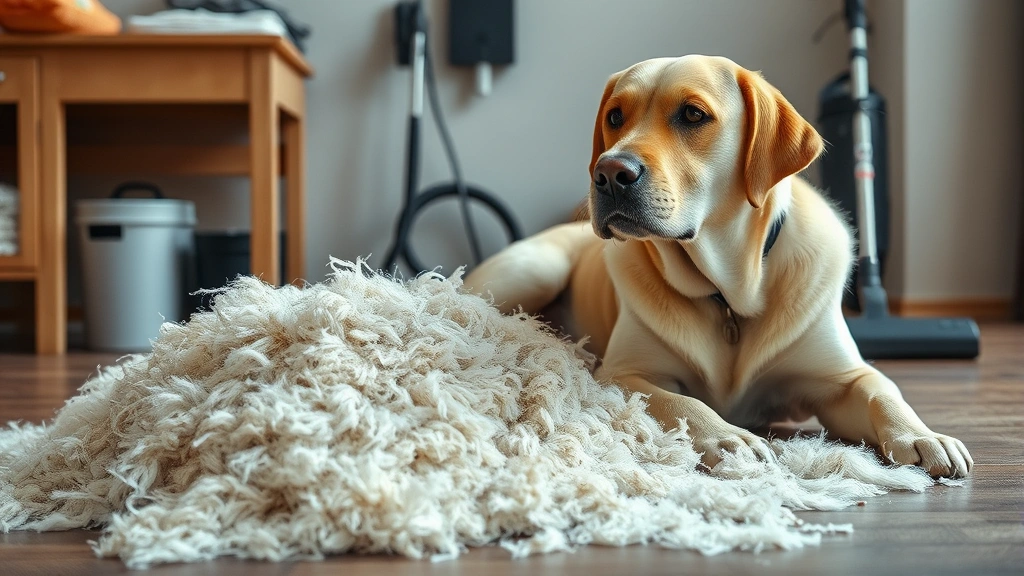
Yes, do labrador dogs shed a lot—and we’re talking tumbleweeds of fur rolling through your living room kind of shedding. If you’re considering bringing a Lab into your home, you need to know what you’re signing up for. These lovable golden goofballs are basically furry factories, and their shedding is legendary among dog owners. But don’t worry; we’ve got the complete breakdown of everything you need to know about Lab shedding, why it happens, and how to manage it without losing your mind (or your furniture).
Table of Contents
- Why Do Labradors Shed So Much?
- Seasonal Shedding Patterns in Labrador Retrievers
- How Much Hair Are We Actually Talking About?
- Labrador Coat Types and Shedding Variations
- Managing Labrador Shedding: Grooming Strategies
- Nutrition’s Role in Coat Health and Shedding
- Health Issues That Increase Shedding
- Furniture and Home Management Tips
- Bathing and Drying: Techniques That Matter
- Supplements and Skin Health Products
- Comparing Labradors to Other Shedding Breeds
- Frequently Asked Questions
- Conclusion: Living with a Shedding Labrador
Why Do Labradors Shed So Much?
Labradors aren’t just shedding because they feel like it. There’s actual science behind all that fur. Labs have a double coat, which consists of two layers: a dense undercoat and a longer guard coat on top. This double-layered system was originally designed to keep these dogs warm and dry when they were working as retrievers in cold, wet conditions. Think of it like wearing thermal underwear under your jacket—except your jacket sheds everywhere.
The undercoat is the real culprit here. It’s thick, fluffy, and constantly renewing itself. Labs shed year-round because they’re always cycling through their coat, but during spring and fall, they experience what breeders call “coat blows.” During these seasons, they shed so intensely that you’ll wonder if your dog is actually molting. Spoiler alert: they basically are.
Seasonal Shedding Patterns in Labrador Retrievers
Understanding your Lab’s shedding schedule is like knowing when tax season hits—it helps you prepare mentally and physically. Most Labs have two major shedding seasons per year. In spring, they shed their heavy winter coat to prepare for warmer months. In fall, they shed their summer coat and grow in a thicker winter coat. It’s nature’s way of keeping them temperature-regulated.
During these peak shedding periods, you might find yourself vacuuming daily and still discovering fur in places you didn’t know existed. We’re talking inside your refrigerator, somehow tangled in your toothbrush, and mysteriously appearing in sealed containers. It’s wild.
How Much Hair Are We Actually Talking About?
A single Labrador can shed anywhere from 1 to 2 pounds of fur per year during normal times, and significantly more during coat blow seasons. If that doesn’t sound like much, wait until you’re cleaning out your vacuum for the fifth time in a week. Some owners report that their Labs shed so much they could literally knit a second dog from the collected fur. We’re not exaggerating—it’s that substantial.
The amount varies based on individual dogs, diet quality, health status, and environmental factors. A Lab with a healthier diet and better overall nutrition will have a shinier, healthier coat that sheds less excessively. This is where proper nutrition plays a crucial role. Check out our guide on anti-inflammatory foods for pets to learn how diet impacts coat health.
Labrador Coat Types and Shedding Variations
Not all Labradors shed identically, even though they’re all double-coated breeds. Some Labs have denser undercoats than others, which directly impacts shedding volume. Show-quality Labs often have thicker, more luxurious coats, which means they shed more. Field-line Labs might have slightly shorter coats, but don’t let that fool you—they still shed like champions.
Coat color doesn’t affect shedding amount, but some owners swear that black Labs shed differently than yellow or chocolate Labs. Scientifically speaking, this isn’t true, but we understand the psychology. When you have a white couch and a black-furred dog, every single hair becomes visible. It’s not that black Labs shed more; it’s just that you notice it more.
Managing Labrador Shedding: Grooming Strategies
If you’re going to live with a Lab, you need to accept that grooming isn’t optional—it’s mandatory. Regular brushing is your first line of defense against the fur apocalypse. During non-peak shedding seasons, brush your Lab 2-3 times per week. During coat blow seasons, increase this to daily brushing, ideally using an undercoat rake or deshedding tool.
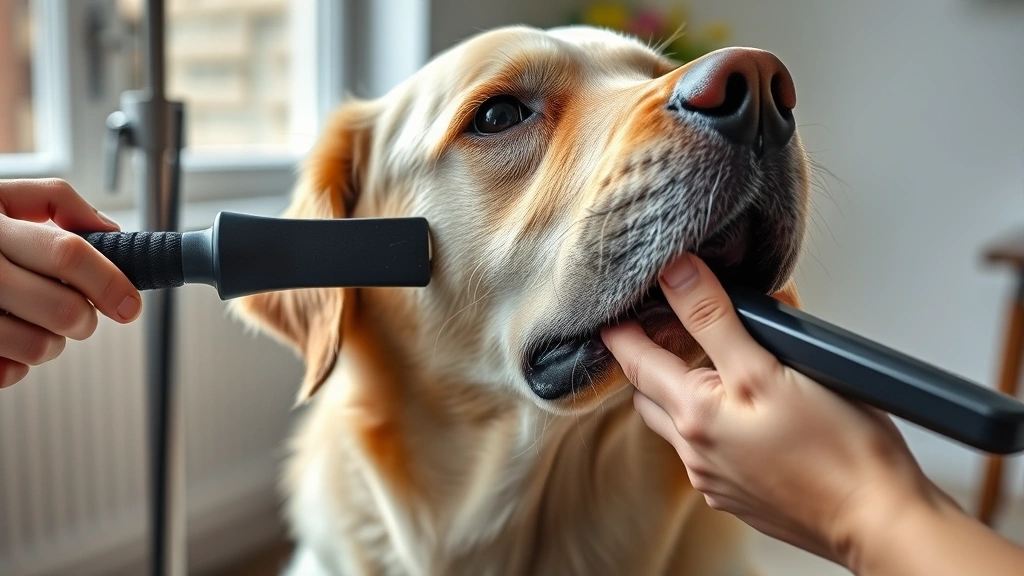
Invest in quality grooming tools. A slicker brush works well for surface coats, but an undercoat rake is your MVP. These tools are specifically designed to remove loose undercoat without damaging the guard hairs. Some owners use high-velocity dryers after bathing, which can blast out loose fur before it ends up on your furniture. Fair warning: this process is messy and sounds like a jet engine, but it’s incredibly effective.
Professional grooming every 6-8 weeks can significantly reduce shedding. Groomers have industrial-strength tools and experience handling massive amounts of dog hair. They can also bathe and dry your Lab properly, which removes loose fur more effectively than home bathing.
Nutrition’s Role in Coat Health and Shedding
Here’s something many Lab owners overlook: excessive shedding can indicate nutritional deficiencies. A high-quality diet rich in omega-3 and omega-6 fatty acids, protein, and essential vitamins promotes healthier skin and coat. Dogs eating poor-quality food often shed more because their coats are less healthy.
Look for dog foods with quality protein sources and added fish oil or flaxseed. Avoid foods with excessive fillers and by-products. Your vet can recommend specific brands based on your Lab’s needs. For more information, explore our article on Nutrish dog food options. Additionally, understanding food allergies in pets is important because allergies cause inflammation and excessive shedding.
Health Issues That Increase Shedding
Excessive shedding beyond normal seasonal patterns can indicate underlying health problems. Allergies, both food-based and environmental, commonly cause abnormal hair loss in Labs. Skin infections, parasites, hormonal imbalances, and stress can all trigger increased shedding.
If your Lab is losing patches of fur, has red or inflamed skin, or is itching excessively, contact your veterinarian. These symptoms suggest a medical issue rather than normal shedding. Some Labs develop food sensitivities that cause skin problems and excessive shedding. Our guide on what not to feed your dog can help you identify potential problem ingredients.
Furniture and Home Management Tips
Let’s be real: you’re going to find Lab fur everywhere. Acceptance is the first step. Invest in washable furniture covers for areas where your Lab spends the most time. Dark-colored furniture hides fur better than light colors (this is not a fashion statement; it’s survival strategy).
Lint rollers become your best friend. Buy them in bulk and station them strategically throughout your home. Robot vacuums designed for pet hair are worth the investment. Some owners run these daily during shedding season. Air purifiers also help capture airborne fur and improve air quality.
Hardwood or tile flooring is easier to maintain than carpet when living with a heavy-shedding dog. If you have carpet, dark-colored area rugs placed strategically can hide the worst of the fur situation.
Bathing and Drying: Techniques That Matter
Bathing your Lab properly can actually reduce shedding significantly. Use lukewarm water and a high-quality dog shampoo. Avoid human shampoos, which can dry out their skin and increase shedding. Massage the shampoo thoroughly into the coat, paying special attention to the undercoat.
Rinsing is crucial—incomplete rinsing leaves residue that irritates skin and causes shedding. Rinse thoroughly until the water runs completely clear. After bathing, proper drying is essential. Air drying is fine, but using a high-velocity dryer blasts out loose undercoat fur that would otherwise end up on your furniture. This single step can reduce shedding dramatically during peak seasons.
Supplements and Skin Health Products
Fish oil supplements specifically designed for dogs can improve coat quality and reduce shedding. Omega-3 fatty acids reduce skin inflammation and promote healthier hair growth. Many vets recommend adding fish oil to your Lab’s diet, especially during shedding seasons.
Coconut oil is another option some owners use, though it’s more controversial. Some dogs tolerate it well; others develop digestive issues. Always consult your vet before adding supplements to your Lab’s diet.
Comparing Labradors to Other Shedding Breeds
If you’re considering a Lab and worried about shedding, understand that Labs are moderate-to-heavy shedders. They shed more than poodles or bichon frisés (which are considered low-shedding breeds) but less than German Shepherds or Huskies. Labs are definitely not a hypoallergenic option if you have allergies.
If shedding is a dealbreaker for you, consider breeds with single coats or hair instead of fur. But if you’re committed to the Lab life, you’re committing to fur management as a lifestyle.
Frequently Asked Questions
Do Labrador Retrievers shed year-round?
Yes, Labs shed year-round because they continuously cycle through their coat. However, shedding intensifies dramatically during spring and fall when they experience coat blows. During these peak seasons, shedding can be 3-5 times heavier than normal months.
Can you stop a Labrador from shedding?
No, you cannot stop a Lab from shedding—it’s genetically hardwired into their DNA. However, you can significantly reduce the amount of loose fur that ends up on your furniture through consistent grooming, proper nutrition, and regular professional grooming. The goal is management, not elimination.
Is there a hypoallergenic Labrador?
No. Labrador Retrievers are not hypoallergenic. Their double coat and year-round shedding make them unsuitable for people with dog allergies. If allergies are a concern, consider breeds like Poodles, Portuguese Water Dogs, or Bichon Frisés, which shed minimally.
Does diet really affect shedding?
Absolutely. A high-quality diet with adequate protein, omega-3 and omega-6 fatty acids, and essential vitamins promotes healthier skin and coat. Dogs eating poor-quality food often experience excessive shedding, dry skin, and dull coats. Upgrading your Lab’s diet can noticeably reduce shedding within 4-6 weeks.
Should I shave my Labrador to reduce shedding?
Never shave a Labrador. Their double coat serves important purposes: temperature regulation, protection from UV rays, and water resistance. Shaving damages the coat and can actually increase shedding problems. It also disrupts the natural coat cycle. Stick to brushing and professional grooming instead.
What’s the best brush for Labrador shedding?
An undercoat rake is the gold standard for Labs. It removes loose undercoat without damaging guard hairs. Slicker brushes work well for surface coats, and high-velocity dryers are excellent for removing loose fur after bathing. Most experts recommend using multiple tools in combination for best results.
Conclusion: Living with a Shedding Labrador
So, do labrador dogs shed a lot? The answer is an unequivocal yes. Labs are heavy shedders, and if you bring one into your home, you’re accepting a lifetime commitment to fur management. But here’s the thing: Labs are absolutely worth it. Their loyalty, intelligence, and goofy personalities make them incredible family companions.
Manage shedding through consistent grooming, quality nutrition, regular professional grooming, and smart home management strategies. Invest in good tools, accept that fur is part of the package, and embrace the Lab life. Thousands of owners worldwide deal with the shedding and wouldn’t trade their Labs for anything.
The key to shedding success is preparation and consistency. Start grooming routines early, maintain them throughout the year, and intensify efforts during peak shedding seasons. With proper management, you’ll minimize the fur explosion and maximize your enjoyment of having a beautiful, loving Labrador Retriever in your home.





