
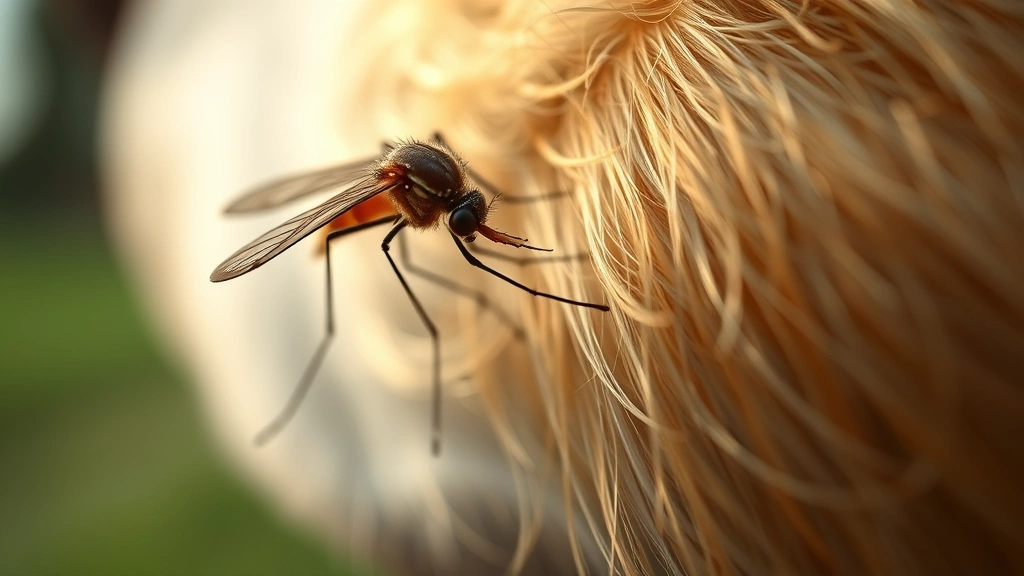
Yes, do mosquitoes bite dogs? Absolutely they do, and it’s one of those annoying summer realities that pet owners need to take seriously. Your furry friend isn’t immune to these bloodsucking insects, and mosquito bites can cause way more than just itching and scratching.
Table of Contents
- Why Mosquitoes Love Your Dog (Unfortunately)
- Health Risks Beyond the Itch: Mosquito-Borne Diseases in Dogs
- Signs Your Dog Has Been Bitten by Mosquitoes
- Protection Tip #1: Use Veterinary-Approved Topical Treatments
- Protection Tip #2: Maintain a Heartworm Prevention Program
- Protection Tip #3: Modify Your Environment to Reduce Mosquitoes
- Protection Tip #4: Boost Your Dog’s Immune System with Proper Nutrition
- Protection Tip #5: Schedule Regular Veterinary Check-ups
- Seasonal Mosquito Management for Dogs
- Natural Remedies: Do They Actually Work?
- What to Do If Your Dog Gets Bitten
- Summary: Keeping Your Dog Safe from Mosquitoes
- Frequently Asked Questions
Why Mosquitoes Love Your Dog (Unfortunately)
Mosquitoes are equal-opportunity pests when it comes to warm-blooded creatures. They don’t discriminate between humans and dogs—if there’s exposed skin and a steady heartbeat, they’re interested. Your dog’s thin fur in certain areas (like the ears, belly, and inner legs) makes them an easy target. Plus, dogs can’t swat mosquitoes away as effectively as we can, making them sitting ducks during peak mosquito season.
The female mosquito is the real culprit here. She needs blood to produce eggs, so she’s actively hunting your pup from dusk through dawn. Your dog’s body heat and the carbon dioxide they exhale are like a dinner bell ringing in the mosquito world.
Health Risks Beyond the Itch: Mosquito-Borne Diseases in Dogs
Here’s where things get serious. Mosquitoes don’t just cause annoying welts—they can transmit dangerous diseases. Heartworm disease is the big one, and it’s transmitted exclusively through mosquito bites. This parasitic infection can be life-threatening if left untreated, affecting your dog’s heart and lungs.
West Nile Virus is another concern, though it’s less common in dogs than in humans. Some dogs may develop neurological symptoms if infected. Additionally, encephalitis can occasionally be transmitted via mosquito bites, causing inflammation of the brain.
The good news? Most of these serious conditions are preventable with proper precautions and veterinary care.
Signs Your Dog Has Been Bitten by Mosquitoes
Mosquito bites on dogs typically show up as small red bumps, often clustered together. Your pup might obsessively lick or scratch at the affected areas, leading to secondary skin infections. In some cases, dogs can develop allergic reactions to mosquito saliva, causing more severe swelling and itching than typical bites.
Watch for signs like excessive scratching, hair loss from constant licking, open sores, or signs of infection. If your dog seems unusually itchy or develops a rash, it’s worth a vet visit to rule out other skin conditions and mosquito-related complications.
Protection Tip #1: Use Veterinary-Approved Topical Treatments
Your veterinarian can prescribe topical treatments specifically designed to repel mosquitoes and other parasites. Products containing ingredients like permethrin or pyrethrins are highly effective and applied directly to your dog’s skin monthly. These aren’t just random bug sprays—they’re formulated for canine safety and efficacy.
Some popular options include spot-on treatments that also protect against ticks and fleas simultaneously. Talk to your vet about which product is best for your dog’s age, weight, and health status. Never use human insect repellent on your dog, as many contain DEET, which is toxic to pets.
Protection Tip #2: Maintain a Heartworm Prevention Program
Since heartworm is the most serious mosquito-borne threat to dogs, prevention is absolutely critical. Monthly heartworm preventatives are available in multiple forms: chewables, topicals, and injectables. These medications are highly effective and have been trusted by veterinarians for decades.
Your dog needs to be on year-round heartworm prevention, even in winter months, because mosquitoes can survive indoors. Talk to your vet about which preventative works best for your dog’s lifestyle and any existing health conditions.

Protection Tip #3: Modify Your Environment to Reduce Mosquitoes
You can’t eliminate all mosquitoes, but you can significantly reduce their numbers around your home. Remove standing water from bird baths, flower pots, gutters, and any other containers where mosquitoes breed. Even a bottle cap of water can become a mosquito nursery.
Install or repair window and door screens to keep mosquitoes out of your home. Consider using a mosquito repellent device in your yard, like a fan (mosquitoes are weak fliers) or mosquito-eating plants like citronella and lavender. These environmental modifications create a less hospitable environment for mosquitoes without exposing your dog to harsh chemicals.
Protection Tip #4: Boost Your Dog’s Immune System with Proper Nutrition
A healthy immune system helps your dog fight off infections more effectively. Feed your pup a balanced, high-quality diet rich in antioxidants and essential nutrients. Immune-boosting foods for pets can make a real difference in your dog’s overall health and resilience against parasitic infections.
Omega-3 fatty acids are particularly beneficial for skin health, which can help reduce inflammation from mosquito bites. Adding foods like salmon, flaxseed, and eggs to your dog’s diet supports both coat quality and immune function. You can also explore skin and coat health foods specifically designed to strengthen your dog’s natural defenses.
Protection Tip #5: Schedule Regular Veterinary Check-ups
Your vet is your best ally in protecting your dog from mosquito-related diseases. Annual check-ups include heartworm testing and allow your vet to assess your dog’s overall health and recommend appropriate preventative measures. If your dog is very active or spends lots of time outdoors, discuss more frequent testing schedules.
Your vet can also recommend energy-boosting foods for active pets if your pup is constantly on the go, ensuring they maintain optimal health to fight off potential infections. Don’t skip these appointments—they’re your dog’s best defense against preventable diseases.
Seasonal Mosquito Management for Dogs
Mosquito season varies by location, but generally peaks in warm, humid months. During peak season, limit your dog’s outdoor time during dawn and dusk when mosquitoes are most active. If your pup needs exercise, go for walks during midday when mosquito activity is lower.
For dogs that love being outdoors, consider mosquito-repellent clothing or mesh jackets designed for pets. These provide a physical barrier while still allowing air circulation. Consistency is key—maintaining prevention year-round is far easier than dealing with a mosquito-borne illness.
Natural Remedies: Do They Actually Work?
Many pet owners ask about natural mosquito repellents like essential oils or garlic supplements. While some have mild repellent properties, they’re generally not reliable enough to be your dog’s sole protection. Essential oils can actually be toxic to dogs in concentrated forms, so be cautious.
Natural remedies might work as a supplementary approach alongside veterinary-approved prevention, but don’t rely on them exclusively. Your dog’s health is too important to gamble on unproven natural solutions when effective, safe alternatives exist.
What to Do If Your Dog Gets Bitten
If you notice mosquito bites on your dog, resist the urge to let them scratch freely. Apply a cool compress to reduce itching and swelling. You can use a dog-safe antihistamine cream or ask your vet about appropriate treatments.
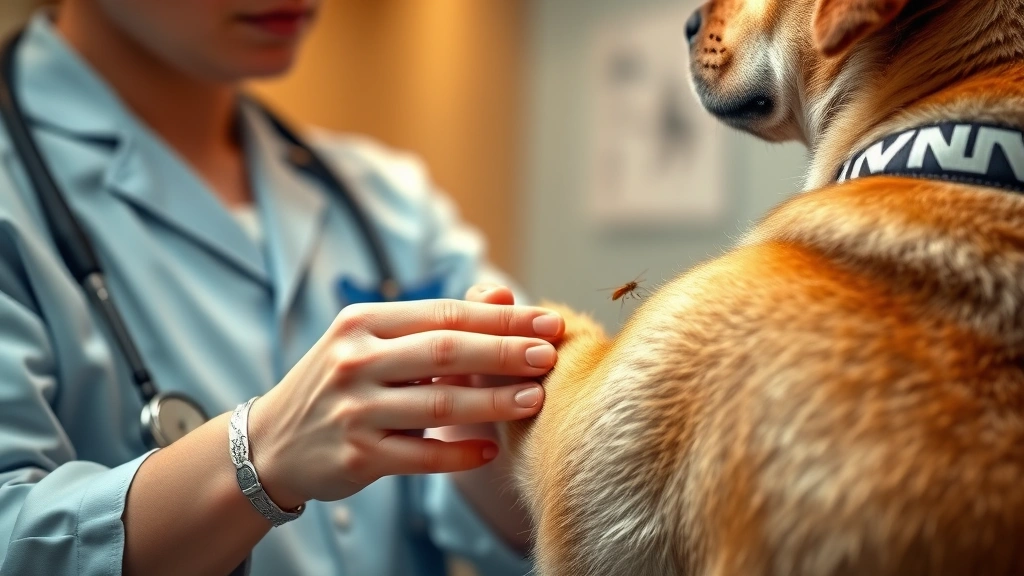
If your dog develops signs of infection (oozing, excessive swelling, or spreading redness), contact your vet immediately. In rare cases where your dog shows signs of illness after heavy mosquito exposure, don’t wait—get them checked out to rule out serious conditions like heartworm or West Nile Virus.
Consider offering healthy pet treats with anti-inflammatory properties during recovery, but always check with your vet first.
Summary: Keeping Your Dog Safe from Mosquitoes
So, do mosquitoes bite dogs? Yes, they absolutely do, and the stakes are higher than just uncomfortable itching. By implementing these five proven protection strategies—veterinary-approved topicals, consistent heartworm prevention, environmental modifications, proper nutrition, and regular vet check-ups—you’re giving your dog the best defense against mosquito-borne diseases.
The key is consistency and proactivity. Don’t wait until your dog gets sick to start thinking about mosquito prevention. Work with your veterinarian to create a year-round protection plan tailored to your dog’s specific needs and lifestyle. Your furry friend will thank you for keeping those bloodsucking pests at bay.
Frequently Asked Questions
Can dogs get heartworm from just one mosquito bite?
Yes, it’s possible. A single infected mosquito can transmit heartworm larvae to your dog. This is why year-round prevention is essential rather than waiting for peak season.
Are some dog breeds more susceptible to mosquito bites?
Dogs with thinner coats or less body hair (like Greyhounds or Chihuahuas) may be slightly more exposed. However, all dogs are at risk regardless of breed. Mosquitoes can find exposed skin on any dog.
How long does it take for heartworm symptoms to appear?
Heartworm disease develops slowly over months. Symptoms like coughing, lethargy, and difficulty breathing may not appear for 6-12 months after infection, which is why prevention is so critical.
Is it safe to use human mosquito repellent on my dog?
No. Most human insect repellents contain DEET, which is toxic to dogs. Always use products specifically formulated for pets or consult your veterinarian before applying anything to your dog’s skin.
What’s the best time of year to start mosquito prevention?
Start before mosquito season arrives in your area. If you live somewhere with year-round warm weather, prevention should be continuous. In temperate climates, begin in early spring and continue through late fall at minimum.
Can indoor dogs get mosquito-borne diseases?
Yes. Mosquitoes can enter homes through open doors and windows. Even dogs that spend most of their time indoors need heartworm prevention and protection during outdoor bathroom breaks.





