
Do Pitbulls Shed? What You Need to Know
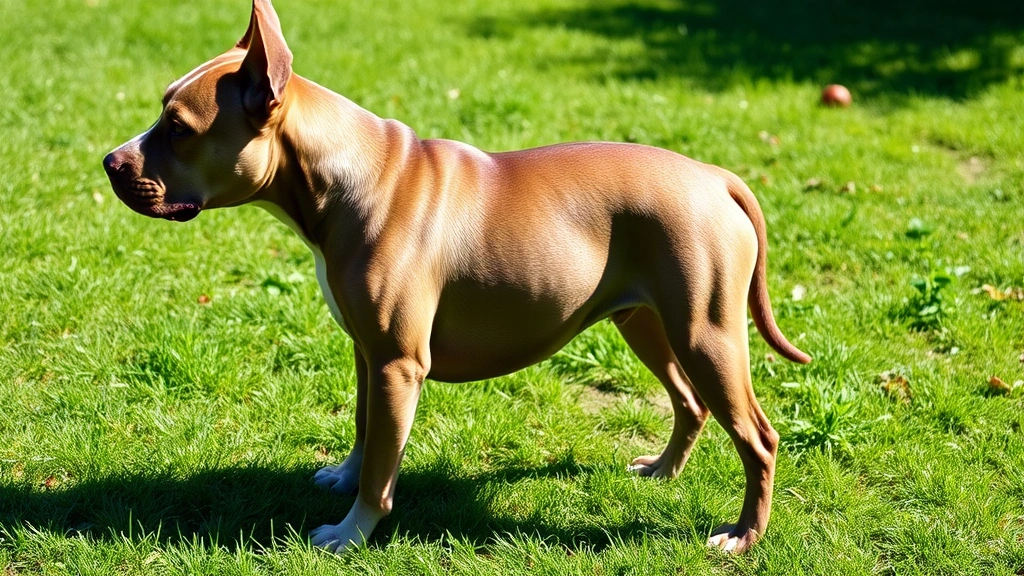
If you’re considering bringing a pitbull into your home or you already share your life with one of these magnificent dogs, you’ve probably wondered about shedding. The short answer? Yes, pitbulls do shed—but maybe not as much as you’d think. These muscular, loyal companions are moderate shedders with a short, dense coat that requires minimal grooming compared to many other breeds. Understanding their shedding patterns and how to manage them will help you keep your home cleaner and your pitbull healthier.
Pitbulls have earned a reputation as devoted family pets, and their relatively low-maintenance coat is just another reason they appeal to so many dog lovers. However, if you’re someone who wants a completely shed-free companion, you’ll want to know exactly what to expect before making the commitment. We’ll break down everything about pitbull shedding, from the science behind their coat to practical solutions for keeping fur off your furniture.
Whether you’re a first-time pitbull owner or a seasoned enthusiast, this comprehensive guide will answer all your shedding-related questions and help you prepare for life with these wonderful dogs.
Pitbull Shedding Overview
Let’s get straight to the point: pitbulls are moderate shedders year-round. This means you’ll find some dog hair around your home, but it won’t be the overwhelming amount you’d experience with heavy-shedding breeds. According to the American Kennel Club, pitbulls have a short, glossy coat that sheds consistently throughout the year with increased shedding during spring and fall.
The good news for potential pitbull owners is that their shedding is quite manageable with proper grooming and care. Unlike some breeds that require professional grooming every six to eight weeks, pitbulls need minimal professional attention. Regular brushing—we’re talking just a few minutes several times a week—can dramatically reduce the amount of loose hair your pup leaves behind.
If you’re comparing shedding levels across different breeds, pitbulls fall somewhere in the middle. They shed more than Pomeranian dogs shed less, and significantly less than heavy-shedding giants like Bernese Mountain Dogs. This makes them an excellent choice for people who want a substantial, athletic dog without the hair-management nightmare.
Understanding Pitbull Coat Structure
To understand why pitbulls shed the way they do, you need to know a bit about their coat structure. Pitbulls have a single-layered coat, which is quite different from double-coated breeds. Their fur is short, dense, and lies close to the skin, giving them that sleek, polished appearance that makes them so visually striking.
This single-layer coat structure is actually a significant advantage when it comes to shedding management. Dogs with double coats—like Australian Sheep Dogs—have an undercoat that sheds heavily, particularly during seasonal transitions. Pitbulls, lacking this undercoat, simply don’t produce the volume of loose hair that their double-coated cousins do.
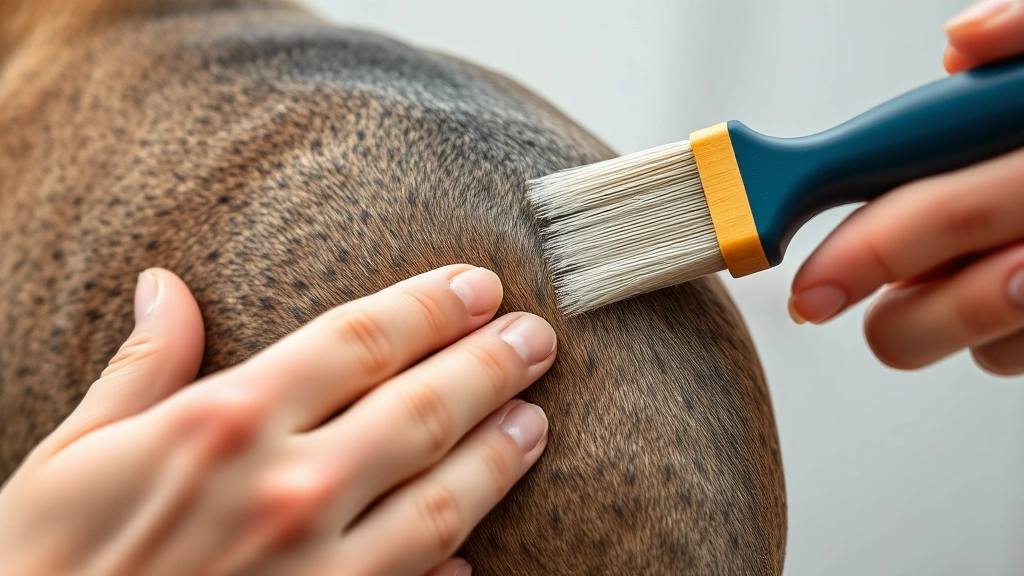
The density of their coat, however, means that when they do shed, the hairs are noticeable. You’ll likely see individual strands rather than massive clumps, but consistency matters. A five-minute brushing session several times weekly will catch most loose hair before it ends up on your clothes or couch.
When Do Pitbulls Shed Most?
While pitbulls shed year-round, they experience two peak shedding seasons: spring and fall. During these transitional periods, you might notice an uptick in the amount of hair your pitbull leaves around the house. Spring shedding typically occurs as dogs prepare for warmer weather, while fall shedding happens as they develop a slightly thicker coat for winter protection.
Spring usually brings the heavier shed, as pitbulls shed their winter coat in preparation for summer. This is when you’ll want to increase your brushing frequency from a few times weekly to perhaps daily. Fall shedding is generally less intense but still noticeable enough that you might want to step up your grooming routine.
The duration of peak shedding seasons typically lasts two to four weeks, though this can vary depending on your dog’s individual genetics, health, and environmental factors like indoor heating and air conditioning. Some pitbull owners report that their dogs shed more heavily if they spend significant time outdoors during seasonal transitions.
How Pitbulls Compare to Other Breeds
To put pitbull shedding into perspective, let’s compare them to other popular dog breeds. If you’re trying to decide between different breeds and shedding is a concern, this comparison will help you make an informed decision.
Compared to Cavalier King Charles Spaniel dogs, pitbulls are actually lighter shedders. Cavaliers have longer, silkier coats that shed considerably more, particularly during seasonal transitions. On the other end of the spectrum, pitbulls shed significantly less than Bernese Mountain Dogs or German Shepherds, both of which are heavy shedders due to their double coats.
According to research from the ASPCA, breed coat type is the primary determinant of shedding amount. Single-coated breeds like pitbulls are inherently lower shedders than double-coated breeds. This is why pitbulls are often recommended for people with mild allergies or those who prefer a cleaner home environment.
It’s worth noting that “pitbull” actually refers to several breeds and mixes, including the American Pit Bull Terrier, American Staffordshire Terrier, and Staffordshire Bull Terrier. All of these have similar coat characteristics and shedding patterns, though individual dogs may vary slightly.
Managing Pitbull Shedding
The key to managing pitbull shedding is establishing a consistent grooming routine. This doesn’t require expensive equipment or professional training—just commitment and the right tools. Here are practical strategies for keeping shedding under control:
- Invest in a quality brush: A rubber curry brush or short-hair grooming mitt works wonderfully for pitbulls. These tools are designed specifically for short-coated breeds and efficiently remove loose hair without damaging the skin.
- Brush regularly: Aim for three to five times weekly during normal shedding periods, increasing to daily during peak seasons. Even five minutes makes a significant difference.
- Use a de-shedding tool: Products like the FURminator or similar de-shedding tools can remove loose undercoat more effectively than regular brushes, though use them gently to avoid irritating the skin.
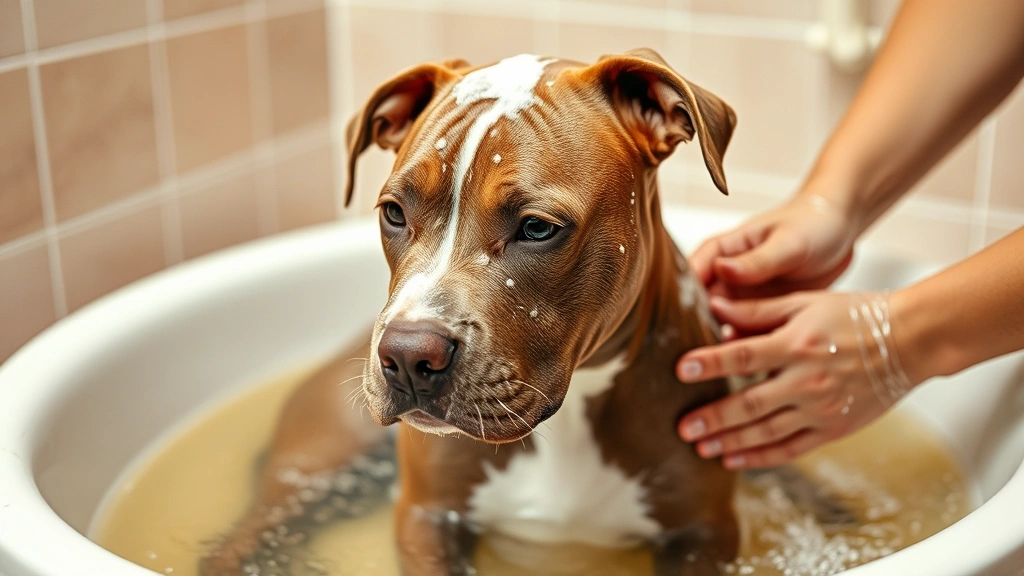
- Bathe strategically: Monthly baths with a quality dog shampoo can help loosen and remove dead hair. Warm water helps open the hair follicles, making it easier to brush out loose fur afterward.
- Consider dietary supplements: Omega-3 and omega-6 fatty acids support healthy skin and coat. A high-quality diet rich in these nutrients can reduce excessive shedding related to skin health.
You might also want to explore how to reduce shedding on dogs more broadly, as many strategies apply across breeds. Additionally, learning how to stop dog shedding isn’t entirely possible, but these techniques will minimize it significantly.
Health Factors That Affect Shedding
Sometimes excessive shedding in pitbulls indicates underlying health issues rather than normal coat cycling. Understanding these factors helps you distinguish between normal shedding and a potential problem requiring veterinary attention.
Allergies: Both food and environmental allergies can trigger excessive shedding in pitbulls. If your dog is scratching frequently and shedding more than usual, allergies might be the culprit. Common allergens include chicken, wheat, and beef, though environmental allergens like pollen and dust mites also affect dogs.
Skin infections: Bacterial or fungal infections can cause abnormal hair loss. If you notice bald patches, redness, or a foul odor, consult your veterinarian immediately.
Nutritional deficiencies: A poor-quality diet lacking essential nutrients can result in a dull coat and increased shedding. High-quality dog food with adequate protein and healthy fats is crucial for maintaining a healthy coat.
Stress and anxiety: Just like humans, dogs under stress may experience hair loss. Changes in environment, family dynamics, or routine can trigger stress-related shedding.
Hormonal imbalances: Thyroid problems and other hormonal issues can cause abnormal shedding patterns. If you notice sudden changes in your pitbull’s coat quality, a veterinary checkup is warranted.
The American Animal Hospital Association recommends that any significant change in shedding patterns warrants a veterinary evaluation to rule out underlying health issues.
Establishing a Grooming Routine
Creating a consistent grooming routine is the most effective way to manage pitbull shedding. Here’s a practical schedule you can adapt to your lifestyle:
Weekly Grooming Schedule:
- Monday & Wednesday: Quick 5-minute brush session with a rubber curry brush
- Friday: Slightly longer 10-minute session using a de-shedding tool
- Sunday: Light brushing while watching TV or relaxing
Monthly Routine: Schedule a bath with warm water and quality dog shampoo. After bathing, brush your pitbull while their coat is still slightly damp—this is when loose hair comes out most easily.
Seasonal Adjustments: During spring and fall peak shedding, increase brushing frequency to daily if possible. Even just a few minutes makes a tremendous difference in controlling loose hair.
Make grooming a positive experience by offering treats and praise. Many pitbulls enjoy the attention and physical contact that comes with regular brushing, viewing it as bonding time with their favorite human. Keep sessions short and pleasant, especially when introducing your dog to grooming if they’re not used to it.
Professional groomers can help during peak shedding seasons, offering de-shedding treatments that remove significant amounts of loose hair. While not necessary for pitbulls like it is for some breeds, a professional grooming session during spring can be incredibly helpful and give you a fresh start for the season.
Frequently Asked Questions
Do pitbulls shed more than other dog breeds?
Not necessarily. Pitbulls are moderate shedders and actually shed less than many popular breeds. Heavy-shedding breeds like German Shepherds, Golden Retrievers, and Huskies shed significantly more. Pitbulls’ short, single-layered coat makes them lighter shedders compared to double-coated breeds.
Are pitbulls hypoallergenic?
No, pitbulls are not hypoallergenic. While their moderate shedding is better than heavy-shedding breeds for people with allergies, they still shed enough to trigger allergic reactions in sensitive individuals. No dog breed is truly hypoallergenic, though some shed less than others.
What’s the best brush for pitbulls?
Rubber curry brushes, grooming mitts, and short-hair slicker brushes work best for pitbulls. Avoid heavy-duty de-shedding tools on a daily basis, as they can irritate the skin. Reserve intense de-shedding for occasional use during peak shedding seasons.
How often should I bathe my pitbull?
Most pitbulls benefit from bathing once monthly, though this can vary based on activity level and skin condition. Bathing too frequently can dry out their skin and potentially increase shedding. Always use a gentle, dog-specific shampoo.
Can diet affect my pitbull’s shedding?
Absolutely. A high-quality diet rich in omega-3 and omega-6 fatty acids supports healthy skin and reduces excessive shedding. Look for dog foods with fish oil, flaxseed, or other omega-rich ingredients. Poor nutrition can result in a dull coat and increased hair loss.
Why is my pitbull shedding excessively?
Excessive shedding can indicate allergies, skin infections, nutritional deficiencies, stress, or hormonal imbalances. If your pitbull’s shedding seems abnormal or is accompanied by scratching, bald patches, or other symptoms, consult your veterinarian.
Do male and female pitbulls shed differently?
Female pitbulls may experience increased shedding during their heat cycle due to hormonal changes. Spaying can reduce these hormonal fluctuations and normalize shedding patterns. Otherwise, males and females shed similarly.
Will grooming help reduce shedding?
Yes, regular brushing removes loose hair before it falls out on your furniture and clothes. Consistent grooming—three to five times weekly—can significantly reduce the amount of visible shedding in your home.





