
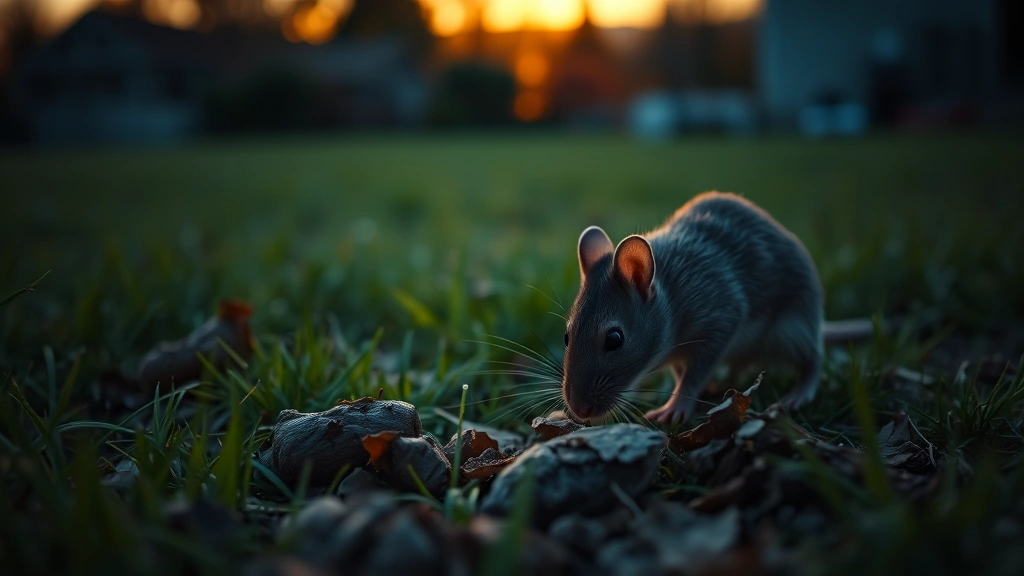
Yes, do rats eat dog poop—and honestly, it’s one of the grosser realities of having both pets and rodent problems in your neighborhood. If you’ve ever wondered whether your backyard rat situation is being fueled by your dog’s bathroom habits, you’re asking the right question. Let’s dive into this surprisingly fascinating (and admittedly disgusting) topic.
Table of Contents
- Why Rats Are Attracted to Dog Feces
- The Health Risks of Rats Eating Dog Waste
- How Dog Poop Attracts More Than Just Rats
- Preventing Rats from Accessing Dog Waste
- Understanding Rat Behavior and Diet
- The Role of Dog Diet in This Problem
- Signs Your Dog’s Waste is Attracting Rodents
- Professional Help and When to Call a Vet
- Creating a Rat-Resistant Yard
- Summary: The Bottom Line
- Frequently Asked Questions
Why Rats Are Attracted to Dog Feces
Rats aren’t picky eaters, and that’s putting it mildly. Dog poop is basically a five-star buffet for these furry little scavengers. Here’s why: dog feces contains undigested nutrients, proteins, and fats that rats find absolutely irresistible. When your dog eats commercial kibble, not all of it gets fully digested—some of those nutrients pass right through and end up in the poop. For a rat, that’s like finding money on the street.
The smell alone is a beacon. Rats navigate the world primarily through their sense of smell, which is about 1,000 times more sensitive than humans. Your dog’s waste sends out a chemical signal that screams “free food” to every rat within a hundred-yard radius. It’s basically ringing the dinner bell for rodents.
The Health Risks of Rats Eating Dog Waste
This isn’t just gross—it’s actually dangerous. When rats consume dog poop, they can pick up parasites and bacteria that were in your dog’s system. We’re talking about potential pathogens like E. coli, Salmonella, and various parasitic worms. These rats then become mobile disease vectors, spreading contamination everywhere they go.
If your rat problem escalates because of this food source, you’re looking at increased risks of hantavirus, leptospirosis, and other rodent-borne illnesses. Plus, rats that are well-fed from your dog’s waste are more likely to stick around and breed, creating a larger infestation. It’s a vicious cycle that starts with something as simple as leaving poop in the yard.
How Dog Poop Attracts More Than Just Rats
Here’s the thing: if rats are eating your dog’s poop, other pests aren’t far behind. Raccoons, opossums, and even coyotes are also attracted to feces. Your backyard becomes a rodent and pest magnet. Check out our guide on Pet Food Safety to understand how to protect your pets from contaminated food sources.
The presence of these pests can stress your dog out, create territorial conflicts, and increase the risk of disease transmission. It’s not just a rat problem—it’s an entire ecosystem of unwanted visitors.
Preventing Rats from Accessing Dog Waste
The most obvious solution is to pick up after your dog immediately. Don’t let poop sit in the yard for hours or days. Scoop it daily, preferably twice a day if you have multiple dogs. This single habit eliminates the primary food source that’s attracting rats in the first place.
Store waste in sealed containers until trash day. Don’t just toss it in an open pile. Rats can chew through many materials, so use metal or heavy-duty plastic bins with secure lids. Some people even bury waste in designated areas, though this requires proper depth (at least 2-3 feet) to prevent rodents from digging it up.
If you’re dealing with a serious rat infestation, you might need to temporarily keep your dog indoors while you address the problem. It’s not ideal, but it prevents the attraction cycle from continuing.
Understanding Rat Behavior and Diet
Rats are opportunistic omnivores. They’ll eat almost anything, but they prefer foods high in protein and fat. Dog poop fits that profile perfectly. In urban and suburban environments, rats have adapted to eat whatever’s available—garbage, pet food, bird seed, and yes, feces.
The key to controlling rats isn’t just eliminating one food source; it’s creating an environment where rats have fewer reasons to stick around. This means securing all food sources, including your dog’s waste. Learn more about proper nutrition and waste management in our article on What Not to Feed Your Dog.
The Role of Dog Diet in This Problem
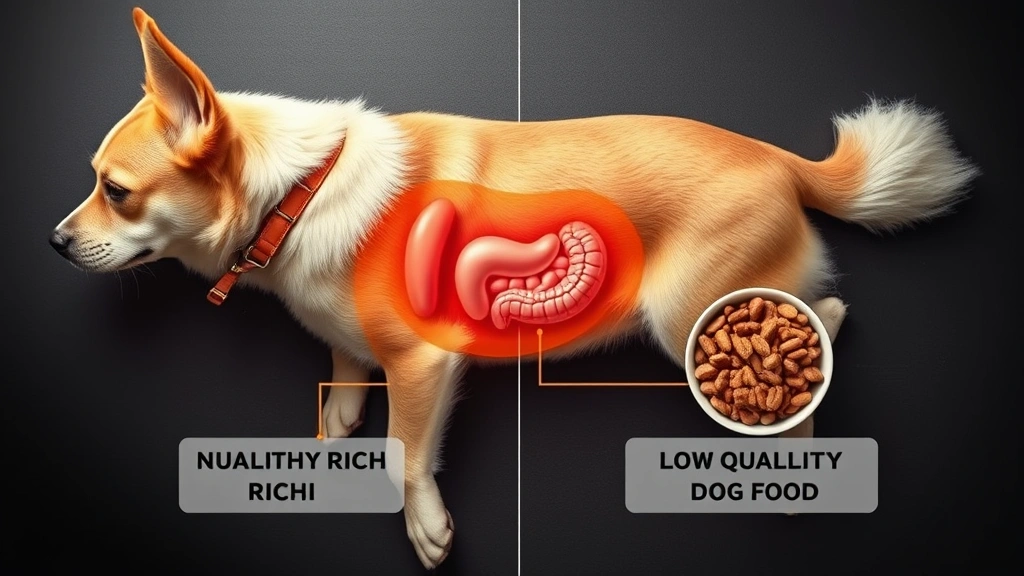
Here’s something most people don’t consider: what you feed your dog affects how attractive their waste is to rats. Dogs fed high-quality, highly digestible diets produce less waste overall, and that waste is less nutrient-rich. Conversely, dogs eating low-quality kibble or excessive treats produce more waste that’s packed with undigested nutrients.
If you’re struggling with rats, optimizing your dog’s diet might actually help. Better digestion means less appealing poop. Check out our Pet Nutrition Advice for guidance on choosing foods that support digestive health.
Signs Your Dog’s Waste is Attracting Rodents
How do you know if rats are actually feeding on your dog’s poop? Look for these signs: droppings near your dog’s waste area (rat droppings are smaller and more pointed than mouse droppings), gnaw marks on waste containers, or evidence of tunneling near where your dog typically goes to the bathroom.
You might also notice your dog acting anxious during bathroom breaks, or seeing actual rats scurrying away when you go outside. If you spot any of these signs, it’s time to take action immediately.
Professional Help and When to Call a Vet
If your dog has been exposed to rats or contaminated waste, contact your veterinarian. They can check for parasites and recommend preventative treatments. If you suspect your dog has ingested rat droppings or been bitten, seek immediate veterinary care. Learn more about when professional help is necessary in our guide on When to Call the Vet About Food.
For the rat infestation itself, you might need professional pest control. They can assess your property, identify entry points, and implement a comprehensive removal strategy. This is especially important if you’ve already got a significant rodent population.
Creating a Rat-Resistant Yard
Beyond just cleaning up poop, make your yard less attractive to rats overall. Remove fallen fruit, secure compost bins, trim vegetation away from structures, and eliminate water sources. Rats need water, so fixing leaky outdoor faucets and removing standing water can help.
Store pet food indoors, use elevated feeders if you must feed outside, and keep garbage cans sealed and away from your house. These measures work together to create an environment where rats find it easier to go somewhere else.
Summary: The Bottom Line
So, do rats eat dog poop? Absolutely, and it’s a real problem for pet owners. The good news is that it’s entirely preventable. By picking up waste immediately, storing it securely, optimizing your dog’s diet, and making your yard less hospitable to rodents, you can break the attraction cycle. It’s not complicated—it just requires consistency and awareness. Your dog’s health and your peace of mind are worth the effort.
Frequently Asked Questions
Can rats make my dog sick by eating their poop?
Indirectly, yes. If rats consume your dog’s waste and then contaminate your dog’s food, water, or living area with their droppings, your dog can get sick. Additionally, if rats bite your dog, they can transmit diseases directly. The best prevention is keeping rats away from your property entirely.
How often should I clean up after my dog to prevent rats?
Daily cleanup is ideal, preferably twice a day if you have multiple dogs. The longer waste sits, the more time rats have to find and feast on it. Immediate removal eliminates this attraction factor.
Will rat poison near my dog’s bathroom area be safe?
No. Rat poison is dangerous for dogs and other pets. If you need professional pest control, inform them about your dog’s bathroom habits and ask for pet-safe solutions. Never use poison in areas your dog frequents.
Can I use a litter box-style system for my dog’s waste?
Some people use designated potty areas with gravel or sand that can be raked and cleaned daily. This can work, but you still need to remove the waste regularly and store it securely. The key is not leaving it exposed.
What’s the best way to dispose of dog waste?
Seal it in bags and put it in your trash bin immediately, or use a dedicated waste disposal system designed for pet waste. Never leave it in open piles, and avoid composting dog waste unless you have a specialized system designed for this purpose.





