
Do Service Dogs Need to Wear a Vest? Legal Insights and Everything You Need to Know
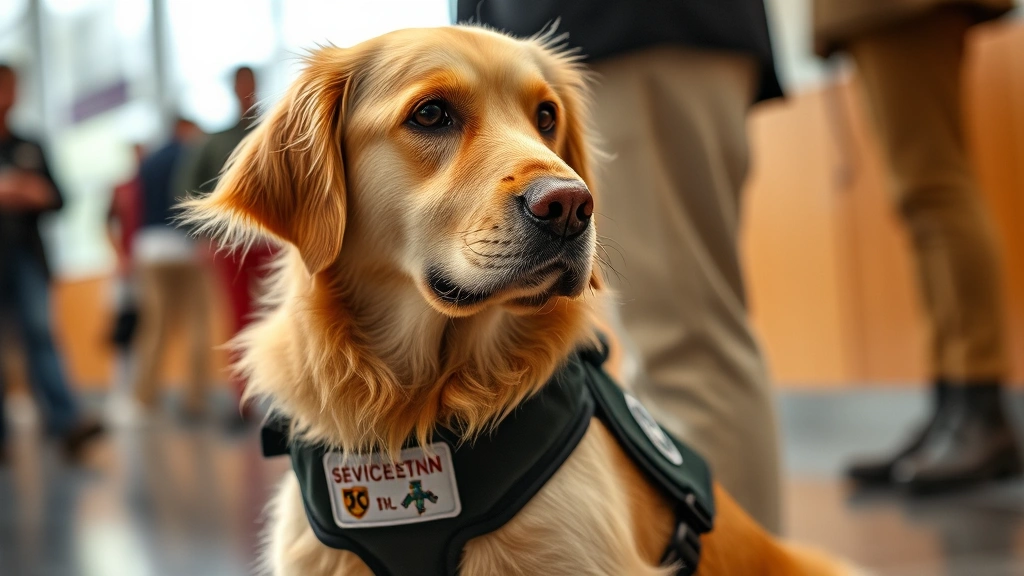
Picture this: you’re at the grocery store, and you spot a dog wearing an official-looking vest walking calmly beside someone. Your first instinct might be to assume that vest is legally required, but here’s the thing—the answer is far more nuanced than a simple yes or no. The question of whether service dogs need to wear a vest opens up a fascinating rabbit hole of legal regulations, practical considerations, and common misconceptions that affect millions of service dog handlers across the United States.
Service dogs perform incredibly important work. They guide people who are blind, alert individuals to seizures, detect dangerous blood sugar changes in diabetics, and provide stability to those with mobility issues. Given their critical role, it makes sense that people wonder about the rules governing their appearance and identification. Yet despite what many assume, there’s actually no federal law requiring service dogs to wear vests, harnesses, or any identifying gear whatsoever.
This might surprise you, but it’s true—and understanding the why behind this legal reality can help service dog handlers, business owners, and the general public navigate interactions with these working animals more effectively.
Federal Legal Requirements for Service Dog Vests
Let’s get straight to the point: there is no federal requirement that service dogs wear vests. The Americans with Disabilities Act (ADA), which is the primary federal legislation governing service animals in the United States, does not mandate any specific identification gear. This is a critical distinction that many people misunderstand.
Under the ADA, service dogs are defined as dogs that have been individually trained to perform tasks or do work for people with disabilities. The law is remarkably straightforward about what it requires—and remarkably silent about what it doesn’t. When you read through the official ADA guidelines, you’ll notice that vest requirements simply don’t appear in the text.
The legal framework allows service dogs to operate without any visible identification. This means a service dog could theoretically perform its duties without a vest, harness, patch, or any other identifying marker. While this might seem odd from a practical standpoint, there’s actually sound reasoning behind this legal approach. The ADA prioritizes function over form; what matters is what the dog does, not how it looks while doing it.
This lack of federal vest requirements can create confusion in real-world situations. Business owners, security personnel, and the general public often assume that service dogs must be visibly marked. When they encounter a service dog without a vest, they may question its legitimacy or the handler’s right to have the dog in a particular space. Understanding the actual legal landscape helps everyone navigate these encounters more smoothly.
What the ADA Actually Says
The ADA provides specific guidance about service animals, and it’s worth examining exactly what the law includes and excludes. According to the official ADA website and documentation, a service animal is defined as a dog (or in some cases, a miniature horse) that is individually trained to perform tasks or do work for a person with a disability.
The law specifies two key questions that businesses can ask to verify a service animal’s legitimacy: “Is the dog a service animal required because of a disability?” and “What tasks or work has the dog been trained to perform?” Notably, handlers are not required to produce documentation, certification, or identification—and yes, that includes vests. Business owners cannot demand proof of training, certification, or any specific identification before allowing a service dog into their establishment.
This legal structure exists for important reasons. The ADA recognizes that service animals come from various training programs, some formal and some informal. Some individuals train their own service dogs, and the law protects their right to do so. Additionally, people with disabilities shouldn’t face barriers to accessing public spaces simply because they can’t afford expensive certification or identification gear.
If you’re looking to understand more about the formal process of obtaining a service dog, you might want to explore how to make your dog a service dog, which covers the various pathways to service dog certification and training.
Practical Reasons Service Dogs Wear Vests
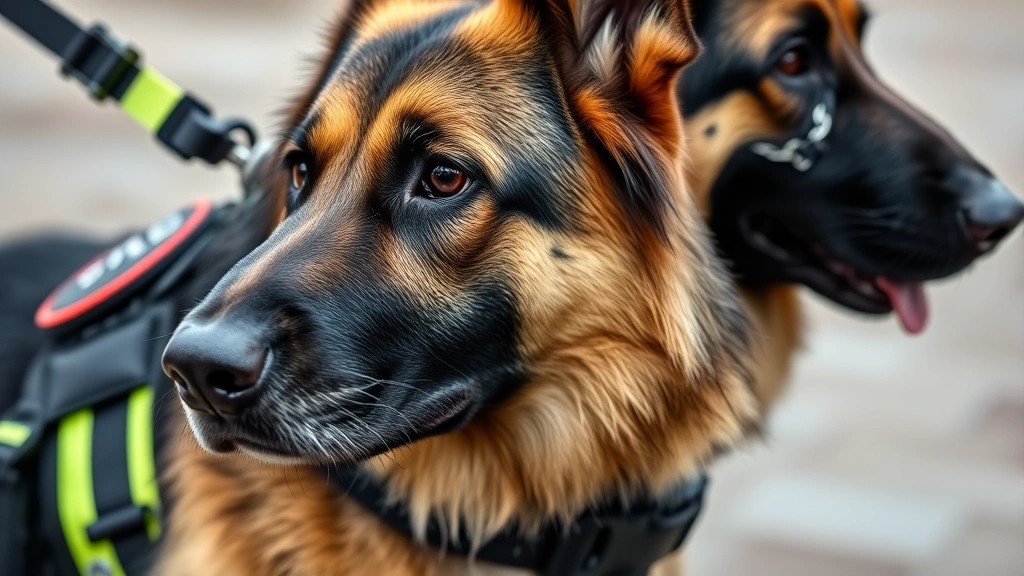
Despite the lack of legal requirement, many service dogs do wear vests—and there are excellent practical reasons for this choice. A vest serves as a universal signal to the public that the dog is working and shouldn’t be petted, fed, or distracted. This communication tool is invaluable in crowded public spaces where well-meaning strangers might otherwise approach the dog.
When a service dog is wearing a clearly marked vest, several things happen automatically. People tend to maintain distance. They’re less likely to try to pet the dog or offer it treats. Store employees understand they shouldn’t question the dog’s presence. The vest essentially creates a invisible boundary that communicates “this is a working animal” without the handler having to explain repeatedly.
From a handler’s perspective, a vest dramatically reduces stress in public settings. Instead of constantly fielding questions or dealing with people ignoring their explanations that the dog is working, handlers can simply point to the vest. It’s a practical solution to a real problem, even if it’s not legally mandated.
Additionally, vests can serve safety functions. Many include handles that people with mobility issues can use for balance or support. Some vests have reflective materials that increase visibility in low-light conditions. Others include pockets for medical information or emergency contact details. These practical benefits explain why so many handlers choose to use them regardless of legal requirements.

Benefits of Vest Identification
Beyond the immediate practical benefits, vest identification offers several advantages worth considering. For handlers dealing with anxiety-related disabilities, having visible identification for their service dog can reduce their own anxiety about public access. Knowing that the vest clearly marks their dog as a service animal can make navigating public spaces feel less confrontational and more secure.
Vests also provide protection against fraud. While fake service dog vests are available online and problematic, legitimate service dog vests with proper identification make it easier to distinguish actual service animals from pets. This matters because fake service dogs undermine the credibility of legitimate handlers and can create dangerous situations. A dog that hasn’t been trained as a service animal might react unpredictably in public settings, potentially harming people or creating disturbances.
For people unfamiliar with service dogs, vests provide education. They help the general public learn to recognize legitimate service animals and understand that these dogs have important jobs to do. Over time, as more people encounter properly identified service dogs, public awareness and respect for these animals increases.
From a training perspective, some handlers note that wearing a vest helps their dogs enter “work mode.” Dogs are incredibly perceptive and can pick up on contextual cues. Just as putting on a specific harness might signal playtime or a walk, a service vest can signal to the dog that it’s time to focus on their handler and their important responsibilities. This psychological benefit, while not scientifically proven in all cases, is reported by many handlers and trainers.
How Vests Relate to Service Dog Training
Understanding service dog training is crucial to understanding why vests matter in some contexts but remain optional in others. The process of training a service dog is extensive and rigorous. How to train a dog covers general training principles, but service dog training operates on an entirely different level of specialization and behavioral control.
A legitimate service dog undergoes hundreds of hours of training to perform specific tasks and to behave appropriately in public settings. This training includes learning to ignore distractions, remain calm in crowded environments, and focus entirely on their handler’s needs. The dog must be able to perform its trained tasks reliably and consistently, regardless of environmental factors.
Interestingly, the vest itself isn’t part of the core training for most service dogs. Dogs are trained to perform their tasks with or without any gear. However, some training programs do incorporate vest acclimation into their curriculum. They expose dogs to wearing vests during training so the dogs become comfortable with the gear before being paired with handlers.
Some service dogs work with harnesses that serve functional purposes beyond identification. For example, guide dogs for the blind use harnesses that handlers grip to navigate. These harnesses serve as both training tools and essential working equipment. Similarly, mobility assistance dogs might wear harnesses that handlers use to help them stand or move. In these cases, the gear isn’t optional—it’s integral to the dog’s ability to perform its job.
For handlers whose dogs have anxiety issues, the choice to use a vest might be influenced by how the dog responds to wearing gear. Some dogs find the vest comforting, while others might find it stressful. Experienced handlers and trainers consider the individual dog’s needs when deciding on identification gear.
State and Local Variations
While federal law doesn’t require service dog vests, some states and local jurisdictions have implemented their own regulations. It’s important for service dog handlers to understand the specific rules in their area, as these can vary significantly.
Some states have enacted legislation addressing fraudulent service dog claims. A few jurisdictions have created official service dog registries or identification systems, though these are not universally recognized and don’t replace ADA compliance. A handful of states have laws specifically addressing service dog misrepresentation, making it illegal to falsely claim a pet is a service dog or to purchase fake service dog vests.
However, even in states with these additional regulations, the basic principle remains: there is no requirement that legitimate service dogs wear vests. What some states do require is that handlers be truthful about their dogs’ status and that people not fraudulently misrepresent pets as service animals.
Handlers traveling between states should be aware that their service dog’s legal status doesn’t change, but local business policies might vary. A restaurant in one state might be more familiar with service dogs than an establishment in another state. Having a vest can smooth these interactions, even if it’s not legally required anywhere.
Local housing authorities sometimes have specific policies about service animals, and some might require documentation or identification. However, these policies cannot be more restrictive than ADA guidelines. If a housing provider asks for vest identification, this should be consistent with their policies for all residents’ service animals.
Why Handlers Choose Vests Anyway
Given that vests aren’t legally required, you might wonder why so many handlers use them. The answer is simple: practicality trumps legal requirements. Handlers make choices based on what works best for their individual situations, their dogs, and their daily lives.
Many handlers report that vests dramatically reduce unwanted interactions in public spaces. Without a vest, they might face repeated questions about their dog’s legitimacy, requests to remove the dog from establishments, or attempts by strangers to pet or distract their working animals. With a vest, these interactions decrease significantly. The vest communicates instantly what might otherwise require lengthy explanations.
Safety considerations also drive the choice to use vests. Service dogs without visible identification might be mistaken for pets in emergency situations. If a handler becomes incapacitated, first responders need to understand that the dog isn’t just a companion animal—it might be actively working or performing critical tasks. A vest helps communicate this crucial information.
Some handlers choose vests as a form of advocacy and education. By visibly marking their service dogs, they help the general public learn to recognize and respect working animals. This collective effort to normalize service dog identification helps create a more informed and accommodating society for all service dog handlers.
The choice to use a vest is deeply personal and depends on individual circumstances. Some handlers find vests unnecessary or even counterproductive for their situations. A handler whose service dog performs invisible tasks (like alerting to blood sugar changes) might feel that a vest creates unwanted attention. Another handler might find that their dog’s behavior and training alone are sufficient to communicate its working status. Understanding how dogs perceive and respond to their environment can also influence decisions about identification gear.
What matters most is that handlers have the freedom to make choices that work for them. The legal framework supports this flexibility, and the practical reality is that many handlers exercise it.
Frequently Asked Questions
Can a business refuse entry to a service dog that doesn’t wear a vest?
No. Under the ADA, businesses cannot refuse entry to a legitimate service dog based on lack of visible identification. However, businesses can ask the two permitted questions to verify a dog’s status. If the handler provides satisfactory answers, the dog must be allowed entry regardless of whether it’s wearing a vest. A vest is helpful but not required.
Is there a federal service dog registry or certification?
No. There is no official federal service dog registry, and the ADA does not require certification or registration. Some private companies offer registration services, but these are not legally required and have no special status under federal law. Be cautious of anyone claiming that registration is necessary or that it provides legal protection.
Can handlers legally purchase and use service dog vests?
Yes, absolutely. Handlers can purchase vests from legitimate service dog equipment suppliers. However, they should avoid misrepresenting their pets as service dogs. Using a service dog vest on a pet that isn’t actually a service dog is fraudulent and illegal in many jurisdictions.
What should I do if a business questions my service dog’s legitimacy?
Under the ADA, you only need to answer two questions: “Is this a service animal required because of a disability?” and “What tasks or work has the dog been trained to perform?” You don’t need to provide documentation, allow the dog to perform its task, or disclose your disability. If a business continues to deny access after you’ve answered these questions truthfully, you may have grounds for legal action under the ADA.
Are there any health or safety reasons to use a service dog vest?
Yes, several. Vests can improve visibility in low-light conditions if they include reflective materials. Some vests have handles that assist handlers with mobility issues. Vests can also help keep the dog’s identification visible in case of emergency. Additionally, many handlers find that the vest helps their dogs maintain focus on their work.
Do emotional support animals have different vest requirements than service dogs?
Yes, and this is an important distinction. Emotional support animals (ESAs) are not service animals under the ADA and have different legal protections. ESAs are protected under housing laws (Fair Housing Act) but not under public access laws. ESAs don’t have the same rights to accompany handlers in public spaces, and there are no legal requirements or permissions regarding vests for ESAs.
What’s the difference between a service dog vest and a regular dog vest?
A service dog vest is specifically designed to communicate that a dog is working. These vests typically include identification patches, handle attachments, and are made from durable materials. Regular dog vests are designed for warmth, fashion, or protection and don’t carry the same communicative function. Using a regular vest on a service dog won’t provide the same public recognition and communication benefits.





