
Do Service Dogs Need to Wear a Vest? Facts You Should Know
If you’ve ever spotted a dog wearing an official-looking vest in a grocery store or airport, you’ve probably wondered about the rules and regulations surrounding service dog attire. The short answer? No, service dogs are not legally required to wear a vest in the United States. However, the full story is considerably more nuanced and worth exploring in detail.
Service dogs perform critical tasks for people with disabilities, from guiding those who are blind to alerting individuals with diabetes about dangerous blood sugar levels. These remarkable animals undergo extensive training and become trusted partners in their handlers’ daily lives. But when it comes to the question of whether they must wear identifying gear, the answer involves federal law, practical considerations, and some surprising misconceptions that many people hold.
In this comprehensive guide, we’ll break down everything you need to know about service dog vests, including legal requirements, practical benefits, and how to distinguish legitimate service dogs from imposters. Whether you’re training a service dog, curious about the regulations, or simply want to understand what that vest really means, you’re in the right place.
Legal Requirements for Service Dog Vests
Let’s start with the most important fact: under the Americans with Disabilities Act (ADA), service dogs are not required to wear vests, harnesses, leashes, or any identifying equipment. The ADA recognizes service dogs based on their training and behavior, not their appearance or attire. This is a crucial distinction that many people misunderstand.
According to the official ADA guidelines on service animals, the only legal requirements are that the dog must be individually trained to perform specific tasks related to a person’s disability and must be under the handler’s control. A vest is entirely optional from a legal standpoint.
However, this doesn’t mean vests are pointless. While they’re not legally mandated, they serve important practical and communicative purposes. Many handlers choose to use them anyway, and there are good reasons for doing so. Understanding the difference between legal requirements and practical benefits is essential for anyone involved with service dogs.
State laws also don’t impose vest requirements. Some states have additional regulations about service dog access to certain facilities, but none require specific identifying gear. The vest requirement simply doesn’t exist in American law, though some people mistakenly believe it does.
Why Service Dogs Wear Vests (And Why It Matters)
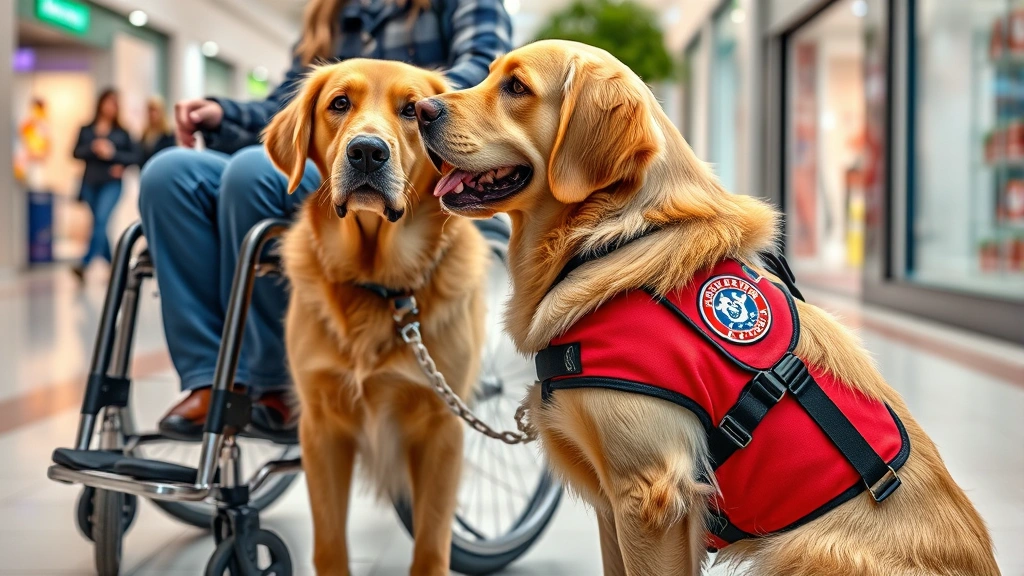
Even though vests aren’t legally required, the majority of legitimate service dog handlers use them. Why? The reasons are practical, communicative, and protective. A vest serves as a visual signal to the public that a dog is working and shouldn’t be petted, fed, or distracted. This is crucial because service dogs need to remain focused on their handlers to perform their critical tasks effectively.
When you’re learning how to make your dog a service dog, understanding the role of a vest in public communication becomes clear. The vest essentially says, “I’m working—please don’t interact with me.” Without this visual cue, well-meaning people constantly approach service dogs, which can interfere with their ability to perform their duties and detect emergencies.
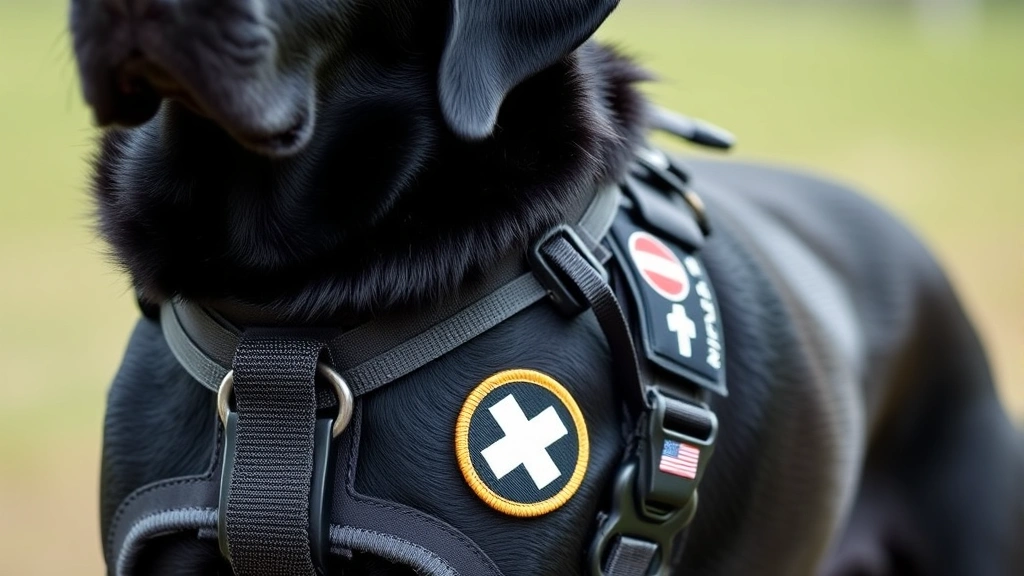
Vests also provide practical functionality. Many service dog vests include patches with contact information, medical alert symbols, or the handler’s name. Some vests have pockets or attachment points for medical equipment. For a dog trained to maintain optimal health through proper vaccinations and care, a vest can be part of their professional working setup.
Additionally, vests help establish a psychological boundary between the dog’s working mode and off-duty time. Many handlers report that their dogs understand when the vest goes on—it’s time to focus and work. When the vest comes off, the dog can relax and be a regular pet. This conditioning is valuable for maintaining the dog’s performance standards.
Types of Service Dog Vests
Service dog vests come in various styles and materials, each designed for different purposes and preferences. Understanding the options can help handlers choose the right gear for their specific situation.
Standard Patch Vests: These are the most common type, featuring a harness-style design with areas for patches indicating “Service Dog,” medical alert symbols, or the organization that trained the dog. They’re typically made from durable nylon and come in various colors, though black and red are most popular.
Tactical Vests: Designed for working dogs in professional settings, these heavy-duty vests often include multiple attachment points for equipment. They’re commonly used for service dogs working in law enforcement or medical alert situations.
Lightweight Vests: For dogs working in warm climates or those who need minimal gear, lightweight mesh vests provide visibility without excessive heat retention. These are popular in southern regions.
Custom Vests: Many handlers have vests custom-made to fit their dog’s specific needs, including special padding, medical equipment attachment points, or personalized patches.
The choice of vest depends on the handler’s needs, the dog’s size and comfort, climate considerations, and the specific tasks the dog performs. Some handlers use multiple vests for different situations—a lightweight one for everyday use and a heavier one for professional settings.
Identification and Public Access
One of the biggest misconceptions about service dogs is that they must be registered or carry official documentation. This is false. There is no official registry for service dogs in the United States, and the ADA doesn’t require registration, licensing, or identification cards. Any organization claiming to be an “official” service dog registry or selling registration certificates is misleading consumers.
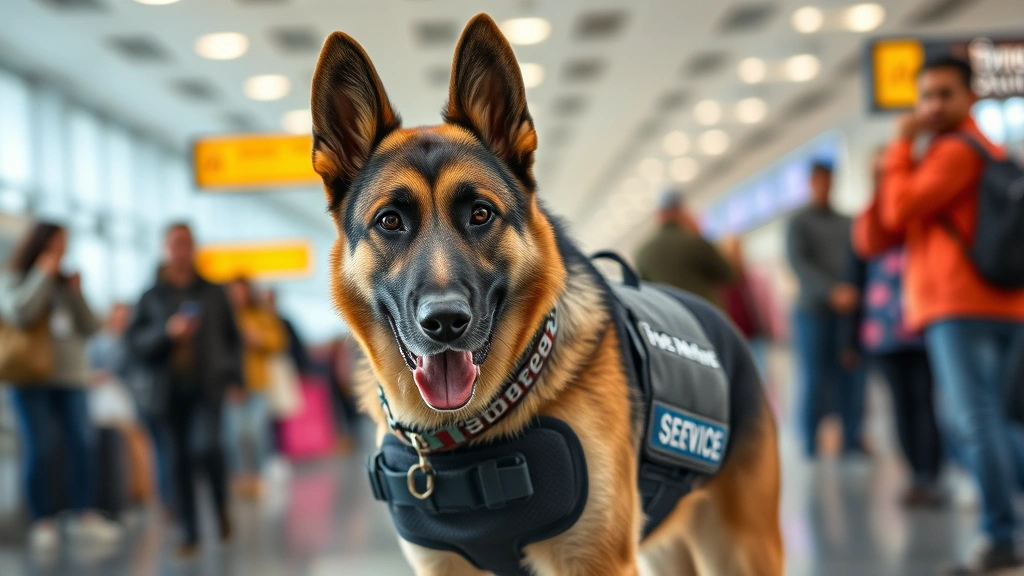
However, vests and harnesses serve as practical identification tools. When a dog wears a vest clearly marked “Service Dog,” it communicates to the public that the animal is working. This visual identification helps prevent people from attempting to pet, distract, or interact with the dog, which is essential for the dog’s ability to perform its duties.
Public access rights for service dogs are determined by the ADA, not by vests or documentation. According to the ADA website, service dogs are permitted in all areas where the public is allowed, including restaurants, hotels, airplanes, and stores. This access is granted based on the dog’s training and behavior, not its appearance or identification gear.
That said, businesses are allowed to ask two specific questions if they’re unsure whether a dog is a legitimate service animal: (1) Is the dog a service animal required because of a disability? and (2) What work or task has the dog been trained to perform? Handlers are not required to show documentation, but they must answer these questions honestly. A vest can help prevent these situations from arising in the first place.
Training Considerations and Comfort
When training a service dog, introducing the vest is an important part of the process. The dog must be comfortable wearing it for extended periods, sometimes eight hours or more per day. Proper conditioning is essential to ensure the vest doesn’t become a source of stress or distraction.
Training programs typically introduce vests gradually, starting with short periods and building up tolerance. The dog learns to associate the vest with positive experiences—going to work, getting treats, or spending time with their handler. This positive conditioning helps the dog understand that wearing the vest means it’s time to focus and perform.
Comfort is paramount. An ill-fitting vest can cause chafing, restrict movement, or create pressure points that interfere with the dog’s ability to perform tasks. Professional service dog organizations invest in high-quality vests that distribute weight evenly and allow full range of motion. A vest should never impede a dog’s ability to perform its trained tasks, whether that’s opening doors, detecting seizures, or retrieving items.
Some handlers choose not to use vests, and that’s perfectly acceptable. These handlers rely on their dog’s behavior and training to communicate that the dog is working. However, they often face more public interaction and questions, which can be challenging in busy environments.
The Problem of Fake Service Dogs
One of the most pressing issues facing legitimate service dog handlers is the proliferation of fake service dogs. People misrepresenting pets as service animals—often called “emotional support animals” or simply claiming their pet is a service dog—create real problems for people with disabilities and their legitimate service dogs.
The vest situation is complicated by the fact that anyone can purchase a vest online. There’s no legal barrier to buying a vest and putting it on a dog. This has led to a flood of untrained dogs wearing service dog vests, which undermines public trust and creates dangerous situations. Legitimate service dogs might be denied access because of prior negative experiences with fake service dogs.
Fake service dogs also pose safety risks. A dog that hasn’t undergone extensive training might attack another dog, bite a person, or behave unpredictably in public spaces. Legitimate service dogs are trained to ignore distractions and remain calm in any environment—a standard that untrained pets simply don’t meet.
Understanding the difference between service dogs and emotional support animals is crucial. Service dogs perform specific tasks and have public access rights under the ADA. Emotional support animals provide comfort through companionship but don’t have the same legal access rights and don’t require specialized training. Misrepresenting a pet as a service dog is illegal in many states and can result in fines.
The vest, while helpful for legitimate handlers, has become a tool for fraud. This is precisely why the ADA doesn’t require vests—if they were mandated, there would be an official registration system, which could be forged. By keeping vests optional, the ADA relies on the dog’s actual training and behavior to determine its legitimacy, not appearance.
Frequently Asked Questions
Is a service dog vest legally required?
No. The ADA does not require service dogs to wear vests, harnesses, leashes, or any identifying equipment. Vests are optional, though many handlers choose to use them for practical communication purposes.
Can I get a fake service dog vest online?
Yes, unfortunately. Anyone can purchase a service dog vest online, which is why vests alone don’t indicate a legitimate service dog. Legitimate service dogs are identified by their training and behavior, not their appearance.
What’s the difference between a service dog and an emotional support animal?
Service dogs are individually trained to perform specific tasks related to a disability and have public access rights under the ADA. Emotional support animals provide comfort through companionship but don’t perform specific tasks and don’t have the same legal access rights.
Do service dogs need to be registered?
No. There is no official service dog registry in the United States. Any organization claiming to be an “official” registry or selling registration certificates is misleading consumers. The ADA does not require registration or documentation.
What should I do if I see a dog claiming to be a service animal that’s misbehaving?
If an improperly behaved dog is causing problems, you can ask the handler the two ADA-permitted questions: Is the dog a service animal required because of a disability? What work or task has the dog been trained to perform? If the handler cannot answer these questions satisfactorily, the dog may not have legal public access rights.
Can a service dog be denied access because it doesn’t wear a vest?
No. A business cannot deny access to a legitimate service dog based on lack of a vest or other identifying gear. However, they can ask the two ADA questions and deny access if the dog is not actually a service animal or is misbehaving.
Should I put a vest on my service dog?
That’s a personal choice. Vests are helpful for communicating to the public that your dog is working and shouldn’t be distracted. However, they’re not required, and some handlers prefer to rely on their dog’s training and behavior alone. Consider your specific situation, the environments where your dog works, and your dog’s comfort level.
How do I train my dog to be comfortable wearing a vest?
Introduce the vest gradually with positive reinforcement. Start with short periods and gradually increase duration. Reward your dog for wearing the vest with treats and praise. Make sure the vest fits properly and doesn’t cause discomfort. Professional trainers can provide guidance specific to your dog’s needs.





