
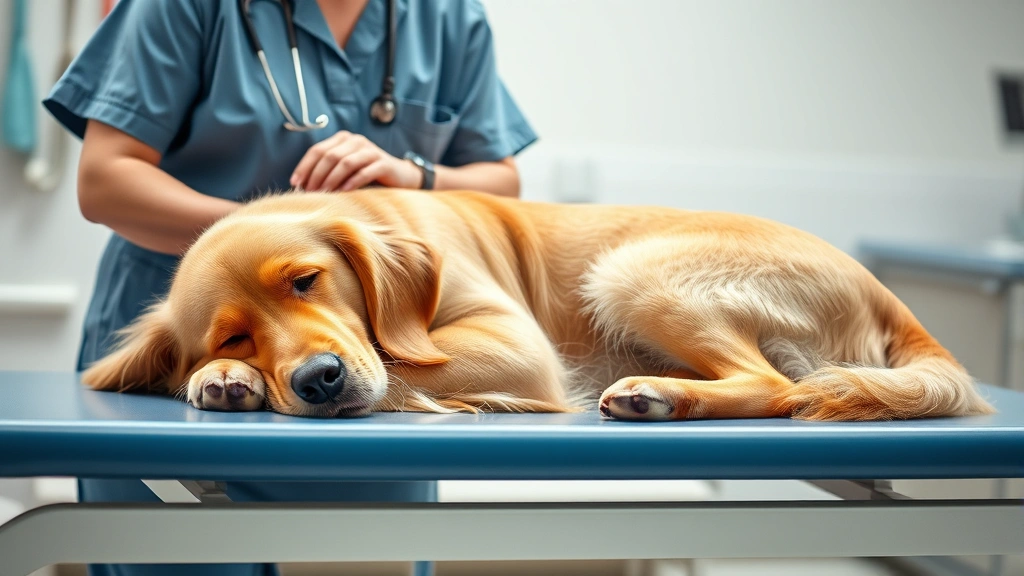
Do spayed dogs go into heat? The short answer is no—but the real story is way more interesting than that. If you’ve recently had your female dog spayed or you’re considering the procedure, you probably have questions about what happens to her hormones, her behavior, and whether you’ll still see signs of estrus. Let’s dig into the science, the myths, and everything in between.
Table of Contents
- What Exactly Happens During Spaying?
- Understanding the Canine Heat Cycle Before Spaying
- The Post-Spay Reality: No Heat, Ever
- Ovarian Remnant Syndrome: The Rare Exception
- Behavioral Changes You Might Notice After Spaying
- Health Benefits of Spaying and Eliminating Heat Cycles
- When to Spay: Timing Matters
- Post-Spay Care and Recovery
- Common Myths About Spayed Dogs and Heat
- Monitoring Your Spayed Dog’s Health
- The Bottom Line on Spayed Dogs and Heat
- Frequently Asked Questions
What Exactly Happens During Spaying?
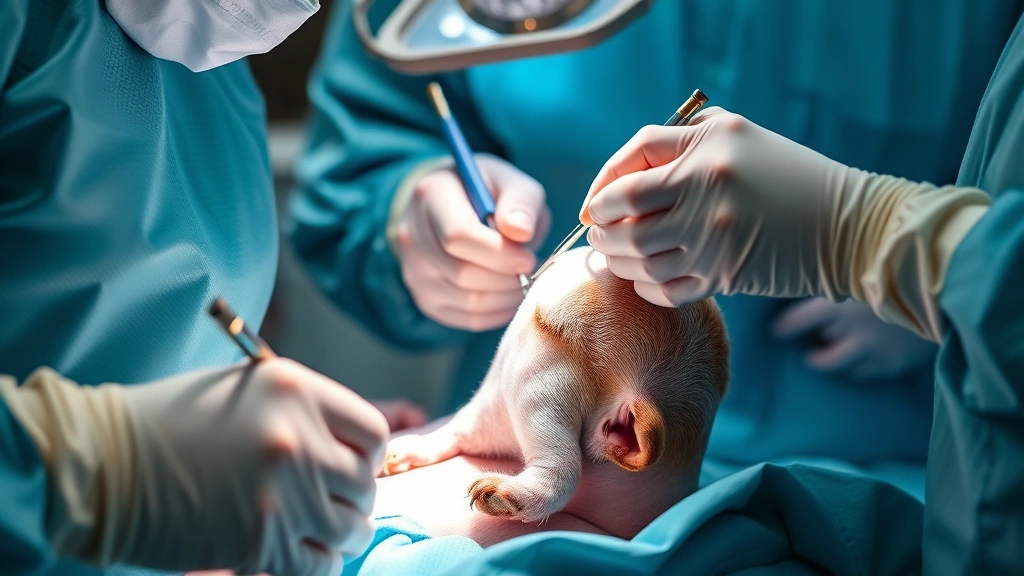
When your vet spays your dog, they’re removing her ovaries and uterus (or sometimes just the ovaries, depending on the surgical approach). This is major surgery, but it’s one of the most common procedures performed on female dogs. The removal of the ovaries is the game-changer here—those little organs are responsible for producing estrogen and progesterone, the hormones that drive the heat cycle.
Think of it like this: the ovaries are the control center for your dog’s reproductive hormones. Remove them, and you’ve essentially hit the off switch on the entire heat cycle. No ovaries equals no heat cycle. It’s pretty straightforward from a biological standpoint.
Understanding the Canine Heat Cycle Before Spaying
To really understand why spayed dogs don’t go into heat, let’s talk about what heat actually looks like in intact female dogs. The estrous cycle (fancy term for heat) typically happens twice a year and lasts about 2-3 weeks. During this time, your dog’s body is preparing for reproduction, and she’ll display some pretty obvious signs: swollen vulva, bloody discharge, increased urination, and behavioral changes like restlessness or increased affection.
The cycle has four stages: proestrus (the beginning), estrus (when she’s fertile), diestrus (after ovulation), and anestrus (the quiet period). It’s a complex hormonal dance that spaying completely eliminates.
The Post-Spay Reality: No Heat, Ever
Here’s the truth that every dog owner needs to know: once your dog is spayed, she will never go into heat again. This is one of the primary reasons veterinarians recommend spaying. It’s permanent, it’s reliable, and it eliminates a whole host of reproductive health issues down the road, including uterine infections and mammary tumors.
Your spayed dog won’t have the physical signs of heat, won’t attract male dogs, and won’t have the behavioral changes associated with estrus. She’ll be her normal self year-round. No more managing a dog in heat—that’s a genuine benefit that many pet owners appreciate.
Ovarian Remnant Syndrome: The Rare Exception
Now, here’s where things get a little weird. There’s a condition called ovarian remnant syndrome (ORS) that can occur if a veterinarian accidentally leaves a small piece of ovarian tissue behind during spaying. This is rare, but it happens. If even a tiny fragment of ovary remains, it can continue producing hormones, and your dog might still experience heat cycles.
Signs of ORS include the same heat symptoms you’d see in an intact dog: vulvar swelling, bloody discharge, and attracting male dogs. If you notice these signs after your dog has been spayed, contact your vet immediately. A blood test can confirm whether ORS is the culprit, and your vet can perform a second surgery to remove the remaining tissue. It’s not common, but it’s worth knowing about.
Behavioral Changes You Might Notice After Spaying
While your spayed dog won’t go into heat, you might notice other behavioral shifts post-surgery. Some dogs become calmer and less anxious, while others might gain weight more easily (thanks to decreased metabolic rate). Some owners report that their spayed dogs become slightly less energetic or more food-motivated.

These changes are normal and related to the hormonal shift, but they’re not signs of heat. They’re just your dog adjusting to her new hormonal reality. Regular exercise and proper nutrition—check out our Pet Nutrition Advice for guidance—can help manage any unwanted weight gain.
Health Benefits of Spaying and Eliminating Heat Cycles
Beyond the obvious benefit of not dealing with a dog in heat, spaying offers serious health advantages. According to the American Kennel Club (AKC), spaying dramatically reduces the risk of mammary tumors, especially when done before the first heat cycle. It also eliminates the risk of pyometra (a life-threatening uterine infection) and ovarian cancer.
The American Veterinary Medical Association supports spaying as a crucial part of responsible pet ownership. It’s one of the most evidence-based recommendations in veterinary medicine, and the health benefits are substantial.
When to Spay: Timing Matters
Most vets recommend spaying between 5-6 months of age, before the first heat cycle. Some newer research suggests waiting until after the first heat cycle or even until 12-18 months for large breed dogs to reduce orthopedic issues, but this is a conversation to have with your vet.
The earlier you spay, the greater the protection against mammary tumors. If you’re unsure about the best timing for your dog, our Telehealth Pet Nutrition Consultation service can connect you with a vet who can provide personalized guidance.
Post-Spay Care and Recovery
After spaying, your dog will need proper recovery care. This means limiting activity for 7-10 days, keeping the incision clean and dry, and monitoring for signs of infection. Your vet will provide detailed post-operative instructions, and it’s crucial to follow them closely.
During recovery, your dog might be quieter than usual, have reduced appetite, or show mild discomfort. This is normal. Pain management is important, and your vet will likely prescribe pain relief medication. If you notice excessive swelling, discharge from the incision, or signs of infection, contact your vet right away.
Common Myths About Spayed Dogs and Heat
Let’s bust some myths. Myth #1: Spayed dogs can still go into heat. False. Once those ovaries are out, heat cycles stop permanently (except in the rare case of ORS). Myth #2: Spaying changes your dog’s personality completely. Not necessarily. While some behavioral shifts occur, most dogs maintain their core personality traits. Myth #3: Spaying is unsafe or causes serious complications. False. It’s one of the safest surgical procedures in veterinary medicine, with complications being rare.
Another myth: your dog needs to have one heat cycle before spaying. This is outdated advice. Modern veterinary science shows that spaying before the first heat actually provides better health outcomes.
Monitoring Your Spayed Dog’s Health
After spaying, regular health monitoring is essential. Annual vet check-ups, appropriate exercise, and a balanced diet all contribute to your dog’s long-term health. If you want to stay proactive about your dog’s health between vet visits, our Online Pet Diagnostics service can help you track important health metrics and catch potential issues early.
Additionally, Remote Pet Health Monitoring allows you to keep tabs on your dog’s overall wellness and share data with your veterinarian as needed.
The Bottom Line on Spayed Dogs and Heat
Do spayed dogs go into heat? Absolutely not. Spaying is a permanent solution that eliminates heat cycles, protects against serious reproductive diseases, and reduces the risk of certain cancers. It’s one of the most important health decisions you can make for your female dog. If you’re considering spaying or have recently had your dog spayed, rest assured that you’re making a choice backed by decades of veterinary science and evidence. For more detailed information, check out PetMD’s comprehensive guide on spaying.
Frequently Asked Questions
Can a spayed dog still bleed like she’s in heat?
In rare cases, yes. If ovarian remnant syndrome occurs due to incomplete removal of ovarian tissue, a spayed dog might experience some bleeding. This requires veterinary evaluation and likely a second surgery. However, this is uncommon and shouldn’t happen with a properly performed spay procedure.
How long after spaying does a dog stop going into heat?
Immediately. Once the surgery is complete and the ovaries are removed, hormone production stops, and heat cycles cease. There’s no waiting period—your dog won’t go into heat again.
Will my spayed dog’s personality change?
Personality changes vary by individual dog. Some become calmer, while others remain energetic and playful. Hormonal changes might affect behavior slightly, but most dogs maintain their core personality traits after spaying.
Is spaying safe for all dogs?
Spaying is generally safe, but certain health conditions or breed predispositions might require special consideration. Discuss your dog’s individual health status with your vet before surgery to ensure she’s a good candidate.
What’s the difference between spaying and neutering?
Spaying is the removal of ovaries and uterus in female dogs, while neutering is the removal of testicles in male dogs. Both procedures prevent reproduction and offer health benefits.





