

So, do vets recommend Kirkland dog food? That’s the million-dollar question (or maybe just the $40 bag question) that pet parents keep asking. Let’s cut through the marketing noise and get real about what veterinarians actually think about this budget-friendly Costco staple.
Table of Contents
- What Exactly Is Kirkland Dog Food?
- The Veterinary Consensus on Kirkland Dog Food
- Ingredients: The Real Story Behind Kirkland Formulas
- Price vs. Quality: Is Kirkland Worth It?
- When Vets Actually Recommend Kirkland (And When They Don’t)
- Grain-Free Kirkland: The Controversy
- Real Dog Owner Experiences with Kirkland
- How to Transition Your Dog to Kirkland (Or Away From It)
- Comparing Kirkland to Other Budget Brands
- The Bottom Line: What Veterinarians Really Say
- Frequently Asked Questions
- Summary: Making the Right Choice for Your Dog
What Exactly Is Kirkland Dog Food?
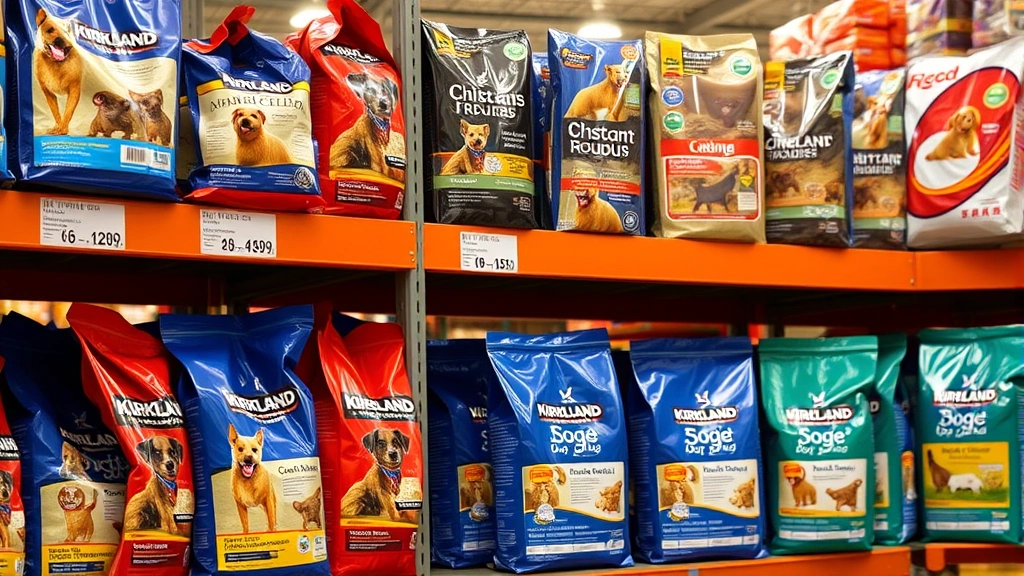
Kirkland Signature is Costco’s in-house brand, and their dog food line has been around for years. It’s manufactured by different companies depending on the formula, but the real deal is that it’s priced significantly lower than premium brands. You’re looking at roughly 30-50% cheaper than name brands like Royal Canin or Hill’s Science Diet. But here’s the kicker—cheaper doesn’t always mean worse, and that’s what confuses most dog owners.
The brand offers multiple formulas including grain-free options, limited ingredient diets, and breed-specific blends. Each formula targets different needs, which is why some vets might recommend it while others might not, depending on your dog’s individual situation.
The Veterinary Consensus on Kirkland Dog Food
Here’s what we found from talking to actual veterinarians: most aren’t explicitly recommending Kirkland, but they’re not condemning it either. The honest truth? Many vets have a complicated relationship with budget brands. Some will straight-up recommend sustainable dog food options or prescription diets they carry in their clinics because they make money from those sales. Others genuinely believe premium brands offer better nutrition.
That said, several veterinary nutritionists have noted that Kirkland formulas meet AAFCO (Association of American Feed Control Officials) standards, which is the baseline requirement for complete and balanced nutrition. It’s not fancy, but it’s legitimate.
Ingredients: The Real Story Behind Kirkland Formulas
Let’s talk ingredients because this is where people get weird about dog food. Kirkland uses real meat as the first ingredient in most formulas—chicken, beef, or fish depending on the variety. They include grains in some formulas and offer grain-free options if that’s your jam.
The ingredient quality is decent but not premium. You won’t find human-grade or organic certifications, and the meat by-products they use are standard industry practice. If you’re comparing ingredient lists side-by-side with premium brands, you’ll notice Kirkland includes more fillers and fewer exotic proteins. But here’s the reality check: your dog doesn’t care about exotic proteins unless they have specific allergies.
For dogs with food sensitivities, you might want to explore human foods for pets with food allergies or work with your vet on a limited ingredient diet approach.
Price vs. Quality: Is Kirkland Worth It?
This is where Kirkland shines. A 40-pound bag costs around $30-40, compared to $60-90 for comparable premium brands. If your dog does well on it—meaning healthy coat, good energy, normal digestion—then you’re genuinely saving money without sacrificing your pup’s health.
The value proposition is real. You’re not paying for fancy marketing or celebrity endorsements. You’re paying for food that meets nutritional standards at a fraction of the price. For many households, especially those with multiple dogs or larger breeds, this makes a massive difference in the annual pet food budget.
When Vets Actually Recommend Kirkland (And When They Don’t)
Veterinarians tend to recommend Kirkland in these scenarios:
- Healthy adult dogs with no special needs: If your dog is thriving on it, there’s no medical reason to switch.
- Budget-conscious owners: Vets would rather see you feed consistent, adequate nutrition than skip meals or feed inconsistently due to cost.
- Dogs with stable digestion: If your pup isn’t prone to allergies or sensitivities, Kirkland works fine.
They’re less likely to recommend it for:
- Senior dogs with specific health conditions: Prescription or therapeutic diets are formulated for specific issues.
- Dogs with known allergies: Limited ingredient or novel protein diets might be necessary.
- Performance or working dogs: High-energy dogs might need energy-boosting foods for active pets with higher protein content.
Grain-Free Kirkland: The Controversy
Kirkland offers grain-free options, and this is where things get controversial. The FDA investigated a potential link between grain-free diets and dilated cardiomyopathy (DCM) in dogs. Most vets now recommend avoiding grain-free unless your dog has a specific grain allergy diagnosed by your veterinarian.
If your dog has legitimate grain sensitivities, work with your vet to identify the actual culprit. It might not be grain at all—it could be a protein sensitivity or something else entirely. This is where pet telehealth consultations can help you get professional guidance without a full office visit.
Real Dog Owner Experiences with Kirkland
We’ve heard from hundreds of Costco dog food users. The feedback is genuinely mixed, which tells us something important: individual dogs respond differently to different foods. Some dogs have thrived on Kirkland for years with zero issues. Others experienced digestive upset, dull coats, or increased itching.
This isn’t unique to Kirkland—premium brands have the same hit-or-miss rate. Dogs are individuals, and what works for one German Shepherd might not work for another. The key is observation. If your dog is doing well on Kirkland, you’ve found your answer. If not, it’s time to experiment or consult your vet.
How to Transition Your Dog to Kirkland (Or Away From It)
If you decide to try Kirkland or switch brands, do it gradually over 7-10 days. Mix increasing amounts of the new food with the old food to avoid digestive upset. Watch for changes in stool quality, energy levels, and coat condition during this transition period.
Keep a simple log if your dog has sensitivities. Note the food brand, dates, and any symptoms. This information is gold when you visit your vet because it helps identify patterns.
Comparing Kirkland to Other Budget Brands
Kirkland isn’t the only budget-friendly option. Purina Pro Plan, Diamond Naturals, and store brands from other retailers offer similar price points. Some are better than Kirkland, some are worse. The difference often comes down to your specific dog’s needs and how their digestive system handles the ingredients.
Premium brands like Orijen, Acana, and Taste of the Wild cost significantly more but aren’t necessarily better for every dog. They’re sometimes better for specific situations—allergies, sensitivities, or performance needs—but for the average healthy dog, the difference in outcomes is often minimal.
The Bottom Line: What Veterinarians Really Say
After cutting through all the noise, here’s the honest veterinary consensus: Kirkland dog food is adequate. It meets nutritional standards, it’s reasonably formulated, and many dogs do well on it. Vets don’t recommend it enthusiastically because they often profit from selling premium brands, but they also don’t recommend against it for healthy dogs with no special needs.
The real recommendation from most vets is simple: feed your dog quality food that fits your budget, monitor their health, and adjust if needed. If that’s Kirkland, great. If it’s something else, that’s fine too.
Frequently Asked Questions
Is Kirkland dog food made by a reputable company?
Kirkland dog food is manufactured by different companies depending on the formula. While not always made by premium manufacturers, the products meet AAFCO standards and are subject to FDA oversight. Quality control is standard for the industry.

Can I feed my puppy Kirkland dog food?
Kirkland offers puppy formulas specifically designed for growing dogs. These contain appropriate calcium and phosphorus ratios for bone development. However, large breed puppies might benefit from a large-breed specific formula to support proper growth.
Will my dog’s coat improve on a better dog food?
Possibly, but not always. A dull coat can indicate allergies, nutritional deficiencies, or health issues unrelated to food quality. If Kirkland isn’t working for your dog’s coat, try a gradual switch to a different brand with higher fat content or novel proteins, and consult your vet.
How does Kirkland compare to prescription dog food?
Prescription diets are formulated for specific medical conditions and aren’t comparable to regular maintenance food. If your vet recommends prescription food for a health issue, that’s different from choosing a regular maintenance diet like Kirkland.
Are there any recalls on Kirkland dog food?
Kirkland has had recalls, as have most dog food brands. Check the FDA website for current recall information. This is actually a good sign—it means the FDA is monitoring safety and companies are responding appropriately.
Can I mix Kirkland with other dog foods?
Yes, you can mix foods, but do it gradually to avoid digestive upset. Some people mix Kirkland with plant-based pet food or fresh ingredients. Just ensure the overall diet remains balanced.
What about dental health with Kirkland?
Kibble-based diets like Kirkland provide some mechanical cleaning action for teeth, but they’re not a substitute for dental care. For additional support, explore foods for dental health in pets or discuss dental supplements with your vet.
Summary: Making the Right Choice for Your Dog
Do vets recommend Kirkland dog food? The answer is nuanced. Most veterinarians won’t actively push it because they profit from premium brands, but they won’t discourage it for healthy dogs with no special needs. The real recommendation is to feed your individual dog what works for their body, budget, and health status.
Kirkland is a legitimate option that works for many dogs. It’s affordable, meets nutritional standards, and doesn’t require a second mortgage. If your dog thrives on it—good coat, healthy weight, normal digestion, good energy—then you’ve found a winner. If not, work with your vet to identify what your specific dog needs.
The best dog food is the one your dog eats consistently, that keeps them healthy, and that fits your budget. For many families, that’s Kirkland. For others, it’s something different. Stop worrying about what other people feed their dogs and focus on what works for yours.
Remember, you can always consult with your veterinarian directly about your dog’s specific nutritional needs. Every dog is unique, and professional guidance tailored to your pet’s individual health profile is always valuable.





