

Do Dogs Fart? Understanding Canine Gas and What It Means for Your Pup
If you’ve ever been sitting peacefully with your furry companion, only to catch a whiff of something decidedly un-pleasant, you’re not alone. Yes, dogs fart—and they do it more often than you might think! While it might seem amusing (or embarrassing, depending on where you are), canine flatulence is actually a completely normal biological process. However, understanding why your dog produces gas and when it might signal a problem can help you become a better pet parent.
The truth is, digestive gas is a natural byproduct of how dogs process food. Just like humans, dogs have bacteria in their digestive system that produce gases as they break down food. Sometimes these gases escape silently, and sometimes they announce themselves with an unmistakable sound and smell. The question isn’t really whether dogs fart—they absolutely do—but rather, what causes it and when you should be concerned.
In this comprehensive guide, we’ll explore the science behind canine flatulence, discuss the various causes, and help you determine when your dog’s gas is just a funny quirk versus a sign of something more serious. Let’s dive in and demystify one of the most amusing (and sometimes embarrassing) aspects of dog ownership.
The Science Behind Dog Farts
To understand why your dog produces gas, we need to look at the digestive system. Dogs, like all mammals, have a complex network of organs working together to break down food and extract nutrients. When food enters the stomach and intestines, bacteria naturally present in the digestive tract begin fermenting undigested carbohydrates and fiber. This fermentation process produces gases—primarily nitrogen, oxygen, hydrogen, carbon dioxide, and methane.
The amount of gas produced depends on several factors, including your dog’s diet, how quickly they eat, and the efficiency of their digestive system. Some dogs are simply more prone to gas production than others, just like some people are. Breeds with shorter digestive tracts or those prone to eating quickly tend to produce more gas because they swallow more air while eating.
Interestingly, dogs can indeed fart, and the process is remarkably similar to human flatulence. The gases build up in the colon and are expelled through the rectum. Sometimes you’ll hear it, and sometimes you won’t—but rest assured, if your dog eats, your dog farts. It’s just part of being a living, breathing creature with a functioning digestive system.
According to the American Kennel Club’s expert resources, occasional flatulence in dogs is completely normal and nothing to be alarmed about. However, chronic or particularly foul-smelling gas can sometimes indicate underlying digestive issues that merit attention.

Common Causes of Canine Gas
While some gas is normal, understanding what triggers excessive flatulence can help you manage it. Several factors contribute to your dog producing more gas than usual.
Swallowing Air: Dogs who eat too quickly or are overly excited during mealtimes tend to swallow excess air, leading to increased gas. This is particularly common in enthusiastic eaters and dogs who compete with other pets for food.
Food Sensitivities: Just like humans, dogs can have sensitivities to certain foods. Some dogs struggle to digest specific ingredients, leading to increased fermentation and gas production. If you’re wondering whether dogs can eat beans, the answer is yes—but beans are also a common culprit behind excessive flatulence due to their high fiber and complex carbohydrate content.
Intestinal Dysbiosis: An imbalance of bacteria in the gut can lead to excessive gas production. This condition might develop due to antibiotic use, dietary changes, or underlying health issues.
Constipation and Digestive Slowdown: When food moves too slowly through the digestive tract, bacteria have more time to ferment it, producing additional gas. If your dog is experiencing digestive issues like diarrhea, they might also experience increased gas.
Swallowing Non-Food Items: Dogs who eat dirt, grass, or other non-food items can experience increased gas. If your pup has this habit, you might want to explore why dogs eat dirt and how to discourage the behavior.
Underlying Health Conditions: Conditions like exocrine pancreatic insufficiency, inflammatory bowel disease, or other digestive disorders can increase gas production. These require veterinary attention and proper diagnosis.
Dietary Factors and Flatulence
What you feed your dog plays a significant role in how much gas they produce. The composition of their diet directly affects the fermentation process in their gut.
High-Fiber Diets: While fiber is important for digestive health, too much can lead to excessive gas. Some commercial dog foods contain high levels of plant-based fibers that dogs struggle to digest efficiently. If your dog is prone to flatulence, you might need to evaluate their fiber intake.
Low-Quality Ingredients: Foods with excessive fillers, artificial additives, or low-digestibility ingredients require more bacterial fermentation, producing more gas. Higher-quality, more digestible proteins and carbohydrates generally result in less gas.
Sudden Diet Changes: When you switch your dog’s food, their gut bacteria need time to adjust. A rapid dietary change can cause temporary increased gas production. Veterinarians typically recommend transitioning to new food over 7-10 days to minimize digestive upset.
Problematic Foods: Certain foods are notorious for causing gas in dogs. These include soy, corn, wheat, and certain types of vegetables. Additionally, if you’re considering adding beans to your dog’s diet, be aware that they’re high in oligosaccharides—compounds that ferment easily and produce gas.
If your dog is dealing with digestive issues, considering what to feed a dog with diarrhea becomes crucial. Bland, easily digestible foods are typically recommended during periods of digestive distress.
The ASPCA provides excellent nutritional guidance for pet owners looking to optimize their dog’s diet for digestive health.
When to Worry About Your Dog’s Gas
Occasional flatulence is normal, but certain signs warrant veterinary attention. Here’s how to distinguish between normal dog farts and symptoms of potential problems.
Excessive Frequency: If your dog is farting significantly more than usual, it could indicate a dietary issue or health problem. A sudden increase in flatulence warrants investigation.
Particularly Foul Odor: While dog farts aren’t pleasant, there’s a difference between normal unpleasant and unusually pungent. Extremely foul-smelling gas can indicate bacterial overgrowth or malabsorption issues. If you’ve noticed this pattern, our article on why dog farts smell so bad explores this in detail.
Accompanying Symptoms: Gas combined with other symptoms like diarrhea, constipation, vomiting, loss of appetite, weight loss, or lethargy suggests something more serious. These warrant immediate veterinary evaluation.
Bloating or Abdominal Distension: If your dog’s belly appears swollen or distended, this could indicate bloat—a serious emergency condition. Seek immediate veterinary care if you notice this, especially combined with restlessness or unsuccessful attempts to vomit.
Changes in Behavior: If your dog seems uncomfortable, frequently assumes a play-bow position, or appears to be in pain, consult your veterinarian. Digestive discomfort can significantly impact your dog’s quality of life.
According to UC Davis School of Veterinary Medicine, chronic digestive issues in dogs should always be evaluated by a professional to rule out underlying conditions.
Reducing and Managing Excessive Flatulence
If your dog’s gas is becoming a problem—whether for their comfort or your household’s olfactory well-being—several strategies can help reduce it.
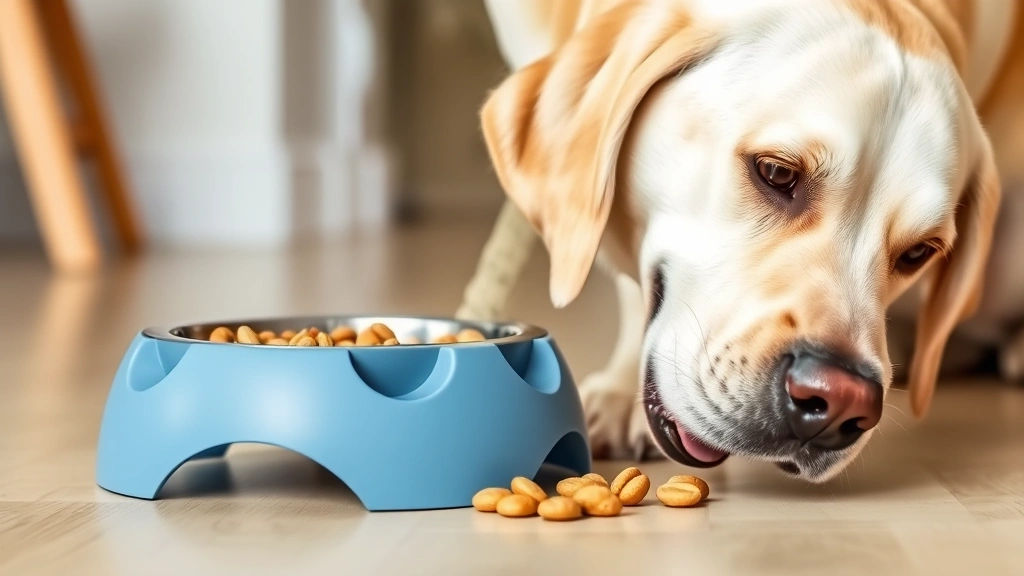
Slow Down Mealtime: Use slow-feeder bowls or puzzle feeders to encourage your dog to eat more slowly, reducing air intake. Feeding multiple smaller meals throughout the day instead of one large meal can also help.
Dietary Adjustments: Switch to a high-quality, highly digestible dog food. Look for foods with named meat proteins as primary ingredients and limited fillers. Your veterinarian can recommend appropriate options based on your dog’s specific needs.
Probiotic Supplements: Adding dog-specific probiotics to your pet’s diet can help restore healthy gut bacteria balance and reduce gas production. Always consult your veterinarian before starting supplements.
Exercise: Regular physical activity aids digestion and can reduce gas. A good walk after meals can help move food through the digestive system more efficiently.
Avoid Problem Foods: If you’ve identified specific foods that trigger excessive gas, eliminate them from your dog’s diet. Keep a food diary to track which items correlate with increased flatulence.
Limit Table Scraps: Human food, particularly fatty or highly processed items, can trigger digestive upset and gas. Stick to your dog’s regular food and approved treats.
Hydration: Ensure your dog has access to fresh water throughout the day. Proper hydration supports digestive health and overall wellness.
If dietary changes don’t resolve the issue, your veterinarian might recommend prescription digestive enzymes or other medications to support your dog’s digestion.
Frequently Asked Questions
Is it normal for dogs to fart?
Yes, absolutely! All healthy dogs produce gas as a normal part of digestion. The frequency and odor vary based on diet, breed, and individual digestive efficiency. Occasional flatulence is nothing to worry about.
Why do some dogs fart more than others?
Several factors influence gas production, including diet composition, eating speed, breed characteristics, age, and individual digestive efficiency. Breeds with sensitive stomachs or those prone to eating quickly typically produce more gas than others.
Can dog farts make them sick?
Occasional gas won’t make your dog sick. However, if excessive gas is accompanied by other symptoms like vomiting, diarrhea, or abdominal pain, it could indicate an underlying health issue requiring veterinary attention.
What’s the best food for dogs prone to gas?
High-quality, highly digestible foods with named meat proteins and limited fillers work best for gassy dogs. Avoid foods high in soy, corn, and wheat. Your veterinarian can recommend specific brands suited to your dog’s needs.
Should I be concerned about silent farts from my dog?
Silent farts are completely normal and actually quite common. If they’re accompanied by foul odor, monitor for other digestive symptoms. Otherwise, they’re just your dog’s way of releasing gas without the sound effects.
Can probiotics really help reduce dog gas?
Yes, quality dog-specific probiotics can help restore healthy gut bacteria balance and potentially reduce gas production. However, results vary by individual dog. Always consult your veterinarian before starting any supplement regimen.
When should I take my dog to the vet for excessive gas?
Seek veterinary care if your dog’s gas is accompanied by other symptoms, increases dramatically, smells unusually foul, or if your dog appears uncomfortable. Additionally, consult your vet if dietary changes don’t improve the situation within a few weeks.
Are certain dog breeds more prone to flatulence?
Breeds with shorter muzzles and digestive systems, like Bulldogs and Pugs, tend to swallow more air while eating, leading to increased gas. Additionally, dogs with sensitive digestive systems or food allergies may experience more flatulence regardless of breed.





