
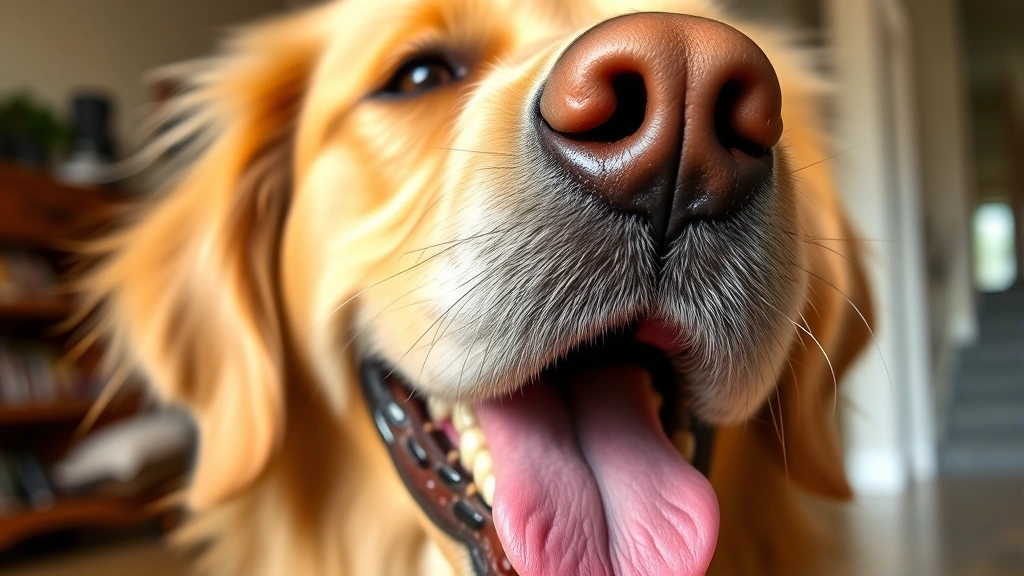
Is a Dog’s Mouth Really Clean? Myths vs. Facts
We’ve all heard it before: “A dog’s mouth is cleaner than a human’s.” It’s one of those pet myths that gets passed around at dog parks and family dinners with the confidence of absolute truth. But is there any real science behind this popular claim, or is it just a comforting fiction we tell ourselves when our furry friends shower us with wet kisses? The answer might surprise you.
The truth about canine oral hygiene is far more nuanced than a simple yes or no. While dogs do have some natural antimicrobial properties in their saliva, their mouths are absolutely not cleaner than human mouths. In fact, dogs harbor a surprising variety of bacteria and other microorganisms that can pose genuine health risks to both themselves and their human companions. Understanding the reality of dog mouth cleanliness is essential for responsible pet ownership and maintaining a healthy relationship with your four-legged friend.
Let’s dig into the science, separate fact from fiction, and explore what you really need to know about your dog’s oral health and hygiene.
The Origin of the “Clean Mouth” Myth
Where did this persistent myth originate? Like many enduring pet beliefs, it’s hard to pinpoint the exact source, but it likely stems from a combination of observation and misinterpretation. Dogs do lick their wounds, and those wounds often heal without visible infection. They also groom themselves constantly, which might create the impression of superior cleanliness. Additionally, dog saliva does contain some antibacterial compounds, which probably contributed to the legend over time.
The myth gained traction partly because it’s reassuring. Pet owners enjoy the idea that their dog’s affectionate licks are not only sweet but also harmless. Marketing and popular culture have certainly reinforced this notion, making it seem like common knowledge. However, when researchers have actually examined the bacterial composition of dog mouths compared to human mouths, the findings tell a different story entirely.
If you’re curious about the broader question of whether dogs’ mouths are actually clean, you’ll find that the answer depends heavily on individual oral hygiene and overall health. The myth persists because it contains a kernel of truth—dogs do have some natural defenses—but those defenses are far from making their mouths clinically clean or safer than human mouths.
What’s Actually in Your Dog’s Mouth
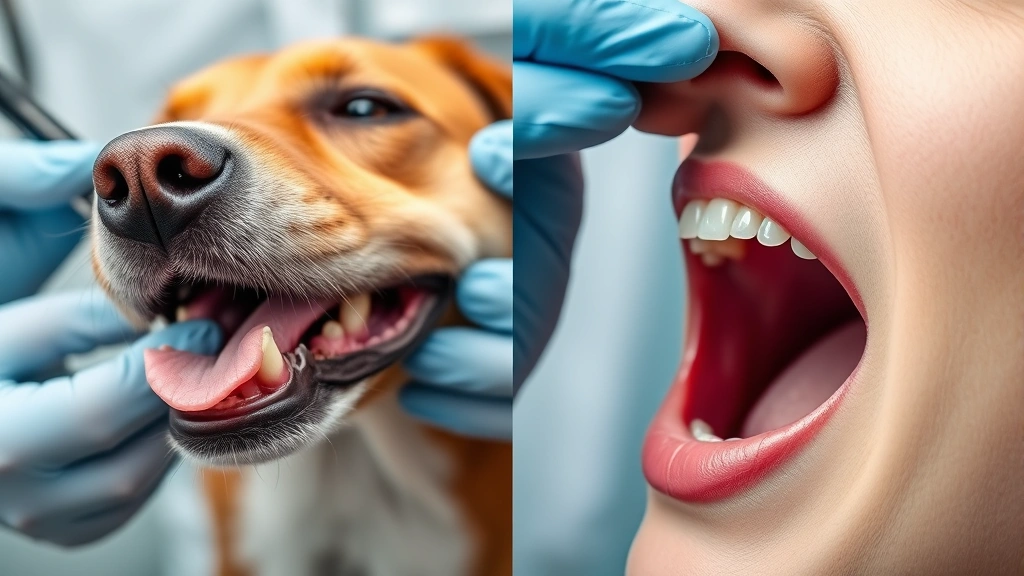
Your dog’s mouth is a thriving ecosystem of microorganisms. We’re talking hundreds of different species of bacteria, fungi, and other pathogens. Some of these are harmless, but many can cause problems for your dog’s health or potentially transfer to humans. The oral cavity of a dog is warm, moist, and often contains food particles—essentially the perfect environment for bacterial growth.
Dogs naturally accumulate tartar and plaque on their teeth, just like humans do. However, dogs rarely brush their teeth (unless their owners help them), so this buildup tends to be more severe. The bacteria that form plaque include species like Streptococcus, Staphylococcus, and various anaerobic bacteria that can lead to gum disease and tooth decay. Additionally, dogs frequently carry bacteria like Pasteurella and Capnocytophaga in their mouths—organisms that can cause infections in humans under certain circumstances.
One particularly important bacterium found in dog mouths is Bordetella, which causes kennel cough. This is why veterinarians recommend vaccinations for dogs that spend time in group settings. The point is clear: a dog’s mouth is far from sterile, and it contains many organisms that wouldn’t be considered “clean” by any medical standard.
Comparing Canine and Human Oral Bacteria
When researchers have directly compared the oral microbiomes of dogs and humans, the results consistently show that human mouths are actually cleaner—at least in terms of overall bacterial load and pathogenic potential. Dogs’ mouths are not cleaner than humans, and this is well-established in veterinary and medical literature.
The human mouth contains around 700 different species of bacteria, while a dog’s mouth can harbor even more. However, the key difference isn’t just the number of bacteria but their nature. Human oral bacteria have adapted to live in a human mouth and are generally less likely to cause systemic infections in humans. Dog mouth bacteria, conversely, are adapted to canine physiology and can sometimes cause infections in humans, particularly in people with compromised immune systems or open wounds.
Studies published by veterinary dental specialists have shown that dogs develop periodontal disease at rates significantly higher than humans, partly because of the bacterial load in their mouths and partly because they can’t maintain oral hygiene the way humans can. By age three, most dogs have some degree of dental disease. This is not the profile of a “clean” mouth.
For a more detailed exploration of this comparison, check out our article on whether dogs have cleaner mouths than humans. The evidence overwhelmingly suggests they don’t.
The Role of Dog Saliva
Here’s where the myth gains some legitimacy: dog saliva does have some antimicrobial properties. Saliva in all mammals, including dogs, contains enzymes like lysozyme and lactoferrin that can kill or inhibit certain bacteria. This is actually true and not exaggerated. However, these antimicrobial properties are modest and nowhere near powerful enough to keep a dog’s mouth clean.
The antimicrobial compounds in saliva are designed to provide some protection against infection, not to sterilize the mouth. Think of them as a line of defense, not a complete shield. A dog’s saliva is certainly not more antimicrobially potent than a human’s—in fact, human saliva contains similar protective compounds and is produced in greater quantities, giving humans another advantage in oral health.
Additionally, the pH of a dog’s mouth is different from a human’s, and the composition of their saliva varies. Dogs produce less saliva overall than humans, which means they have fewer opportunities for these antimicrobial compounds to do their work. The digestive enzymes in dog saliva are also different, optimized for a carnivorous diet rather than the omnivorous diet humans have evolved to eat.
Understanding the role of saliva helps explain why dogs don’t have clean mouths despite having some natural defenses. The defenses exist, but they’re simply not sufficient to maintain oral cleanliness.
Health Risks from Dog Mouth Bacteria
So what are the actual risks associated with dog mouth bacteria? First, let’s be clear: most healthy people can interact with their dogs and receive licks without serious consequences. The human immune system is quite capable of handling occasional exposure to dog mouth bacteria. However, there are genuine health concerns worth understanding.
For your dog: The bacteria in a dog’s mouth can lead to serious health problems. Periodontal disease is extremely common and can cause pain, tooth loss, and potentially systemic infections. Bacteria from the mouth can enter the bloodstream through diseased gums and affect the heart, kidneys, and liver. This is why regular dental care is crucial for dogs.
For humans: Certain populations are at higher risk from dog mouth bacteria. People with compromised immune systems, open wounds, or certain medical conditions should be cautious about dog saliva. Capnocytophaga bacteria, for example, can rarely cause serious infections in immunocompromised individuals. Additionally, dogs can transmit parasites and other pathogens through saliva, including certain strains of roundworms.
The risk is generally low for healthy individuals, but it’s not zero. This is why medical professionals recommend washing your hands after petting your dog and discouraging dogs from licking faces, particularly of young children or elderly relatives.
Keeping Your Dog’s Mouth Healthy
Since we’ve established that a dog’s mouth is not cleaner than a human’s, the focus should be on improving your dog’s oral health. Here are evidence-based strategies:
- Regular brushing: Brushing your dog’s teeth daily (or at least several times a week) is the single most effective way to maintain oral health. Use a dog-specific toothpaste—never use human toothpaste, as it contains ingredients that can be harmful to dogs.
- Professional cleanings: Your veterinarian can perform professional dental cleanings under anesthesia. These cleanings remove tartar and plaque that brushing alone cannot address. Most vets recommend annual cleanings for adult dogs, more frequently for older dogs or those with existing dental disease.
- Dental diets: Some dog foods are formulated to help reduce plaque and tartar buildup. Ask your veterinarian which options might be appropriate for your dog.
- Dental chews: Products like dental chews can help mechanically remove plaque, though they shouldn’t replace brushing and professional care.
- Water additives: Some veterinary-approved water additives can help reduce bacteria in the mouth, though they work best in combination with other oral care methods.
- Regular vet checkups: Your veterinarian should examine your dog’s teeth and gums during regular checkups and alert you to any problems.
The American Veterinary Dental College recommends a comprehensive approach to canine dental health, and the foundation of that approach is recognizing that dogs’ mouths require active management to stay healthy.
When to Worry About Your Dog’s Oral Health
Certain signs indicate that your dog may have oral health problems requiring veterinary attention. If you notice any of these symptoms, schedule an appointment with your vet:
- Bad breath (worse than typical “dog breath”)
- Visible tartar or discoloration on teeth
- Red or swollen gums
- Bleeding from the mouth
- Difficulty eating or chewing
- Excessive drooling
- Loose or missing teeth
- Pawing at the mouth or face
- Behavioral changes or reluctance to eat
Early intervention can prevent serious problems. Periodontal disease progresses quickly in dogs, and by the time symptoms are obvious, significant damage may have already occurred. This is why preventive care is so important.
If you’ve been wondering why your dog licks you and were concerned about the cleanliness factor, you can now put that worry aside—as long as you maintain good hygiene practices yourself. The risk from dog licks is minimal for healthy people, though it’s still wise to wash your hands afterward.
Frequently Asked Questions
Is it safe to let my dog lick my face?
While the risk is generally low for healthy adults, it’s not recommended for several reasons. Dogs explore the world with their mouths, and their saliva can carry bacteria, parasites, and other pathogens. For young children, elderly individuals, and immunocompromised people, face licking should be discouraged. For healthy adults, an occasional lick is unlikely to cause problems, but regular face licking is best avoided. Always wash your hands and face after your dog licks you.
How often should I brush my dog’s teeth?
Ideally, you should brush your dog’s teeth daily. If that’s not feasible, aim for at least 3-4 times per week. Even occasional brushing is better than none, as it helps remove plaque before it hardens into tartar. Start slowly if your dog isn’t used to tooth brushing, and use positive reinforcement to make it a pleasant experience.
Can I use human toothpaste on my dog?
No, you should never use human toothpaste on dogs. Human toothpaste often contains fluoride and xylitol, both of which can be toxic to dogs. Always use toothpaste specifically formulated for dogs, which typically has a dog-friendly flavor and contains safe ingredients.
What’s the difference between a dog’s natural mouth bacteria and dangerous bacteria?
All mouths—human and canine—contain bacteria. Most of these bacteria are harmless and even beneficial, as they’re part of the normal oral microbiome. However, some bacteria can cause disease, particularly when they overgrow or enter the bloodstream through damaged gums. The goal of oral care is not to eliminate all bacteria but to maintain a healthy balance and prevent disease-causing bacteria from becoming dominant.
Do dogs need professional dental cleanings?
Yes, most dogs benefit from professional dental cleanings. While home care is essential, professional cleanings remove tartar buildup that brushing alone cannot address. Most veterinarians recommend annual cleanings for adult dogs, though frequency may vary based on individual health and age. Older dogs and those with existing dental disease may need more frequent cleanings.
Is dog breath normal, or is it a sign of a problem?
Some level of “dog breath” is normal, but severely bad breath can indicate dental disease or other health problems. If your dog’s breath suddenly becomes much worse, or if it has a particular odor (like fruity or ammonia-like), consult your veterinarian. Bad breath is often the first sign of periodontal disease.





