

Do Dogs Laugh? Understanding Canine Emotions
Have you ever noticed your dog making funny huffing sounds while playing, or their mouth seeming to curl up in what looks like a smile? Many dog owners wonder if their furry friends experience laughter the way humans do. The truth is more nuanced and fascinating than a simple yes or no answer. While dogs don’t laugh in the traditional human sense, they do express joy and amusement through various vocalizations and body language that serve similar emotional purposes.
Understanding whether dogs can laugh requires us to explore the complex world of canine emotions and communication. Dogs have evolved alongside humans for thousands of years, developing sophisticated ways to express their feelings and bond with us. Their emotional repertoire is far richer than many people realize, and recognizing these expressions deepens our connection with our beloved pets.
In this comprehensive guide, we’ll explore the science behind canine laughter, examine the different ways dogs express joy and amusement, and discover what their behavior truly reveals about their inner emotional lives. Whether you’re a curious dog owner or simply fascinated by animal behavior, this exploration will give you new insights into your canine companion.
Can Dogs Actually Laugh?
The straightforward answer is that dogs don’t laugh exactly like humans do. Dogs lack the neurological structures and vocal cords necessary to produce genuine laughter as we know it. However, this doesn’t mean dogs don’t experience the emotion that underlies laughter—joy, amusement, and pleasure.
Research has shown that dogs do produce vocalizations that serve similar emotional and social functions to human laughter. When dogs are playing or in good moods, they often make a distinctive “play panting” or huffing sound that researchers have identified as a canine equivalent to laughter. This vocalization typically occurs during playful interactions and has been found to have positive effects on other dogs, much like human laughter does on people.
One fascinating study conducted by researchers at the University of Sussex found that dogs respond positively to recorded play panting sounds. When dogs heard these recordings, they showed increased interest and engagement, suggesting that this vocalization communicates joy and an invitation to play. This discovery supports the theory that canine laughter exists in a different form than human laughter, but serves the same social bonding purpose.
The distinction is important: while dogs may not produce audible laughter, they absolutely experience the emotional state that prompts laughter in humans. This emotional experience is expressed through their unique communication methods, which are perfectly adapted to their species and social needs.

The Science of Canine Joy
Understanding canine emotions requires looking at the science behind how dogs process and express feelings. Dogs have a limbic system similar to humans, which is the part of the brain responsible for emotions. This shared neurological foundation means dogs experience genuine emotions, though they may express them differently than we do.
When dogs experience joy, their brains release dopamine and endorphins, the same neurochemicals that make humans feel happy. These biological responses are real and measurable. Brain imaging studies have shown that dogs’ brains light up in response to positive stimuli in ways remarkably similar to human brains responding to pleasant experiences.
The amygdala, a key part of the emotional processing system, is proportionally larger in dogs than in many other animals. This suggests that dogs have a rich emotional life and are capable of experiencing complex feelings. Additionally, dogs have mirror neurons—brain cells that fire both when an animal acts and when it observes another animal acting—which help them empathize with and understand the emotions of their companions, both human and canine.
Research from the American Kennel Club and various veterinary behavioral studies confirms that dogs are emotionally sophisticated creatures. They can experience joy, fear, anxiety, and contentment. Their ability to bond with humans and show affection demonstrates emotional depth that goes far beyond simple instinct or conditioning.
How Dogs Express Happiness
Since dogs don’t laugh, they’ve developed alternative ways to communicate their happiness and amusement. Recognizing these signals helps you understand your dog’s emotional state and strengthens your bond. Here are the primary ways dogs express joy:
- Tail Wagging: The classic sign of a happy dog. A full-body wag with a raised tail typically indicates genuine joy and excitement. The faster and more enthusiastic the wag, the happier your dog usually is.
- Play Panting: That distinctive open-mouthed, huffing sound dogs make during play is their version of laughter. It’s often accompanied by a relaxed facial expression and signals they’re having fun.
- The Play Bow: When a dog stretches their front legs forward while keeping their rear end up in the air, they’re inviting play and expressing happiness about interacting with you or another dog.
- Soft Eyes and Relaxed Face: A truly happy dog has soft, slightly squinted eyes and a relaxed mouth, sometimes appearing to smile. This is quite different from the tense facial expression of an anxious or stressed dog.
- Zoomies: Those spontaneous bursts of running around in circles at top speed are pure expressions of unbridled joy and happiness.
- Leaning and Nuzzling: When dogs lean against you or gently nudge you with their nose, they’re expressing affection and contentment.
Understanding these signals is crucial for recognizing when your dog is genuinely happy versus when they might be stressed or uncomfortable. Whether your dog knows you love them is often communicated through these very expressions, creating a two-way emotional conversation.
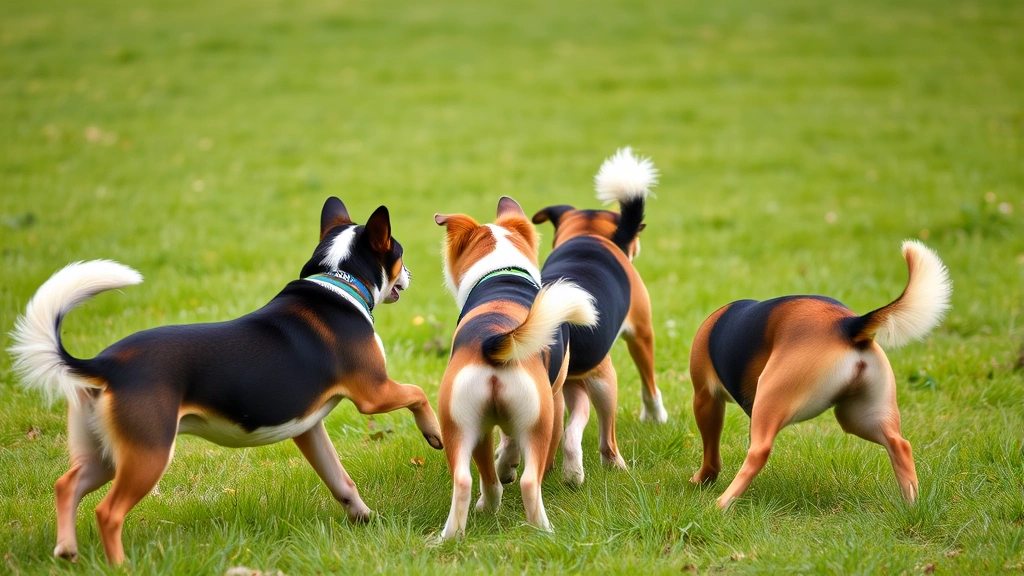
The Difference Between Human and Dog Laughter
While both humans and dogs experience joy and amusement, the way they express these emotions differs significantly. Human laughter is a complex vocalization involving the diaphragm, vocal cords, and specific breathing patterns. It serves social functions like bonding, diffusing tension, and signaling enjoyment of humor—a uniquely human form of communication.
Dog laughter, if we can call it that, is simpler in mechanism but equally effective in purpose. Play panting serves to communicate playfulness and encourage social bonding. It’s a way for dogs to say, “I’m having fun, and I want you to join in!” This vocalization is particularly important in multi-dog households where it helps establish play dynamics and prevent conflicts.
Interestingly, research has shown that dogs’ understanding of emotional concepts extends beyond simple reactions to stimuli. They can recognize emotional expressions in humans and other dogs, suggesting a sophisticated emotional intelligence. This emotional awareness means that when your dog responds positively to your laughter, they’re not just reacting to the sound—they’re recognizing the emotional state it represents.
Another key difference is that human laughter can be involuntary or even fake, used for social purposes beyond expressing genuine amusement. Dogs, however, are generally honest about their emotional expressions. When a dog is playing happily and making play panting sounds, they’re genuinely experiencing joy. This authenticity is one of the reasons we find our dogs’ happiness so contagious and rewarding.
Reading Your Dog’s Emotional Signals
Becoming fluent in canine emotional communication requires learning to read the subtle and not-so-subtle signals your dog sends. A truly happy dog exhibits a combination of behaviors rather than just one isolated action. This holistic approach to reading emotions prevents misinterpretation.
The tail is often considered the primary indicator of dog happiness, but it’s not foolproof. A wagging tail can sometimes indicate other emotional states, including anxiety or mild aggression. However, when combined with other positive signals—soft eyes, relaxed ears, open mouth, and play panting—a wagging tail reliably indicates genuine happiness.
Body posture tells a significant story. A happy dog typically has a relaxed, loose body with no muscle tension. Their weight is evenly distributed, and they move with fluid, easy motions. Compare this to an anxious dog, who often appears stiff or tense, with weight shifted backward or forward in a way that prepares them for fight or flight.
The ears provide important information too. Happy dogs often have naturally positioned ears that match their breed standard. Anxious or stressed dogs may pin their ears back, while alert or overly excited dogs might perk them forward excessively. The key is understanding what’s normal for your individual dog’s breed and personality.
When you understand how to know if your dog loves you, you’re reading this combination of signals correctly. Real affection and joy in dogs is expressed through consistent, positive body language patterns, not isolated behaviors.
Play and Laughter in Dogs
Play is where canine laughter is most obvious. During play sessions, dogs exhibit their most joyful behaviors, including play panting, which researchers have identified as the closest canine equivalent to human laughter. Understanding the role of play in your dog’s emotional life is essential to providing them with the enrichment and happiness they need.
Play serves multiple important functions in a dog’s life. It’s not just entertainment; it’s crucial for physical exercise, mental stimulation, social bonding, and emotional regulation. When dogs engage in play and produce those characteristic play panting sounds, they’re experiencing genuine joy and strengthening their relationships with playmates.
Different dogs have different play styles, and these preferences often relate to their breed characteristics and individual personalities. Some dogs prefer fetch and chase games, while others enjoy tug-of-war or wrestling-style play. Recognizing your dog’s preferred play style and engaging in it regularly is one of the best ways to ensure they experience the joy that manifests as play panting and other happiness indicators.
Interactive play with humans is particularly valuable. When you engage in play with your dog, you’re not only providing physical exercise but also strengthening your emotional bond. Your dog’s play panting and joyful behavior during these sessions directly reflects their happiness and attachment to you. Why dogs like belly rubs is often connected to their trust and comfort during playful interactions, which are forms of expressing affection and joy.
Interestingly, research has shown that play serves as a form of stress relief for dogs, much like laughter does for humans. Regular play sessions can reduce anxiety, prevent behavioral problems, and contribute significantly to your dog’s overall mental health and well-being. The vocalizations they make during play aren’t just sounds—they’re expressions of emotional release and contentment.
It’s worth noting that puppies and younger dogs tend to engage in more frequent and enthusiastic play than older dogs. However, senior dogs still benefit tremendously from age-appropriate play and mental stimulation. Adjusting play activities to match your dog’s age and physical capabilities ensures they can continue experiencing the joy and emotional benefits of play throughout their lives.
The social aspect of play is particularly important in multi-dog households. When dogs play together, they establish social bonds and hierarchies in a relatively safe, consensual manner. The play panting sounds they produce serve as a signal to other dogs that the interaction is friendly and playful, preventing misunderstandings that could lead to conflict.
Frequently Asked Questions
What exactly is play panting in dogs?
Play panting is a distinctive vocalization dogs produce during playful interactions. It sounds like rapid, rhythmic huffing or panting and occurs when dogs are genuinely happy and engaged in play. This is the closest canine equivalent to human laughter and serves similar social bonding functions. Unlike regular panting, which indicates heat stress or exertion, play panting is an intentional form of communication indicating joy and an invitation to continued interaction.
Can all dogs laugh or express joy the same way?
While all dogs experience joy and happiness, individual dogs may express these emotions somewhat differently based on their personality, breed characteristics, and learned behaviors. Some dogs are naturally more vocal and expressive, while others are quieter and more subtle in their emotional displays. However, all healthy dogs will show some combination of tail wagging, body language changes, and behavioral shifts when experiencing happiness. Learning your individual dog’s unique emotional vocabulary is key to understanding their inner emotional life.
How can I tell if my dog is faking happiness or genuinely happy?
Dogs are generally honest about their emotional expressions, but understanding the difference between genuine and forced behaviors is important. Genuine happiness involves the entire body—relaxed muscles, soft eyes, natural tail wagging, and typically play panting. Fake or forced happiness might involve only isolated behaviors, such as a tail wag without body relaxation, or behaviors performed only in specific contexts like when treats are involved. A dog genuinely experiencing joy exhibits a constellation of positive signals simultaneously.
Do dogs understand human laughter?
Yes, dogs can recognize human laughter and understand it as a sign of positive emotion. Research has shown that dogs respond to human laughter by showing increased interest, engagement, and positive behavior. Many dogs will approach their owners when they laugh, seemingly wanting to share in the happiness. This demonstrates that dogs recognize laughter as an emotional signal and understand its positive meaning. This ability is part of dogs’ broader capacity for emotional recognition and empathy.
Is it healthy for dogs to play regularly?
Absolutely. Regular play is essential for your dog’s physical and mental health. Play provides necessary exercise, mental stimulation, and emotional enrichment. It helps prevent behavioral problems, reduces anxiety, and strengthens the bond between dogs and their owners or other dogs. According to the ASPCA, most dogs should engage in at least one to two hours of play or exercise daily, though this varies by age, breed, and individual needs. The joy and laughter-like vocalizations dogs produce during play are indicators of their physical and emotional well-being.
What does it mean when my dog’s tail wags but they seem nervous?
Tail wagging alone is not a reliable indicator of happiness. A dog’s tail can wag in various emotional states, including anxiety or arousal. To accurately assess your dog’s emotional state, look at the entire picture: body posture, facial expression, ear position, and context. A nervous dog might wag their tail while displaying stiff body language, pinned ears, or a tucked tail. True happiness involves the entire body being relaxed and loose, not just the tail moving. This is why understanding the complete emotional vocabulary of your dog is more important than focusing on single behaviors.
Can dogs feel other emotions besides happiness?
Yes, dogs experience a wide range of emotions including fear, anxiety, frustration, contentment, and affection. They can feel jealousy, embarrassment, and even guilt. The canine emotional experience is quite complex. Dogs can experience grief and sadness, and their emotional capabilities extend to understanding and responding to the emotions of their human companions and other dogs. This emotional sophistication is why dogs make such meaningful companions and why our relationship with them is so rewarding.





