
Do Dogs Understand Time? What Experts Say
Ever wonder why your pup goes absolutely bonkers the moment you grab your keys, even though you’re just running to the mailbox? Or why they seem to know exactly when dinner time rolls around, down to the minute? These behaviors might make you think your furry friend has mastered the concept of time, but the reality is far more fascinating—and honestly, a bit more complicated—than you might expect.
The question of whether dogs understand time has puzzled pet owners and researchers for decades. Does your dog genuinely comprehend that you’ll return in an hour, or are they simply responding to routine and sensory cues? The answer reveals something profound about canine cognition and challenges our assumptions about how dogs perceive the world around them.
In this comprehensive guide, we’ll explore what science tells us about canine time perception, debunk some common myths, and help you understand your dog’s seemingly magical ability to predict your arrival home or know when it’s treat o’clock.
Do Dogs Have a Sense of Time?
The short answer? Yes, dogs do have some sense of time, but it’s probably not what you think. Unlike humans who can conceptualize abstract time and plan years into the future, dogs operate with what researchers call “episodic time”—a more immediate, experience-based understanding of temporal sequences.
According to research from various veterinary behavioral studies, dogs can distinguish between time intervals and recognize patterns. However, their perception is fundamentally different from ours. A dog doesn’t think, “My human left at 8 AM and will return at 5 PM.” Instead, they experience time through a combination of biological processes, learned associations, and sensory information.
Research into whether dogs have a concept of time has shown that canines can perceive the passage of time in relative terms. They understand “now” versus “later,” and they can anticipate events based on previous experiences. This is why your dog might start pacing before you even think about leaving for work—they’ve learned the sequence of events that precedes your departure.
The fascinating part? According to the American Kennel Club, dogs possess a time-related ability called “time-place learning,” which allows them to anticipate events at specific locations during specific times. This isn’t quite the same as understanding abstract time, but it’s remarkably sophisticated.
How Dogs Perceive Duration
One of the most intriguing findings in canine cognition research involves how dogs perceive the length of time. Studies have shown that dogs can distinguish between different durations, though their perception of “long” versus “short” differs significantly from human perception.
In a landmark study conducted by researchers examining canine behavior, dogs were left alone for varying periods—ranging from 30 minutes to 5 hours. Upon their owners’ return, the dogs showed significantly more enthusiastic greetings after longer absences. This suggests that dogs can indeed perceive and remember duration, even if they don’t conceptualize it the way we do.
However, there’s a catch: dogs perceive time differently depending on context. When they’re engaged in an activity they enjoy, time seems to pass differently than when they’re bored or anxious. This is similar to how humans experience time subjectively—think about how quickly an hour passes when you’re having fun versus how slowly it drags when you’re waiting for something.
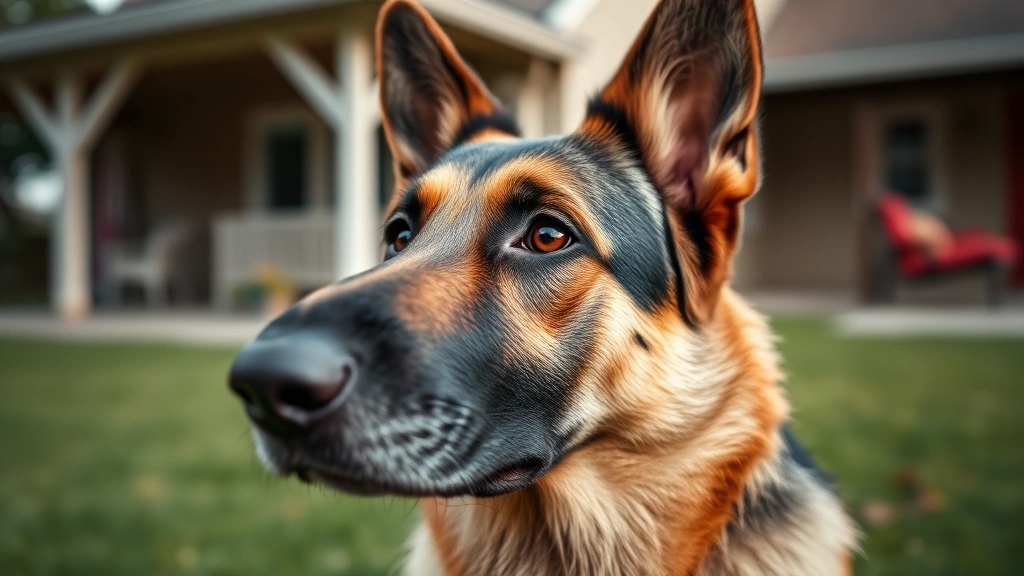
The ASPCA notes that a dog’s perception of time is heavily influenced by their emotional state. An anxious dog waiting for their owner may experience the separation as feeling longer than it actually is, while a content dog napping might perceive time passing more quickly.
Understanding why dogs sleep so much actually provides insight into their time perception. Dogs spend significant portions of their day sleeping or resting, which affects how they experience temporal flow. When a dog is asleep, they’re not actively tracking time in the way an awake animal would be.
The Role of Internal Clocks and Circadian Rhythms
Beyond behavioral learning, dogs have biological mechanisms that help them track time. Every mammal, including dogs, possesses an internal clock—a physiological system that regulates circadian rhythms and helps organisms anticipate recurring events.
This internal clock is controlled by the suprachiasmatic nucleus (SCN) in the brain, which responds to light and other environmental cues. Dogs use this biological timekeeping system to regulate sleep-wake cycles, hunger, and various other physiological processes. It’s why your dog might start getting antsy around dinnertime, even if you’re running late—their body is signaling that it’s time to eat based on their internal clock.
Research has demonstrated that dogs can anticipate regular feeding times and other scheduled events with remarkable accuracy. Peer-reviewed studies in animal behavior journals show that dogs develop expectations based on temporal patterns, and they actually become stressed when those patterns are disrupted.
The fascinating aspect of canine internal clocks is their flexibility. Dogs can adjust their circadian rhythms relatively quickly when their routines change—for instance, when daylight saving time occurs or when you travel to a different time zone. This adaptability suggests a sophisticated biological timing system.
Why Your Dog Knows When You’re Coming Home
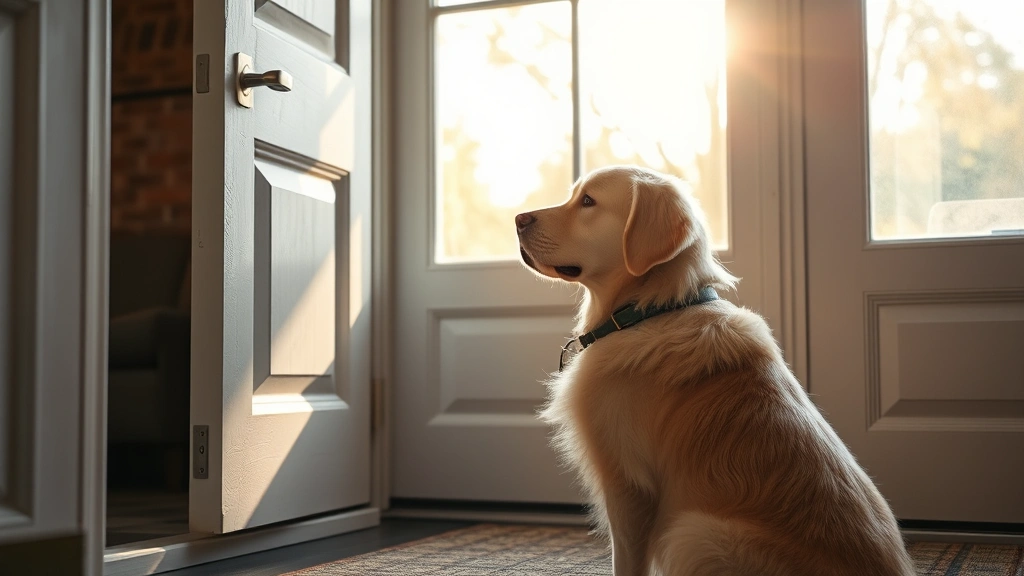
One of the most impressive demonstrations of canine time perception is the way dogs seem to know exactly when their owners are about to arrive home. Many dog owners report that their pets start waiting by the door or show signs of excitement minutes before they actually pull into the driveway.
But here’s the thing: your dog probably isn’t checking their internal watch. Instead, they’re responding to a complex combination of cues. Research suggests that dogs rely on multiple sensory and contextual signals, including:
- Olfactory cues: Your scent in the environment changes throughout the day, and dogs can detect these subtle shifts
- Auditory patterns: Neighborhood sounds follow predictable patterns that signal your approach
- Routine recognition: Your dog has learned the sequence of events that precede your arrival
- Sun position: Changes in light throughout the day provide temporal information
- Internal circadian rhythms: Your dog’s biological clock has synchronized with your schedule
Scientists have observed that dogs with stronger bonds with their owners and deeper understanding of their emotions tend to show more accurate anticipatory behavior. This suggests that emotional connection plays a role in time-related behaviors.

Interestingly, research from UC Davis School of Veterinary Medicine has found that dogs’ ability to anticipate their owners’ arrival is disrupted when their daily routines change significantly. This indicates that their time perception is fundamentally tied to pattern recognition and routine rather than abstract time understanding.
Memory, Routine, and Anticipation
The intersection of memory and time perception is crucial to understanding how dogs experience temporal flow. Dogs have excellent memories for events and sequences, which allows them to build expectations based on past experiences.
Your dog’s brain creates what researchers call “temporal maps”—mental representations of how events typically unfold in sequence. When your morning routine involves shower → breakfast → keys → door, your dog learns this sequence and can predict what comes next. They’re not thinking about time passing; they’re recognizing patterns.
This is why understanding how long a dog can go without eating matters for their psychological well-being—disruptions to regular feeding schedules can cause anxiety because they disrupt the temporal patterns your dog has learned to expect.
The role of routine in canine time perception cannot be overstated. Dogs thrive on consistency because it allows them to predict future events. When routines change unexpectedly, dogs often exhibit stress behaviors. This suggests that dogs are deeply invested in understanding temporal patterns, even if they don’t consciously “think” about time the way humans do.
Anticipation is perhaps the clearest indicator that dogs have some form of time perception. When a dog anticipates dinner time, a walk, or your arrival home, they’re demonstrating that they can predict future events based on temporal cues. This ability requires some level of temporal understanding, even if it’s not conscious or abstract.
Time Perception in Different Dog Breeds
Interestingly, research suggests that different dog breeds may have varying abilities to perceive and respond to time. Hunting breeds, for instance, have evolved to track prey over extended periods and may have more developed time-tracking abilities than other breeds.
Working dogs, such as those trained for search and rescue or herding, often demonstrate remarkable abilities to understand temporal sequences and patterns. This likely reflects both their genetic predisposition and their extensive training, which emphasizes pattern recognition and sequential learning.
However, breed differences in time perception are subtle, and individual personality and training play enormous roles. A well-trained mixed breed might demonstrate superior temporal understanding compared to an untrained purebred.
Interestingly, the way dogs play with toys like tennis balls can reveal aspects of their time perception. Dogs that engage in complex play sequences demonstrate understanding of cause-and-effect timing relationships—they learn that certain actions lead to predictable outcomes within specific timeframes.
Practical Implications for Dog Owners
Understanding how your dog perceives time has real-world implications for how you care for them. Here are some practical takeaways:
Maintain Consistent Routines: Since dogs rely heavily on routine for temporal understanding, maintaining consistent schedules for feeding, walks, and play helps reduce anxiety. Your dog’s ability to predict upcoming events provides security and stability.
Gradual Schedule Changes: When you need to change your routine, do it gradually. Abrupt changes can cause stress because they disrupt the temporal patterns your dog has learned to expect.
Prepare for Absences: If you know you’ll be away longer than usual, understand that your dog may experience the separation as longer and more stressful. Consider enrichment activities or professional care to mitigate anxiety.
Use Time-Based Training: Training that incorporates temporal understanding—like teaching “wait” or “stay” for increasing durations—can help develop your dog’s temporal cognition and impulse control.
Recognize Individual Differences: Just as humans have different time perceptions, individual dogs vary in their temporal understanding. Pay attention to your specific dog’s patterns and preferences.
Understand Patience Limitations: Dogs have more limited capacity for delayed gratification than humans. Asking a dog to wait 30 minutes for a treat is fundamentally different from asking them to wait 30 seconds. Their biological and psychological capacity for patience is limited by their temporal perception.
Frequently Asked Questions
Can dogs tell time?
Dogs don’t tell time in the way humans do, but they can perceive duration and anticipate events based on routines and biological cues. They understand the sequence of events and can predict what comes next based on past experiences, but they don’t have abstract time concepts.
Why does my dog know when I’m coming home?
Your dog likely recognizes multiple cues that signal your impending arrival: changes in neighborhood sounds, olfactory signals, sun position, and internal circadian rhythms that have synchronized with your schedule. They’re reading environmental patterns rather than checking a clock.
Do dogs understand how long you’ve been gone?
Research suggests dogs can distinguish between different durations of separation. They show more enthusiastic greetings after longer absences, indicating they perceive and remember how long you’ve been away, though their perception of duration differs from human perception.
Why do dogs get anxious when routines change?
Dogs rely on routine to predict future events and feel secure. When routines change, the temporal patterns they’ve learned to expect are disrupted, causing uncertainty and anxiety. Their sense of time is deeply tied to routine and pattern recognition.
Does time pass faster for dogs?
Time perception is subjective for dogs just as it is for humans. A bored or anxious dog may perceive time passing more slowly, while an engaged dog may perceive it passing more quickly. Context and emotional state significantly influence how dogs experience temporal flow.
Can I train my dog to understand time better?
You can train your dog to develop better temporal understanding through exercises that emphasize waiting, delayed gratification, and recognizing sequences. Training that uses consistent cues and rewards helps dogs develop stronger temporal pattern recognition.





