
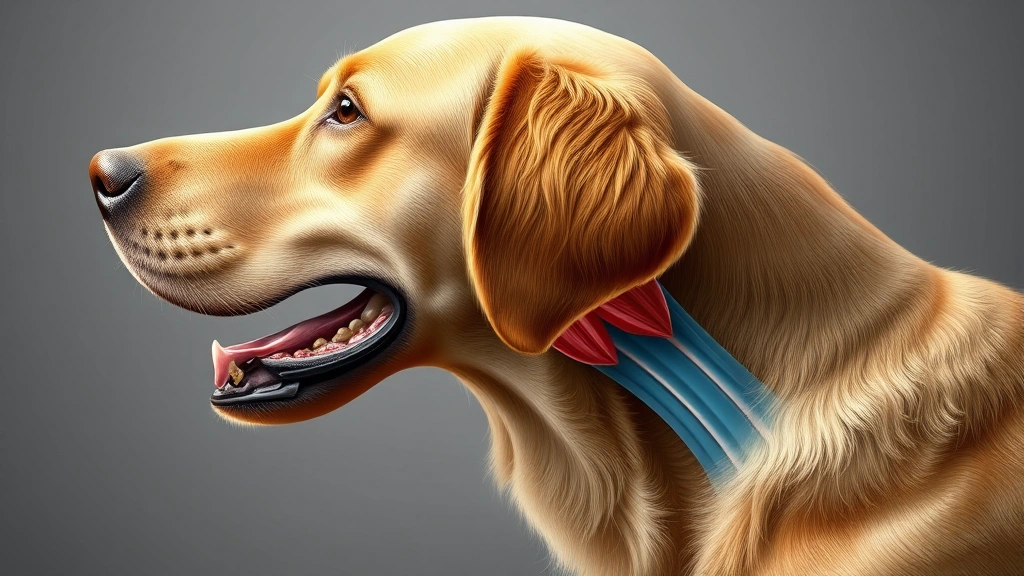
So, does dogs have adams apples? The short answer is yes, but it’s way more complicated (and honestly, way cooler) than you’d think. While your furry best friend definitely has a larynx—that’s the fancy term for the voice box—the whole adam’s apple situation in dogs looks nothing like what you’re sporting in the mirror. Let’s dive into this weird and wonderful world of canine anatomy.
Table of Contents
- What Exactly Is an Adam’s Apple?
- Do Dogs Actually Have a Larynx?
- Why Don’t Dogs Have Visible Adam’s Apples?
- The Anatomy of a Dog’s Throat and Neck
- How Dogs Produce Sound Without a Visible Adam’s Apple
- Comparing Human and Canine Larynxes
- Why This Question Actually Matters for Pet Owners
- Common Laryngeal Issues in Dogs
- The Role of the Thyroid Gland in Dogs
- Breed Differences in Neck and Throat Structure
- How to Keep Your Dog’s Throat Healthy
- What Science Says About Dog Vocalizations
- Frequently Asked Questions
- Conclusion: The Bottom Line on Dogs and Adam’s Apples
What Exactly Is an Adam’s Apple?
Before we can talk about whether dogs have them, we need to understand what an adam’s apple actually is. An adam’s apple is basically a lump of cartilage in your throat called the thyroid cartilage. It’s part of your larynx, which is the structure that houses your vocal cords and helps you produce sound. In humans, especially males, this cartilage is super prominent and sticks out noticeably from the front of the neck. Fun fact: the name supposedly comes from the biblical Adam, with the idea that a piece of the forbidden apple got stuck in his throat. Pretty wild, right?
Do Dogs Actually Have a Larynx?
Absolutely, they do! Dogs have a larynx just like humans do. This is the structure that produces barks, howls, whines, and all those adorable sounds your pup makes. The larynx contains vocal cords (also called vocal folds) that vibrate when air passes through them, creating sound. So in that sense, dogs definitely have the equipment. However, the way their larynx is structured and positioned is quite different from ours, which is why you won’t see a prominent bulge on your dog’s neck like you would on a human.
Why Don’t Dogs Have Visible Adam’s Apples?
Here’s where things get interesting. While dogs do have a thyroid cartilage (the same structure that creates the adam’s apple in humans), it’s not nearly as pronounced or visible in canines. There are a few reasons for this anatomical difference. First, dogs’ necks are shaped differently than human necks. Their neck structure is more streamlined and muscular, which means the larynx sits differently. Second, the thyroid cartilage in dogs is much smaller relative to their body size compared to humans. Third, dogs have different muscle and tissue arrangements around their neck that obscure any potential bulge. So technically, your dog does have an adam’s apple, but you’d need a veterinary ultrasound or surgical exploration to find it!
The Anatomy of a Dog’s Throat and Neck
To really understand this, you need to know what’s actually going on in your dog’s neck. Dogs have a complex system of muscles, bones, and soft tissues that work together for breathing, swallowing, and vocalization. The larynx sits deeper in the neck than it does in humans, and it’s surrounded by muscles like the sternohyoid and omohyoid muscles. These muscles help with swallowing and neck movement. Unlike humans, dogs don’t have a prominent thyroid cartilage that juts forward. Instead, their throat anatomy is optimized for their specific needs—like efficient breathing while running at top speed or while their mouth is full of food or a toy. Pretty clever, nature!
How Dogs Produce Sound Without a Visible Adam’s Apple
So if you can’t see a dog’s adam’s apple, how do they make all that noise? Dogs produce sound the same way humans do—through vibrating vocal cords in the larynx. When your dog barks, the vocal cords vibrate as air passes through them. The pitch and volume of the bark depend on how tightly the vocal cords are stretched and how much air is being pushed through. Dogs have incredible control over their vocal cords, which is why they can produce such a wide variety of sounds. From high-pitched yips to deep, resonant woofs, your pup’s larynx is doing some serious work. If you’re concerned about your dog’s vocal health, it’s worth noting that excessive barking can lead to laryngeal issues, so training and moderation are important. You might want to consult your vet if your dog’s bark suddenly changes or sounds hoarse, similar to how you’d check with a doctor about changes in your own voice.
Comparing Human and Canine Larynxes
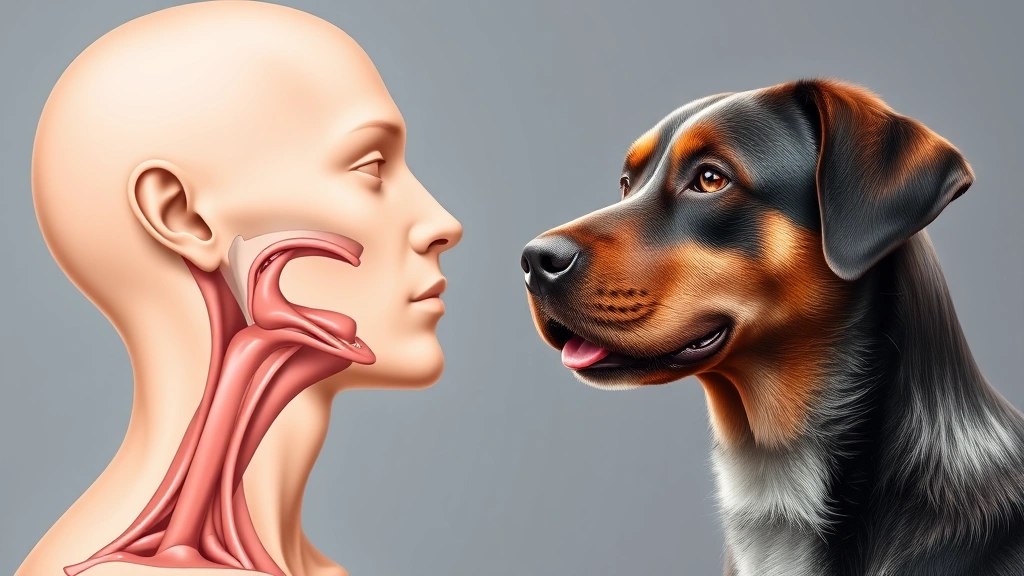
Let’s break down the key differences between human and dog larynxes. In humans, the larynx is positioned higher in the neck and the thyroid cartilage is much larger and more angular, creating that visible adam’s apple. The human larynx also has a unique feature: the epiglottis, which is a flap that covers the airway when you swallow to prevent food from going down your windpipe. Dogs have an epiglottis too, but their swallowing mechanism works a bit differently. Dogs’ larynxes are also positioned more vertically, while human larynxes tilt more horizontally. Additionally, dogs have a different arrangement of the arytenoid cartilages, which are the cartilages that help control the vocal cords. These anatomical differences reflect the different evolutionary pressures and needs of humans versus dogs. Humans needed a larynx that could produce complex speech, while dogs needed one optimized for a variety of vocalizations and efficient breathing during physical activity.
Why This Question Actually Matters for Pet Owners
You might be wondering why you should even care about whether dogs have adam’s apples. Well, understanding your dog’s anatomy can help you better care for them. For instance, knowing where the larynx is located helps you understand what’s happening when your dog coughs, gags, or has trouble swallowing. It also helps you recognize when something might be wrong. If your dog is having trouble breathing or their voice sounds different, it could be a laryngeal issue that needs veterinary attention. Additionally, understanding that dogs have a larynx helps explain why certain medications or procedures might affect their throat. If you ever need to give your dog medication or they require surgery, knowing their anatomy helps you communicate better with your veterinarian. Speaking of medication, if you’re ever unsure about what’s safe to give your pup, check out our guide on can you give a dog ibuprofen for more information on pain relief options.
Common Laryngeal Issues in Dogs
Since we’re talking about dog larynxes, let’s discuss some common problems that can affect them. Laryngitis in dogs causes inflammation of the larynx, which can result in a hoarse bark or loss of voice. This can be caused by excessive barking, infections, or irritants. Laryngeal paralysis is a more serious condition where the muscles that control the vocal cords stop working properly, leading to breathing difficulties and a change in bark. This is more common in older dogs and certain breeds. Collapsing trachea is another issue where the windpipe loses its rigidity and collapses, causing coughing and breathing problems. If you notice your dog having persistent voice changes or breathing difficulties, it’s time for a vet visit. Your veterinarian can perform a laryngoscopy (looking at the larynx with a special camera) to diagnose what’s going on. If you’re ever in doubt about your dog’s health and can’t get to the vet immediately, you might consider a virtual pet checkup to get professional advice quickly.
The Role of the Thyroid Gland in Dogs
While we’re on the subject of the neck, let’s talk about the thyroid gland, which sits near the larynx. In humans, the thyroid gland is what the adam’s apple sits on top of. In dogs, the thyroid gland is also present and plays a crucial role in metabolism. The thyroid produces hormones that regulate your dog’s metabolic rate, which affects everything from energy levels to coat health. Thyroid problems are actually pretty common in dogs, especially as they age. Hypothyroidism (an underactive thyroid) can cause weight gain, lethargy, and coat problems. Hyperthyroidism (an overactive thyroid) is less common in dogs but can cause weight loss and hyperactivity. If you suspect your dog has a thyroid issue, your vet can run blood tests to check thyroid hormone levels. Understanding that your dog has a thyroid near their larynx helps you appreciate just how complex their neck anatomy really is.
Breed Differences in Neck and Throat Structure
Not all dogs have the same neck structure. Different breeds have evolved different throat and neck characteristics based on their original purposes. Brachycephalic breeds (dogs with flat faces like Bulldogs and Pugs) have compressed airways and different throat structures, which can make them more prone to breathing problems. Sighthounds like Greyhounds have long, slender necks optimized for speed. Working dogs like German Shepherds have muscular necks built for strength and agility. These breed differences can affect how prone a dog is to certain laryngeal issues. For example, brachycephalic breeds are more likely to develop laryngeal collapse because of the pressure on their airways. Understanding your specific dog’s breed characteristics can help you anticipate potential health issues and work with your vet on preventative care.
How to Keep Your Dog’s Throat Healthy
Now that you know all about your dog’s larynx and throat anatomy, let’s talk about keeping it healthy. First, avoid excessive barking when possible. While some barking is normal and healthy, chronic excessive barking can irritate the larynx. Training your dog to respond to commands and rewarding quiet behavior can help reduce unnecessary barking. Second, protect your dog from airborne irritants like smoke, strong perfumes, and chemical fumes, which can irritate the throat. Third, make sure your dog stays hydrated—proper hydration helps keep the throat tissues healthy. Fourth, avoid giving your dog very hot or very cold foods or water, as temperature extremes can irritate the throat. Fifth, if your dog gets a cut or injury near the neck or throat area, treat it promptly. For minor cuts or abrasions, you might wonder about using topical treatments—check out our article on can I put Neosporin on my dog for guidance on safe wound care. Finally, keep up with regular veterinary checkups so your vet can catch any throat or laryngeal issues early.
What Science Says About Dog Vocalizations
Research into dog vocalizations has revealed some fascinating stuff about how dogs use their larynx. Dogs can produce a much wider range of sounds than many people realize. Studies have shown that dogs modulate their barks based on context—they have different barks for different situations, and they can even adjust the pitch and duration of their barks to communicate different messages. Some researchers believe dogs might be able to understand the emotional content in human speech partially because they’re sensitive to vocal pitch and tone. The larynx is central to all of this communication. Dogs have evolved to be incredibly attuned to human communication, and their ability to produce varied vocalizations through their larynx is part of that evolutionary adaptation. Understanding this helps us appreciate just how sophisticated dog communication really is.
Frequently Asked Questions
Can you feel a dog’s adam’s apple?
You can feel the general structure of a dog’s larynx if you gently palpate (feel) their neck, but you won’t feel a prominent bulge like you would on a human. The larynx in dogs is positioned deeper in the neck and is much less pronounced. If you’re concerned about a lump or unusual growth on your dog’s neck, definitely have a vet check it out.
Do female dogs have adam’s apples?
Both male and female dogs have larynxes with thyroid cartilage. In humans, the adam’s apple is more prominent in males due to hormonal influences, but in dogs, the difference between males and females is minimal because the thyroid cartilage isn’t prominent in either sex.
Is a dog’s adam’s apple different from a human’s?
Yes, significantly different! A dog’s thyroid cartilage is smaller, positioned differently, and surrounded by different muscle and tissue structures. This is why it’s not visible like a human’s adam’s apple.
Can dogs get adam’s apple problems?
While dogs don’t have visible adam’s apples, they can definitely get laryngeal problems. These include laryngitis, laryngeal paralysis, and other conditions affecting the larynx. If your dog has voice changes or breathing difficulties, see a vet.
Why do dogs bark if they have an adam’s apple?
Dogs bark because they have a larynx with vocal cords, just like humans. The presence or absence of a visible adam’s apple doesn’t affect their ability to vocalize—it’s just about anatomy and how the structures are arranged.
Can you see a dog’s larynx without surgery?
Yes! A veterinarian can use a laryngoscope (a special camera on a thin tube) to visualize a dog’s larynx without surgery. This is a common diagnostic procedure when vets need to examine the larynx closely.
Conclusion: The Bottom Line on Dogs and Adam’s Apples
So, does dogs have adams apples? Technically yes, but not in the way humans do. Dogs have a larynx with thyroid cartilage, but it’s not prominent or visible like a human’s adam’s apple. The anatomical differences between human and canine throats reflect millions of years of evolution and the different needs of our two species. Understanding your dog’s anatomy, including their larynx and throat structure, helps you be a better pet owner. You’ll recognize when something might be wrong, you’ll understand your dog’s vocalizations better, and you’ll be able to communicate more effectively with your veterinarian. The next time your dog barks, howls, or whines, you’ll know that complex anatomy is working behind the scenes to produce those sounds. And if you ever notice changes in your dog’s voice or breathing, you’ll know it’s worth getting checked out by a professional. Your dog’s throat and larynx are pretty amazing pieces of biological engineering, even if you can’t see an adam’s apple!





