
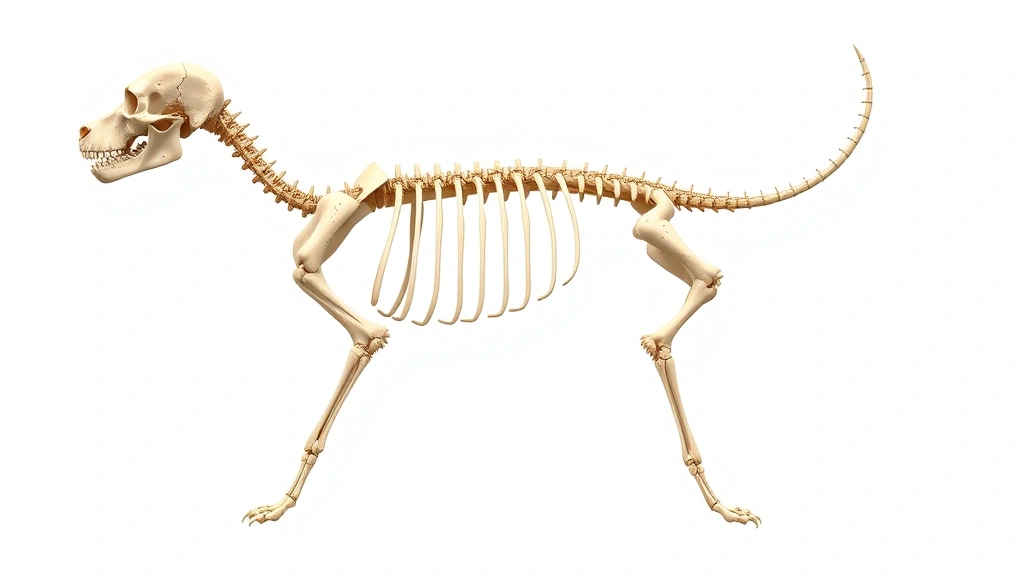
Yes, does dogs have bones in their tails—and we’re not talking about the occasional chicken bone your pup sneaks off the counter. Dog tails are actually fascinating structures packed with vertebrae, muscles, and nerves that make them far more complex than most pet parents realize. If you’ve ever wondered why your dog’s tail can wag in seemingly impossible directions or why a tail injury seems so serious, buckle up because we’re about to dive deep into the skeletal architecture of man’s best friend’s most expressive appendage.
Table of Contents
- The Tail Anatomy: More Than Just Fluff
- Caudal Vertebrae: The Building Blocks of Tail Structure
- Why Tail Bones Matter for Your Dog’s Health
- The Muscles and Nerves: Tail’s Supporting Cast
- Breed Variations: Not All Tails Are Created Equal
- Common Tail Problems and What They Mean
- The Tail as a Communication Tool: Function Meets Form
- Protecting Your Dog’s Tail: Practical Tips
- Nutrition and Tail Bone Health
- When to Worry: Seeking Professional Help
- Frequently Asked Questions
- Conclusion: Respect the Tail
The Tail Anatomy: More Than Just Fluff
Let’s get straight to the bone facts (pun absolutely intended). Your dog’s tail contains a series of small bones called caudal vertebrae. These aren’t the same hefty vertebrae you’d find in your dog’s spine—they’re smaller, more delicate, and progressively taper down toward the tip of the tail. The number of caudal vertebrae varies by breed; some dogs have 20-23 of these little bones, while others might have fewer depending on genetics and breed standards.
Think of the tail as a continuation of the spinal column. It’s literally an extension of your dog’s backbone, which explains why tail injuries can sometimes affect nerve function and why vets take tail problems seriously. These bones are connected by ligaments, surrounded by muscles, and covered in skin and fur—creating that magnificent wagging appendage we all love.
Caudal Vertebrae: The Building Blocks of Tail Structure
The caudal vertebrae are the MVP of tail anatomy. Each vertebra in the tail is smaller than those in the lumbar spine but follows the same basic structure. They’re stacked on top of each other, connected by intervertebral discs and ligaments that allow for incredible flexibility. This is why dogs can curl their tails, wag them side-to-side, and even tuck them between their legs when scared.
The first few caudal vertebrae are larger and more robust, while those toward the tip become progressively smaller and more fragile. This gradual tapering is why the base of the tail is much stronger than the tip—important information if you’ve got a tail-chaser in your household who needs to learn boundaries.
Why Tail Bones Matter for Your Dog’s Health
Understanding that dogs have bones in their tails isn’t just trivia for cocktail parties (though it certainly sounds impressive). It’s actually crucial for understanding your dog’s health. A tail fracture or dislocation can cause pain, nerve damage, and even loss of bowel or bladder control in severe cases. If your dog has experienced trauma to the tail—whether from being stepped on, caught in a door, or involved in an accident—it’s worth getting checked out by a vet.
Additionally, certain breeds are more prone to tail problems. Breeds with naturally short or kinked tails, like Bulldogs and Pugs, sometimes experience issues related to their vertebral structure. Understanding tail bone anatomy helps vets diagnose and treat these conditions more effectively.
The Muscles and Nerves: Tail’s Supporting Cast
While the caudal vertebrae are the skeleton of the operation, muscles and nerves are equally important. The tail contains intrinsic muscles (muscles within the tail itself) and extrinsic muscles (muscles from the body that attach to the tail). These muscles work together to create that famous wag, allowing your dog to communicate emotions with impressive precision.
The sacrocaudalis muscles, in particular, are responsible for most tail movement. They’re attached to the vertebrae and allow for the up-and-down, side-to-side, and circular motions your dog displays. When these muscles work in harmony with the bone structure, you get the perfect tail-wagging machine. Check out our Pet Nutrition Advice to learn how proper nutrition supports muscle and bone health in dogs.
Breed Variations: Not All Tails Are Created Equal
Here’s where it gets interesting—not all dog breeds have the same number of tail bones or tail structure. Some breeds have naturally docked tails (though this is increasingly controversial and banned in many countries), while others have curly tails, straight tails, or those adorable corkscrew varieties.
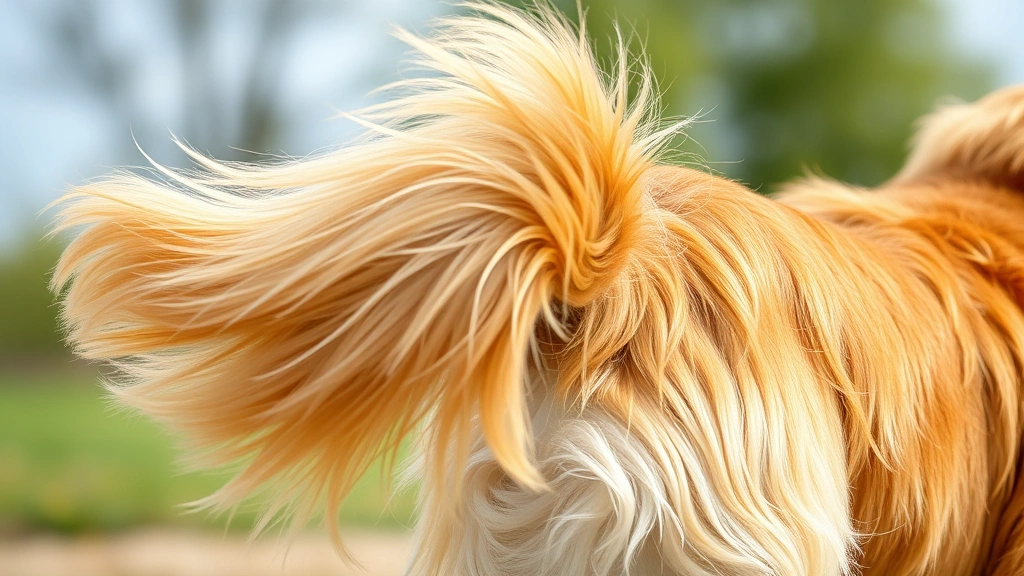
A Greyhound’s long, thin tail has plenty of vertebrae to support its length and flexibility. A Boxer’s short tail has fewer bones but is still a fully functional skeletal structure. A Husky’s fluffy, plume-like tail might look like it’s all fur, but underneath is a robust set of caudal vertebrae. The variation in tail structure across breeds is a testament to selective breeding and the diverse needs of different dog types.
Common Tail Problems and What They Mean
Now that you understand the bone structure, let’s talk about what can go wrong. Tail injuries in dogs can range from minor sprains to serious fractures. A condition called “limber tail” or “cold water tail” causes temporary paralysis of the tail muscles—it’s usually not serious but can be uncomfortable for your pup. More serious conditions include tail fractures, nerve damage, and infections.
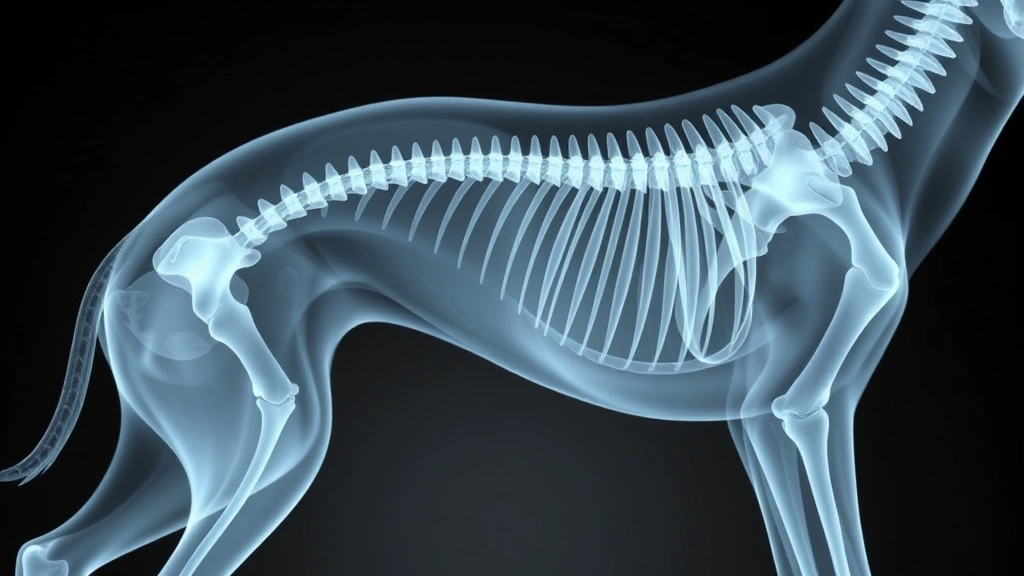
If your dog suddenly stops wagging, holds their tail unusually, or shows signs of pain when the tail is touched, it’s time to visit your vet. These could indicate anything from a minor muscle strain to a serious spinal issue. Your vet can perform X-rays to assess the bone structure and determine the best course of action. For more information on when to seek veterinary care, check out our guide on When to Call the Vet About Food—because tail health is part of overall wellness.
The Tail as a Communication Tool: Function Meets Form
Beyond the bones and muscles, the tail serves a critical purpose in dog communication. A wagging tail isn’t just a happy tail—it’s a complex language. The position, speed, and direction of the wag all communicate different emotions and intentions. This is only possible because of the sophisticated bone and muscle structure supporting it.
When your dog wags their tail, they’re using those caudal vertebrae as a lever system, with muscles providing the power and the bones providing the structure. It’s biomechanics at its finest, and it’s why a dog with a broken tail might not just be in pain—they might lose an important way of communicating with other dogs and humans.
Protecting Your Dog’s Tail: Practical Tips
Knowing that dogs have bones in their tails should make you more cautious about protecting this vulnerable area. Avoid pulling on the tail, even playfully. Keep doors closed to prevent tail-catching accidents. Be mindful during play sessions, especially with multiple dogs, as tail injuries can happen quickly.
If your dog enjoys swimming or water activities, be aware that cold water can sometimes trigger that temporary tail paralysis we mentioned earlier. Most cases resolve on their own within a few days, but prevention is always better than treatment. Consider our Bone Broth Recipes for Pets as a way to support overall skeletal health, including the bones in your dog’s tail.
Nutrition and Tail Bone Health
You can’t talk about bone health without mentioning nutrition. Dogs need adequate calcium, phosphorus, and vitamin D to maintain strong, healthy bones—including those caudal vertebrae. A balanced diet that supports bone health is essential for keeping your dog’s tail functioning properly.
Quality protein is also crucial since muscles need protein to function. When you’re selecting treats or planning meals, remember that your dog’s entire skeletal system—from the tip of their nose to the tip of their tail—depends on good nutrition. Learn more about optimal nutrition by visiting our Healthy Pet Treats guide.
When to Worry: Seeking Professional Help
If you notice any of these signs, it’s time to contact your veterinarian: sudden tail drooping, inability to move the tail, swelling or deformity, discharge or open wounds, excessive licking or biting at the tail, or behavioral changes like reluctance to sit. These could all indicate problems with the tail bones or surrounding structures.
Your vet can perform physical examinations and imaging studies to determine exactly what’s going on. Early intervention can prevent complications and get your pup back to their happy, tail-wagging self quickly.
Frequently Asked Questions
How many bones does a dog’s tail have?
Most dogs have between 20-23 caudal vertebrae in their tails, though this number can vary by breed. Longer-tailed breeds may have more, while shorter-tailed breeds may have fewer. These bones progressively decrease in size toward the tip of the tail.
Can a dog survive without a tail?
While a dog can survive without a tail, it’s not ideal. The tail serves important functions including balance, communication, and temperature regulation. Dogs that have lost their tails due to injury or amputation can adapt, but they lose these functional benefits.
Do tail bones heal like other bones?
Yes, caudal vertebrae can heal from fractures, but the healing process depends on the severity of the injury. Minor fractures may heal with rest and pain management, while more serious injuries might require surgery. Always follow your vet’s recommendations for proper healing.
Is it normal for dogs to have bent or kinked tails?
In some breeds, bent or kinked tails are breed standards and completely normal. However, if a previously straight tail suddenly becomes bent or kinked, it could indicate a fracture or dislocation that needs veterinary attention.
Why do some dogs have docked tails?
Historically, certain breeds had their tails docked for working purposes or breed standards. Today, this practice is controversial and banned in many countries. Modern breed standards are increasingly accepting natural tails, and many veterinary organizations discourage docking for cosmetic reasons.
Conclusion: Respect the Tail
So, does dogs have bones in their tails? Absolutely—and now you know they’re far more complex and important than you might have thought. Your dog’s tail contains caudal vertebrae, muscles, nerves, and blood vessels all working together to create one of their most expressive features. It’s not just a cute appendage; it’s a sophisticated biological structure that deserves respect and protection.
Whether your dog is a tail-wagging enthusiast or more of a tail-tucker, understanding the anatomy beneath that fur helps you appreciate just how remarkable your canine companion really is. From communication to balance to temperature regulation, the tail plays a vital role in your dog’s life. So next time your pup wags that tail, you can smile knowing there’s an intricate skeletal system working behind the scenes to make it happen. Treat those tail bones with care, keep your dog’s nutrition optimal, and you’ll have a happy, healthy, tail-wagging friend for years to come.
For external expertise on dog health and anatomy, check out resources from the American Kennel Club (AKC), PetMD, and consult with your veterinarian for breed-specific information.





