
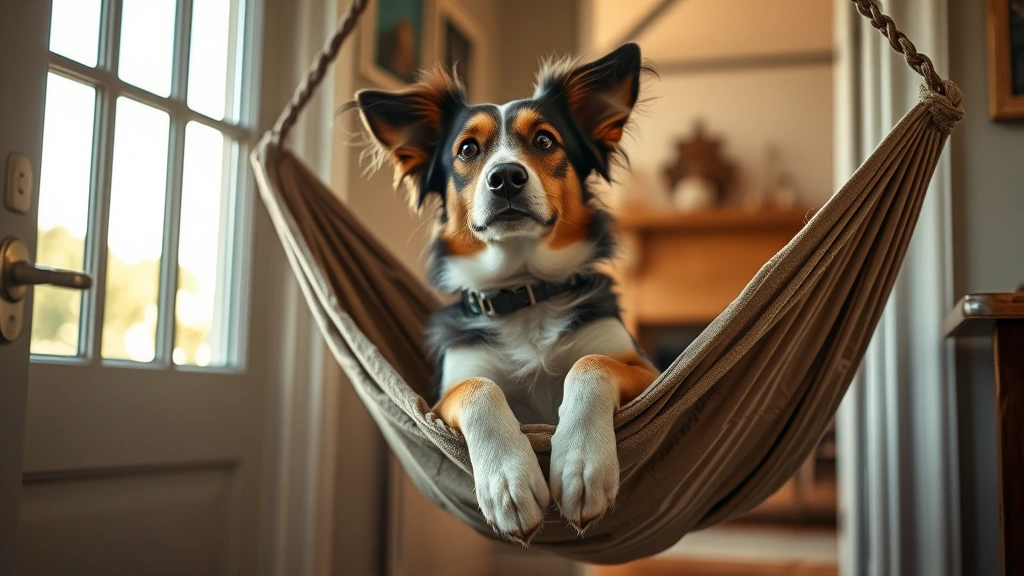
Do Hammocks Help with Dog Nail Trimming? Expert Tips & Techniques
If you’ve ever wrestled with your furry friend while trying to trim their nails, you’ve probably wondered if there’s a better way. Enter the dog grooming hammock—a simple yet ingenious tool that’s been gaining popularity among pet parents and professional groomers alike. But does it really work, or is it just another pet gadget destined for your closet? Let’s dig into the truth behind this handy contraption and discover how it might just revolutionize your nail-trimming routine.
Dog nail maintenance is one of those essential grooming tasks that many owners dread. Your pup squirms, you stress, and somehow the whole ordeal takes twice as long as it should. A grooming hammock offers a solution by providing a hands-free, secure way to position your dog for safe and efficient nail trimming. Whether you’re a first-time dog owner or a seasoned groomer, understanding how to use this tool properly can transform nail-trimming day from chaotic to calm.
In this comprehensive guide, we’ll explore everything you need to know about using hammocks for dog nail trimming, including the science behind why they work, expert tips for success, and alternative methods to consider. By the end, you’ll have all the knowledge needed to make informed decisions about your dog’s grooming care.
What Is a Dog Grooming Hammock?
A dog grooming hammock is a fabric sling designed to suspend your dog safely and securely during grooming tasks. Typically made from durable, washable material like canvas or nylon, these hammocks feature two attachment points that secure to a sturdy overhead structure—think doorframe, tree branch, or grooming stand. The design allows your dog to rest comfortably in a semi-suspended position while you have complete access to their paws, nails, and other grooming areas.
The hammock concept isn’t new—groomers have been using similar devices for decades. What’s changed is the accessibility and affordability of consumer-grade versions designed specifically for home use. Modern dog grooming hammocks typically cost between $20 and $60, making them an affordable investment for any dog owner serious about home grooming.
According to the American Kennel Club, proper nail maintenance is crucial for your dog’s overall health and mobility. A grooming hammock helps facilitate this important task by providing a stable, secure environment where both you and your pup can feel confident and comfortable.
How Hammocks Help with Nail Trimming
The magic of a grooming hammock lies in its ability to solve multiple problems simultaneously. When your dog is suspended in a hammock, they’re elevated to a comfortable working height for you, which means less bending and better ergonomics. More importantly, the gentle suspension creates a calming effect for many dogs—similar to swaddling a baby. This psychological benefit can significantly reduce anxiety and resistance during grooming.
From a practical standpoint, the hammock keeps your dog’s body still and stable, which is absolutely essential when you’re working with sharp nail clippers. Even the gentlest dog can squirm unexpectedly, and one sudden movement could result in a nicked pad or injured nail bed. The hammock’s design minimizes these risks by distributing your dog’s weight evenly and preventing sudden shifts in position.
The elevated position also gives you superior visibility and access to your dog’s paws. You can easily rotate their legs to examine each nail, identify the quick (the pink portion containing blood vessels and nerves), and make precise cuts. This is especially valuable when cutting your dog’s black toenails, where visibility is already challenging.
Dr. Sarah Chen, a certified professional dog groomer with over 15 years of experience, notes that hammocks reduce grooming time by approximately 30-40% for nail trimming tasks. “When dogs are properly supported, they stay calmer and more still, which means fewer interruptions and a smoother overall experience,” she explains.

Key Benefits for Dog Owners
Beyond the obvious convenience factor, dog grooming hammocks offer several compelling advantages:
- Safety First: The secure positioning significantly reduces the risk of accidental injuries to your dog’s sensitive nail beds and paw pads.
- Stress Reduction: Many dogs find the gentle suspension soothing, leading to less anxiety and fewer behavioral issues during grooming sessions.
- Better Ergonomics: You’ll experience less strain on your back, neck, and arms since your dog is elevated to an optimal working height.
- Time Efficiency: With your dog properly positioned, you can work more quickly and confidently, reducing the overall grooming session length.
- Cost-Effective: At a one-time investment of $20-60, hammocks pay for themselves after just a few professional grooming appointments avoided.
- Versatility: Beyond nail trimming, hammocks are useful for ear cleaning, coat brushing, and general health inspections.
The psychological benefits are particularly noteworthy. Dogs that struggle with grooming anxiety often respond well to the gentle support and containment that a hammock provides. It’s a non-restrictive way to keep them secure without the stress of traditional grooming restraints.
Choosing the Right Hammock
Not all dog grooming hammocks are created equal. When shopping for one, consider these important factors:
- Size and Weight Capacity: Hammocks come in various sizes. Ensure the one you choose can safely support your dog’s weight. Most standard models handle dogs up to 50-60 pounds, with heavy-duty versions available for larger breeds.
- Material Quality: Look for durable, washable fabrics that won’t fray or tear easily. Canvas and reinforced nylon are excellent choices. The fabric should be soft enough to be comfortable for your dog but sturdy enough to handle regular use.
- Attachment Points: Check that the hammock comes with secure, well-designed attachment hardware. You want something that won’t slip or come loose during use. Some models feature adjustable straps for different doorframe widths.
- Ease of Cleaning: Grooming can get messy, so choose a hammock that’s machine washable or at least easily wipeable.
- Portability: If you plan to travel with your grooming setup or store it when not in use, consider a lightweight, compact model.
Read customer reviews carefully, paying special attention to comments about durability and how well the hammock works for dogs similar in size and temperament to yours. Investing in a quality hammock from the start will save you money and frustration in the long run.

Step-by-Step Setup Guide
Setting up your dog grooming hammock properly is crucial for safety and effectiveness. Follow these steps:
- Choose Your Anchor Point: Select a sturdy overhead structure that can safely support your dog’s weight plus some additional force. A doorframe, sturdy beam, or professional grooming stand works well. Never use a ceiling fan, light fixture, or anything that might not support the weight.
- Measure and Adjust: Hang the hammock at a height where your dog’s feet can barely touch the ground when resting in it. This provides security while allowing some weight distribution through the dog’s legs.
- Test for Stability: Before placing your dog in the hammock, apply pressure to test that it’s secure and won’t slip or rotate unexpectedly.
- Introduce Your Dog Gradually: Let your dog sniff and investigate the hammock before placing them in it. You might even place treats inside to create positive associations.
- Gentle Placement: Carefully lift your dog and place them in the hammock, supporting their hindquarters until they’re fully settled. Some dogs need a moment to adjust.
- Final Adjustments: Once your dog is in the hammock, ensure their weight is evenly distributed and they appear comfortable. Make any necessary strap adjustments.
The entire setup process should take just a few minutes once you’ve done it once or twice. Many dog owners find that keeping their hammock set up permanently in a designated grooming area speeds things up even more.
Expert Nail Trimming Tips
Once your dog is safely positioned in the hammock, you’re ready to trim those nails. Here are professional tips for success:
Gather Your Tools First: Have all your supplies within arm’s reach before placing your dog in the hammock. You’ll need nail clippers (scissor-type or guillotine-type, depending on your preference), a nail file, styptic powder for emergencies, and treats for positive reinforcement.
Work Systematically: Start with the front paws, then move to the back. This creates a predictable routine that dogs can anticipate. Trim one nail at a time, taking breaks between paws if your dog seems anxious.
Identify the Quick: For light-colored nails, the quick appears as a small pink or black dot in the center of the nail. For dark nails, this is more challenging, which is why many owners specifically seek guidance on how to trim black dog nails. The general rule is to trim no more than the curved portion of the nail.
Use Proper Technique: Position your clippers perpendicular to the nail and make one clean cut. Avoid crushing the nail, which can cause splitting and discomfort. If you’re uncertain about the quick’s location, it’s better to trim less than to cut too much.
File After Trimming: Use a nail file to smooth any rough edges left by the clippers. This prevents snagging and provides a more comfortable result for your dog.
According to research published in the ASPCA guidelines, regular nail maintenance prevents painful conditions like nail bed infections and helps maintain proper paw alignment and joint health.
Special Considerations for Black Nails
Black nails present unique challenges during trimming because you can’t see the quick clearly. Many dog owners worry about cutting too short and causing bleeding. The good news is that with proper technique and the right tools, trimming black nails is entirely manageable.
When working with dark nails in a hammock, take advantage of the elevated position and good lighting to examine each nail closely. Look for the small dark circle or oval in the center of the nail’s cross-section—this indicates where the quick begins. Our detailed guide on how to cut dog nails that are black provides additional strategies for this specific challenge.
A professional tip: trim black nails in very small increments rather than making one large cut. This conservative approach gives you multiple opportunities to assess the nail’s interior and stop before hitting the quick. If you do accidentally cut into the quick and the nail bleeds, apply styptic powder immediately to stop the bleeding.
The hammock’s positioning advantage becomes especially apparent with black nails. The elevated angle and reduced squirming allow you to see the nail from multiple angles and work with greater precision than you might achieve on a regular grooming table.
Alternative Positioning Methods
While hammocks are excellent, they’re not the only way to position your dog for nail trimming. Understanding your options helps you choose the best approach for your specific situation:
Traditional Grooming Table: Professional grooming tables with non-slip surfaces provide stable platforms for nail work. They’re excellent for larger dogs or those uncomfortable with suspension, though they require more floor space.
Your Lap: For small dogs, holding them in your lap while seated provides comfort and security. This works well for dogs with grooming anxiety since they’re close to you.
Grooming Loop Restraint: This simple noose-like device attaches to a table and prevents lateral movement while allowing your dog to stand. It’s less comfortable than a hammock but requires no special setup.
Helper Assistant: Having another person gently hold your dog can work, though it’s less reliable than mechanical positioning tools. When considering your grooming setup, remember that proper positioning is just one part of the equation. Learning general dog grooming guide principles helps ensure comprehensive care beyond just nail trimming.
Additionally, understanding how to put a harness on a dog and how to clean a dog’s ears rounds out your home grooming skill set, making you more self-sufficient in your pup’s overall care.
Frequently Asked Questions
Are dog grooming hammocks safe?
Yes, when used correctly, grooming hammocks are very safe. They’re designed with safety as a primary concern and have been used by professional groomers for years. The key is ensuring proper setup with secure attachment points and appropriate weight capacity. Always supervise your dog while they’re in the hammock, and never leave them unattended.
What size hammock do I need for my dog?
Hammock sizes typically correspond to dog weight ranges. Small hammocks (up to 30 lbs) work for toy breeds and small dogs. Medium hammocks (30-60 lbs) suit most standard-sized dogs. Large hammocks (60+ lbs) accommodate bigger breeds. Check the manufacturer’s specifications to ensure proper fit and safety for your specific dog.
Can I use a hammock for dogs with anxiety?
Absolutely! In fact, many anxious dogs respond positively to the gentle support and containment that a hammock provides. The secure, swaddled feeling often has a calming effect. Introduce the hammock gradually with positive reinforcement to help your anxious pup adjust.
How often should I trim my dog’s nails?
Most dogs need nail trimming every 3-4 weeks, though this varies based on activity level and nail growth rate. Dogs that spend more time on hard surfaces may need trimming less frequently. If you hear your dog’s nails clicking on the floor, it’s time for a trim. Regular maintenance prevents overgrowth, which can cause pain and mobility issues.
What if my dog won’t stay still in the hammock?
Some dogs need an adjustment period. Start by letting them rest in the hammock without trimming, rewarding them with treats and praise. Gradually introduce the clippers during short, positive sessions. If your dog continues to struggle, consider consulting a professional groomer or your veterinarian for additional strategies.
Can I use a regular hammock instead of a dog-specific one?
While a regular hammock might technically work, dog grooming hammocks are specifically designed with safety features, appropriate materials, and dimensions for this purpose. They’re also more affordable than you might expect, making the investment worthwhile for proper safety and comfort.
What’s the best type of nail clippers to use?
The American Animal Hospital Association recommends either scissor-type or guillotine-type clippers, depending on your comfort level and your dog’s nail type. Scissor clippers work well for most situations and give you better control. Guillotine clippers require more force but can be efficient for dogs with thick nails. Never use human nail clippers, as they can crush dog nails and cause discomfort.





