
So you’re wondering, does my dog have a UTI? If your pup has been acting weird around the water bowl or doing their business more often than usual, you’re not alone—and honestly, UTIs in dogs are way more common than most people think. Unlike humans who can complain about burning sensations, dogs can’t tell us what’s wrong, which means we have to play detective.
Table of Contents
- What Exactly Is a Dog UTI?
- Warning Sign #1: Excessive Urination and Accidents
- Warning Sign #2: Straining and Difficulty During Urination
- Warning Sign #3: Bloody or Cloudy Urine
- Warning Sign #4: Strong Ammonia Smell and Behavioral Changes
- Warning Sign #5: Fever and Lethargy
- Risk Factors: Who’s Most Likely to Get a UTI?
- What Your Vet Will Do: Diagnosis and Testing
- Treatment Options: Getting Your Dog Relief
- Prevention: Keeping Your Dog UTI-Free
- When to Worry: Complications and Serious Signs
- Home Care and Recovery
- The Bottom Line: Trust Your Gut
- Frequently Asked Questions
The truth is, urinary tract infections in dogs are sneaky little troublemakers that can range from mildly annoying to seriously uncomfortable. The good news? Once you know what to look for, catching a UTI early is totally doable, and treatment is straightforward. Let’s break down everything you need to know about canine UTIs so you can get your furry friend feeling better ASAP.
What Exactly Is a Dog UTI?
A urinary tract infection happens when bacteria (usually E. coli) invade your dog’s urinary system—think bladder, urethra, ureters, or kidneys. It’s basically an unwanted party in your dog’s plumbing that causes inflammation and irritation. Female dogs get UTIs more often than males because their urethras are shorter, making it easier for bacteria to crash the party and reach the bladder.
The thing about UTIs in dogs is that they’re not always obvious. Sometimes your pup might have a raging infection and still seem mostly normal, while other times they’ll act like the world is ending over a simple bladder irritation. That’s why knowing the warning signs is absolutely crucial.
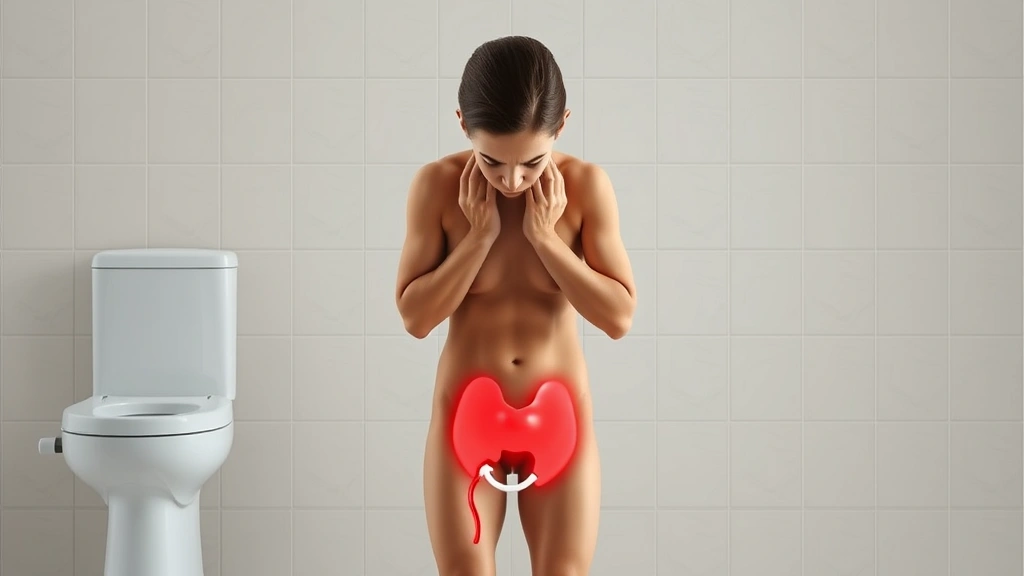
Warning Sign #1: Excessive Urination and Accidents
One of the most telling signs that your dog might have a urinary tract infection is when they suddenly need to pee way more than usual. We’re talking about frequent bathroom trips, sometimes every hour or even more often. Your dog might also start having accidents in the house—even if they’re normally house-trained and reliable.
This happens because the infection irritates the bladder lining, making your dog feel like they need to go constantly, even when there’s barely anything to pass. It’s like that feeling you get when you have a UTI yourself, except your dog can’t explain it to you. If your normally well-behaved pup is suddenly leaving puddles on your favorite rug, it’s time to pay attention.
Warning Sign #2: Straining and Difficulty During Urination
Watch your dog’s bathroom posture. If they’re squatting or standing in that position for longer than usual, or if they seem to be straining without producing much urine, that’s a red flag. Some dogs will whimper or cry while trying to pee, which is basically their way of saying, “Hey, this really hurts!”

Straining during urination is uncomfortable and stressful for your dog. They might assume the position multiple times during a single outing, only producing tiny amounts. This discomfort is your dog’s body screaming that something isn’t right in the urinary department.
Warning Sign #3: Bloody or Cloudy Urine
This one’s pretty unmissable. If you notice your dog’s urine looks darker than normal, has a reddish tint, or appears cloudy, that’s a classic UTI symptom. Blood in the urine (hematuria) happens because the infection causes inflammation and tiny tears in the urinary tract lining.
You might notice this when your dog pees on light-colored surfaces or if you’re vigilant about checking their bathroom habits. Cloudy urine indicates the presence of bacteria, white blood cells, and other inflammatory debris. Either way, if the pee looks off, it’s vet-visit time.

Warning Sign #4: Strong Ammonia Smell and Behavioral Changes
Your dog’s urine might smell stronger than usual—like concentrated ammonia. This happens because bacteria are producing compounds that make the urine smell particularly pungent. You might notice it more in their urine spots around the house or even on their rear end.
Beyond the smell, pay attention to behavioral shifts. Dogs with UTIs often become more lethargic, lose interest in their favorite activities, or seem generally uncomfortable. Some dogs become more clingy or anxious, while others might become irritable. It’s like when you feel terrible with an infection—you’re just not yourself.
Warning Sign #5: Fever and Lethargy
In more serious cases, especially if the infection has spread to the kidneys (pyelonephritis), your dog might develop a fever. You might notice they’re less interested in walks, playtime, or their favorite treats. They could seem unusually tired, spend more time sleeping, or just generally act unwell.
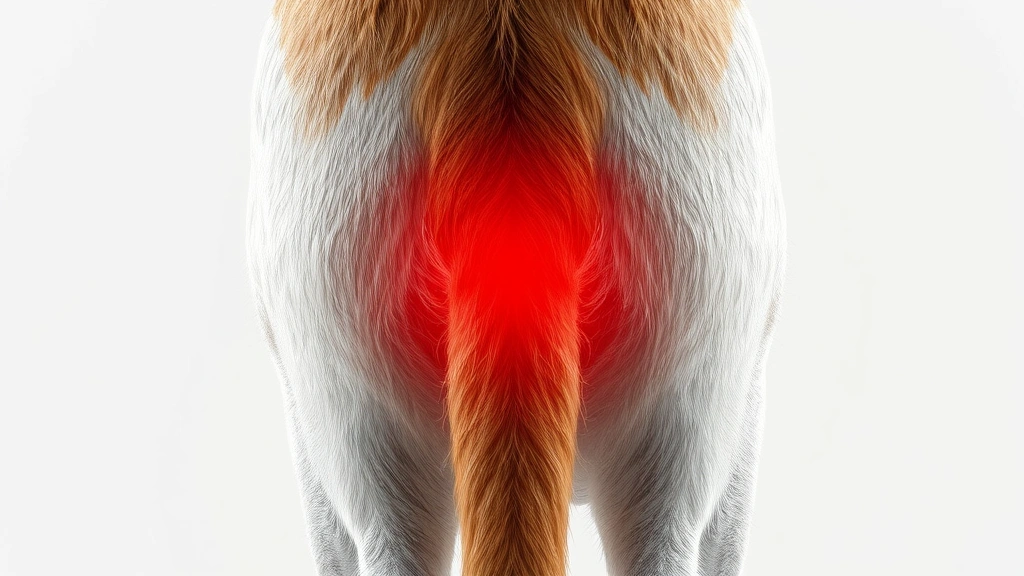
Fever combined with lethargy is your signal that this isn’t just a simple bladder infection anymore. This is when you need to get to your vet sooner rather than later. Kidney infections are more serious than bladder infections and require prompt treatment.
Risk Factors: Who’s Most Likely to Get a UTI?
Certain dogs are more prone to urinary tract infections. Senior dogs have weaker immune systems, making them more susceptible. Female dogs, as mentioned, are at higher risk simply due to anatomy. Dogs with diabetes, kidney disease, or other chronic conditions are also more vulnerable.
Certain breeds like Dalmatians and Bulldogs have genetic predispositions to UTIs. Dogs that don’t drink enough water are at higher risk because concentrated urine creates a better breeding ground for bacteria. This is why hydrating human foods for pets can actually help support urinary health. Additionally, dogs with mobility issues that prevent them from urinating frequently are more prone to infections.
What Your Vet Will Do: Diagnosis and Testing
Your vet will likely start with a urinalysis—basically a test of your dog’s urine to check for bacteria, white blood cells, and blood. They might also do a urine culture to identify exactly which bacteria are causing the infection and which antibiotics will work best.
In some cases, your vet might recommend an ultrasound or X-rays to check if the infection has spread to the kidneys or if there are any underlying issues like bladder stones contributing to the problem. According to the American Kennel Club, early diagnosis is key to preventing complications. Don’t be surprised if your vet asks detailed questions about your dog’s bathroom habits and any recent changes in behavior.
Treatment Options: Getting Your Dog Relief
Most uncomplicated UTIs in dogs are treated with antibiotics. Your vet will prescribe a specific antibiotic based on the culture results, and it’s absolutely crucial that you give your dog the full course—even if they seem better after a few days. Stopping early can lead to antibiotic resistance and a recurring infection.

Beyond antibiotics, your vet might recommend increasing your dog’s water intake to help flush out the urinary system. This is where knowing when to call the vet about food becomes helpful, especially if dietary changes are suggested. Some vets recommend adding water to dry kibble or switching to wet food temporarily to boost hydration.
Pain management might also be part of the treatment plan if your dog is particularly uncomfortable. Your vet might prescribe anti-inflammatory medications to reduce bladder irritation and make urination less painful. In cases of kidney infection, hospitalization and IV fluids might be necessary.
Prevention: Keeping Your Dog UTI-Free
Prevention is always better than treatment. The most important thing you can do is ensure your dog drinks plenty of water. A well-hydrated dog produces more dilute urine, which is less hospitable to bacteria. Consider adding hydrating human foods for pets to their diet—things like watermelon, cucumber, and pumpkin can boost water intake.
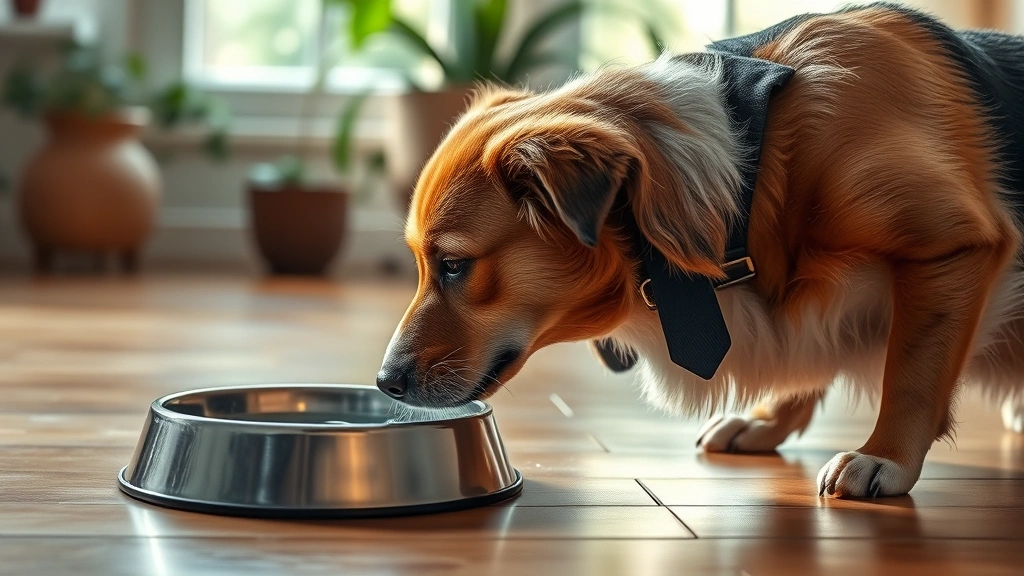
Regular bathroom breaks are essential, especially for senior dogs and females. The more frequently your dog urinates, the less chance bacteria have to establish themselves. Keep your dog’s genital area clean and dry, and consider wiping your female dog’s rear after bathroom trips.
Maintain good overall health through proper nutrition, regular exercise, and routine vet checkups. According to PetMD, managing underlying conditions like diabetes is crucial for preventing UTIs. Some dogs benefit from urinary tract health supplements containing cranberry extract or D-mannose, though always check with your vet first.
When to Worry: Complications and Serious Signs
Most UTIs are straightforward to treat, but complications can arise. If your dog develops a fever, vomits, or shows signs of severe lethargy, the infection might have spread to the kidneys. This is serious and requires immediate veterinary attention.
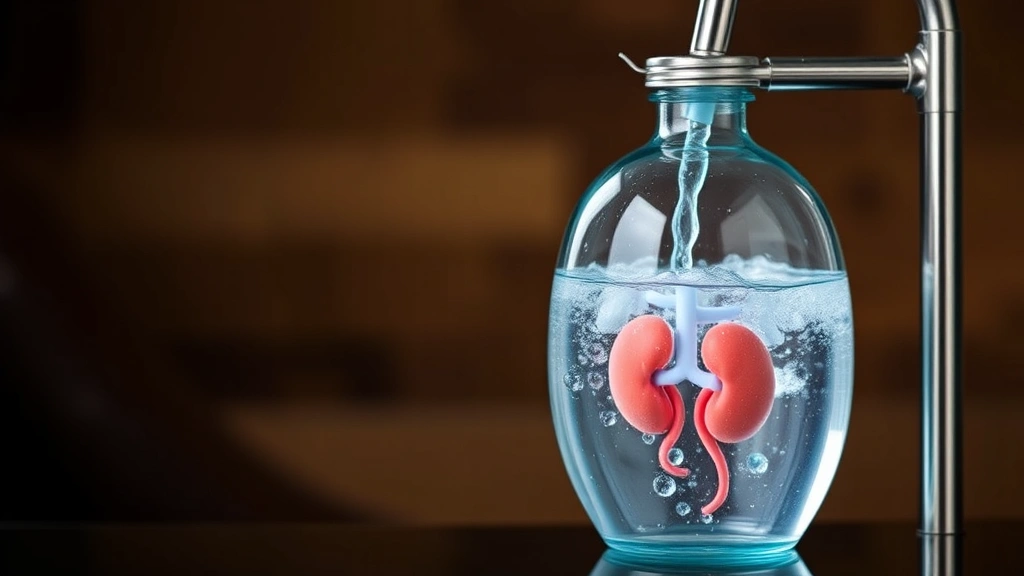
Recurrent UTIs—more than two or three per year—suggest an underlying problem that needs investigation. Your vet might recommend additional testing to check for bladder stones, abnormal anatomy, or other predisposing factors. Some dogs with chronic UTIs benefit from long-term preventative strategies or even dietary modifications.
Home Care and Recovery
Once your vet has diagnosed a UTI and prescribed treatment, your job is to ensure your dog completes the full course of antibiotics. Set reminders if you need to—consistency is key. Make sure your dog has constant access to fresh water and plenty of opportunities for bathroom breaks.
Monitor your dog’s symptoms closely. Most dogs start feeling better within a few days of starting antibiotics, but the infection isn’t fully cleared until the full course is complete. Keep an eye on their urine color and frequency, and note any changes to report back to your vet.

If your dog seems to be getting worse or isn’t improving after a few days of antibiotics, contact your vet. Sometimes the initial antibiotic isn’t the right one, and switching to a different medication based on culture results might be necessary. Getting online vet advice can help you understand your options, though nothing replaces an in-person examination for a UTI diagnosis.
The Bottom Line: Trust Your Gut
If you’re asking yourself, “does my dog have a UTI?” and noticing any of these warning signs, it’s time to schedule a vet appointment. UTIs are common, treatable, and usually not serious if caught early. The worst thing you can do is wait and hope it goes away on its own—it won’t, and it might get worse.
Your dog is counting on you to be their advocate. You know your pup better than anyone, so if something seems off about their bathroom habits or behavior, trust that instinct. A quick vet visit can confirm whether it’s a UTI or something else entirely, and you’ll get your furry friend back to their happy, healthy self in no time.

Frequently Asked Questions
Can a dog UTI go away on its own?
No, a dog UTI will not go away without treatment. Bacterial infections require antibiotics to clear. Without treatment, the infection can spread to the kidneys and become much more serious. Always see your vet for proper diagnosis and treatment.
How long does it take for antibiotics to work on a dog UTI?
Most dogs start feeling better within 2-3 days of starting antibiotics, but the infection isn’t fully cleared until the complete course is finished—usually 7-14 days. Always complete the full prescription even if your dog seems better.
Are male or female dogs more prone to UTIs?
Female dogs are significantly more prone to UTIs because their urethra is shorter and wider, making it easier for bacteria to reach the bladder. However, male dogs can definitely get UTIs too, especially if they have underlying health issues.
What should I feed a dog with a UTI?
Feed your dog their normal diet unless your vet recommends otherwise. Ensure they’re getting plenty of water and consider adding high fiber human foods for pets that also support hydration. Some vets recommend prescription urinary health diets for dogs with recurring UTIs.
How much water should a dog drink to prevent UTIs?
Most dogs should drink about one ounce of water per pound of body weight daily. A 50-pound dog should drink about 50 ounces (roughly 6-7 cups) per day. Increase water intake during warm weather or after exercise.
Can I treat my dog’s UTI at home?
No, UTIs require antibiotics prescribed by a veterinarian. While home care like increased water intake and frequent bathroom breaks can support treatment, they cannot cure a bacterial infection. Always get professional veterinary diagnosis and treatment.





