
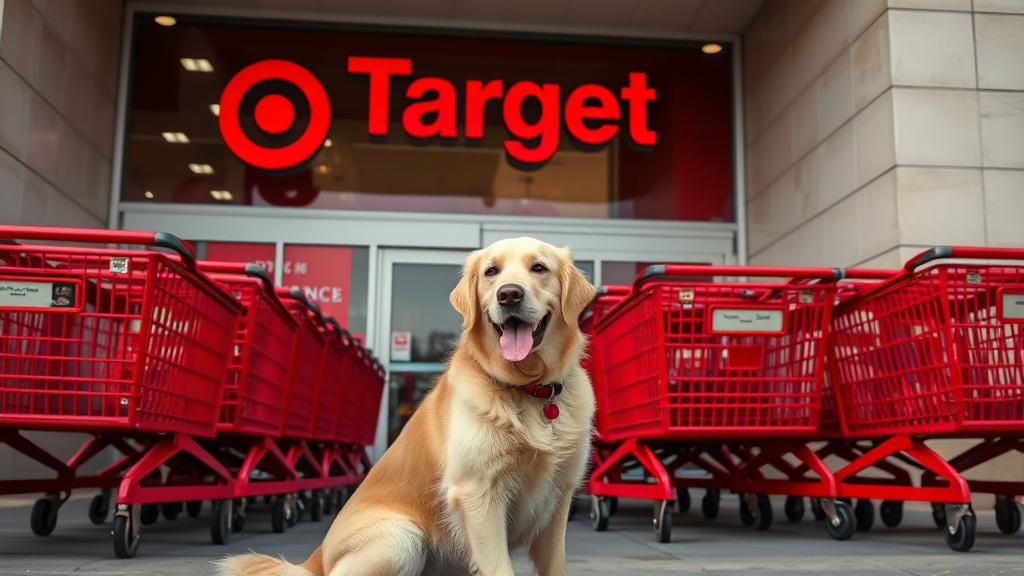
As a devoted dog parent, you’ve probably wondered whether you can bring your furry companion along on shopping trips to Target. The iconic red bullseye store is a popular destination for millions of Americans, but navigating their pet policy can be confusing. Understanding where your dog is welcome and where they’re not is crucial for both your convenience and your pet’s safety.
Target’s pet policy has evolved over the years, and while the company strives to accommodate customers, they also prioritize safety, cleanliness, and compliance with health regulations. Whether you’re running a quick errand or planning a longer shopping excursion, knowing the rules beforehand can save you from awkward situations at the door and ensure a positive experience for everyone involved.
Target’s Official Pet Policy
Target’s corporate policy is clear and straightforward: only service animals are permitted inside Target stores. This policy aligns with the Americans with Disabilities Act (ADA) requirements and applies to all Target locations nationwide. The policy excludes pets, emotional support animals, and therapy animals from entering the store premises.
The reasoning behind this policy stems from multiple factors including food safety regulations, potential allergies among customers and employees, insurance considerations, and maintaining a clean shopping environment. Target stores often sell food items, including fresh groceries in Super Target locations, which means they must adhere to strict health department guidelines that typically prohibit animals except for legitimate service animals.
However, it’s important to note that enforcement of this policy can vary significantly between locations and individual store managers. Some customers report being allowed to bring well-behaved pets into certain Target stores, while others are strictly turned away. This inconsistency often creates confusion among pet owners about what to expect when arriving at different locations.

Service Animals vs. Emotional Support Animals
Understanding the distinction between service animals and other types of support animals is crucial when navigating Target’s pet policy. According to the ADA definition, service animals are dogs (and in some cases miniature horses) that are individually trained to perform specific tasks for people with disabilities.
Service animals are legally protected and have the right to accompany their handlers in all public accommodations, including retail stores like Target. These animals undergo extensive training to perform tasks such as guiding individuals with visual impairments, alerting to seizures, or providing mobility assistance. If you’re considering how to make your dog a service dog, it’s important to understand the rigorous training and legal requirements involved.
Emotional support animals, therapy animals, and pets, while providing valuable companionship and comfort, do not have the same legal access rights as service animals. These animals are not permitted in Target stores under the company’s policy. The process of understanding how to make my dog a service dog involves legitimate training programs and cannot be accomplished simply by purchasing online certificates or vests.
Store employees are legally permitted to ask two specific questions when a service animal enters the premises: whether the animal is required because of a disability, and what task the animal has been trained to perform. They cannot ask for documentation, require the animal to demonstrate tasks, or inquire about the nature of the person’s disability.
Store-by-Store Variations and Manager Discretion
While Target’s corporate policy is consistent across all locations, the reality of enforcement can differ dramatically from store to store. Individual store managers often have discretion in how strictly they enforce the no-pets policy, leading to varied experiences for dog owners across different Target locations.
Some factors that may influence a store’s approach include local community attitudes toward pets, the store’s location (urban vs. suburban vs. rural), the manager’s personal views, and past experiences with pets in the store. Stores in pet-friendly communities or areas with strong dog cultures may be more lenient, while locations in areas with strict health regulations or previous incidents may enforce the policy more rigidly.
The time of day and current store conditions can also affect policy enforcement. During busy periods, staff may be too occupied to notice or address pets in the store, while during quieter times, there may be more attention paid to policy compliance. Additionally, the behavior and size of the dog often influence whether store employees choose to address the situation.
Some Target locations have outdoor garden centers or seasonal areas where pets might be more welcome, though this varies by store layout and local regulations. It’s always best to call ahead and speak with store management if you’re unsure about a particular location’s approach to their pet policy.
Safety and Health Considerations
Target’s pet restrictions aren’t arbitrary—they’re rooted in legitimate safety and health concerns that affect all customers and employees. Retail environments present numerous potential hazards for pets, including crowded aisles, shopping carts, automatic doors, loud noises, and unfamiliar smells that can cause anxiety or unpredictable behavior in animals.
From a public health perspective, pets can pose risks including allergic reactions in sensitive individuals, potential transmission of zoonotic diseases, and sanitation issues. Food safety regulations are particularly strict, and allowing pets in areas where food is sold or consumed can violate health department codes and result in serious consequences for the retailer.
Insurance considerations also play a significant role in pet policies. Retail stores face potential liability issues if a pet injures another customer, damages merchandise, or causes accidents. Even the most well-behaved pets can become startled or defensive in unfamiliar environments, potentially leading to incidents that could result in costly lawsuits.
The welfare of the pets themselves is another important consideration. Retail environments can be stressful for animals, with bright fluorescent lighting, crowded spaces, loud sounds from shopping carts and checkout scanners, and numerous strangers approaching. Many dogs experience anxiety in such settings, which isn’t beneficial for their mental health and wellbeing.
Pet-Friendly Shopping Alternatives
If you’re disappointed about Target’s pet policy, there are numerous pet-friendly retail alternatives where you can shop with your canine companion. Many home improvement stores like Home Depot and Lowe’s welcome well-behaved, leashed dogs, making them great options for household shopping needs.
Pet supply stores are obviously pet-friendly, with chains like Petco, PetSmart, and local pet boutiques encouraging customers to bring their dogs for socialization and to ensure proper fit for items like collars and harnesses. Many of these stores also offer services like nail trimming and training classes that benefit both you and your pet.
Outdoor shopping centers and farmers markets often welcome pets, providing a more relaxed shopping environment where dogs can enjoy fresh air and social interaction. Many bookstores, particularly independent ones, are pet-friendly, and some coffee shops and cafes allow dogs in outdoor seating areas.
For grocery needs, consider online ordering with curbside pickup or delivery services, which allow you to keep your pet comfortable at home while still completing necessary shopping. Many retailers now offer these convenient services, making it easier to manage errands without leaving your furry friend behind.
How to Prepare for Shopping with Your Dog
When you do have opportunities to shop with your dog at pet-friendly establishments, proper preparation is essential for a successful outing. Start by ensuring your dog is well-socialized and comfortable around strangers, other dogs, and various environments. A dog that becomes anxious or reactive in public spaces isn’t ready for retail adventures.
Basic obedience training is crucial—your dog should reliably respond to commands like “sit,” “stay,” “heel,” and “leave it.” These commands help you maintain control in busy environments and prevent your dog from jumping on people, investigating merchandise, or getting into potentially dangerous situations. Understanding your dog’s body language and knowing when they’re stressed or overwhelmed is equally important.
Always bring necessary supplies including waste bags, a sturdy leash, water, and any comfort items your dog might need. Keep visits short initially to gauge your dog’s comfort level and gradually increase duration as they become more accustomed to shopping environments. Remember that dogs have different comfort levels with human interaction, so be prepared to politely redirect well-meaning strangers who want to pet your dog.
Consider your dog’s physical needs as well. Shopping trips can be tiring, especially for smaller or older dogs, so plan accordingly. Some dogs enjoy the mental stimulation of new environments, while others find it exhausting. Pay attention to signs that your dog needs a break or is ready to go home, such as excessive panting, seeking hiding spots, or becoming less responsive to commands.
Frequently Asked Questions
Does Target allow dogs in all their stores?
No, Target’s official corporate policy only allows service animals in their stores. This policy applies to all Target locations nationwide, though enforcement may vary between individual stores and managers.
Can I bring my emotional support animal to Target?
No, emotional support animals are not permitted in Target stores. Only service animals that are individually trained to perform specific tasks for people with disabilities are allowed under ADA regulations.
What happens if I try to bring my pet into Target?
Store employees may politely ask you to leave your pet outside or in your vehicle. Some locations may be more lenient than others, but officially, non-service animals are not permitted inside Target stores.
Are there any Target locations that allow pets?
While corporate policy prohibits pets, some individual stores may be more relaxed in their enforcement. However, this varies significantly by location and management, and there’s no guarantee of consistency.
Can I leave my dog in the car while I shop at Target?
Leaving dogs in cars can be dangerous, especially in warm weather when temperatures can quickly become deadly. Many states have laws against leaving pets unattended in vehicles. Consider alternative shopping methods like online ordering with pickup or delivery instead.
What should I do if I see someone with a pet in Target?
It’s best not to confront other customers directly. If you’re concerned about store policy violations, you can discreetly inform a store employee or manager and let them handle the situation appropriately.
How can I tell if a dog is a legitimate service animal?
Service animals are typically well-trained, focused on their handler, and wearing appropriate gear. However, you cannot ask for documentation or proof. Only store employees can ask the two legally permitted questions about whether the animal is required for a disability and what task it performs. Understanding how to get your dog to be a service dog involves legitimate training that results in specific behavioral characteristics.





