

Planning a trip with your furry best friend? The stress of finding dog accepting hotels shouldn’t ruin your vacation before it even starts. Whether you’re a road-trip warrior or a first-time traveler with your pup, this guide walks you through everything you need to know about choosing, preparing for, and thriving at dog accepting hotels. We’ll cover what to expect, how to set your dog up for success, and real-world tips from someone who’s seen both the disasters and the dream stays.
What Are Dog Accepting Hotels?
Dog accepting hotels are accommodations that welcome pets as guests, typically for an additional fee. These aren’t just places that reluctantly tolerate dogs—the best ones actively cater to canine guests with amenities, policies, and staff trained to handle four-legged visitors. Think of them as the difference between a hotel that says “fine, whatever” versus one that puts out a welcome mat and water bowl.
Most dog accepting hotels fall into a few categories: pet-friendly chains (like La Quinta, Kimpton, or Best Western), boutique pet hotels, Airbnb properties with pet policies, and vacation rentals. Each has different rules, fees, and perks. Some charge a flat pet fee ($25–$75 per stay), while others charge per night ($10–$30). A few upscale dog accepting hotels offer turndown service with treats, dog beds, and even room service menus for pups.
Here’s the reality: not all pet policies are created equal. A hotel that accepts dogs might have restrictions on size, breed, number of pets, or behavior. Some require a damage deposit. Others have specific floors for pet guests. The key is reading the fine print before you book.
Finding the Right Dog Accepting Hotel
Start your search with dedicated pet travel platforms. BringFido is the gold standard—it lists thousands of dog accepting hotels with real reviews from pet owners. You can filter by breed restrictions, size limits, and amenities. Other solid options include GoPetFriendly and Airbnb’s pet filter.
When evaluating dog accepting hotels, check these specifics:
- Size and breed restrictions: Some places have weight limits (e.g., under 50 lbs). Others ban specific breeds, even if unfairly. Know your dog’s size and whether it matches the hotel’s policy.
- Number of pets allowed: Can you bring multiple dogs? Usually yes, but sometimes with extra fees.
- Damage waiver or deposit: How much are you liable for if your dog has an accident? Is it refundable?
- Amenities: Dog beds, water bowls, treats, relief areas? These matter for comfort.
- Staff experience: Read reviews. Are staff members dog-savvy or just tolerating pets?
- Location: Is there a nearby park or walking area? This is crucial for exercise and bathroom breaks.
Call ahead. Don’t just rely on the website. Ask specific questions: “Is your staff experienced with anxious dogs?” “What’s your policy if my dog barks?” “Are there other dogs on-site?” A helpful staff member will give you honest answers and might even offer tips.
According to the American Kennel Club, planning ahead is the single best predictor of a smooth hotel stay with your dog. That means choosing the right place matters more than you’d think.
Preparation Before Your Trip
This is where most people mess up. They book a dog accepting hotel, pack a bag, and hit the road. Then their dog freaks out, and everyone’s miserable. Don’t be that person.
Start training 2–4 weeks before: If your dog has never stayed in a hotel, introduce the concept gradually. Practice short car rides, spend time in unfamiliar rooms (a friend’s guest bedroom works), and reward calm behavior in new spaces. Some dogs are naturally adaptable; others need time.
Visit your vet: Make sure vaccinations are current, especially if your dog will be around other pets. Get a health certificate if you’re crossing state lines or flying. Ask your vet about anxiety medication if your dog is prone to stress—sometimes a mild sedative prescribed for travel makes the difference between a disaster and a decent stay.
Update ID and microchip: Before any trip, ensure your dog’s microchip information is current and your phone number is registered. Put a collar with an ID tag on your dog. If your pup escapes at a dog accepting hotel, you want every advantage in getting them back.
Practice the potty routine: Hotels usually have designated relief areas. Before your trip, train your dog to go potty on command in unfamiliar spots. This prevents accidents in the room and stress for everyone.
Tire them out: A tired dog is a well-behaved dog. Plan extra exercise before check-in. A long walk, a play session, or a trip to a dog park will help your pup settle into the room.
Pack a “hotel kit” with these essentials:
- Food and water bowls (collapsible to save space)
- Your dog’s regular food (don’t switch brands mid-trip)
- Medications (if any)
- Leash, collar, and harness
- Poop bags and a small trash bag
- Favorite toys and a familiar blanket or bed
- Recent photo of your dog (in case they escape)
- Vet records and vaccination proof
- Cleaning supplies (enzymatic cleaner for accidents)
Health and Safety Considerations
Staying at dog accepting hotels means your dog is exposed to new environments, other animals, and potential pathogens. It’s not dangerous if you’re smart about it, but it’s not risk-free either.
Disease exposure: Other dogs have stayed in that room. Even with cleaning, viruses like kennel cough or parasites can linger. Ensure your dog’s vaccines are up-to-date, especially bordetella (kennel cough vaccine). If your dog has a compromised immune system or is very young, talk to your vet about the risks.
Parasite prevention: Use flea, tick, and heartworm prevention year-round, but especially when traveling. Ask your vet for recommendations based on your destination. Some regions have higher parasite loads than others.
Temperature control: Hotels can be cold or hot. Know how to tell if your dog is cold and adjust the thermostat accordingly. Never leave your dog alone in a car, even with windows cracked. And remember: why is my dog not drinking water matters in new environments—dehydration happens when dogs are stressed or in unfamiliar places. Keep fresh water available at all times.
Stress and behavior: Some dogs get stressed in new environments, which can lead to accidents, destructive behavior, or aggression. If your dog shows signs of anxiety, consult your vet. Can dogs get bored is a real question—yes, and boredom plus stress equals trouble. Keep them mentally stimulated with puzzle toys, training sessions, or games.
Allergies and sensitivities: Hotel rooms have different carpet, cleaning products, and air quality than home. Some dogs develop itching or digestive upset. Bring your dog’s regular food and treats. If they develop symptoms, have your vet’s contact info handy.
According to PetMD, the most common issues at dog accepting hotels are stress-related accidents and upper respiratory infections. Both are preventable with proper preparation and vaccination.
What to Expect: Behavior & Adjustment
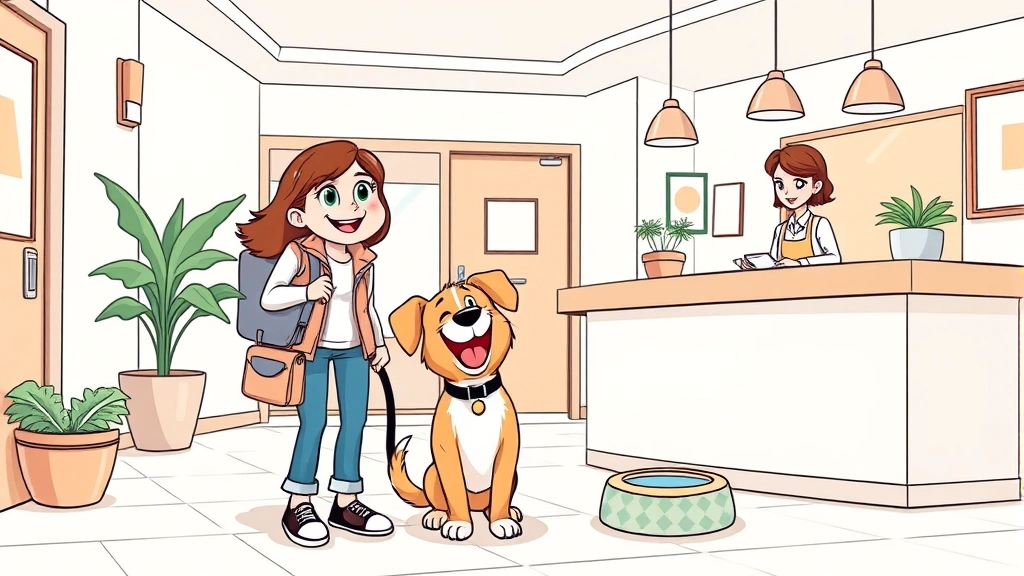
Your dog’s behavior at a dog accepting hotel will likely be different from home. This is normal. Hotels are weird, and dogs know it.
First-night jitters: Many dogs are restless the first night. They might pace, whine, or not sleep well. This usually settles by night two. If it doesn’t, your dog might have separation anxiety or noise sensitivity. Bring a white noise machine or earplugs for you, and consider calming treats or supplements for your pup.
Barking: If your dog is a barker, dog accepting hotels can be stressful. You’ll worry about disturbing neighbors. Here’s the truth: most hotels expect some noise from pets. But chronic barking is a problem. If why do dogs bark at nothing is your reality, work on this before the trip. Teach a “quiet” command. Bring puzzle toys to keep them occupied. Exercise them heavily before bed.
Accidents: Even house-trained dogs sometimes have accidents in hotels. It’s the stress, the unfamiliar scents, or just anxiety. Don’t punish. Instead, clean thoroughly with enzymatic cleaner (the smell of their own urine can trigger repeat accidents), and take them out more frequently.
Aggression or reactivity: If your dog is reactive to other dogs, staff, or loud noises, choose a dog accepting hotel carefully. Look for quieter properties or ground-floor rooms. Avoid peak travel times. If your dog shows aggression, consider hiring a pet sitter to stay with them instead of leaving them in a room alone.
Escape attempts: Some dogs panic and try to escape. They’ll bolt through doors or jump from windows. Keep your pup on a leash or harness whenever you open the door. Don’t let housekeeping in without your dog secured. It sounds paranoid, but it happens.
Setting Up Your Hotel Room for Success
The first 15 minutes in your room are critical. Here’s how to set up a space where your dog feels safe and you feel confident leaving them.
Claim the space: As soon as you enter, let your dog sniff around. This helps them recognize the room as “theirs” temporarily. Rub a blanket from home on the furniture—familiar scents are calming.
Create a safe zone: Set up a designated area with your dog’s bed or blanket, water bowl, and toys. This becomes their retreat. If the room is large, use a portable gate or crate to define the space. Dogs feel safer in smaller, enclosed areas.
Block hazards: Check for:
- Gaps under doors or windows where they could escape
- Toxic plants (some hotels have them)
- Cleaning supplies or medications left by housekeeping
- Electrical cords
- Sharp furniture edges
Set up the bathroom: Designate the bathroom as the “potty zone” if your dog will be alone. Put pee pads down, leave the door open, and reward them for using it. This prevents accidents in the main room.
Control the environment: Close curtains to reduce outside stimuli. Use white noise (a fan, the AC, or a white noise app) to mask hallway sounds. Lower the lights slightly to create a calm atmosphere.
Leave comfort items: A worn t-shirt of yours, their favorite toy, or a puzzle toy with treats keeps them occupied and comforted. Boredom + anxiety = disaster.
During Your Stay: Daily Routine Matters
The secret to a smooth stay at dog accepting hotels is consistency. Your dog thrives on routine, and hotels throw routine out the window. Recreate it as much as possible.
Stick to feeding times: Feed your dog at the same times as home. This keeps their digestion regular and reduces accidents. Don’t let the excitement of travel become an excuse to skip meals or change their diet.
Exercise schedule: Plan at least two substantial walks or play sessions daily. Morning exercise before you leave the room, afternoon exercise when you return, and an evening potty walk before bed. A tired dog is a content dog.
Potty breaks: Take your dog out frequently—at least every 4–6 hours, more if they’re anxious. Use the designated relief area and always pick up poop. This is non-negotiable and shows respect for the hotel and other guests.
Alone time training: If you’re leaving your dog in the room, don’t make a big deal of it. Don’t say goodbye dramatically or rush back. Keep departures and arrivals low-key. Practice leaving them alone for short periods before the trip so they’re used to it.
Training and mental stimulation: Use downtime to train. Practice commands, play games, or work on tricks. This keeps their mind engaged and reinforces your bond. It’s also a great way to tire them out mentally, which is just as important as physical exercise.
Meal prep: Bring their regular food and stick to their normal portions. If you need to adjust portions due to increased activity, do it gradually. Sudden diet changes cause digestive upset.
Common Challenges and Solutions
Challenge: Your dog has separation anxiety.
Solution: Don’t leave them alone for long periods. If you must, consider hiring a pet sitter or dog walker to visit mid-day. Some dog accepting hotels offer daycare services. Alternatively, look for hotels that allow dogs in common areas or have a “bring your dog everywhere” policy. Start with short absences and gradually increase time away. Your vet might recommend anti-anxiety medication for the trip.
Challenge: Your dog is reactive to other dogs.
Solution: Choose quieter dog accepting hotels with fewer guests. Request a ground-floor or end-unit room away from foot traffic. Avoid peak seasons. Use a leash and harness at all times outside your room. If your dog lunges or barks at other dogs, work with a trainer before the trip. Some hotels have dog parks or play areas—avoid these if your dog is reactive.
Challenge: Housekeeping stress.
Solution: Most dog accepting hotels will work with you on housekeeping schedules. Ask if they can clean while you’re out, or request morning service so you’re back before afternoon. Keep your dog in a crate or bathroom during cleaning to prevent escape. Leave a “do not disturb” sign if you’re resting with your pup.
Challenge: Your dog gets carsick or hates car travel.
Solution: Practice short car rides before the trip. Feed them a few hours before travel, not right before. Keep the car cool and well-ventilated. Use a crash-tested harness or carrier for safety. Your vet can recommend motion sickness medication. Break up long drives with stops for bathroom breaks and leg stretches.
Challenge: Your dog refuses to eat or drink.
Solution: Stress suppresses appetite. This is temporary and usually resolves by day two. Offer their favorite treats and high-value foods. Try hand-feeding if needed. Ensure fresh water is always available—sometimes dogs just need time to trust the new environment. If they don’t eat for more than 24 hours or show other symptoms, contact a vet.
Challenge: Accidents in the room.
Solution: Clean immediately with enzymatic cleaner. Take them out more frequently. Use pee pads in the bathroom. Don’t punish—it’s counterproductive. If accidents persist, they might be marking territory (a sign of anxiety) or have a medical issue. Talk to your vet. Some dogs need a pheromone diffuser or calming supplement to reduce stress-related accidents.
Frequently Asked Questions
How much does it cost to stay at dog accepting hotels?
– Pet fees vary widely. Most dog accepting hotels charge $25–$75 per stay, or $10–$30 per night. Some boutique pet hotels charge $100+ per night. Budget for pet fees when planning your trip. Premium dog accepting hotels with amenities like dog beds, treats, and play areas justify higher costs.
Are there breed or size restrictions at dog accepting hotels?
– Many dog accepting hotels have size limits (often under 50 lbs) or breed restrictions, though these are often unfair. Some ban “aggressive” breeds like pit bulls or German Shepherds regardless of individual temperament. Always check the specific policy before booking. If your dog is restricted, look for hotels with no breed bans or contact the property to discuss your specific dog.
Can I leave my dog alone in a hotel room?
– Technically yes, but it’s not ideal for long periods. Most dogs can handle 4–6 hours alone, especially if they’re exercised beforehand. For longer absences, hire a pet sitter, use hotel daycare, or don’t leave them alone. Never leave a dog alone in a car, even briefly. Some dog accepting hotels have policies about unattended pets—check before booking.
What if my dog damages the room?
– You’re liable. That’s why damage waivers exist. Most dog accepting hotels require a refundable deposit ($50–$200) or charge for damages. Prevention is key: exercise your dog, don’t leave them alone for long, and supervise closely. If an accident happens, report it to staff and offer to pay for cleaning. Most hotels are understanding about minor incidents.
Do dog accepting hotels allow dogs in common areas?
– Some do, some don’t. Kimpton Hotels, for example, allow dogs everywhere. Others restrict pets to rooms only. Check the policy. If your dog is well-behaved and vaccinated, many staff members are flexible about letting them in lobbies or outdoor dining areas. Always ask first.
What’s the best time of year to travel with a dog to a hotel?
– Off-season (late fall, winter, early spring) is ideal. Fewer guests mean less noise, less stress, and more availability at dog accepting hotels. Summer and holidays are chaotic. Extreme temperatures (very hot or very cold) are risky for dogs. Mild seasons are best for comfort and safety.

Should I get pet insurance before traveling?
– It’s worth considering, especially for longer trips. Pet insurance covers unexpected vet bills if your dog gets sick or injured while traveling. Some policies include coverage for trip cancellation if your dog becomes ill. Check what’s covered before you go.
How do I know if my dog is ready for a hotel stay?
– Your dog is ready if they’re housetrained, can handle being alone for reasonable periods, are up-to-date on vaccines, and don’t show severe anxiety or aggression. If they’re anxious, work with a trainer first. If they’re not housetrained, train them before the trip. There’s no age requirement, but puppies and senior dogs need more frequent potty breaks and might be more vulnerable to stress.





