
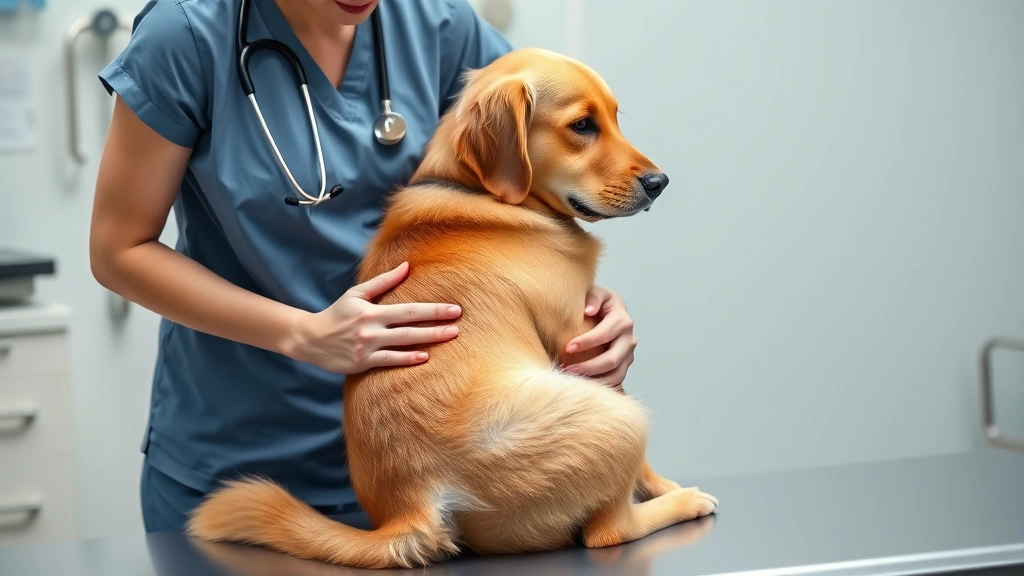
A dog ACL tear is one of those injuries that makes pet parents want to pull their hair out. One minute your furry buddy is sprinting across the yard like a maniac, and the next they’re limping around like they’ve aged twenty years overnight. The anterior cruciate ligament (ACL) is basically the duct tape holding your dog’s knee together, and when it tears, well… things get complicated fast.
Table of Contents
- Understanding What a Dog ACL Tear Really Means
- Recovery Tip #1: Get Professional Veterinary Care (Not Optional)
- Recovery Tip #2: Strict Rest and Activity Modification Are Your Best Friends
- Recovery Tip #3: Optimize Nutrition and Consider Anti-Inflammatory Support
- Recovery Tip #4: Physical Rehabilitation and Controlled Exercise
- Recovery Tip #5: Weight Management and Long-Term Joint Support
- Common Mistakes People Make During ACL Recovery
- Timeline: What to Expect During Recovery
- Signs Your Dog Isn’t Recovering Well
- Frequently Asked Questions
- Wrapping Up: Your Dog Can Recover
The good news? Your pup can absolutely bounce back with the right approach. I’ve seen countless dogs recover from ACL injuries and go on to live happy, active lives. The key is knowing what actually works versus what’s just wishful thinking. Let’s dive into the five proven recovery tips that’ll get your four-legged friend back on their feet.
Understanding What a Dog ACL Tear Really Means
Before we jump into recovery mode, let’s talk about what’s actually happening in your dog’s knee. The ACL (anterior cruciate ligament) is a crucial piece of connective tissue that keeps the tibia (shinbone) from sliding forward relative to the femur (thighbone). When this ligament tears—whether partially or completely—your dog loses that stability.
You’ll typically notice signs like limping, reluctance to put weight on the affected leg, swelling around the knee, or that weird bunny-hopping gait where they’re basically using only their back legs. Some dogs are drama queens about it; others will keep limping along like nothing’s wrong. Either way, this isn’t something you can ignore.
The tricky part? A dog ACL tear can happen to any breed, though larger dogs and those with pre-existing knee issues are more susceptible. Age, weight, and activity level all play a role too.
Recovery Tip #1: Get Professional Veterinary Care (Not Optional)
I know, I know—vets aren’t cheap. But here’s the reality: a proper diagnosis from your veterinarian is non-negotiable. Your vet will likely do an X-ray or ultrasound to confirm the ACL tear and rule out other issues like meniscus damage. Some dogs need surgery; others can recover with conservative management. There’s no one-size-fits-all answer, and only a professional can determine the best path for your specific pup.
If surgery is recommended, listen to your vet. Procedures like tibial plateau leveling osteotomy (TPLO) or lateral suture stabilization have excellent success rates. If conservative management is the route, your vet will outline a specific rehabilitation protocol. Either way, follow their guidance religiously.
Recovery Tip #2: Strict Rest and Activity Modification Are Your Best Friends
This is where most pet parents mess up. They think “rest” means letting their dog wander around the house freely. Nope. Strict rest means crate rest, short leashed potty breaks, and absolutely no jumping, running, or playing fetch.
Think of it like this: your dog’s knee is basically on strike right now. You wouldn’t ask someone with a broken leg to run a marathon, so don’t ask your pup to do zoomies around the living room. Enforce strict activity restrictions for at least 6-8 weeks post-injury (or longer if surgery was performed).
Use baby gates to prevent jumping on furniture. Keep walks short and controlled—think 5-10 minutes on a leash, not your usual 30-minute adventure. No stairs if possible. No rough-housing with other pets. I get it; your dog will give you the saddest puppy eyes you’ve ever seen. Stand firm. This temporary boredom beats chronic lameness.
Recovery Tip #3: Optimize Nutrition and Consider Anti-Inflammatory Support
What your dog eats during recovery matters way more than most people realize. Proper nutrition supports healing, reduces inflammation, and helps maintain a healthy weight (which is crucial—extra pounds stress that recovering knee).
Start by reviewing your dog’s current diet with your vet. High-quality protein supports tissue repair, while omega-3 fatty acids have natural anti-inflammatory properties. Check out our guide on anti-inflammatory foods for pets to see what you can incorporate into their meals.
Many vets recommend supplements during recovery too. Fish oil, glucosamine, and chondroitin are popular choices that support joint health. Some dogs benefit from turmeric (curcumin) due to its anti-inflammatory properties. Always check with your vet before adding supplements—some can interact with medications.
For a comprehensive approach to your dog’s overall diet during this recovery period, our pet nutrition advice resource covers everything from meal planning to portion control for injured pups. Weight management is genuinely critical here, so don’t skip this step.
Recovery Tip #4: Physical Rehabilitation and Controlled Exercise
Once your vet gives the green light (usually a few weeks into recovery), controlled physical therapy becomes essential. This isn’t your dog running around; it’s targeted, low-impact exercises designed to rebuild strength and stability.
Common rehab exercises include:
- Passive range-of-motion exercises (gently moving the leg)
- Controlled walking on flat surfaces
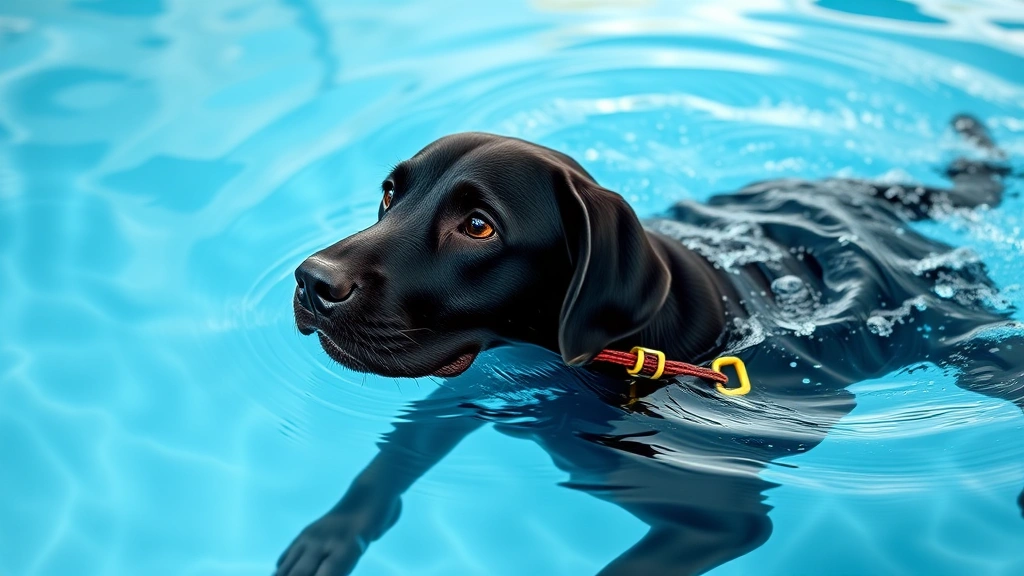
- Swimming or underwater treadmill work (fantastic for building strength without joint stress)
- Cavaletti poles (low poles to step over)
- Balance board exercises
Many vets recommend working with a certified canine rehabilitation therapist. These folks are like personal trainers for injured dogs, and they know exactly how to progress your pup’s recovery safely. If that’s not available in your area, your vet can outline specific exercises to do at home.
The goal is gradually increasing strength and proprioception (your dog’s sense of where their body is in space) without overloading that healing knee. It’s a slow, steady process—think weeks and months, not days.
Recovery Tip #5: Weight Management and Long-Term Joint Support
Here’s a hard truth: if your dog is overweight, that dog ACL tear recovery is going to take longer and be more painful. Extra weight puts enormous stress on the healing knee joint. If your vet suggests weight loss, take it seriously.

Work with your vet to create a sustainable weight loss plan. This usually involves portion control and choosing nutrient-dense, lower-calorie options. Our article on energy boosting foods for active pets has ideas for keeping your dog satisfied while managing calories during recovery.
Long-term joint support matters too. Even after recovery, your dog’s knee will always be slightly more vulnerable. Maintaining a healthy weight, providing regular (but not excessive) exercise, and continuing joint supplements can prevent future issues or slow the development of arthritis.
Common Mistakes People Make During ACL Recovery
Let me share what I’ve seen go wrong. The biggest mistake? Returning to normal activity too fast. Your dog feels better, so you think they’re healed. They’re not. The ligament needs time to fully stabilize, and premature activity can cause re-injury.
Second mistake: ignoring weight management. I’ve watched dogs with ACL tears struggle because their owners couldn’t say no to treats or couldn’t commit to portion control. It’s tough, but it matters.
Third mistake: skipping rehabilitation exercises. Surgery or rest alone isn’t enough. Your dog needs that targeted physical therapy to regain strength and stability.
Fourth mistake: not following your vet’s specific protocol. Every dog and every injury is different. What worked for your neighbor’s Golden Retriever might not be right for your dog.

Timeline: What to Expect During Recovery
Recovery from a dog ACL tear doesn’t happen overnight. Here’s a realistic timeline:
Weeks 1-2: Acute phase. Swelling, pain, and severe lameness. Strict rest and pain management.
Weeks 3-6: Inflammation decreases. Your dog might seem better, but the ligament is still healing. Maintain strict rest.
Weeks 6-12: Rehabilitation phase. Controlled exercise increases gradually. Physical therapy becomes central.
Months 3-6: Continued strengthening. Most dogs show significant improvement, but full recovery can take 6-12 months.
6-12 months: Return to normal activity (gradually). Some dogs never return to their pre-injury activity level, and that’s okay.
For dogs that have surgery, recovery typically follows a similar timeline but with more structured rehabilitation. Conservative management takes longer but avoids surgical risks.
Signs Your Dog Isn’t Recovering Well
Most dogs recover beautifully with proper care. But watch for red flags:
- Persistent or worsening lameness beyond what your vet expected
- Increased swelling or heat in the knee
- Signs of pain (whimpering, reluctance to move)
- Inability to bear any weight on the leg
- Signs of infection (if surgery was performed)
If you notice any of these, contact your vet immediately. Sometimes complications develop, and early intervention makes a huge difference.
Frequently Asked Questions
Can a dog fully recover from an ACL tear without surgery?
Yes, many dogs recover well with conservative management involving strict rest, controlled rehabilitation, and weight management. However, larger dogs and those with complete tears often benefit from surgery. Your vet will determine the best approach for your specific pup.
How long does it take for a dog ACL tear to heal?
Full recovery typically takes 6-12 months, depending on whether surgery was performed and your dog’s individual healing response. Most dogs show significant improvement within 6-8 weeks with proper care.
What’s the best exercise for a dog recovering from an ACL tear?
Swimming and underwater treadmill work are ideal because they build strength without excessive joint stress. Controlled leash walks and specific rehabilitation exercises prescribed by your vet are also excellent.

Will my dog develop arthritis after an ACL tear?
Dogs that have experienced an ACL tear have a higher risk of developing arthritis in that knee over time. However, proper recovery, weight management, and ongoing joint support can slow this process significantly.
Is a dog ACL tear a permanent injury?
The torn ligament won’t repair itself completely, but the knee can stabilize through scar tissue formation and muscle strengthening. With proper care, most dogs return to normal or near-normal function, though the knee may always be slightly more vulnerable.
Wrapping Up: Your Dog Can Recover
A dog ACL tear is serious, but it’s not a death sentence for your dog’s quality of life. With proper veterinary care, strict rest, appropriate nutrition, rehabilitation exercises, and weight management, most dogs make excellent recoveries.
The five proven recovery tips we’ve covered—professional vet care, strict rest, optimized nutrition, physical rehabilitation, and weight management—work because they address the injury comprehensively. There’s no magic pill or shortcut, but these evidence-based approaches consistently produce results.
Your dog will get through this, and so will you. Stay patient, follow your vet’s guidance, and celebrate the small wins along the way. Before you know it, your pup will be back to their normal antics (within reason, of course).





