
Your dog scoots across the carpet. Again. You’re embarrassed, they’re uncomfortable, and you’re wondering: “Is this something I need to handle?” The answer is yes—and dog anal gland expression is more manageable than you think. Whether your pup needs professional help or you’re ready to learn the basics yourself, this guide breaks down everything you need to know about keeping those glands happy and your dog’s rear end comfortable.
What Are Anal Glands and Why Do They Matter?
Your dog has two small sacs on either side of their anus called anal glands (or anal sacs). These aren’t vestigial leftovers—they serve a real purpose. Each gland produces a smelly, oily secretion that helps your dog mark territory and communicate with other dogs. Think of it like a scent signature.
Normally, when your dog poops, the pressure from their stool naturally empties these glands. It’s automatic, no intervention needed. But sometimes the system breaks down. The glands don’t empty fully, fluid builds up, and suddenly your dog is uncomfortable and you’re dealing with dog anal gland expression as a regular maintenance task.
The issue is more common than you’d think. Small breeds, older dogs, and pups with allergies or digestive issues are particularly prone to anal gland problems. According to the American Kennel Club, anal gland issues are one of the most frequent reasons owners bring their dogs to the vet for non-emergency visits.
Here’s the real talk: ignoring full anal glands won’t resolve itself. The longer fluid sits in those sacs, the higher the risk of infection, abscess, or rupture. That’s painful for your dog and expensive for you.
Signs Your Dog Needs Anal Gland Expression
Before you grab supplies or schedule a vet appointment, learn to spot the warning signs. Your dog can’t tell you their anal glands are full, but their behavior absolutely can.
- Scooting: The classic sign. Your dog drags their rear end across the carpet, grass, or floor. They’re trying to relieve pressure and discomfort. If you notice this, check out our guide on why dogs scoot on their butt for more context.
- Excessive licking or biting at the rear: Your dog fixates on their butt, licking or gnawing at it constantly. This ties into our article on why dogs keep licking their butt—sometimes it’s behavioral, but often it’s discomfort.
- Visible swelling or redness: The area around the anus looks puffy, inflamed, or irritated.
- Foul odor: The smell is worse than normal dog butt odor. It’s pungent and unpleasant, even for a dog owner’s standards.
- Difficulty sitting or standing: Your dog seems hesitant to sit, stands awkwardly, or whimpers when they do sit down.
- Dragging or discharge: You notice a wet spot where your dog was sitting, or visible discharge around the anus.
- Behavioral changes: Your normally happy dog becomes withdrawn, irritable, or restless.
Not all of these signs appear at once. Sometimes it’s just one or two. The key is recognizing that your dog is trying to communicate discomfort, and dog anal gland expression might be the solution.
Professional Expression vs. At-Home Care
You have two main options: let a professional handle it or learn to do it yourself. Both are valid, and honestly, most dog owners end up doing some combination of both.
Professional Expression (The Easy Route)
Your vet or groomer can express your dog’s anal glands in about two minutes. It’s quick, they know what they’re doing, and you don’t have to deal with the mess or worry about hurting your dog. Cost ranges from $50 to $150 depending on your location and whether your dog’s glands are impacted or infected.
The downside? If your dog needs frequent expression (every 4-8 weeks), the costs add up fast. Plus, you’re dependent on appointment availability.
Most vets recommend professional expression if:
- Your dog has never had their glands expressed before
- The glands are infected, abscessed, or ruptured
- Your dog is anxious or aggressive during handling
- You’re not confident doing it yourself
At-Home Expression (The DIY Route)
Once you know the technique, expressing your dog’s anal glands at home is doable. You’ll need:
- Paper towels or old towels (this gets messy)
- Disposable gloves
- Warm water and mild soap
- A calm, well-lit space
- A helper (ideally someone to hold your dog still)
The benefit? You can do it as often as needed without scheduling appointments or spending hundreds of dollars. The downside? It takes practice, and the first time is awkward for everyone involved.
How to Express Dog Anal Glands at Home

Let’s get practical. Here’s the step-by-step process for dog anal gland expression at home.
Step 1: Set Up Your Space
Work in a bathroom or outside (trust me, you want easy cleanup). Have your dog stand on a non-slip surface. If you have a helper, great—one person holds the dog still while the other does the expressing. If you’re solo, it’s trickier but possible.
Step 2: Calm Your Dog
This is not a fun experience for your dog. Speak in a calm, reassuring voice. If your dog is extremely anxious, consider asking your vet about a mild sedative for the first time.
Step 3: Locate the Glands
The anal glands are at 4 o’clock and 8 o’clock positions around your dog’s anus (imagine a clock face). They’re about the size of a pea to a grape, depending on how full they are.
Step 4: The External Method (Safest for Beginners)
This is the most common approach for at-home dog anal gland expression:
- Put on your gloves.
- Lift your dog’s tail gently.
- Place your thumb and index finger on either side of the anus, just below the gland locations (about 1 inch away from the anus).
- Apply gentle, steady pressure upward and inward, like you’re trying to squeeze the glands toward the center.
- You should feel the glands as small, firm bumps. Apply pressure slowly and deliberately.
- The fluid will express out—it’s brownish, oily, and smells terrible. That’s normal.
- Repeat on the other side.
- Wipe the area clean with warm water and paper towels.
The whole process takes 2-5 minutes. If nothing comes out after a minute of gentle pressure, stop. The glands might not be full, or they might be impacted (which requires professional help).
Step 5: The Internal Method (Advanced)
Some people use the internal method, inserting a gloved finger into the rectum to express the glands from inside. This is more effective for stubborn glands but requires more technique and carries a higher risk of injury. Unless your vet specifically teaches you this method, stick with the external approach.
Step 6: Aftercare
Give your dog a treat and lots of praise. Clean up the area thoroughly. Wash your hands well (even through gloves, the smell lingers). Monitor your dog for any signs of bleeding, excessive discomfort, or discharge in the following hours.
Pro Tip: If you’re nervous about hurting your dog, ask your vet to demonstrate the technique on your pup first. Seeing it done correctly builds confidence and gives you a baseline for pressure and technique.
Prevention Strategies That Actually Work
The best dog anal gland expression is the one you never have to do. Prevention is real, and it starts with lifestyle changes.
Increase Dietary Fiber
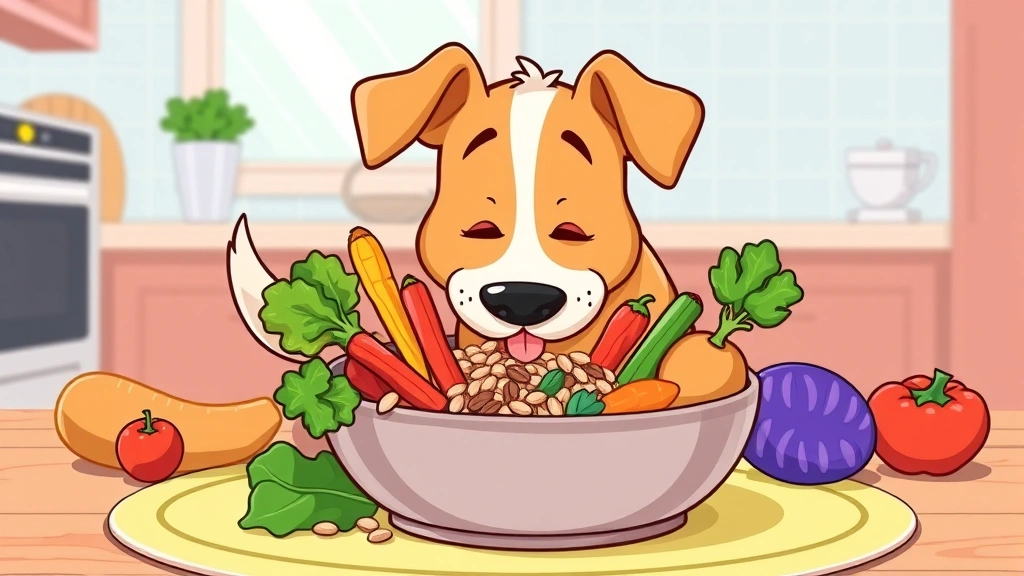
This is the #1 prevention strategy. Fiber increases stool bulk, which creates more pressure during bowel movements and naturally empties the glands. Add fiber through:
- High-quality dog food with adequate fiber content (look for 4-6% fiber)
- Pumpkin puree (1-2 tablespoons per meal for small dogs, up to 4 tablespoons for large dogs)
- Psyllium husk supplements (ask your vet for dosing)
- Sweet potato or green beans mixed into food
Many dogs see significant improvement within 2-3 weeks of increased fiber. It’s that effective.
Maintain Healthy Weight
Overweight dogs are more prone to anal gland issues. Extra weight puts pressure on the area and can affect muscle tone. If your dog is overweight, work with your vet on a gradual weight loss plan.
Address Underlying Allergies
Dogs with food or environmental allergies often have inflamed anal glands. The inflammation prevents normal emptying. If your dog has allergies, treating those (through diet changes, medication, or environmental control) often resolves gland issues as a side effect.
Regular Exercise
Movement helps with digestion and overall gut health. A dog that poops regularly and consistently is less likely to have anal gland problems.
Probiotics and Digestive Health
Some vets recommend probiotics to support gut health and improve stool consistency. Consult your vet before adding supplements, but this is worth exploring if your dog has recurring issues.
When to Call Your Vet (Red Flags)
Sometimes dog anal gland expression at home isn’t enough. Know when to bring in a professional.
- Bleeding or pus: If you see blood or pus when expressing, or if there’s discharge without expression, stop and call your vet.
- Severe swelling or abscess: If the area around the anus is massively swollen, hot to the touch, or your dog is in obvious pain, this is an infection or abscess. Your dog needs antibiotics and possibly drainage.
- Rupture: If the gland ruptures, you’ll see a hole or wound near the anus. This requires immediate veterinary care.
- Impacted glands: If you can’t express anything after gentle pressure, the glands might be impacted. Your vet may need to use anesthesia or other techniques.
- Chronic issues: If your dog needs expression more than every 4-6 weeks, there’s an underlying problem (allergy, digestive issue, tumor, or gland dysfunction) that needs investigation.
- Behavioral changes: If your dog becomes withdrawn, stops eating, or seems systemically ill, don’t wait for an appointment—call your vet right away.
Anal gland infections can become serious quickly. When in doubt, call your vet. It’s better to be cautious.
Diet, Fiber, and the Prevention Connection
Let’s dig deeper into the diet piece because it’s genuinely transformative for many dogs.
The reason fiber works is biomechanical. When your dog eats a high-fiber diet, their stool becomes bulkier but not harder. This increased bulk creates pressure against the anal glands during defecation, naturally expressing them. It’s like nature’s way of doing the job for you.
According to research from veterinary nutrition specialists, dogs on adequate fiber diets have a 60-70% lower rate of anal gland issues compared to dogs on low-fiber diets.
Here’s what to look for in dog food:
- Fiber content: Aim for 4-6% crude fiber for most dogs. Some dogs benefit from even higher fiber (up to 8-10%), but check with your vet.
- Quality ingredients: Look for whole grains, vegetables, and legumes as fiber sources, not just fillers.
- Digestibility: High-quality food is easier to digest, leading to better stool consistency.
If your current food is low in fiber, you have options:
- Switch to a high-fiber commercial diet (many brands make these specifically for digestive health)
- Keep your current food and add fiber supplements or whole-food additions
- Work with a veterinary nutritionist to create a custom diet
The transition matters. If you switch foods, do it gradually over 7-10 days to avoid digestive upset. Mix increasing amounts of the new food with the old food until you’ve fully transitioned.
One more thing: hydration. Dogs on higher-fiber diets need adequate water intake. Make sure your dog has constant access to fresh water.
Safety Warning: Don’t suddenly dump a bunch of fiber into your dog’s diet without gradually increasing it. Too much fiber too fast can cause bloating, gas, or diarrhea. Start with small additions and increase over a week or two.
Frequently Asked Questions
How often should I express my dog’s anal glands?
– This varies by dog. Some dogs never need expression because their glands empty naturally. Others need it every 4-8 weeks. If your dog needs it more frequently than every 6 weeks, there’s likely an underlying issue (allergy, diet problem, or gland dysfunction) worth investigating with your vet. The goal is prevention through diet and lifestyle, not regular expression.
Can I use the internal method for dog anal gland expression at home?
– Technically yes, but I’d recommend learning it from your vet first. The internal method is more effective for stubborn glands but carries a higher risk of rectal injury if done incorrectly. Start with the external method and only move to internal if your vet recommends it and shows you how.
What does infected anal gland fluid look like?
– Infected fluid is often darker (dark brown or reddish), thicker, and may contain blood or pus. Normal anal gland fluid is brownish and oily. If you see anything that looks infected, stop expressing and contact your vet. Infected glands need antibiotics.
Is dog anal gland expression painful?
– When done correctly with gentle pressure, it shouldn’t be painful—just uncomfortable and undignified for your dog. If your dog yelps or tries to bite during expression, you might be using too much pressure, or there might be an infection or injury. Stop and contact your vet.
Can diet alone prevent anal gland problems?
– For many dogs, yes. Increasing fiber and addressing allergies resolves anal gland issues completely. However, some dogs have anatomical or glandular issues that make them prone to problems regardless of diet. These dogs may need regular professional expression or, in severe cases, surgical removal of the glands.
What happens if I don’t express my dog’s anal glands?
– If your dog’s glands are full and you don’t express them, they’ll eventually rupture or become infected. This is painful for your dog and requires veterinary treatment, often including antibiotics, pain medication, and sometimes surgical drainage. Prevention is always easier and cheaper than treatment.
Can I express my dog’s anal glands if they’re infected?
– No. If the glands are infected or abscessed, attempting to express them at home can spread the infection or cause rupture. Infected glands need professional veterinary care, which may include antibiotics, pain medication, and possibly anesthesia for proper drainage.
How do I know if my dog’s anal glands have ruptured?
– Signs of rupture include a visible hole or wound near the anus, bleeding, pus drainage, severe swelling, and extreme pain. Your dog may also have difficulty walking or sitting. This is an emergency. Contact your vet immediately. Ruptured glands require wound care, antibiotics, and pain management.
Are certain dog breeds more prone to anal gland issues?
– Yes. Small breeds (Chihuahuas, Poodles, Dachshunds) and dogs with low muscle tone are more prone to problems. Overweight dogs and dogs with allergies or digestive issues also have higher rates. However, any dog can develop anal gland problems.
Can I prevent anal gland issues by expressing them regularly even if my dog doesn’t need it?
– No. Over-expressing healthy glands can actually cause irritation and inflammation. Only express when necessary (when your dog shows signs) or as recommended by your vet. The focus should be on prevention through diet and lifestyle, not routine expression.
The Bottom Line on Dog Anal Gland Expression
Dog anal gland expression isn’t glamorous, but it’s a normal part of dog care for many owners. Whether you choose professional help or tackle it at home, the key is recognizing the signs early and addressing the root cause. Most dogs with chronic anal gland issues can be managed through diet changes, increased fiber, weight management, and allergy treatment. Start with prevention, and you might never need to express your dog’s glands again. And if you do? Now you know exactly what to do.
For more information on related digestive and behavioral issues, check out our guides on treating urinary tract infections at home and identifying fleas, as parasites and infections can sometimes contribute to anal gland problems. And if your dog has any wounds in the area, our article on cleaning dog wounds has helpful guidance.
Your dog’s comfort matters. You’ve got this.





