

When your furry best friend is limping around or seems uncomfortable, the first thought might be to reach into your medicine cabinet for dog aspirin. But hold up! Before you become a DIY veterinary pharmacist, there’s a lot you need to know about giving aspirin to dogs. This isn’t just about popping a pill and hoping for the best—it’s about understanding dosages, risks, and when you absolutely need to call your vet instead of playing doctor at home.
Table of Contents
- What Exactly Is Dog Aspirin and How Does It Work?
- Can You Give Your Dog Regular Human Aspirin?
- The Right Dosage: Getting It Just Right
- When Is Dog Aspirin Actually Appropriate?
- Potential Side Effects and Risks You Need to Know
- Drug Interactions: When Aspirin Plays Poorly With Others
- Safer Alternatives to Consider
- Signs Your Dog Needs Medical Attention, Not Aspirin
- How to Safely Administer Dog Aspirin
- The Age Factor: Puppies, Adults, and Senior Dogs
- When to Call Your Vet Instead of Self-Treating
- Storage and Safety Considerations
- Frequently Asked Questions
- Summary: Making the Right Call for Your Pup
What Exactly Is Dog Aspirin and How Does It Work?
Aspirin is a nonsteroidal anti-inflammatory drug (NSAID) that reduces pain, inflammation, and fever. When it comes to dog aspirin, you’re typically looking at acetylsalicylic acid formulated specifically for canine use. Unlike human aspirin, veterinary-grade aspirin is manufactured with dogs’ unique physiology in mind.
The drug works by inhibiting prostaglandins—hormone-like substances in your dog’s body that cause inflammation and pain. When these prostaglandins get blocked, your pup experiences relief. Sounds simple, right? Well, it gets complicated fast because dogs metabolize medications differently than humans do, and what’s safe for you might be dangerous for Fido.
Can You Give Your Dog Regular Human Aspirin?
This is where things get tricky. Technically, you can give your dog human aspirin in a pinch, but should you? Not without veterinary guidance. Human aspirin comes in different formulations—some contain additives, coatings, or buffering agents that aren’t ideal for dogs. Plus, the dosing becomes a guessing game.
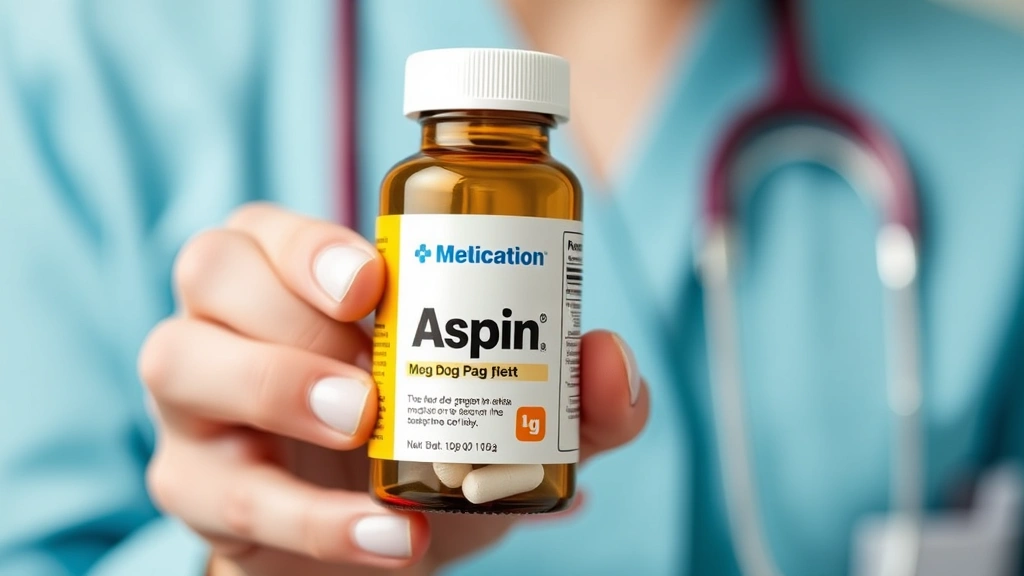
If you’re in an emergency situation and can’t reach your vet, human aspirin at roughly 5-10 mg per pound of body weight might work temporarily. But this is a last resort, not a long-term solution. Always aim for dog aspirin products specifically formulated for canines, which your vet can recommend or prescribe.
The Right Dosage: Getting It Just Right
Dosing dog aspirin isn’t one-size-fits-all. Your dog’s weight, age, health status, and the specific condition being treated all factor into the equation. Generally, vets recommend 5-10 mg per pound of body weight, given every 6-12 hours. But here’s the kicker: exceeding these guidelines can lead to serious complications.
A 50-pound dog might tolerate 250-500 mg per dose, while a 10-pound Chihuahua needs only 50-100 mg. Give your tiny dog the big dog’s dose, and you’re looking at potential toxicity. This is exactly why you shouldn’t wing it—have your vet calculate the precise dosage for your individual pup based on their medical history and current health status.

When Is Dog Aspirin Actually Appropriate?
Your vet might recommend dog aspirin for several legitimate reasons. Mild arthritis in older dogs, post-operative pain management, and certain inflammatory conditions are common scenarios. Some vets use it for dogs with heart conditions to prevent blood clots, though newer medications have largely replaced this practice.
The key word here is “mild.” If your dog is experiencing severe pain, limping dramatically, or showing signs of serious injury, aspirin alone probably isn’t the answer. You need a professional evaluation to rule out fractures, ligament tears, or other conditions requiring different treatment approaches. Pet telehealth services can provide quick consultations if your regular vet isn’t immediately available.
Potential Side Effects and Risks You Need to Know
Here’s where the fun stops and reality sets in. Dog aspirin isn’t without risks, especially with prolonged use. The most common side effect is gastrointestinal upset—vomiting, diarrhea, loss of appetite, and abdominal pain. Some dogs develop ulcers from chronic aspirin use, which can be serious.

More severe complications include bleeding disorders, as aspirin thins the blood. If your dog is already on blood thinners, has bleeding disorders, or is scheduled for surgery, aspirin could be dangerous. Kidney and liver disease also complicate matters, since these organs process medications. Pregnant or nursing dogs should avoid aspirin entirely, as it can affect fetal development and pass into milk.
Allergic reactions, though rare, can happen. Watch for facial swelling, difficulty breathing, or hives. If you notice any of these signs after giving dog aspirin, seek emergency veterinary care immediately.
Drug Interactions: When Aspirin Plays Poorly With Others
If your dog is already on medications, dog aspirin might not be compatible. Other NSAIDs, corticosteroids, and certain blood pressure medications can interact negatively with aspirin. Combining multiple NSAIDs dramatically increases the risk of gastrointestinal bleeding and kidney damage.

Always provide your vet with a complete list of current medications, supplements, and treatments before starting aspirin. What seems like a harmless addition to your dog’s regimen could become a dangerous cocktail when mixed with existing prescriptions. Your vet needs the full picture to make safe recommendations.
Safer Alternatives to Consider
Modern veterinary medicine offers several alternatives to dog aspirin that might be safer for your pup. Newer NSAIDs like carprofen (Rimadyl) and meloxicam (Metacam) are specifically formulated for dogs and often have better safety profiles. Physical therapy, weight management, and joint supplements containing glucosamine and chondroitin can help with arthritis without medication.
Cold laser therapy, acupuncture, and massage are gaining traction in veterinary practices for pain management. Some dogs benefit from prescription-strength pain relievers that target pain differently than aspirin. Your vet can discuss which options make sense for your dog’s specific situation.

Signs Your Dog Needs Medical Attention, Not Aspirin
Not every limp or whimper calls for dog aspirin. If your dog shows signs of severe pain, inability to bear weight, swelling, heat around a joint, or reluctance to move, get professional evaluation immediately. These could indicate fractures, ligament injuries, or infections requiring different treatment.
Vomiting, diarrhea, abdominal pain, or loss of appetite after starting aspirin demands a vet call. Lethargy, pale gums, or unusual bruising might indicate bleeding complications. Your dog can’t tell you what’s wrong, so you need to be their advocate and recognize when home treatment isn’t enough.
How to Safely Administer Dog Aspirin
If your vet has prescribed dog aspirin, administration matters. Most dogs will take it with food to minimize stomach upset—hide it in a treat, peanut butter, or wet food. Never give aspirin on an empty stomach, as this increases gastrointestinal irritation risk.

Keep detailed records of when you give doses and any reactions you observe. If your dog refuses the medication or shows signs of distress, contact your vet rather than forcing it. Some dogs need the medication compounded into a different form or flavor to make administration easier.
The Age Factor: Puppies, Adults, and Senior Dogs
Age affects how dogs handle dog aspirin. Puppies shouldn’t receive aspirin except under strict veterinary supervision, as their bodies aren’t equipped to metabolize it safely. Young adult dogs generally tolerate it better than seniors, though individual variation exists.
Senior dogs often have underlying kidney or liver issues that complicate aspirin use. Just because your 12-year-old dog has arthritis doesn’t automatically mean aspirin is appropriate—their organ function needs assessment first. A blood panel before starting any chronic medication is standard practice for older dogs.

When to Call Your Vet Instead of Self-Treating
Here’s the golden rule: if you’re unsure whether dog aspirin is appropriate, call your vet. Don’t wait. Don’t guess. Don’t rely on what worked for your neighbor’s dog or what you read on a Facebook group. Every dog is unique, and what’s safe for one might be dangerous for another.
If your dog has existing health conditions, takes other medications, is very young or very old, or if the pain seems severe, professional guidance is non-negotiable. Your vet might recommend aspirin, might suggest alternatives, or might identify an underlying problem requiring different treatment entirely. That’s why they went to veterinary school.
Storage and Safety Considerations
Store dog aspirin in a cool, dry place away from moisture and light. Keep it out of your dog’s reach—accidental overdose from a dog finding and chewing through a bottle is a real emergency. If your dog ingests too much aspirin, call poison control or your emergency vet immediately.

Symptoms of aspirin overdose include vomiting, diarrhea, lethargy, difficulty breathing, and tremors. This is serious stuff. Proper storage prevents these scenarios entirely. Treat medications with the same respect you’d give to any dangerous substance in your home.
Frequently Asked Questions
Is dog aspirin the same as human aspirin?
Not exactly. While the active ingredient (acetylsalicylic acid) is the same, veterinary aspirin is formulated specifically for dogs without additives that might be harmful. Human aspirin might work in emergencies at proper dosages, but it’s not ideal for regular use.
How long can my dog safely take aspirin?
Short-term use (a few days to a week) is generally safer than chronic long-term use. If your dog needs aspirin for more than a week or two, your vet should monitor them with regular blood work to catch any complications early. Chronic aspirin use requires veterinary oversight.

Can I give my dog aspirin for a fever?
Fevers in dogs often indicate underlying infection or illness requiring diagnosis. Rather than treating the fever with dog aspirin, your vet needs to identify the cause. Fever is a symptom, not a disease, and masking it without addressing the root problem could delay necessary treatment.
What’s the difference between aspirin and ibuprofen for dogs?
Both are NSAIDs, but ibuprofen is generally considered less safe for dogs than aspirin. Ibuprofen has a narrower safety margin in canines and carries higher risk of toxicity at lower doses. If your vet recommends an NSAID, they’ll specify which one is appropriate for your dog.
Can I give my dog aspirin with food?
Yes, and you should. Giving aspirin with food significantly reduces the risk of gastrointestinal upset. Hide it in a treat, mix it with wet food, or give it alongside a meal. Never give aspirin on an empty stomach.

What should I do if my dog overdoses on aspirin?
Contact your emergency veterinary clinic or poison control immediately. Don’t wait to see if symptoms develop. Provide information about how much aspirin was ingested and when. Time is critical in overdose situations, and professional treatment might prevent serious complications.
Summary: Making the Right Call for Your Pup
Dog aspirin can be a useful tool in your veterinary toolkit when used appropriately, but it’s not a cure-all for every ache and pain. Understanding the risks, proper dosages, and when professional evaluation is necessary separates responsible pet ownership from dangerous guessing.
Your dog depends on you to make informed decisions about their health. Before reaching for dog aspirin, ask yourself: Have I consulted with my vet? Do I know the correct dosage for my dog’s weight and health status? Am I aware of potential side effects and drug interactions? If you can’t confidently answer yes to all three questions, pick up the phone and call your vet instead.
Modern veterinary medicine offers many options for managing pain and inflammation. Your vet can help you choose the safest, most effective approach for your individual dog’s needs. That’s what they’re there for, and it’s worth the conversation. Your pup will thank you for being their advocate.
For other medication and wound care questions, check out our guides on using liquid bandage on dogs, antibiotic ointment for dogs, and applying Neosporin to dogs. When in doubt about any treatment, professional veterinary guidance is always the safest choice for your furry friend.





