
So your dog ate chicken bones—and now you’re spiraling into panic mode while your pup is probably just napping on the couch like nothing happened. Don’t worry, we’ve got you covered with everything you need to know about this surprisingly common canine mishap.
Table of Contents
- Why Chicken Bones Are Actually Dangerous for Dogs
- Immediate Signs Your Dog Is in Trouble
- The First 30 Minutes: What to Do Right Now
- Vet Visit Essentials: What to Expect
- Understanding Bone Fragments and Intestinal Blockage
- Home Monitoring Protocol After Your Vet Visit
- When to Rush Back to the Emergency Clinic
- Prevention: Stop Your Dog From Eating Chicken Bones
- Raw vs. Cooked Bones: Which Is Worse?
- Long-Term Care and Recovery
- When Your Dog Is a Serial Bone Eater
- Frequently Asked Questions
- Conclusion: You’ve Got This
Why Chicken Bones Are Actually Dangerous for Dogs
Here’s the thing: chicken bones are legitimately risky business for our furry friends. Unlike beef bones, which are dense and less likely to splinter, chicken bones are hollow and brittle. When your dog chomps down on them, they fracture into sharp, needle-like pieces that can wreak havoc on their digestive system. These fragments can puncture the esophagus, stomach, or intestines—basically turning dinner into a potential surgical emergency.
The danger isn’t just about the bones themselves either. Cooked chicken bones are particularly problematic because the cooking process makes them more brittle and prone to splintering. Raw chicken bones? Still risky, though slightly less likely to shatter into dangerous shards.
Immediate Signs Your Dog Is in Trouble
After your dog ate chicken bones, the first 24-48 hours are critical observation time. Watch for these red flags like a hawk:
Vomiting and retching are often the first signs that something’s poking around where it shouldn’t be. Loss of appetite is another biggie—if your normally food-obsessed pup suddenly turns their nose up at treats, that’s a concern. Abdominal pain might show up as excessive panting, hunched posture, or reluctance to move. Your dog might also display lethargy, acting unusually tired or withdrawn.
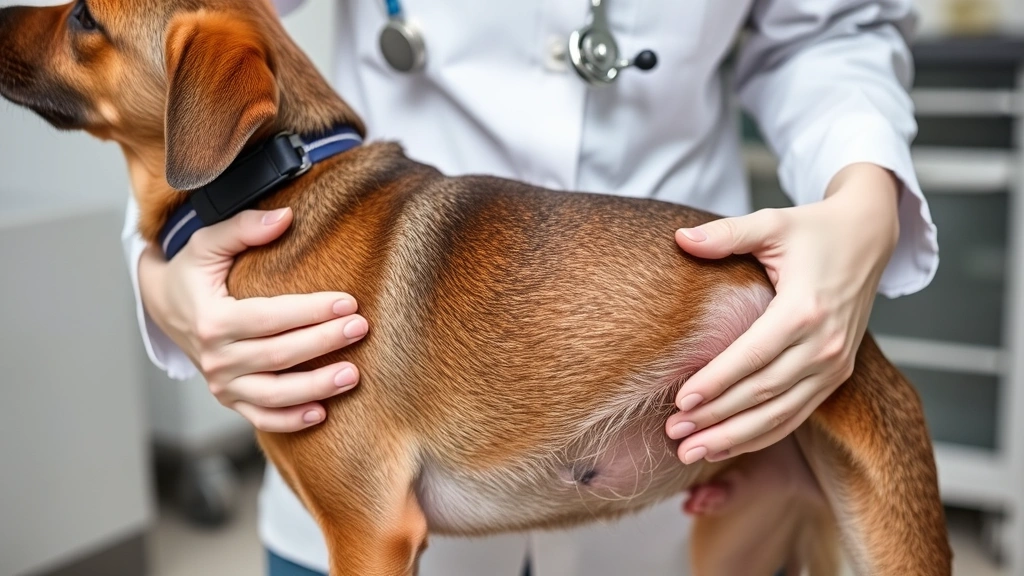
More serious symptoms include bloody stools or vomit, constipation, difficulty defecating, or signs of peritonitis (a life-threatening abdominal infection). If you see any of these, get to the vet immediately—we’re talking emergency clinic, not waiting until Monday.
The First 30 Minutes: What to Do Right Now
Take a breath. Your dog probably isn’t going to die in the next hour. Here’s your action plan:
Step 1: Don’t panic your dog. Dogs feed off our energy, so keep your cool even though your heart is doing gymnastics.
Step 2: Call your vet or emergency clinic immediately. Describe exactly what happened—how many bones, what size, cooked or raw, and when it happened. Your vet might tell you to monitor at home or come in right away. This is why having a relationship with your vet matters; they know your dog’s history.

Step 3: Don’t try to induce vomiting yourself. This is where people mess up. Inducing vomiting at home can cause more damage if the bone has already started moving through the digestive tract. Only a vet should make this call, and even then, it’s not always the right move.
Step 4: Gather information. Note the exact time, bone size, and your dog’s weight. This helps your vet determine risk level and treatment options.
Vet Visit Essentials: What to Expect
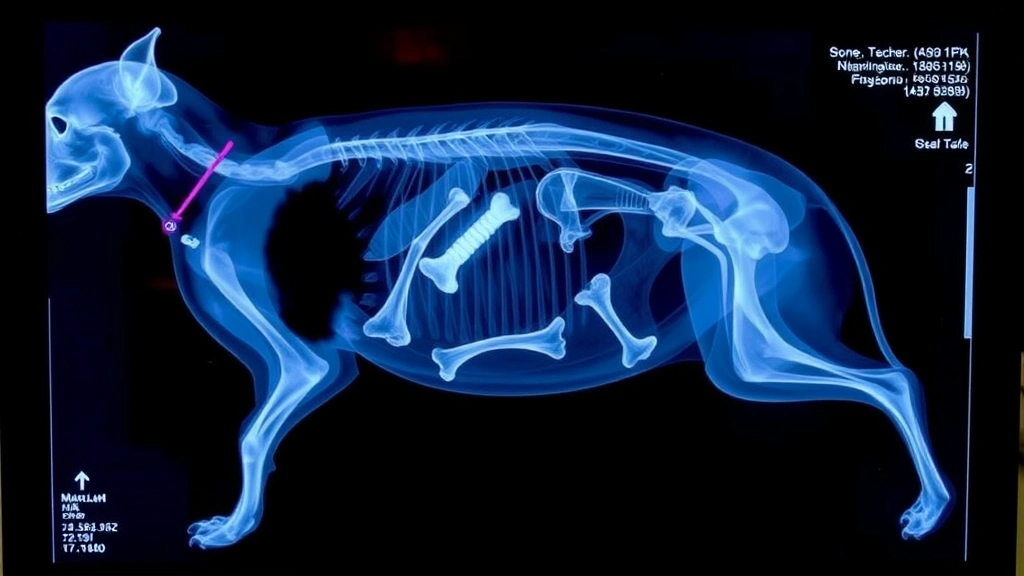
When you arrive at the clinic, your vet will perform a thorough physical exam, palpating the abdomen to check for pain or blockages. They’ll likely recommend X-rays or ultrasound to visualize the bones’ location and assess for perforation or obstruction. Sometimes bones pass through without incident; other times, they lodge somewhere dangerous.
Based on imaging results, your vet might recommend when to call the vet about food concerns and digestive health. If the bones are causing a blockage or perforation, surgery becomes necessary. If they’re safely in the stomach and your dog is stable, your vet might recommend monitoring with follow-up X-rays in 24-48 hours.

Some vets suggest a bland diet of boiled chicken and rice (ironically) or special prescription food to help bones pass more easily. Fiber supplements might also be recommended. The goal is to support your dog’s system while monitoring for complications.
Understanding Bone Fragments and Intestinal Blockage
When your dog ate chicken bones, those fragments can cause what’s called a foreign body obstruction. This happens when pieces lodge in the intestines, preventing food and waste from moving through normally. Early signs include vomiting, loss of appetite, and abdominal pain, but by the time symptoms appear, the situation might already be serious.
Complete blockages require emergency surgery. Incomplete blockages might resolve on their own, but that’s a gamble your vet won’t recommend. Perforations—where bone fragments puncture the intestinal wall—are even worse, leading to peritonitis and potentially death if not treated surgically within hours.
This is why imaging is so important. It tells your vet whether you’re dealing with a “wait and see” situation or a “get this dog to surgery now” emergency.

Home Monitoring Protocol After Your Vet Visit
If your vet gives you the green light to monitor at home, here’s what you’re watching for:
Daily observations: Track your dog’s appetite, water intake, bowel movements, and energy levels. Keep a log—seriously, write it down. Note the color, consistency, and presence of bone fragments in stool. Normal progression means the bones are passing safely.
Diet adjustments: Feed small, frequent meals of bland food rather than their regular diet. This reduces digestive stress and makes it easier to monitor appetite.
Activity restriction: Keep your dog calm and limit exercise. Strenuous activity can exacerbate internal injuries or cause fragments to move dangerously.
Hydration: Ensure constant access to fresh water. Dehydration can complicate things significantly.
Follow-up imaging: Your vet will schedule repeat X-rays to confirm the bones are passing. Don’t skip these—they’re your safety net.
When to Rush Back to the Emergency Clinic
Even if your vet cleared your dog for home care, certain symptoms demand immediate return:
Any sign of peritonitis—severe abdominal pain, fever, rigid abdomen, or extreme lethargy—is a medical emergency. Persistent vomiting lasting more than a few hours, especially if it contains blood or appears projectile, means something’s wrong. Complete loss of appetite for more than 24 hours or inability to defecate for 48+ hours suggests a blockage. Bloody stools, pale gums, or signs of shock (weakness, rapid breathing) require immediate veterinary attention.

Trust your gut. You know your dog better than anyone. If something feels off, it probably is. Emergency vets exist for a reason—use them.
Prevention: Stop Your Dog From Eating Chicken Bones
Now that you’ve survived this ordeal, let’s talk prevention. Pet dietary restrictions should include a strict no-chicken-bones policy.
Secure your trash. Use a dog-proof garbage can with a locking lid. Your dog didn’t just wake up wanting chicken bones—they found them somewhere accessible.
Clean up immediately after meals. Don’t leave bones on the counter or table. Clear plates and cooking surfaces right away.
Educate family and guests. Make sure everyone knows the rule: no sharing bones with the dog. Ever. Even if they insist they’re giving your pup a treat.
Supervise outdoor time. Dogs will eat bones they find in yards or parks. Keep your pup close and redirect their attention if they find something questionable.
Provide safe alternatives. Give your dog appropriate chew toys, dental chews, and Kong toys stuffed with safe foods. A bored dog is more likely to get into trouble.
Raw vs. Cooked Bones: Which Is Worse?
Both are problematic, but cooked bones are generally considered more dangerous. Cooking causes bones to become brittle and splinter more easily. Raw bones are denser and less likely to shatter, but they still pose a risk of perforation or blockage.
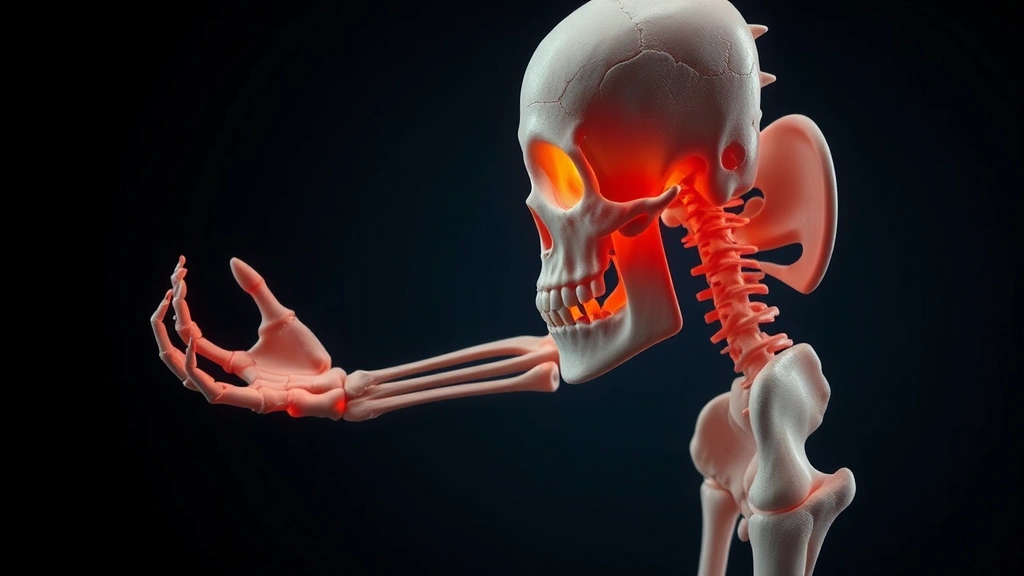
Some raw-feeding advocates argue that raw bones are safer, but veterinarians generally recommend avoiding both. The risk-benefit calculation simply doesn’t favor giving your dog bones of any kind. There are plenty of safer ways to satisfy their chewing instincts.
According to the American Kennel Club, bones should never be part of a dog’s diet, regardless of preparation method. Your vet will back this up every single time.
Long-Term Care and Recovery
After your dog ate chicken bones and the crisis has passed, recovery depends on whether surgery was necessary. Dogs who pass fragments naturally typically recover within a week or two with dietary management and rest. Post-surgical dogs need more intensive care: pain management, restricted activity, wound care, and follow-up appointments.
Watch for complications like infection, dehiscence (surgical wound opening), or adhesions (scar tissue causing blockages). Most dogs recover fully, but some develop chronic digestive issues or sensitivity.
Your vet might recommend pet telehealth follow-ups to monitor progress without multiple clinic visits. This is especially useful for tracking recovery and addressing concerns between appointments.
When Your Dog Is a Serial Bone Eater
Some dogs are repeat offenders—they see bones and think they’ve won the lottery. If your pup is a habitual chicken bone thief, prevention becomes even more critical. Consider crate training to prevent unsupervised access to kitchen areas. Use baby gates to restrict access to dining spaces during meals.
Work with a certified dog trainer on impulse control and the “leave it” command. This training pays dividends beyond just bone safety. Some dogs benefit from muzzle training for situations where supervision isn’t possible, though this should only be done under professional guidance.
Talk to your vet about whether your dog’s behavior suggests pica (compulsive eating of non-food items), which might indicate nutritional deficiencies, anxiety, or other underlying issues.

Frequently Asked Questions
How long does it take for chicken bones to pass through a dog’s system?
If the bones pass naturally without causing obstruction, they typically move through the digestive system within 24-72 hours. However, this varies based on your dog’s size, age, and digestive health. Larger dogs might pass them faster, while smaller dogs or those with sensitive stomachs might take longer. Your vet’s imaging will give you a better timeline.
Can I give my dog chicken bones if they’re raw?
While raw bones are slightly less likely to splinter than cooked bones, they’re still dangerous and not recommended by veterinarians. The risk of perforation, blockage, and bacterial contamination (from raw meat) isn’t worth it. Stick to vet-approved chew toys and treats instead.
What should I feed my dog after they ate chicken bones?
Your vet will likely recommend a bland diet of boiled chicken (boneless!), plain rice, and possibly pumpkin puree or special prescription digestive food. Feed small portions frequently rather than large meals. Avoid treats, table scraps, and anything that might irritate the digestive system. Gradually transition back to normal food once your vet gives the all-clear.
Is surgery always necessary after a dog eats chicken bones?
Not always. If imaging shows the bones are safely in the stomach or early intestines and your dog shows no signs of perforation or complete blockage, your vet might recommend monitoring at home with follow-up X-rays. However, surgery is necessary if there’s a complete blockage, perforation, or if the bones aren’t passing within a reasonable timeframe.

How much does emergency surgery cost if my dog ate chicken bones?
Emergency surgery for foreign body obstruction typically costs $1,500-$5,000 or more, depending on your location, the complexity of the surgery, and your dog’s condition. This is why pet insurance matters and why prevention is infinitely cheaper than treatment.
Can I induce vomiting at home if my dog just ate chicken bones?
No. Inducing vomiting at home can cause more damage than the bones themselves, especially if they’ve already started moving through the digestive tract. Only a veterinarian should make this decision, and they’ll use controlled medications and professional monitoring. Call your vet immediately instead—don’t try home remedies.
What are the signs of peritonitis in dogs?
Peritonitis (abdominal infection from perforation) causes severe abdominal pain, fever, vomiting, lethargy, loss of appetite, and a rigid or distended abdomen. Your dog might assume a hunched position and be reluctant to move. This is a medical emergency requiring immediate surgery. Don’t wait if you see these signs.
Conclusion: You’ve Got This
If your dog ate chicken bones, you’re not alone—it’s one of the most common emergencies vets deal with. The key is acting quickly, getting professional veterinary evaluation, and following your vet’s recommendations closely. Most dogs recover completely, especially when owners catch the problem early and avoid the temptation to treat it at home.
Moving forward, prevention is your best friend. Secure your trash, clean up immediately after meals, educate family members, and provide safe alternatives for chewing. Your dog doesn’t need bones to be happy—they need you, toys, and your attention.
And remember: when in doubt, call your vet. That’s what they’re there for, and they’d rather answer a worried call than deal with a preventable emergency. Your dog’s safety is worth the phone call, the clinic visit, and the peace of mind. Now go give your pup a bone-free hug.
For more information on pet safety and dietary concerns, check out PetMD’s comprehensive pet health resources and consult with your veterinarian about your dog’s specific dietary needs and restrictions.





