
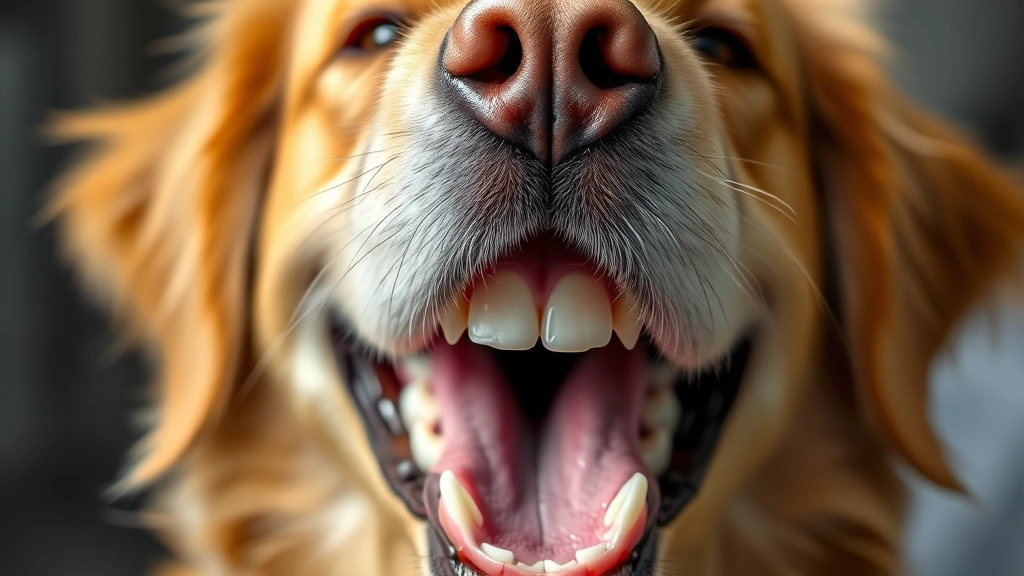
If your dog’s dog bad breath could knock over a fire hydrant from ten feet away, you’re not alone—and the good news is that stinky dog breath isn’t something you just have to live with. That funky odor coming from your pup’s mouth is usually a sign that something needs attention, whether it’s a simple fix or a heads-up that a vet visit is in order.
Table of Contents
- What’s Really Causing Your Dog’s Bad Breath?
- Solution #1: Professional Dental Cleaning at the Vet
- Solution #2: Daily Teeth Brushing (Yes, Really)
- Solution #3: Incorporate Dental-Friendly Foods and Treats
- Solution #4: Add Water Additives and Oral Probiotics
- Solution #5: Rule Out Underlying Health Issues
- Preventative Care: The Long Game
- Natural Remedies Worth Trying
- When to Worry: Red Flags You Can’t Ignore
- The Bottom Line on Dog Bad Breath
- Frequently Asked Questions
What’s Really Causing Your Dog’s Bad Breath?
Before we jump into solutions, let’s talk about why your furry friend’s mouth smells like a forgotten gym locker. The culprit behind dog bad breath isn’t always just poor dental hygiene, though that’s definitely a major player. Bacteria love a warm, moist environment—and your dog’s mouth is basically a five-star resort for them. When plaque and tartar build up on teeth, these microscopic party animals throw a bash that produces some seriously foul-smelling compounds.
But here’s the thing: sometimes bad breath is your dog’s way of telling you something bigger is going on. Kidney disease, diabetes, liver problems, and oral infections can all manifest as stinky breath. That’s why ignoring the stench isn’t just unpleasant—it could mean missing something important.
Solution #1: Professional Dental Cleaning at the Vet
Let’s be real: this is the nuclear option, but it’s often the most effective. A professional dental cleaning from your veterinarian involves anesthesia, which makes a lot of pet parents nervous. But here’s why it’s worth considering: your vet can see what’s happening below the gum line, remove stubborn tartar that brushing can’t touch, and extract teeth that are beyond saving.
Think of it like the difference between brushing your own teeth at home versus getting a professional cleaning at the dentist. Your home routine is important, but sometimes you need the pros. The investment usually runs $300-$800 depending on your dog’s age and dental condition, but it can prevent much costlier problems down the road. Plus, your dog’s breath will smell like, well, normal dog breath instead of a compost pile.
Solution #2: Daily Teeth Brushing (Yes, Really)
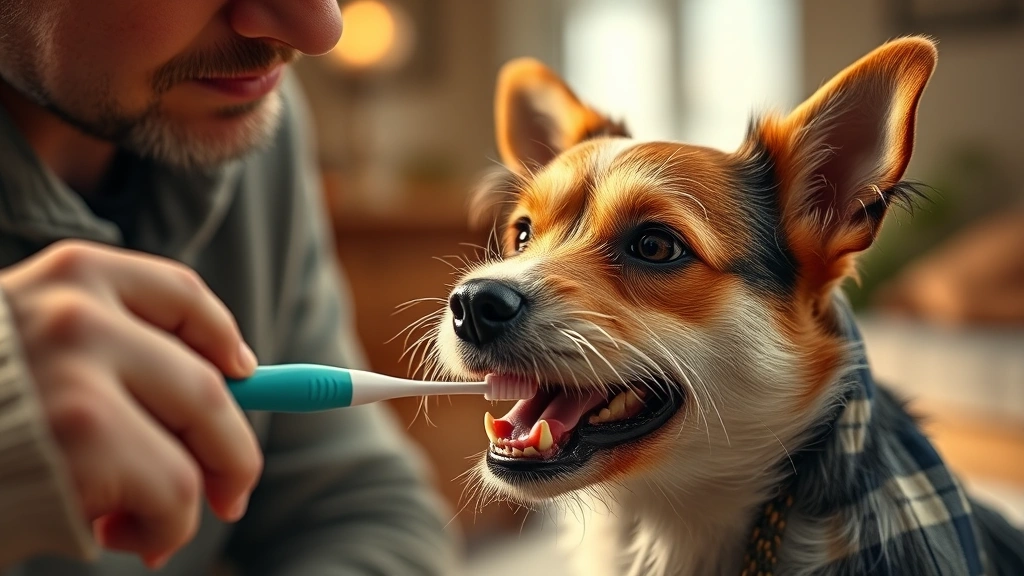
I know, I know—brushing a dog’s teeth sounds about as fun as herding cats. But this is genuinely one of the most effective ways to combat dog bad breath and prevent dental disease. The key is starting slowly and making it positive.
Use a dog-specific toothbrush and toothpaste (never human toothpaste—fluoride can be toxic to dogs). Let your dog lick the toothpaste off your finger first so they get used to the taste. Then gradually introduce the brush. Aim for daily brushing, but even three times a week makes a noticeable difference. Your dog’s mouth will thank you, and you’ll actually enjoy their company again.
Solution #3: Incorporate Dental-Friendly Foods and Treats
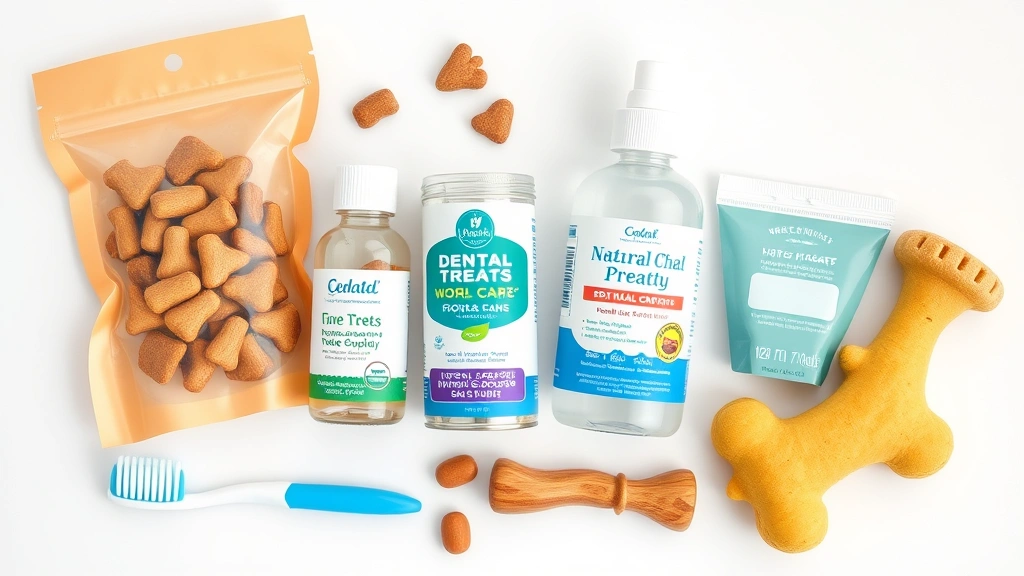
What your dog eats directly impacts their breath and oral health. Crunchy kibble and dental treats can help mechanically clean teeth as your dog chews, reducing plaque buildup. Look for treats specifically designed for dental health—many contain enzymes that fight bacteria.
You can also check out our guide on human foods for pets with dental issues to learn which table foods can actually help rather than hurt your dog’s dental health. Raw carrots and apples (without seeds) are surprisingly effective natural teeth cleaners. Just avoid sticky foods and excessive treats that feed the bacteria causing the stench.
Our vet-approved human foods for pets resource can help you navigate what’s safe to add to your pup’s diet for overall wellness, including oral health.
Solution #4: Add Water Additives and Oral Probiotics
Water additives designed for dog bad breath are basically mouthwash for your pup. You just add them to your dog’s drinking water, and they work to reduce odor-causing bacteria. Many contain ingredients like glucose oxidase or chlorhexidine that fight plaque-forming bacteria without requiring any effort from your dog (or you).
Oral probiotics are another game-changer. These beneficial bacteria crowd out the bad guys causing the smell. Some studies suggest that specific probiotic strains can significantly reduce oral bacteria in dogs. It’s like inviting good friends to the party so the bad ones feel outnumbered and leave.
Solution #5: Rule Out Underlying Health Issues
This is crucial: if your dog’s breath suddenly turned nasty or seems worse than normal, it’s time for a vet visit. Dog bad breath can be a symptom of kidney disease, diabetes, liver problems, or oral infections that need professional treatment.
Your vet can run blood work and do a thorough oral exam to rule out serious conditions. It’s not the most exciting trip, but it’s absolutely worth it for peace of mind. Consider scheduling a telehealth vet appointment for an initial consultation if you want to discuss symptoms before coming in for an in-person exam.
Preventative Care: The Long Game
The best approach to fighting dog bad breath is prevention. Establish a routine that includes regular brushing, dental-friendly treats, and annual vet checkups. Think of it as an investment in your dog’s health and your quality of life together.
Supporting your dog’s overall health also helps their oral health. Dogs with skin and coat health foods in their diet often have better immune systems, which translates to better oral health. Similarly, anti-inflammatory foods for pets can help reduce gum inflammation that contributes to bad breath.
Natural Remedies Worth Trying
Beyond commercial solutions, some natural approaches can help freshen your dog’s breath. Coconut oil has antimicrobial properties and many dogs actually enjoy the taste. A small amount mixed into their food or rubbed on their gums can help. Herbs safe for pets like parsley are natural breath fresheners (parsley also contains chlorophyll, which fights odor).
Bone broth is another winner—it’s good for their gut health, which can indirectly improve breath, and most dogs go crazy for it. Just make sure any bones are appropriate and supervised.
When to Worry: Red Flags You Can’t Ignore
Not all bad breath is created equal. If your dog’s breath smells fruity or acetone-like, it could indicate diabetes. A fishy or ammonia smell might suggest kidney issues. Severe halitosis accompanied by drooling, difficulty eating, or swollen face needs immediate veterinary attention—these could indicate serious infections or dental abscesses.
Trust your gut. If something feels off beyond just the smell, get your pup checked out. Better safe than sorry when it comes to your best friend’s health.
The Bottom Line on Dog Bad Breath
Tackling your dog’s bad breath doesn’t require magic—just a combination of good oral hygiene, smart dietary choices, and professional help when needed. Start with daily brushing if you’re not already doing it, add dental-friendly treats to the routine, and schedule a professional cleaning if your vet recommends one. Most importantly, don’t ignore persistent bad breath as just “normal dog smell.” Your pup’s stinky breath is trying to tell you something, and listening could save you from bigger problems down the road.
Frequently Asked Questions
Is dog bad breath normal?
Some dog odor is normal, but strong, persistent bad breath isn’t. If your dog’s breath smells like they’ve been eating garbage or rotten fish, it’s time to investigate. Normal dog breath might be a bit doggy, but it shouldn’t be offensive enough to clear a room.
How often should I brush my dog’s teeth?
Daily brushing is ideal for preventing dog bad breath and dental disease, but even three to four times per week makes a significant difference. Consistency matters more than perfection—something regular is better than occasional intense efforts.
Can I use human toothpaste on my dog?
Absolutely not. Human toothpaste contains fluoride and xylitol, both of which are toxic to dogs. Always use toothpaste specifically formulated for dogs, which is also flavored to be more appealing to them.
What’s the cost of professional dog teeth cleaning?
Professional dental cleaning typically ranges from $300 to $800, depending on your dog’s age, size, and the extent of dental disease. Some vets charge more in urban areas or for older dogs requiring additional monitoring during anesthesia.
Can diet alone fix dog bad breath?
Diet can help prevent and reduce bad breath, especially when combined with other methods like brushing and dental treats. However, if your dog already has significant plaque or tartar buildup, diet alone won’t fix it—professional cleaning may be necessary.





