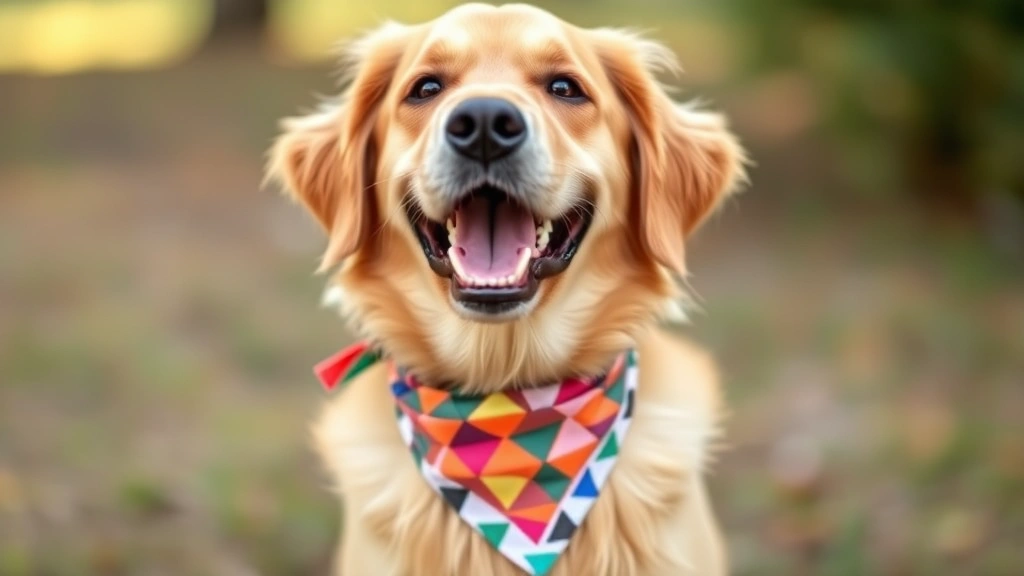
Your dog doesn’t need a fancy outfit to turn heads—a good dog bandana does the job in seconds. Whether you’re heading to the dog park, a family picnic, or just want to spruce up your pup’s everyday look, a dog bandana is the easiest accessory to grab. But here’s the thing: not all bandanas are created equal. Some are purely decorative, some serve a real purpose (like keeping ears clean or providing sun protection), and some do both. Let’s talk about why dog bandanas matter, how to pick the right one, and the styles that’ll make your dog the star of the show.
Why Dog Bandanas Are Worth It
Let me be honest: a dog bandana isn’t a necessity. Your dog will be fine without one. But they’re one of those rare accessories that actually earn their place in your dog’s wardrobe because they’re practical and cute.
A well-chosen dog bandana can:
- Protect ears and neck from sun exposure, especially if your dog has thin fur or light-colored skin
- Keep ears clean during outdoor activities—no more dirt in the ear flaps after rolling in the yard
- Help with identification at busy locations (a bright bandana makes your dog easier to spot)
- Provide comfort if your dog gets anxious (some dogs find gentle pressure calming)
- Make grooming easier by keeping stray hairs contained
- Signal training status (some trainers use colored bandanas to indicate “in training” or “nervous dog”)
From a vet tech perspective, I’ve seen owners use dog bandanas to keep their dogs from licking or biting at minor wounds, as a gentle reminder without resorting to a full cone. It’s not a substitute for proper medical care, but it helps in a pinch.
The real win? Your dog looks adorable, and you feel good about it. That’s worth something.
Types and Styles of Dog Bandanas
There are more dog bandana styles than you’d think. Here’s what’s actually out there:
Triangle Bandanas (The Classic)
This is what most people picture: a triangle of fabric tied around the neck like a tiny cowboy. It’s the most versatile dog bandana style because it works on almost any dog size. You can tie it loose for comfort or snug enough to stay put during active play. The downside? If your dog is a Houdini, it might slip off. The upside? It’s the easiest to put on and take off in seconds.
Collar Bandanas (The Slip-On)
These slide directly onto your dog’s existing collar—no tying required. Perfect if your dog hates having things adjusted around their neck. They’re secure and stay in place, but they’re less adjustable if your collar is on the tighter or looser side. I recommend these for dogs that are collar-sensitive or if you’re in a hurry.
Slip-On Neck Bandanas (The Tube Style)
A stretchy tube that goes over your dog’s head like a tiny sweater. These are great for dogs that tolerate them, but some dogs find them claustrophobic. If your dog doesn’t mind pulling things over their head (think: bath time), this style is secure and stays put during rough play.
Bandana Bibs (The Practical Choice)
A larger fabric piece that covers the chest and neck area. This dog bandana style is excellent for messy eaters, dogs that play in water, or pups prone to drooling. It’s also the best option if you want maximum sun protection for the neck and chest area.
Ear-Covering Bandanas (The Protective)
Designed to fold over and protect the ears specifically. These are helpful if your dog has ear sensitivities or you’re working on keeping ears clean. Some come with a built-in pocket for holding a dryer sheet or fabric softener to reduce static during grooming.
Patterned and Themed Bandanas (The Fun Factor)
Paisley, plaid, tie-dye, holiday prints, superhero logos—the aesthetic options are endless. A dog bandana is the easiest way to dress up your dog without the discomfort of a full costume. Plus, themed bandanas are perfect for holiday photos or special events.
How to Tie a Dog Bandana (The Right Way)
This matters more than you’d think. A poorly tied dog bandana can slip, choke, or annoy your dog. Here’s the method that actually works:
- Start with a square—fold your bandana diagonally to create a triangle
- Position behind the neck—place the bandana behind your dog’s neck with the point facing down (toward the chest)
- Tie loosely—bring the two top corners around to the front of the neck and tie them in a simple knot. The knot should sit on top of the neck, not under the chin
- Test the fit—you should be able to fit two fingers under the bandana. If it’s tighter, loosen it. If it’s looser, tighten it slightly
- Fold the point—the triangle point that hangs down can be folded up and tucked under the knot for a neater look, or left as-is for a classic cowboy vibe
Pro Tip: Practice tying your dog bandana while your dog is calm and sitting. Reward them immediately after. Most dogs learn to tolerate it within 2-3 tries if you’re upbeat about it. Never force it—if your dog is genuinely distressed, this style might not be for them.
For slip-on styles, just slide them onto the collar and adjust. For tube styles, gently pull them over the head and settle them at the neck base. The whole process should take 10 seconds, not 10 minutes.
Material Matters: What to Choose

The fabric of your dog bandana affects comfort, durability, and how well it works for your dog’s lifestyle.
Cotton (The Safe Standard)
Cotton is breathable, washable, and safe if your dog chews on it (though you should still discourage this). It’s the best choice for everyday wear, especially in warm weather. The downside? It wrinkles and can fade with washing. For a basic, reliable dog bandana, cotton is your friend.
Cotton-Polyester Blend (The Practical Middle Ground)
This blend holds color better than pure cotton and resists wrinkles. It’s durable and still breathable. Most commercial dog bandana options are this blend, and there’s a reason—they just work.
Moisture-Wicking Fabrics (For Active Dogs)
If your dog is a swimmer or spends hours at the dog park, moisture-wicking materials dry faster and stay comfortable. These are pricier but worth it if your dog is frequently wet.
Flannel or Fleece (For Cold Weather)
If you’re wondering whether your dog is cold, a flannel or fleece dog bandana provides extra warmth around the neck and chest. Pair it with other layers for senior dogs or small breeds in winter.
Silk or Satin (The Luxury Option)
These reduce friction against the coat and are great if your dog has long fur that tangles easily. They’re also less likely to cause matting. The trade-off? They’re expensive, harder to clean, and can slip more easily. Reserve these for special occasions or dogs that tolerate delicate fabrics.
Safety Warning: Avoid bandanas with loose beads, sequins, or small decorative elements that your dog could swallow. Stick with securely sewn-on embellishments or none at all. If your dog is a heavy chewer, skip anything with dangling pieces entirely.
Safety Considerations You Need to Know
A dog bandana is low-risk, but there are real safety rules to follow:
Choking Hazard Prevention
The most common issue is a bandana that’s tied too tight or gets caught on something. Always check that you can fit two fingers under the knot. Never leave a bandana on an unsupervised dog, especially during playtime with other dogs (they might grab it). If your dog is a Houdini who pulls everything off, that’s actually fine—a loose bandana is safer than a tight one.
Overheating
In hot weather, avoid heavy or thick dog bandana materials around the neck, as this area is important for temperature regulation. Stick with lightweight cotton or moisture-wicking fabrics. If your dog is panting heavily or seems uncomfortable, remove the bandana immediately.
Ear and Skin Issues
If your dog has ear problems or sensitive skin, make sure the bandana doesn’t trap moisture against the ears or neck. Damp fabric against skin can lead to yeast infections or irritation. Wash the bandana regularly and let it dry completely before reusing it.
Anxiety or Stress
Some dogs feel trapped or anxious with anything around their neck. Watch for signs like excessive scratching, head shaking, or avoidance behaviors. If your dog shows these signs, a dog bandana isn’t the right choice, and that’s okay. Not every accessory works for every dog.
Outdoor Hazards
If your dog spends time in brush or tall grass, make sure the bandana is secure and won’t catch on branches or vegetation. A bandana that gets stuck could panic your dog or cause injury if they pull hard.
According to the American Kennel Club, any accessory should be checked regularly for signs of wear, damage, or improper fit. A frayed bandana isn’t just ugly—it’s a choking hazard.
Seasonal and Occasion-Based Bandanas
The beauty of a dog bandana is that you can swap them out based on the season or occasion. Here’s what works when:
Summer Dog Bandanas
Lightweight cotton in bright colors or UV-protective fabrics. Summer is when a dog bandana serves double duty: sun protection for the neck and ears, plus it looks festive. Light blue, white, or pastel prints work well and don’t absorb heat the way dark colors do. Bandanas with cooling gel inserts are also available for dogs that overheat easily.
Winter Dog Bandanas
Flannel, fleece, or wool blends. These add an extra layer of warmth around the neck and chest. Pair them with a dog coat for senior dogs or small breeds. Plaid or traditional winter patterns look especially cute in cold months.
Holiday Dog Bandanas
This is where you have fun. Christmas prints, Halloween themes, Thanksgiving colors—a dog bandana is the easiest way to get your dog holiday-ready without the stress of a costume. Holiday bandanas are perfect for family photos and dog park visits during festive seasons.
Training and Signaling Bandanas
Many dog trainers and handlers use colored dog bandana styles to communicate status. For example, a yellow bandana might indicate “nervous dog—give space,” while a red one might signal “in training—do not pet.” If you’re working with a trainer, ask if they recommend a specific color or style for your situation.
Special Event Bandanas
Weddings, birthday parties, dog shows—a dog bandana is the perfect finishing touch. You can even custom-order bandanas with your dog’s name or a special date embroidered on them. It’s a thoughtful touch that doesn’t require your dog to wear an uncomfortable costume.
Care and Maintenance
Keeping your dog bandana clean and in good shape extends its life and keeps your dog safe.
Washing
Most cotton and cotton-blend dog bandana options can be machine washed in cold water with regular detergent. Wash with similar colors to avoid dye bleeding. Delicate fabrics like silk or satin should be hand-washed. Avoid bleach unless the bandana is white, as it can damage colors and weaken fabric fibers.
Drying
Air dry whenever possible—it’s gentler on the fabric and colors. If you use a dryer, use a low heat setting. High heat can shrink cotton and damage elastic components in slip-on styles. A damp bandana is fine to put back on your dog; in fact, some people lightly dampen bandanas on hot days for extra cooling effect.
Storage
Keep clean, dry bandanas in a drawer or small bin. If you have multiple dog bandana options, organizing them by season or color makes it easy to grab the right one. Fold them neatly to prevent creases (though honestly, a few wrinkles on a dog bandana don’t matter).
Inspection
Before each use, check for loose threads, tears, or damage. A small tear can become a big problem if your dog chews on it or it catches on something. If a bandana is damaged beyond a quick repair, it’s time to replace it. They’re not expensive enough to keep a worn-out one around.
Replacement Timeline
With regular washing and care, a quality dog bandana should last 1-2 years. If colors fade significantly, elastic loosens, or fabric becomes thin, it’s time for a fresh one. Having 3-4 rotation bandanas means you always have a clean one ready while others dry.
Frequently Asked Questions
Can I leave a dog bandana on all day?
– It’s generally safe to leave a properly fitted dog bandana on during the day, but I recommend removing it during sleep or unsupervised time. Check the fit regularly—as your dog moves around, the bandana might shift. Remove it immediately if your dog seems uncomfortable, is excessively scratching, or if the bandana becomes wet and isn’t drying (damp fabric against skin can cause irritation). Think of it like wearing a scarf yourself—it’s fine for a few hours, but you’d take it off at some point.
Will a dog bandana help with shedding?
– Not directly, but it can help manage loose fur around the neck and chest area. If you’re dealing with heavy dog shedding, a bandana might catch some loose hairs instead of them ending up on your clothes. For actual shedding reduction, focus on regular brushing and diet. A dog bandana is more of a containment tool than a solution.
What size dog bandana do I need?
– For triangle bandanas, measure your dog’s neck and add 4-6 inches. Most standard triangle bandanas work for dogs with neck sizes from 8 to 20 inches. Slip-on styles should fit snugly on your dog’s collar without sliding. Tube styles need to fit over your dog’s head comfortably—if your dog has a large head or thick neck, you might need an extra-large. When in doubt, buy adjustable or one-size-fits-most options.
Can puppies wear dog bandanas?
– Yes, puppies can wear dog bandana styles, but keep it supervised and make sure it’s not too tight. Puppies grow quickly, so check the fit frequently. Introduce the bandana gently and reward your puppy for wearing it. Some puppies will chew on a bandana, so watch for this behavior and redirect if needed. A loose bandana is always safer than a tight one, especially with curious puppies.
Are there hypoallergenic dog bandanas?
– If your dog has sensitive skin or allergies, look for 100% organic cotton dog bandana options or hypoallergenic blends. Avoid synthetic dyes by choosing natural-dyed bandanas when possible. Wash new bandanas before the first use to remove any manufacturing residue. If your dog has severe skin issues, consult your vet before adding any new fabric items. Some dogs do better with bamboo or other natural fibers.
Can a dog bandana replace a collar?
– No. A dog bandana is purely decorative or functional (for sun protection, ear management, etc.), but it cannot hold a leash or ID tags. Always use a proper collar or harness for walking, and attach ID tags there. A bandana is an addition to your dog’s gear, not a replacement for essential safety equipment.

Why does my dog hate wearing a bandana?
– Some dogs are just sensitive to things around their neck. Others might have had a negative experience or simply prefer not having anything adjusted. If your dog genuinely hates a dog bandana, don’t force it. There are other ways to make your dog look cute or protect their skin. Respect your dog’s preferences—forced discomfort isn’t worth a cute photo.
Where can I buy quality dog bandanas?
– Pet supply stores, online retailers, and custom makers all sell dog bandana options. Look for reviews mentioning durability and fit. Custom bandanas from Etsy or small shops are great if you want something unique. Check the return policy in case the size or style doesn’t work for your dog. Price isn’t always an indicator of quality—a $5 cotton bandana from a reputable maker often outlasts a $20 fancy one with poor construction.