
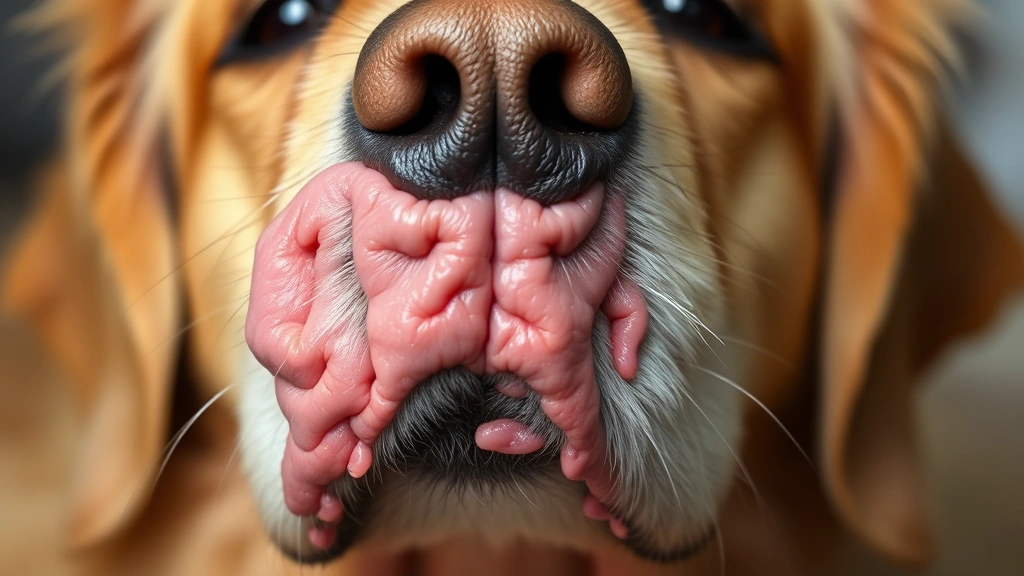
A dog bee bite might seem like a minor annoyance, but it can actually turn into a serious situation if you’re not careful. Your furry friend loves exploring the backyard, chasing insects, and investigating every corner of the neighborhood—which means encounters with bees are practically inevitable. Whether your pup gets stung on the nose, paw, or anywhere else, knowing what to do can make all the difference between a quick recovery and a trip to the emergency vet.
Table of Contents
- What Happens When a Dog Gets Stung by a Bee?
- Recognizing the Signs of a Bee Sting on Your Dog
- Severe Allergic Reactions: When to Panic
- First Aid: Immediate Steps After a Bee Sting
- Home Remedies That Actually Work for Bee Stings
- When to Call Your Veterinarian
- Preventing Future Bee Stings and Wasp Attacks
- Understanding Bee Sting Allergies in Dogs
- Multiple Stings: A Different Situation
- Recovery Timeline and What to Expect
- Frequently Asked Questions
- Summary: Staying Prepared for Bee Season
What Happens When a Dog Gets Stung by a Bee?
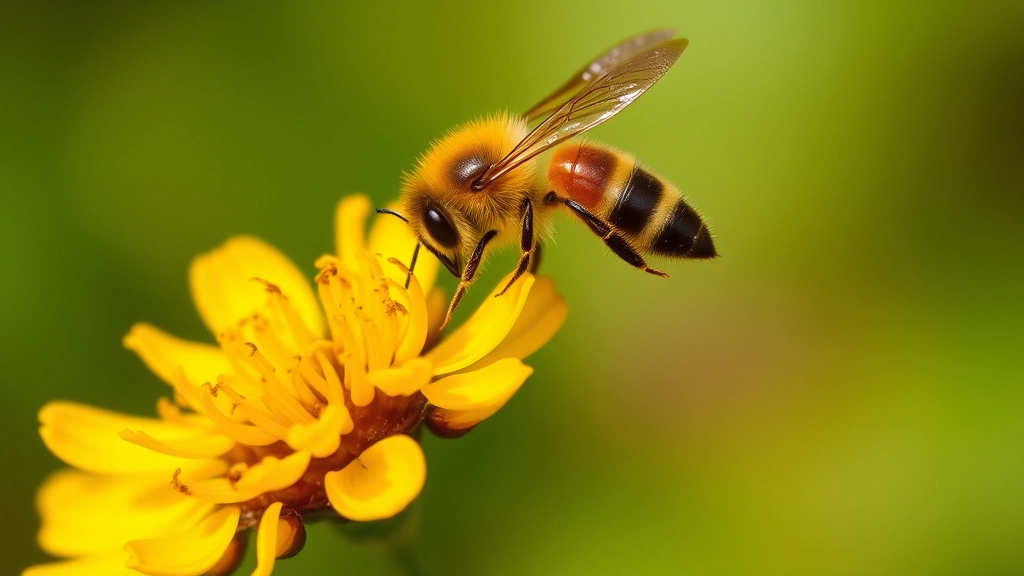
When a bee stings your dog, it’s injecting venom into their skin. Unlike humans who can see a bee coming and swat it away, dogs often get stung on sensitive areas like the face, mouth, or paws because they’re trying to catch or bite the bee. The bee’s venom triggers an immediate inflammatory response in your dog’s body. Most of the time, this results in localized swelling and discomfort. However, some dogs have more severe reactions, which is why it’s crucial to monitor your pup closely after a sting.
Recognizing the Signs of a Bee Sting on Your Dog
The first sign you’ll usually notice is your dog’s sudden reaction—yelping, whining, or frantically licking or biting at the affected area. Within minutes to an hour, you might see visible swelling around the sting site. For dogs stung on the face or neck, this swelling can be more dramatic and concerning. Other symptoms include:
- Excessive drooling or difficulty swallowing (if stung in the mouth)
- Hives or raised bumps on the skin
- Redness and warmth around the sting area
- Restlessness or anxiety
- Pawing at the face or sting location
- Lethargy or unusual behavior
Most dogs experience mild reactions that resolve within 24 hours. However, some dogs develop more serious complications that require immediate veterinary attention.
Severe Allergic Reactions: When to Panic
While rare, some dogs have allergic reactions to bee venom similar to anaphylaxis in humans. This is a medical emergency. Watch for signs like:
- Severe facial swelling that affects breathing or vision
- Vomiting or diarrhea
- Difficulty breathing or wheezing
- Pale gums
- Collapse or loss of consciousness
- Excessive salivation or difficulty swallowing
If your dog shows any of these symptoms, get them to an emergency veterinary clinic immediately. Don’t wait and see—allergic reactions can escalate quickly. This is similar to situations requiring an emergency vet for food poisoning, where time is critical.
First Aid: Immediate Steps After a Bee Sting
Your quick action can significantly reduce your dog’s discomfort. Here’s what to do:
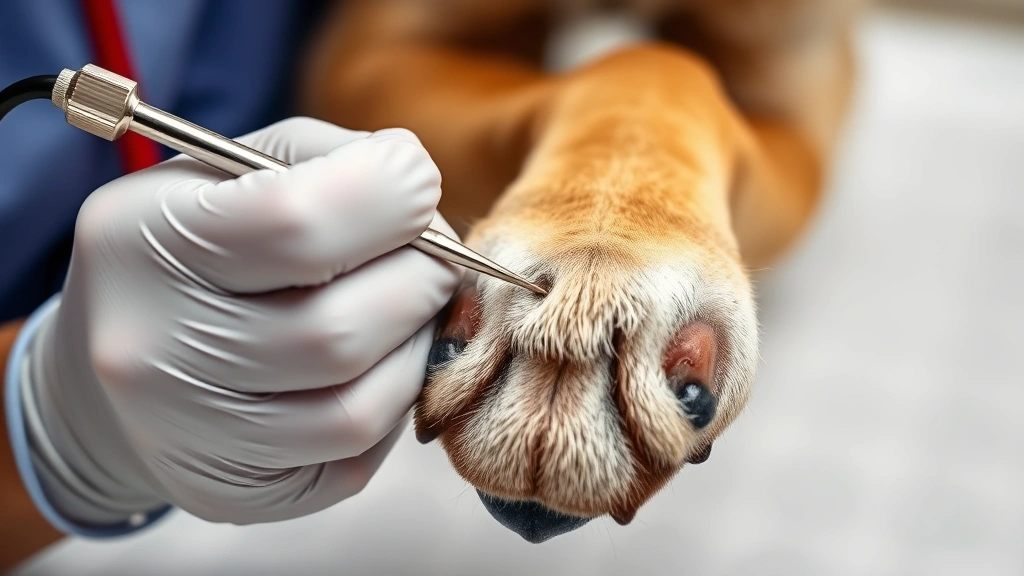
Step 1: Remove the Stinger If you can see the stinger (it looks like a small black dot), remove it immediately by scraping it off with a credit card or blunt object. Don’t pinch it with tweezers, as this can squeeze more venom into your dog’s skin. Work quickly but calmly.
Step 2: Clean the Area Gently wash the sting site with cool water and mild soap. This prevents infection and helps calm your dog down.

Step 3: Apply Cold Compress Use an ice pack wrapped in a towel or a bag of frozen peas. Apply it to the sting for 10-15 minutes. This reduces swelling and numbs the pain. Your dog will probably appreciate the relief.
Step 4: Give Oral Pain Relief Over-the-counter antihistamines like diphenhydramine (Benadryl) can help reduce itching and swelling. However, always consult your vet about the correct dosage for your dog’s weight before administering any medication.
Home Remedies That Actually Work for Bee Stings
Beyond first aid basics, several home treatments can provide relief. A paste made from baking soda and water applied directly to the sting can neutralize venom and reduce itching. Some pet owners swear by witch hazel on dogs, which has mild astringent properties. Honey has natural antibacterial properties and can soothe irritated skin—just make sure it’s safe for your dog to lick.
Incorporating anti-inflammatory foods for pets into your dog’s diet after a sting can support healing from the inside out. Omega-3 rich foods and certain supplements can help reduce overall inflammation and support your dog’s immune response.

When to Call Your Veterinarian
Contact your vet if:
- Swelling doesn’t improve after 24 hours or gets worse
- Your dog develops hives all over their body
- Signs of infection appear (discharge, increased warmth, spreading redness)
- Your dog seems lethargic or won’t eat
- You’re unsure about the severity of the reaction
- Your dog has been stung multiple times
Your vet might recommend prescription antihistamines, corticosteroids, or other treatments depending on the severity. If you’re ever uncertain about your dog’s condition, online pet diagnostics services can provide preliminary guidance, though they shouldn’t replace a professional veterinary examination for serious reactions.
Preventing Future Bee Stings and Wasp Attacks
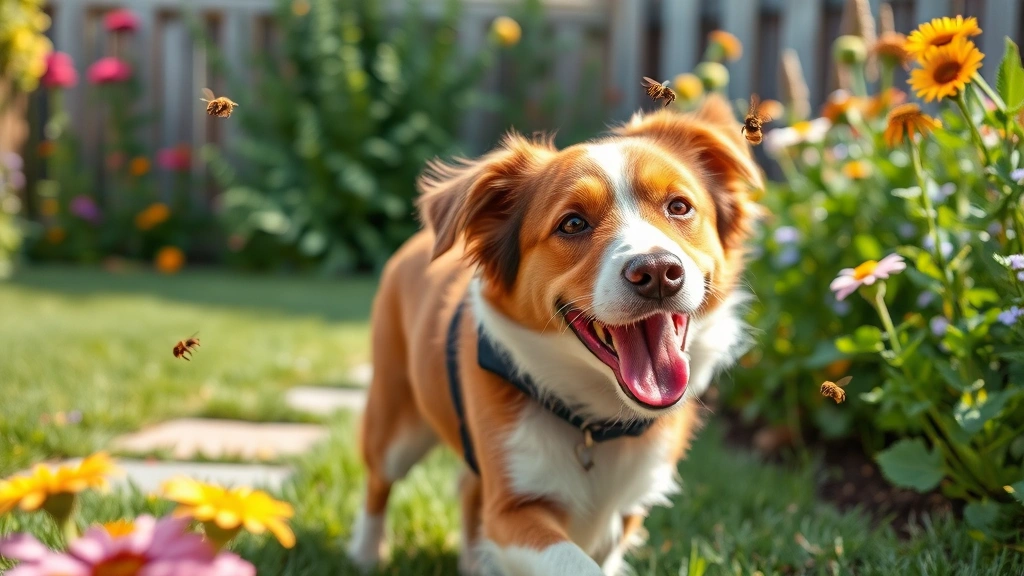
The best treatment is prevention. Keep your dog away from flowering plants and areas where bees congregate, especially during peak bee season (spring and summer). Don’t leave food or garbage outside, as these attract bees. If you notice a bee hive or wasp nest on your property, have it professionally removed rather than attempting DIY removal.
Train your dog to leave insects alone. A strong “leave it” command can prevent your pup from chasing or trying to bite bees. Supervise outdoor playtime, particularly in areas with known bee activity. Some dogs are more prone to bee encounters than others—curious breeds and those with high prey drives need extra vigilance.
Understanding Bee Sting Allergies in Dogs
Just like humans, some dogs develop allergies to bee venom through repeated exposure. If your dog has been stung before and had a mild reaction, they might have a more severe reaction the next time. Dogs with known bee sting allergies might benefit from preventative antihistamine therapy during bee season, though this should only be done under veterinary guidance.
Certain breeds seem more prone to severe reactions, though any dog can develop an allergy. If your dog has had a serious reaction before, discuss allergy testing and prevention strategies with your vet. Some veterinarians recommend keeping an epinephrine auto-injector (like an EpiPen) on hand for dogs with documented severe allergies, similar to what humans with severe allergies carry.
Multiple Stings: A Different Situation
If your dog encounters a bee nest or swarm and gets stung multiple times, this is a more serious situation than a single sting. Multiple stings deliver more venom and increase the risk of systemic reactions. Get your dog to a veterinary clinic immediately if they’ve been stung more than once or twice. The cumulative venom load can trigger severe reactions even in dogs without bee allergies.
Recovery Timeline and What to Expect
Most dogs recover from a single bee sting within 24-48 hours. The swelling gradually decreases, itching subsides, and your pup returns to normal behavior. During recovery, prevent your dog from licking or chewing at the sting site, as this can lead to infection. An Elizabethan collar might be necessary if your dog can’t resist the urge to scratch.

Keep your dog calm and restrict strenuous activity for a day or two. A calm dog has lower blood pressure and better circulation, which aids healing. Provide plenty of fresh water and monitor their eating habits. If your dog seems to be in pain, your vet can recommend appropriate pain management.
Frequently Asked Questions
Can a bee sting kill a dog?
While extremely rare, a bee sting can be fatal if your dog has a severe allergic reaction or is stung multiple times. Anaphylactic shock can be life-threatening, which is why recognizing severe symptoms and seeking emergency care immediately is crucial. Most dogs survive bee stings without serious complications when owners respond appropriately.
How much Benadryl can I give my dog after a bee sting?
The standard dose is 1 mg per pound of body weight, given every 6-8 hours. However, always consult your veterinarian before giving any medication. Your vet can recommend the appropriate dose based on your dog’s specific health status and other medications they might be taking.
Should I squeeze the stinger out of my dog’s skin?
No—squeezing the stinger will release more venom. Instead, scrape it off gently with a blunt object like a credit card. The goal is to remove the stinger without applying pressure that forces additional venom into your dog’s skin.
What if my dog got stung in the mouth or throat?
Stings in the mouth or throat are more concerning because swelling can affect breathing. Monitor your dog closely for difficulty breathing or swallowing. Apply ice to the outside of the mouth if possible. Contact your vet immediately—they might recommend corticosteroids to reduce swelling in sensitive areas.
Is it normal for a bee sting to swell for days?
Mild swelling for 24-48 hours is normal. However, if swelling persists beyond 48 hours, worsens, or is accompanied by other symptoms, contact your vet. Prolonged swelling might indicate an infection or more serious allergic response.
Can I use hydrocortisone cream on my dog’s bee sting?
While hydrocortisone cream is generally safe for dogs, it’s best to check with your vet first. Some dogs might lick it off, and certain formulations might not be appropriate for all dogs. Your vet can recommend the best topical treatment for your specific situation.
Summary: Staying Prepared for Bee Season
A dog bee bite is usually a minor incident that resolves quickly with proper first aid and monitoring. The key is recognizing the signs early, removing the stinger promptly, and knowing when to seek professional help. Keep an eye on your dog for at least 24 hours after any sting, watching for signs of allergic reaction or infection.

Prevention is always better than treatment—supervise outdoor time, keep your dog away from bee-prone areas, and train them to leave insects alone. If your dog has a history of severe reactions, discuss preventative strategies with your veterinarian before bee season arrives.
Most importantly, trust your instincts. If something seems off with your dog after a bee sting, contact your vet. It’s always better to be cautious when it comes to your pet’s health and safety.





