
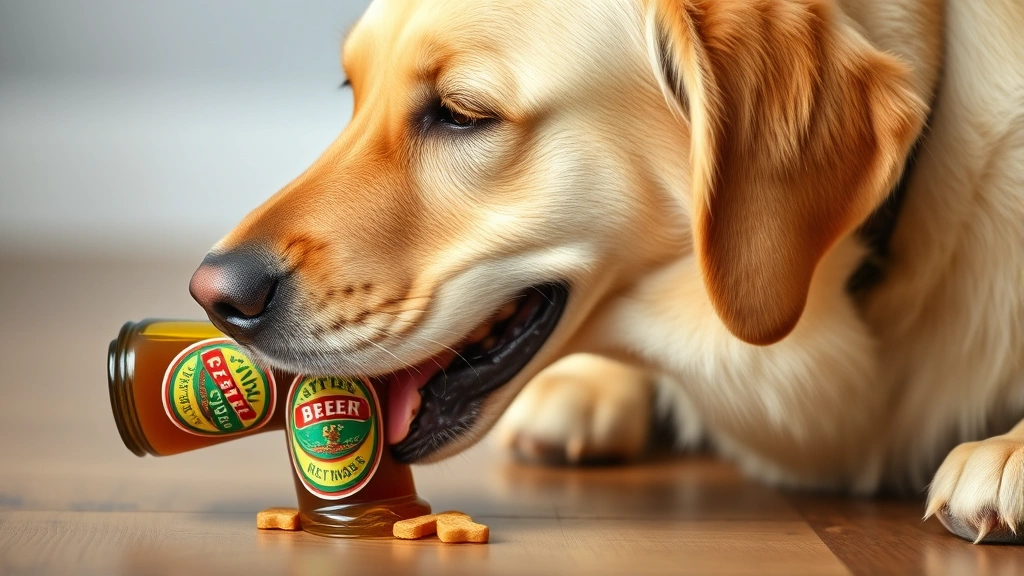
If you’ve ever wondered whether dog beer is actually a thing, the answer is a resounding yes—and it’s way more wholesome than you might think. Dog beer isn’t alcoholic; it’s a specially formulated, pet-safe beverage designed to let your furry best friend enjoy a refreshing drink alongside you at backyard barbecues, dog parks, or just a chill evening at home. In 2024, the pet beverage market has exploded with creative options that are both fun and nutritionally sound for our canine companions.
Table of Contents
- What Exactly Is Dog Beer?
- Why Pet Owners Are Going Crazy for Canine Brews
- Top Dog Beer Brands You Need to Know About in 2024
- Ingredients to Look For in Quality Dog Beer
- Health Benefits of Dog Beer (When Chosen Wisely)
- Portion Control and Serving Guidelines
- Dogs With Special Dietary Needs and Dog Beer
- DIY Dog Beer: Making It at Home
- Social Situations and Dog Beer Etiquette
- Comparing Dog Beer to Other Pet Beverages
- Frequently Asked Questions
- The Bottom Line on Dog Beer
What Exactly Is Dog Beer?
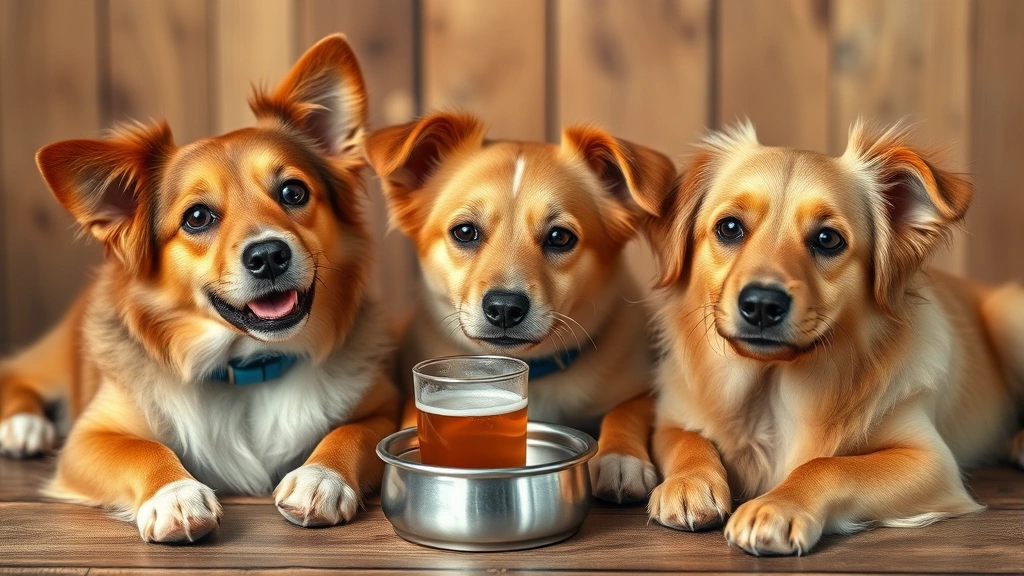
Dog beer is a non-alcoholic beverage crafted specifically for canine consumption. Unlike human beer, which contains alcohol and hops—both toxic to dogs—dog beer uses dog-friendly ingredients like beef broth, chicken broth, peanut butter, and various vitamins and minerals that support canine health. The concept might sound silly, but pet owners have embraced it enthusiastically, and veterinarians generally approve of these products when given in moderation.
The appeal is simple: dogs love the taste, owners love the novelty, and everyone gets to participate in social occasions together. It’s a win-win-win situation that’s transformed how we think about pet treats and beverages.

Why Pet Owners Are Going Crazy for Canine Brews
The rise of dog beer reflects a broader trend in pet care where owners treat their animals as family members deserving of special experiences. Social media has amplified this movement, with countless photos of dogs “cheers-ing” with their humans going viral. Beyond the Instagram appeal, many pet owners genuinely appreciate giving their dogs novel experiences and flavors that break up the monotony of standard kibble.
Additionally, dog beer serves practical purposes. It’s a great way to keep your pup hydrated during outdoor activities, and many formulations include beneficial ingredients like glucosamine for joint health or probiotics for digestive support. It’s not just a gimmick; it’s functional pet nutrition dressed up in fun packaging.

Top Dog Beer Brands You Need to Know About in 2024
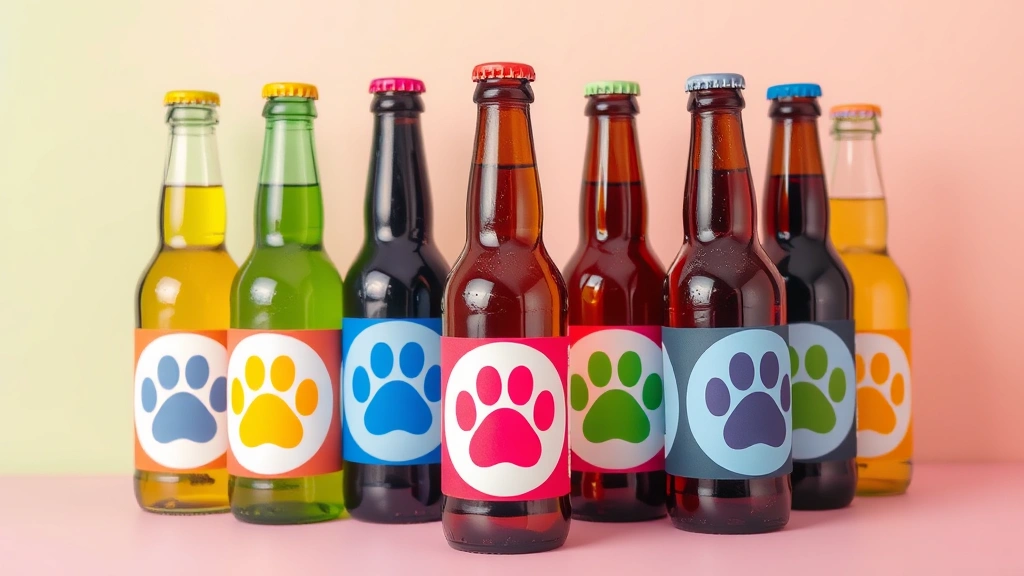
Several brands have dominated the dog beer market, each offering unique flavors and formulations. Bowser Beer, one of the pioneers in this space, offers varieties like “Cock Ale” (chicken-flavored) and “Peanut Butter Porter.” Sniff Brewing Company has created a line with creative names and flavors designed to appeal to both dogs and their humans. These products typically come in small bottles that mimic the look of craft beers, making them perfect for social gatherings.
Each brand varies in ingredients and nutritional profiles, so it’s worth researching which aligns best with your dog’s dietary needs and taste preferences. Some focus on organic ingredients, while others emphasize specific health benefits.
Ingredients to Look For in Quality Dog Beer
When selecting a dog beer for your pup, examine the ingredient list carefully. High-quality options should include recognizable, whole-food ingredients like beef or chicken broth as the primary component. Look for added vitamins such as B vitamins and minerals like zinc and iron that support canine health.
Avoid any dog beer containing xylitol, an artificial sweetener that’s toxic to dogs. This is critical—xylitol poisoning in dogs can cause serious liver damage and hypoglycemia. Also steer clear of products with excessive sodium, artificial colors, or flavoring agents that don’t belong in your dog’s diet. The best dog beer brands are transparent about their sourcing and manufacturing processes.
Health Benefits of Dog Beer (When Chosen Wisely)
Beyond the fun factor, properly formulated dog beer can offer legitimate health benefits. Many brands include glucosamine and chondroitin for joint support, particularly beneficial for aging dogs or breeds prone to hip dysplasia. Some include probiotics to support digestive health and immune function.
The hydration aspect shouldn’t be overlooked either. During hot summer months or after exercise, a flavorful dog beer can encourage your pup to drink more water, which is essential for kidney function and overall health. Just ensure you’re choosing products that are primarily water-based with beneficial additions rather than overly processed options.
Portion Control and Serving Guidelines
Like any treat, dog beer should be given in moderation. Most veterinarians recommend limiting dog beer to occasional treats rather than daily consumption. A typical serving size is 2-4 ounces per day for medium to large dogs, adjusted downward for smaller breeds. Always check the specific brand’s recommendations, as formulations vary.
Think of dog beer as you would any other special treat—it should comprise no more than 10% of your dog’s daily caloric intake. If your dog is on a restricted diet due to health conditions, consult your vet before introducing any new beverages. Pet food safety extends to beverages, and your veterinarian is your best resource for personalized guidance.

Dogs With Special Dietary Needs and Dog Beer
If your dog has specific health conditions, allergies, or is on a prescription diet, you’ll need to be extra cautious about introducing dog beer. Dogs with pancreatitis, obesity, kidney disease, or diabetes may need to avoid certain formulations due to sodium, fat, or sugar content. Always consult your veterinarian before offering any new treat or beverage.
For dogs with food allergies, check the ingredient list meticulously. Some dog beers contain common allergens like chicken, beef, or wheat. Fortunately, several brands now offer limited-ingredient or novel protein options for dogs with sensitive systems.

DIY Dog Beer: Making It at Home
If you’re the crafty type, you can make homemade dog beer using simple, vet-approved ingredients. A basic recipe might include low-sodium beef or chicken broth, a splash of apple cider vinegar (which supports digestion), and perhaps a tablespoon of peanut butter for flavor. Some recipes add a small amount of pumpkin puree for digestive benefits.
The advantage of DIY dog beer is complete control over ingredients and the ability to customize for your dog’s preferences and dietary needs. However, homemade versions lack the shelf stability and quality control of commercial products, so they’re best consumed fresh and stored in the refrigerator. Can dogs eat peanut butter? Yes, in moderation—just ensure it’s xylitol-free.
Social Situations and Dog Beer Etiquette
Bringing dog beer to a dog park or social gathering can be a fun conversation starter, but it’s important to be respectful. Not all dogs should consume treats, and not all owners appreciate their dogs receiving unexpected food or beverages. Always ask before offering dog beer to someone else’s pup, and be prepared to explain what it is and why it’s safe.
At home, dog beer can become part of your routine—a special treat during evening relaxation or weekend hangouts. Some owners even throw “puppy happy hour” events where dogs and humans enjoy their respective beverages together. It’s a lighthearted way to celebrate the human-animal bond.

Comparing Dog Beer to Other Pet Beverages
The pet beverage market has expanded beyond dog beer to include dog-friendly smoothies, bone broth drinks, and electrolyte-enhanced hydration products. Each serves different purposes. Dog beer is primarily for enjoyment and occasional treat purposes, while bone broth might be used more regularly for joint and digestive support. Dog smoothies often incorporate fruits and vegetables for nutritional variety.
Understanding the differences helps you choose the right beverage for the right situation. Dog beer shines as a novelty treat and social beverage, while other options might be better suited for daily nutritional supplementation.

Frequently Asked Questions
Is dog beer actually safe for dogs?
Yes, dog beer formulated specifically for canines is safe when given in moderation. However, regular human beer is toxic to dogs due to alcohol and hops content. Always ensure you’re giving your dog a product specifically designed for canine consumption, and check the ingredient list for any harmful additives like xylitol.
Can puppies drink dog beer?
Most veterinarians recommend waiting until puppies are at least one year old before introducing dog beer. Puppies have developing digestive systems, and their nutritional needs are best met through high-quality puppy food and water. Consult your vet about age-appropriate treats for your specific puppy.
What if my dog has never tried dog beer before?
Introduce dog beer gradually, just as you would any new treat. Start with a small amount and monitor for any digestive upset. Some dogs may not be interested, and that’s perfectly fine—not every pup needs to try every trend. If your dog shows signs of gastrointestinal distress, discontinue use and contact your veterinarian.
How should I store dog beer?
Most commercial dog beers should be stored in a cool, dry place before opening, similar to human beverages. Once opened, refrigerate and use within the timeframe specified on the packaging. Homemade versions should be refrigerated immediately and used within a few days. Never leave dog beer out at room temperature for extended periods.
Are there any dog breeds that shouldn’t have dog beer?
While most healthy adult dogs can enjoy dog beer in moderation, certain breeds or individual dogs with health conditions should avoid it. Dogs with pancreatitis, obesity, kidney disease, or diabetes may need to skip dog beer depending on formulation. Brachycephalic breeds (flat-faced dogs like Bulldogs) should have any new treat introduced carefully. Always consult your vet for personalized advice, and consider scheduling telehealth vet appointments if you have quick questions about your dog’s diet.
Can dog beer help with training or behavioral issues?
Dog beer can be used as a high-value reward during training sessions, though many dogs find standard treats more motivating. It’s not a solution for behavioral problems, but it can be a fun novelty reward for well-behaved pups. For behavioral concerns, consult a certified professional dog trainer or veterinary behaviorist.
The Bottom Line on Dog Beer
Dog beer represents a fun, harmless way to include your furry friend in social occasions and treat them to something special. When you choose high-quality, veterinarian-approved products and serve them in appropriate portions, dog beer can be a delightful addition to your pet care routine. The key is understanding that it’s a treat, not a dietary staple, and that your dog’s primary hydration should always come from fresh water.
As the pet beverage market continues to innovate, we’ll likely see even more creative options emerge. Whether you’re a dog beer enthusiast or prefer traditional treats, the most important thing is that you’re thinking about your dog’s health and happiness. In 2024, that might just mean raising a glass—pup-friendly, of course—to your best friend.





