
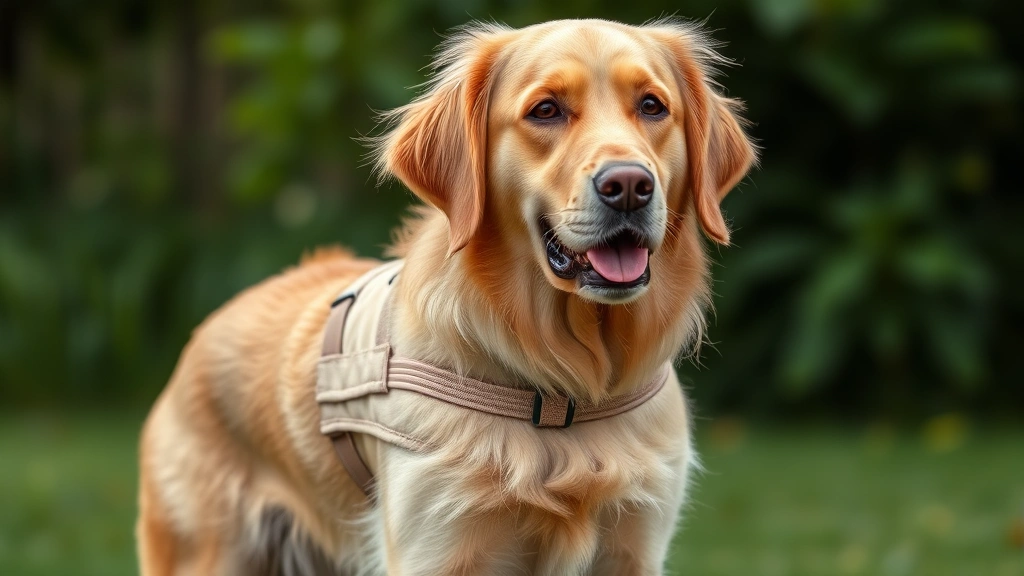
A dog belly band is basically a diaper for your male pup’s marking problem—and honestly, it’s a game-changer for anyone dealing with that lovely sprinkle situation on the couch. If your furry buddy thinks your living room is a fire hydrant convention, you’re not alone. Male dogs mark territory for all sorts of reasons, and a belly band can be the difference between a fresh-smelling home and one that smells like a kennel.
Table of Contents
- What Exactly Is a Dog Belly Band?
- Why Do Dogs Mark Territory Anyway?
- The 5 Best Dog Belly Bands on the Market
- How to Measure Your Dog for the Perfect Fit
- Using a Dog Belly Band Effectively
- When to Consider Other Solutions
- Common Belly Band Mistakes to Avoid
- Belly Bands vs. Other Marking Solutions
- Real Talk: What Dog Owners Actually Say
- Maintenance and Care Tips
- Frequently Asked Questions
- Conclusion: Finding Your Dog’s Perfect Belly Band
But here’s the thing: not all belly bands are created equal. Some are uncomfortable, fall off constantly, or look like your dog got dressed in the dark. We’re going to walk through the best options that actually work, plus everything you need to know about using them effectively.
What Exactly Is a Dog Belly Band?
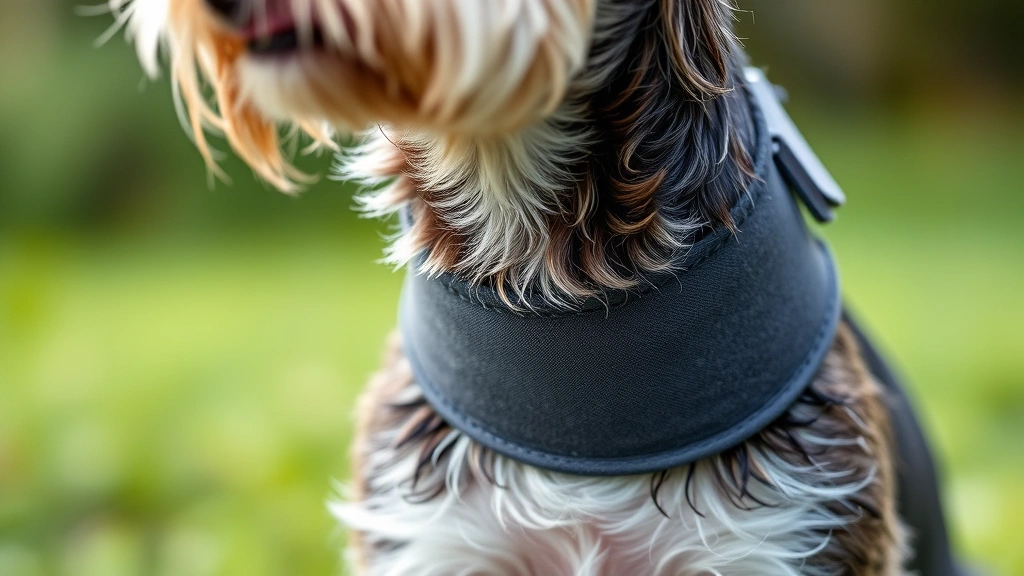
Think of a dog belly band as a wrap that goes around your dog’s midsection, kind of like a wide belt made of absorbent material. It’s designed to catch urine before it hits your floors, furniture, or that one spot on the carpet your dog seems obsessed with. These bands are typically made from soft, washable fabric with an absorbent layer inside—similar to a human incontinence product, but way cuter and dog-sized.
The beauty of belly bands is that they’re non-invasive. You’re not training your dog with them; you’re managing the behavior while you work on the actual problem. It’s like putting on a rain jacket before a storm—it doesn’t stop the rain, but it keeps you dry.
Why Do Dogs Mark Territory Anyway?
Before we dive into the best belly bands, let’s talk about why your dog is doing this in the first place. Male dogs mark territory for several reasons: anxiety, lack of neutering, medical issues, or simply because they’re establishing dominance (yes, even in your living room). Some dogs mark when they’re stressed, excited, or when they detect other animals’ scents.
The key thing to understand is that marking is different from regular accidents. It’s usually a small amount of urine in multiple spots, not one big puddle. If your dog is having accidents, that’s a different issue—possibly a UTI or other health concern. Check with your vet first, especially if the behavior is new. A quick visit can rule out medical problems and give you peace of mind.
The 5 Best Dog Belly Bands on the Market
1. Washable Belly Band with Waterproof Backing
This is the gold standard for most dog owners. It features a soft cotton exterior with a waterproof lining that actually prevents leaks from soaking through to your furniture. The adjustable Velcro straps mean you can get the perfect fit whether your dog is a lean greyhound or a chunky bulldog. Most come in multiple sizes, so measure your dog’s waist before ordering.

What makes these great: They’re machine washable, which means you’re not constantly buying disposable ones. You can wash them daily without worrying about damage. The waterproof backing is genuinely waterproof—not just “kind of water-resistant.”
2. Disposable Belly Bands for Travel
If you’re the type who travels with your pup or needs something super convenient, disposable belly bands are your friend. They work like diapers—you use them once and toss them. They’re compact, easy to pack, and honestly lifesavers for road trips or vet visits.
The downside: They’re not eco-friendly or budget-friendly if you use them daily. But for occasional use? Totally worth it. Plus, your dog doesn’t have that weird wet feeling that sometimes comes with reusable bands.
3. Premium Neoprene Belly Bands
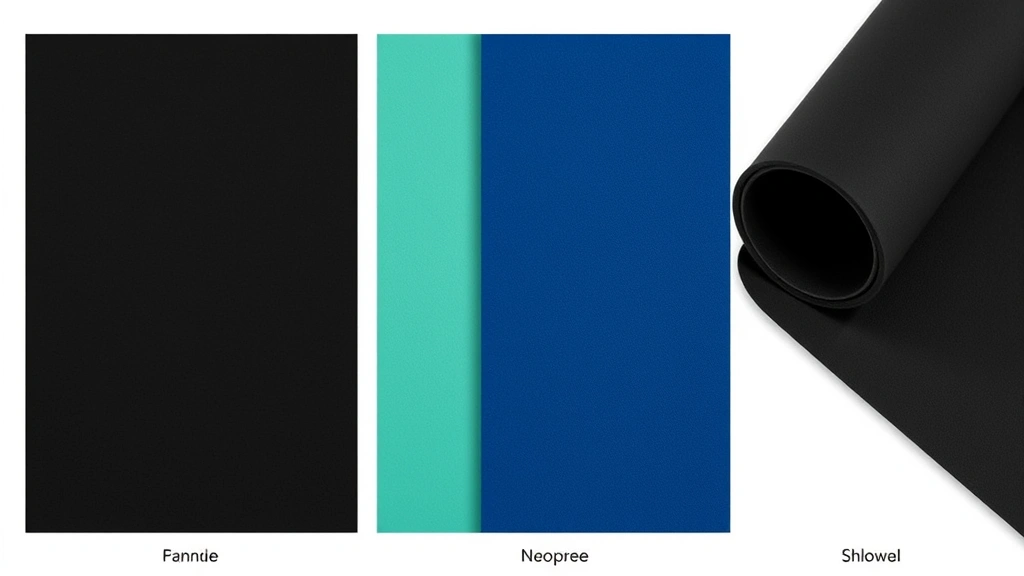
If you want something that looks less like medical equipment and more like actual dog fashion, neoprene belly bands are sleek and comfortable. They’re stretchy, which means they move with your dog instead of feeling restrictive. The material is durable and often comes in fun colors or patterns.
These bands tend to be pricier, but they last forever and your dog won’t look like he’s wearing a medical device. Win-win if you care about aesthetics (and let’s be honest, who doesn’t want their dog to look good?).
4. Absorbent Gel Belly Bands
These are the fancy ones with built-in absorbent gel technology. They lock in moisture and odor better than standard fabric bands. If your dog marks frequently throughout the day, these are worth the investment. The gel layer keeps your pup feeling drier, which means less irritation and less chance of him trying to escape the band.

Fair warning: They’re more expensive upfront, but they often last longer because the absorbent layer doesn’t degrade as quickly with washing.
5. Custom-Fit Belly Bands
Some companies offer custom belly bands based on your dog’s exact measurements. You provide length, width, and girth, and they make something perfectly fitted. It’s like having a tailor for your dog’s belly band situation.
This option is ideal if your dog has an unusual body shape or if standard sizes just don’t work. Yes, it costs more, but a properly fitting band is way more effective than one that’s constantly slipping.
How to Measure Your Dog for the Perfect Fit
Getting the right size is crucial. A belly band that’s too loose will slip right off (defeating the purpose), and one that’s too tight will be uncomfortable and potentially cause skin irritation. Here’s how to measure:
Use a soft measuring tape and measure around your dog’s belly, just behind his front legs. That’s where the band will sit. Write down the measurement in inches. Most belly bands come in sizes like Small (8-12 inches), Medium (12-16 inches), and Large (16-20 inches). If your dog is between sizes, go up—a slightly loose band is better than one that’s too tight.
Pro tip: Measure your dog when he’s standing naturally, not when he’s stretched out or bunched up. And measure him when he’s calm, not when he’s all excited and puffed up.
Using a Dog Belly Band Effectively
Okay, so you’ve got your fancy new belly band. Now what? Here’s how to actually use it so your dog doesn’t hate you:
Start Slow: Let your dog wear the band for short periods at first. Maybe 15-30 minutes while you’re home. This helps him get used to the sensation. Some dogs don’t care; others act like you’ve wrapped them in barbed wire.
Use Positive Reinforcement: When your dog wears the band without fussing, treat him like he just won the lottery. Praise, treats, playtime—go all out. You’re building a positive association with the band.
Change It Regularly: Wash the band daily, or use disposable ones. A wet, smelly band will make your dog want to escape it. Plus, it’s gross for him and defeats the hygiene purpose.
Don’t Rely on It Alone: A belly band is a management tool, not a solution. You still need to address the underlying behavior. Work on house training, reduce anxiety triggers, and consider consulting a professional trainer if the marking is severe.
Monitor for Skin Issues: Check your dog’s belly regularly for irritation, redness, or rashes. If you notice anything, give his skin a break and switch to a different material or style.

When to Consider Other Solutions
Belly bands are great, but they’re not always the complete answer. If your dog is constantly marking, you might need to combine the band with other strategies:
Neutering: If your dog isn’t neutered, this is the most effective long-term solution. Neutering significantly reduces marking behavior in most dogs. It’s not guaranteed, but it’s the closest thing to a cure.
Behavioral Training: Work with a trainer to address anxiety or dominance issues. Sometimes marking is a symptom of deeper behavioral problems that need professional attention.
Enzyme Cleaners: Use enzymatic cleaners on spots your dog has marked. Regular cleaners don’t fully remove the scent, so your dog keeps marking the same spots. Enzyme cleaners break down the urine completely, removing the scent marker.
Environmental Changes: Reduce stress triggers. If your dog marks when guests arrive, manage that situation. If he marks when he smells other animals, keep windows closed or use air filters. You’re essentially removing the reason he feels the need to mark.
Common Belly Band Mistakes to Avoid
Let’s talk about what NOT to do, because I’ve seen dog owners make these mistakes and then blame the belly band:

Not Washing It: A dirty belly band is uncomfortable and unhygienic. Wash it daily. Your dog will be happier, and your house won’t smell like a urinal.
Using It as Punishment: Never put the band on as a punishment or leave it on for hours at a time. Your dog will associate it with negative feelings, and he’ll fight you every time you try to put it on.
Ignoring Medical Issues: If your dog suddenly starts marking when he never did before, see a vet. It could be a UTI, prostate issue, or other medical problem. A belly band won’t fix that.
Wrong Size: Too tight? Your dog’s uncomfortable. Too loose? It falls off. Get the right size. It matters more than you’d think.
Expecting Instant Results: A belly band isn’t magic. It stops the marking from hitting your floors, but it doesn’t train your dog not to mark. That takes time and consistent training.
Belly Bands vs. Other Marking Solutions
How do belly bands stack up against other options? Let’s break it down:
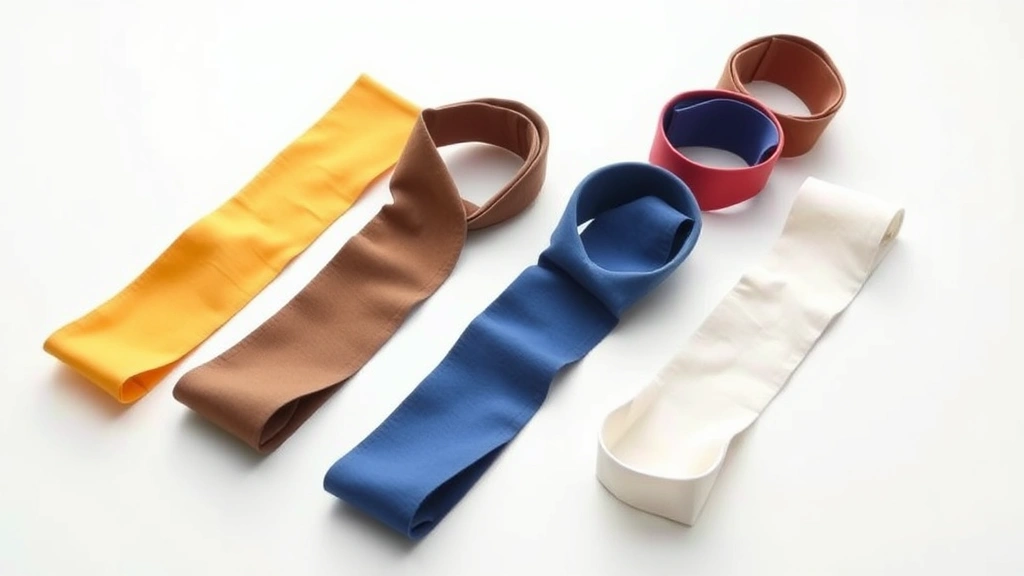
Belly Bands vs. Dog Diapers: Diapers are bulkier and cover more area, but belly bands are more comfortable for most dogs and easier to put on. Diapers are better if your dog has other incontinence issues.
Belly Bands vs. Training Pads: Training pads are passive—they just absorb accidents wherever they happen. Belly bands are proactive and go with your dog everywhere. Pads are cheaper but less effective for active marking.
Belly Bands vs. Behavioral Training Alone: Training alone can work, but it takes months and requires consistency. Belly bands let you manage the behavior while training happens. Use both together for best results.
Real Talk: What Dog Owners Actually Say
Here’s what people who’ve used belly bands actually report: Most say they’re relieved to finally have a solution that works. The best part? No more worrying about your dog marking on guests’ laps or your kid’s backpack. It’s peace of mind in fabric form.
Some dogs take a few days to adjust, but most get used to them quickly. And once you find the right brand and fit, it’s smooth sailing. The investment pays for itself in furniture protection alone.
Maintenance and Care Tips
To keep your belly band in good shape:
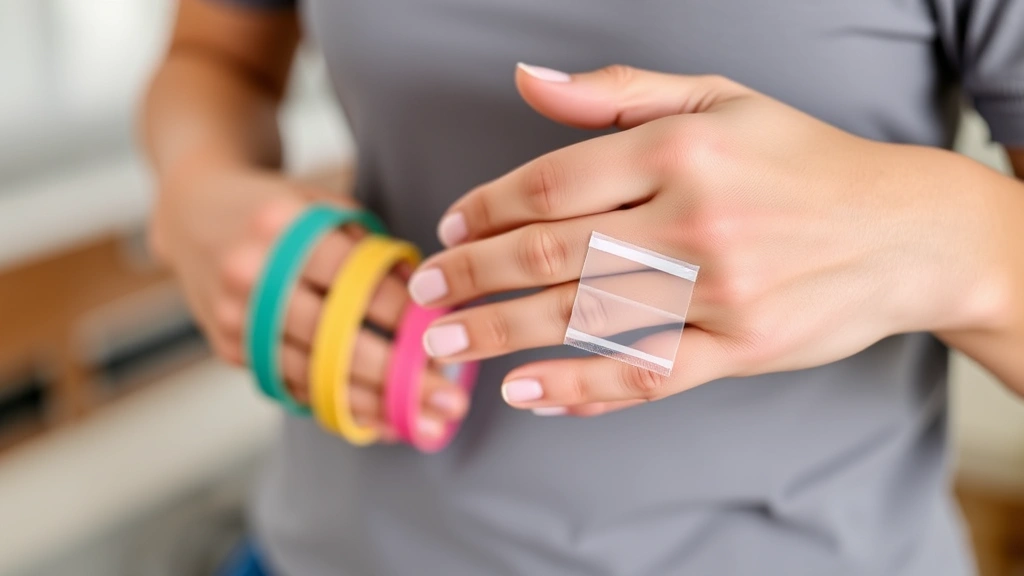
Wash after each use with mild detergent. Hot water is fine, but avoid bleach or fabric softener—they can damage the waterproof backing. Air dry when possible; machine drying is okay but can reduce the lifespan. Store in a dry place. Check the elastic and Velcro regularly; if they’re worn out, it’s time for a new band.
Frequently Asked Questions
Can a belly band hurt my dog?
Not if it’s the right size and you’re using it correctly. A properly fitting belly band should be snug but not tight. You should be able to fit one finger under the band comfortably. If your dog shows signs of discomfort, irritation, or won’t move normally, it’s too tight. Always monitor your dog’s skin for redness or rashes.
How long can my dog wear a belly band?
Most vets recommend not leaving a belly band on for more than 8 hours at a time. Think of it like wearing tight pants all day—it’s fine for a bit, but you need a break. Use the band during times when your dog is most likely to mark, then take it off so his skin can breathe. Always remove it at night unless specifically advised otherwise by your vet.
Will a belly band stop my dog from marking?
No, it won’t stop the behavior—it’ll just catch the urine. A belly band is a management tool, not a training tool. To actually reduce marking behavior, you need to address the underlying cause through training, neutering, or behavioral modification. Use the band while you work on the real solution.
Are washable or disposable belly bands better?
For daily use, washable bands are more economical and eco-friendly. For occasional use or travel, disposable bands are more convenient. Many dog owners use both—disposable for trips and washable at home. It depends on your lifestyle and budget.
Can female dogs use belly bands?
Yes, female dogs can wear belly bands, though they’re less common for females since female marking is less frequent. Female incontinence is a different issue and might require a different solution. If your female dog is incontinent, talk to your vet about options.
How do I get my dog used to wearing a belly band?
Start with short wearing periods—15-30 minutes—while you’re home and can supervise. Use treats and praise when he wears it without fussing. Never force it on him or use it as punishment. Let him associate the band with positive things. Most dogs adjust within a week or two with patient, positive introduction.
Will my dog’s marking get worse if I use a belly band?
No, a belly band won’t make marking worse. It’s a passive management tool—it doesn’t reinforce or discourage the behavior. Your dog will still mark (the band just catches it), but this won’t increase the frequency of marking. It’s safe to use while you work on training.
Conclusion: Finding Your Dog’s Perfect Belly Band
A dog belly band isn’t a cure-all, but it’s one of the most practical solutions for managing marking behavior. Whether you choose washable bands, disposable options, or premium neoprene styles, the key is finding what works for your dog’s body and your lifestyle.
Start by measuring your dog accurately, pick a style that fits your budget, and introduce it slowly with positive reinforcement. Combine the belly band with proper training, environmental management, and (if applicable) neutering for the best results. And remember—patience is key. Your dog isn’t trying to annoy you; he’s just being a dog. With the right belly band and a little consistency, you’ll have a marking-free home in no time.
If your dog’s marking is accompanied by other health concerns, always consult your veterinarian first. They can rule out medical issues like UTIs or prostate problems that might need treatment beyond a belly band. For more information on dog health and behavior, check out resources from the American Kennel Club and PetMD.
In the meantime, if you’re dealing with other health issues, you might also want to read about whether you can use antibiotic ointment on dogs for any skin irritation. And if you’re thinking about prevention through diet, check out our guide on what not to feed your dog to ensure your pup stays healthy.





