

If your pup has dog bloody diarrhea, you’re probably freaking out a little (or a lot). And honestly? That’s totally justified. Seeing blood in your dog’s stool is never fun, but the good news is that it’s often treatable—and sometimes not even as serious as it looks. Let’s break down what’s actually happening in your dog’s digestive system and what you can do about it.
Table of Contents
- What Causes Dog Bloody Diarrhea: The Big Picture
- 1. Dietary Indiscretion: The “Oops, I Ate That” Problem
- 2. Parasitic Infections: The Invisible Invaders
- 3. Inflammatory Bowel Disease (IBD): When the Immune System Overreacts
- 4. Bacterial Infections: When Bad Bugs Move In
- 5. Hemorrhagic Gastroenteritis (HGE): The Scary-Sounding One
- When to Panic (And When Not To)
- Diagnostic Steps Your Vet Will Take
- Treatment Options: From Diet Changes to Medication
- Prevention: Stop Bloody Diarrhea Before It Starts
- When to Consider Specialist Care
- Frequently Asked Questions
- The Bottom Line: Your Dog’s Digestive Health Matters
What Causes Dog Bloody Diarrhea: The Big Picture
Bloody diarrhea in dogs falls into two main categories: hematochezia (bright red blood) and melena (dark, tarry stools). Think of hematochezia as a lower GI tract issue—something’s irritated the colon or rectum. Melena? That’s upper GI bleeding, which means something further up the digestive line is causing trouble. Both are your dog’s way of saying, “Hey, something’s wrong down here!”
The causes range from the mildly annoying to the genuinely serious, which is why identifying the root cause matters. Your vet isn’t just being dramatic when they want to investigate—they’re trying to figure out if this is a dietary hiccup or something that needs immediate attention.
1. Dietary Indiscretion: The “Oops, I Ate That” Problem
Your dog ate something they shouldn’t have. We’ve all been there. Maybe it was garbage, maybe it was a toy, maybe they scarfed down an entire pizza slice off the counter. Dietary indiscretion is the most common culprit behind sudden bloody diarrhea in dogs, and it’s usually self-limiting.
When dogs consume inappropriate foods or objects, their GI tract gets inflamed and irritated, leading to bloody stools. The good news? Once you remove the offending item from their diet, they often bounce back within a few days. Check out our guide on what not to feed your dog to prevent future incidents.
If your dog has a history of eating random stuff, consider keeping a food journal and being extra vigilant about what’s accessible in your home.

2. Parasitic Infections: The Invisible Invaders
Parasites like hookworms, whipworms, and giardia are basically tiny terrorists living rent-free in your dog’s intestines. They cause inflammation, damage the intestinal lining, and yep—you guessed it—bloody diarrhea. Puppies and immunocompromised dogs are especially vulnerable.
The tricky part? Parasites can hide. Your dog might seem otherwise healthy while harboring a parasitic party in their gut. This is why regular fecal exams (yes, your vet really does need to look at poop) are essential preventative care. If parasites are the culprit, your vet will prescribe antiparasitic medication, and your pup should improve within 1-2 weeks of treatment.
Prevention is your best friend here—keep your dog on year-round parasite prevention and avoid contaminated areas when possible.
3. Inflammatory Bowel Disease (IBD): When the Immune System Overreacts
Some dogs’ immune systems are basically the overprotective parent of the digestive world. They see normal gut bacteria and food particles as threats, triggering chronic inflammation. This condition, called inflammatory bowel disease, causes recurring bloody diarrhea, weight loss, and general misery.
IBD requires long-term management—think diet modification, probiotics, and sometimes medications like corticosteroids or immunosuppressants. It’s not curable, but it’s absolutely manageable with the right approach. Your vet might recommend a limited ingredient diet or prescription food to reduce triggers.
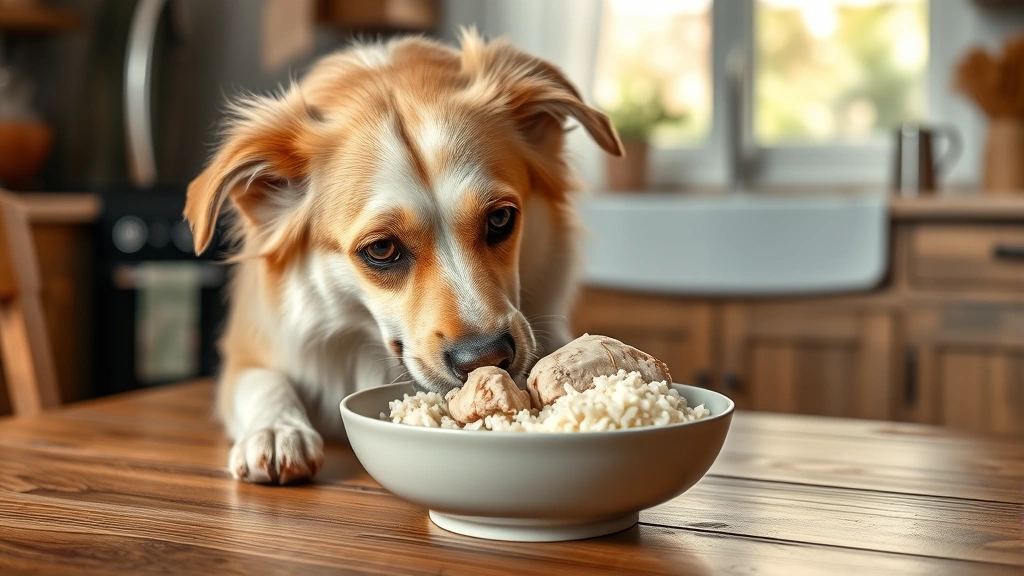
The silver lining? Once you nail down what works for your dog, many IBD patients live totally normal, happy lives.
4. Bacterial Infections: When Bad Bugs Move In
Salmonella, E. coli, and Campylobacter can all crash your dog’s digestive party and cause bloody diarrhea. These bacterial infections are usually acute (sudden) and often come with additional symptoms like vomiting, fever, and lethargy.
Here’s the thing about bacterial infections: sometimes they’re self-limiting, but sometimes they need antibiotics. Your vet will determine whether your dog needs medication or if supportive care (rest, hydration, bland diet) is sufficient. In severe cases, hospitalization might be necessary.
Keep your dog away from raw or undercooked meat, contaminated water, and other dogs showing GI symptoms to reduce infection risk.
5. Hemorrhagic Gastroenteritis (HGE): The Scary-Sounding One
Hemorrhagic gastroenteritis sounds absolutely terrifying because, well, it kind of is. HGE causes sudden, severe bloody diarrhea (sometimes it’s literally just blood) along with vomiting and shock-like symptoms. It’s an acute condition that comes on fast and hard.

The cause of HGE isn’t always clear—stress, diet changes, or bacterial overgrowth might be involved. But here’s what matters: HGE requires immediate veterinary attention. Your dog will likely need IV fluids, antibiotics, and supportive care. With treatment, most dogs recover within 3-5 days, but without it, HGE can be life-threatening.
If your dog shows signs of HGE (profuse bloody diarrhea, lethargy, shock), don’t wait. Get to the vet immediately.
When to Panic (And When Not To)
Not all bloody diarrhea requires an emergency vet visit, but some definitely do. Call your vet immediately if your dog shows:
- Profuse bloody diarrhea or blood clots in stool
- Signs of shock (weakness, pale gums, rapid heartbeat)
- Severe vomiting alongside diarrhea
- Fever or lethargy
- Inability to keep food or water down
- Abdominal pain or distension
If your dog seems otherwise normal and is eating and drinking fine, you can probably schedule a regular vet appointment within 24 hours. But when in doubt? Call your vet. They’d rather answer a worried question than miss something serious.
Diagnostic Steps Your Vet Will Take
Your vet isn’t just guessing. They’ll perform a physical exam, ask detailed questions about your dog’s diet and symptoms, and likely order tests. These might include:
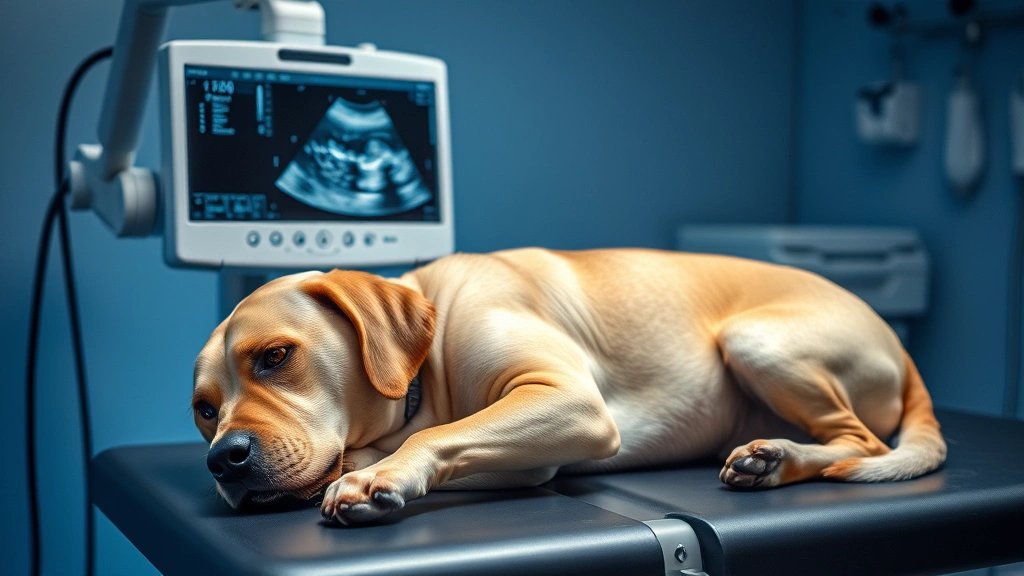
- Fecal exam: To check for parasites and bacterial overgrowth
- Blood work: To assess organ function and infection markers
- Ultrasound or X-rays: To rule out foreign objects or other structural issues
- Endoscopy: In chronic cases, to visualize the intestinal lining and take biopsies
Yes, it’s thorough. Yes, it might be expensive. But it’s the only way to actually know what’s causing your dog’s bloody diarrhea in dogs and treat it appropriately.
Treatment Options: From Diet Changes to Medication
Treatment depends entirely on the underlying cause. Here’s what you might expect:
Dietary Management: A bland diet (boiled chicken and rice) or prescription limited-ingredient food often helps. Some dogs benefit from probiotics and digestive enzymes. Check out our pet diet transition advice for proper food switching protocols.
Medications: Depending on the diagnosis, your vet might prescribe antibiotics, antiparasitics, probiotics, or anti-inflammatory drugs. If your dog needs clindamycin for dogs or other antibiotics, follow the full course even if symptoms improve.
Supplements: Pumpkin (yes, really) can help with both diarrhea and constipation. Check our pumpkin recipes for pets for tasty options.
Supportive Care: Rest, hydration, and sometimes IV fluids if your dog’s severely dehydrated.
Prevention: Stop Bloody Diarrhea Before It Starts
An ounce of prevention is worth a pound of cure, right? Here’s how to reduce your dog’s risk:
- Feed quality food: Avoid cheap, low-quality diets that often cause GI upset
- Maintain parasite prevention: Year-round, no exceptions
- Control access to inappropriate foods: Use pet poison hotline as a resource if you’re unsure about toxicity
- Introduce diet changes slowly: Transition over 7-10 days to avoid digestive upset
- Keep stress levels low: Stress can trigger GI issues in sensitive dogs
- Practice good hygiene: Clean food bowls daily, don’t leave food out
- Regular vet checkups: Catch problems early before they become serious
When to Consider Specialist Care
If your dog’s bloody diarrhea keeps coming back despite treatment, or if it’s been ongoing for more than a few weeks, consider seeing a veterinary gastroenterologist. These specialists have additional training in complex digestive issues and can offer advanced diagnostics and treatments that general practitioners might not have access to.
Chronic bloody diarrhea might indicate IBD, food allergies, or other conditions requiring specialized management. There’s no shame in seeking expert help—sometimes these cases are genuinely complicated.
Frequently Asked Questions
Is dog bloody diarrhea always an emergency?
Not always, but it depends on severity and accompanying symptoms. Mild bloody diarrhea in an otherwise healthy dog can usually wait for a regular vet appointment. Profuse bleeding, shock symptoms, or severe lethargy require immediate emergency care.

How long does it take for bloody diarrhea to resolve?
It depends on the cause. Dietary indiscretion might resolve in 2-3 days. Parasitic infections typically improve within 1-2 weeks of treatment. Bacterial infections might take 5-7 days. Chronic conditions like IBD require ongoing management but can be controlled long-term.
Can I treat my dog’s bloody diarrhea at home?
For mild cases, you can try a bland diet and increased hydration while monitoring symptoms. However, if it persists beyond 24 hours or worsens, veterinary care is necessary. Never assume it’s minor without professional evaluation.
What should I feed a dog with bloody diarrhea?
Start with a bland diet: boiled chicken (no skin or bones), plain white rice, and boiled sweet potato. Once symptoms improve, gradually transition back to their regular diet over 7-10 days. Your vet might recommend prescription digestive care diets for ongoing issues.
Is bloody diarrhea contagious to other dogs?
It depends on the cause. Parasitic infections and bacterial infections can spread to other dogs. Keep affected dogs separated from others until your vet confirms it’s not contagious.
Can stress cause bloody diarrhea in dogs?
Stress can trigger GI issues, but it rarely causes bloody diarrhea on its own. Stress might exacerbate underlying conditions like IBD or make dogs more susceptible to infections, but actual blood in stool usually indicates a more specific problem requiring investigation.
The Bottom Line: Your Dog’s Digestive Health Matters
Dog bloody diarrhea is your pup’s way of waving a red flag (literally). While it’s not always a sign of something catastrophic, it’s always worth investigating. The causes range from simple dietary mistakes to serious infections, and only proper veterinary evaluation can determine what’s actually happening.
Don’t ignore it, don’t self-diagnose based on internet research (okay, you can do some research, but follow it up with a vet visit), and don’t hesitate to seek emergency care if your dog shows severe symptoms. Your vet has the tools, training, and experience to get your dog feeling better quickly.
In the meantime, keep your dog comfortable, ensure they stay hydrated, and avoid any foods that might further irritate their digestive system. Most cases of bloody diarrhea resolve with proper treatment, and your dog will be back to their normal, ridiculous self in no time.





