
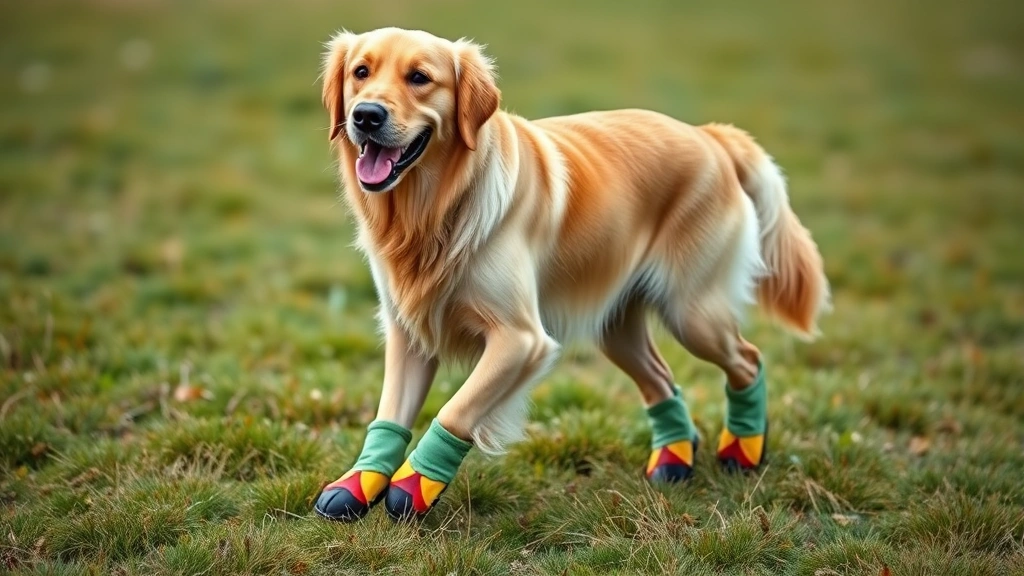
Let’s be honest: the first time you put dog boots on your pup, they’re going to look ridiculous. They’ll prance around like they’ve never used their legs before. But here’s the thing—those little boots are doing serious work. Whether you’re navigating icy sidewalks in January, protecting healing paw pads, or keeping your dog’s feet clean on muddy trails, dog boots aren’t just a fashion statement. They’re practical gear that every dog owner should understand.
I’ve been a vet tech for over a decade, and I’ve seen the difference proper footwear makes. Dogs with sensitive paws, senior dogs dealing with arthritis, and pups prone to paw injuries all benefit from the right pair of dog boots. The trick is knowing which style works for your situation—and your dog’s personality.
Why Dogs Actually Need Boots (It’s Not Just Cute)
Your dog’s paws are tough, sure. But they’re also sensitive. The paw pads contain sweat glands and are packed with nerve endings—which means they feel everything. Salt on winter roads? That stings. Hot pavement in summer? That burns. Rough terrain, sharp debris, chemicals on treated lawns—all of it takes a toll.
Here’s what happens when paws aren’t protected: cracked pads, infections, limping, and sometimes expensive vet visits. I’ve had owners come in with dogs who’ve cut their paws on glass or developed chemical burns from de-icers. A lot of that is preventable with the right dog boots.
Beyond protection, boots also help dogs with:
- Joint issues: Extra cushioning reduces impact on arthritic joints
- Wound healing: Keeping bandages or healing pads clean and dry
- Anxiety: Some dogs feel more secure with the snug, grounding sensation
- Traction: Better grip on slippery surfaces (especially for senior dogs)
- Temperature regulation: Keeping paws warm in extreme cold
Dogs with smaller frames or those who are still growing often have more delicate paw structures that benefit from early protection.
5 Essential Types of Dog Boots
Not all dog boots are created equal. The style you need depends on what you’re protecting against and how long your dog needs to wear them.
1. Winter Boots
These are the heavy-duty players. Winter dog boots have insulation, waterproofing, and usually a snug cuff to keep snow out. They’re made from materials like neoprene, fleece, or thermal linings. Look for boots with good traction on the sole—slipping is as frustrating for dogs as it is for us.
Best for: Cold climates, snow, ice, salt exposure
Common materials: Insulated rubber, waterproof fabric, fleece lining
2. Rain Boots
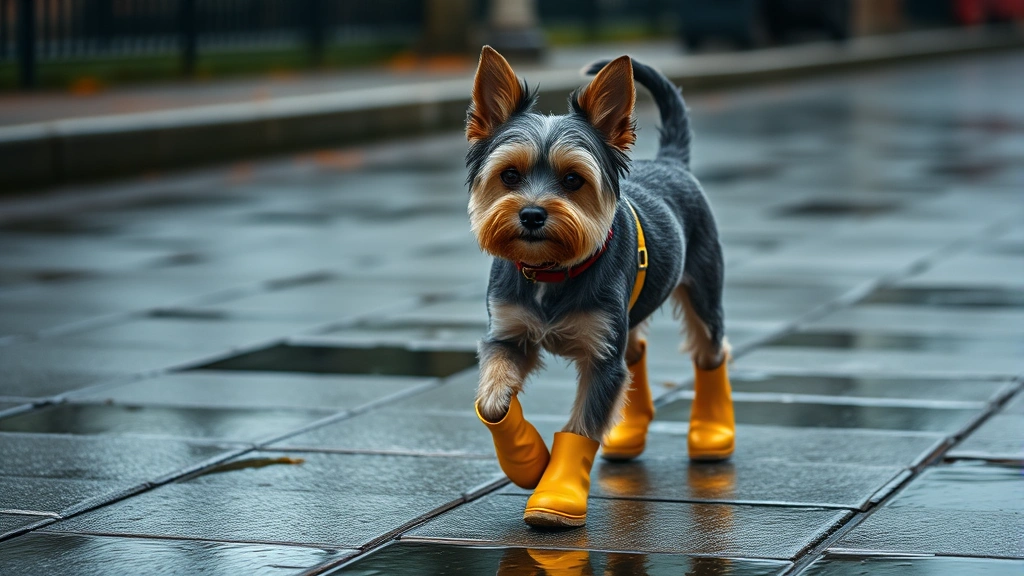
Lighter than winter boots but equally waterproof. Rain dog boots are usually made from rubber or treated canvas. They dry quickly and don’t add bulk, so dogs adjust faster. These are your go-to for puddle-jumping and wet grass walks.
Best for: Rainy seasons, wet terrain, quick outdoor trips
Common materials: Rubber, waterproof canvas, synthetic leather
3. Protective/Therapeutic Boots
These are medical-grade dog boots designed for injured or recovering paws. They often have a wider opening for easy access and a more rigid structure to immobilize the paw. Vets sometimes recommend these after surgery or for chronic paw conditions.
Best for: Post-surgery recovery, chronic wounds, severe allergies affecting paws
Common materials: Medical-grade nylon, rigid plastic, soft padding
4. All-Terrain Boots
These are the Swiss Army knife of dog boots. They offer moderate protection with flexibility, making them suitable for hiking, rocky trails, or varied terrain. They usually have reinforced soles and good ankle support.
Best for: Active dogs, hiking, mixed outdoor conditions
Common materials: Durable canvas, reinforced rubber, breathable fabric
5. Lightweight/Booties
Think of these as the “just in case” dog boots. They’re minimal, often stretchy, and perfect for quick trips or dogs with mild sensitivities. Some are barely more than a sock, which is exactly why dogs tolerate them better.
Best for: Sensitive paws, short outings, dogs learning to wear boots
Common materials: Stretch fabric, thin rubber, sock-like construction
How to Size and Fit Dog Boots Properly
This is where most people mess up. Ill-fitting dog boots are worse than no boots at all. Too tight and they cut off circulation or cause blisters. Too loose and they slip off (usually in a muddy puddle).
Here’s the proper way to measure:
- Measure the paw pad width: Place your dog’s paw on a piece of paper. Trace around it. Measure the widest part of the pad from side to side.
- Measure the paw pad length: Measure from the heel (back of the pad) to the tip of the longest toe.
- Check the leg circumference: Measure around the leg just above the paw, where the boot’s cuff will sit.
- Consider the dog’s age: If your dog is still growing, buy boots slightly larger with adjustable straps so you’re not replacing them every month.
Pro tip: Most reputable dog boot manufacturers provide sizing charts. Use them. Don’t just guess based on your dog’s overall size—a Chihuahua and a Miniature Pinscher might wear the same boot size despite being different breeds.
Safety Warning: After putting on dog boots, always do a 5-minute test walk at home. Watch for limping, excessive licking, or signs of discomfort. The boot should feel snug but not restrictive. You should be able to slip one finger under the cuff.
Winter Dog Boots for Cold Weather Protection
Winter is when dog boots earn their keep. Cold paws aren’t just uncomfortable—they’re dangerous. Frostbite can develop in dogs just like it does in humans. Plus, ice-melting salts and chemicals used on sidewalks are toxic if ingested (which happens when dogs lick their paws).
What to look for in winter dog boots:
- Insulation rating: Look for boots rated for your climate. A dog in Minnesota needs different boots than one in Virginia.
- Waterproofing: Wet paws get cold fast. The boot must shed water, not absorb it.
- Traction: Many winter boots have rubber soles with treads. This prevents slipping on ice and gives dogs confidence.
- Easy on/off: You don’t want to wrestle your dog for 10 minutes before every walk. Zippers, velcro, or elastic openings make life easier.
- Reflective elements: Winter days are dark. Reflective strips help cars see your dog.
A study from the American Kennel Club found that dogs wearing proper winter protection had fewer paw-related injuries and infections during cold months. It’s not just anecdotal—it’s documented.
Therapeutic and Medical Dog Boots

Sometimes dog boots aren’t about fashion or comfort—they’re about healing. Therapeutic boots are prescribed by vets for specific conditions.
Common medical reasons for therapeutic boots:
- Post-surgical protection: After paw pad surgery or toe amputation, the boot keeps the surgical site clean and protected during the healing phase.
- Chronic paw pad hyperkeratosis: Some dogs develop thickened, cracked paw pads. Soft, cushioned boots reduce pain and prevent further damage.
- Severe allergies: Dogs with paw allergies obsessively lick and chew. Boots create a physical barrier and reduce the itch sensation.
- Arthritis: Extra cushioning and support reduce joint stress. Some therapeutic boots have memory foam or gel inserts.
- Edema or swelling: Compression-style boots can reduce swelling in injured limbs.
If your vet prescribes therapeutic dog boots, they might recommend specific brands or materials. Listen to that recommendation—it’s based on your dog’s condition, not just what’s cute.
Water-Resistant Boots for Wet Conditions
Rain happens. Mud happens. Puddles happen. Water-resistant dog boots keep paws dry and clean, which means less tracking mud through your house and fewer wet-dog smells.
The difference between “water-resistant” and “waterproof” matters:
- Water-resistant: Repels water for a while but will eventually absorb it. Good for light rain or quick walks.
- Waterproof: Fully sealed against water. Can handle puddles and extended wet exposure.
For wet conditions, you want fully waterproof dog boots. Look for sealed seams and materials like:
- Rubber (durable, easy to clean)
- Neoprene (flexible, insulating)
- Treated canvas (breathable, dries quickly)
- Synthetic leather (waterproof, easy maintenance)
Here’s a real talk moment: wet boots need to dry properly. After a muddy walk, rinse them off, shake out excess water, and let them air dry. If you stuff them in a closet while damp, they’ll get moldy. Store them in a well-ventilated area.
Getting Your Dog Used to Wearing Boots
This is where patience matters. Some dogs accept boots immediately. Others act like you’ve wrapped their feet in torture devices. Both reactions are normal.
Step-by-step introduction:
- Day 1-2: Let them investigate. Leave the boots out. Let your dog sniff and explore. No pressure.
- Day 3-4: Touch and handling. Gently touch their paws and legs while holding the boots. Reward with treats.
- Day 5: Put one boot on. Start with just one boot on one paw. Keep it on for 2-3 minutes. Treat heavily. Remove it. End on a positive note.
- Day 6-7: Two boots. Progress to two boots. Still short duration. Let them walk around indoors.
- Week 2: Full set and outdoor time. All four boots, short walks in a familiar area.
- Week 3+: Normal use. By now, most dogs are adapted.
Some dogs never fully love dog boots, and that’s okay. The goal isn’t enthusiasm—it’s acceptance. If your dog tolerates boots for necessary walks, that’s a win.
Pro Tip: Use high-value treats during boot introduction. We’re talking special treats they only get during boot time. Chicken, cheese, or training treats work better than regular kibble. Make boots = good things happen.
Dogs with anxiety might benefit from calming techniques or a consistent routine before introducing boots. Some owners find that putting boots on during play or positive activities helps create positive associations.
Care and Maintenance Tips
Quality dog boots aren’t cheap. A decent set can run $40-$150+. Taking care of them extends their life and keeps your dog’s feet healthy.
Daily care:
- Rinse after muddy walks. Use a hose or sink. Remove debris, mud, and salt.
- Check for fit changes. Growing puppies need size adjustments. Older dogs might need more padding as paw pads thin.
- Inspect for damage. Look for tears, loose seams, or worn soles. A boot with a hole defeats the purpose.
Weekly maintenance:
- Deep clean. Use mild soap and water. Scrub soles to remove salt and chemicals.
- Air dry completely. Never put damp boots away. Mold and mildew thrive in moisture.
- Check straps and closures. Velcro wears out. Zippers jam. Address issues early.
Storage:
- Keep boots in a cool, dry place away from direct sunlight (UV degrades materials).
- Store in pairs so you don’t lose one.
- Keep them accessible. You’re more likely to use boots you can easily grab.
According to PetMD, proper boot maintenance reduces paw infections by up to 30% in dogs prone to moisture-related issues. It’s not glamorous, but it matters.
Some brands offer replaceable components—soles, straps, or liners. Investing in replacement parts is cheaper than buying new boots. Check if your boots have this option.
Frequently Asked Questions
Do all dogs need boots?
– No, but many benefit from them. Dogs in cold climates, those with paw sensitivities, senior dogs, and active dogs on rough terrain all see benefits. If your dog has healthy paws and you live in a mild climate, boots might be optional. But having a pair on hand is smart.
Can dog boots cause paw problems?
– Poorly fitting boots can cause issues like blisters, hair loss, or circulation problems. Properly fitted boots that are checked regularly don’t cause problems. If your dog shows signs of discomfort (limping, excessive licking, hair loss), the boots likely don’t fit right.
How long can a dog wear boots?
– Dogs can wear boots for extended periods, but they need breaks. A typical walk in boots is fine. Wearing them all day, every day isn’t ideal because paws need air circulation. During outdoor activities or cold weather, boots are great. Indoors on warm days, let those paws breathe.
Are expensive dog boots worth it?
– Quality matters. Cheap boots fall apart quickly, don’t provide real protection, and frustrate both you and your dog. Mid-range boots ($50-$100) from reputable brands usually offer the best value. Expensive designer boots aren’t always better—you’re sometimes paying for branding.
What if my dog refuses to walk in boots?
– This is common initially. The prancing and resistance usually fade within a week. If your dog refuses after 2-3 weeks of gradual introduction, the boots probably don’t fit right. Go back to sizing, or try a different style. Some dogs prefer lighter booties to heavier winter boots.
Can I use human socks instead of dog boots?
– In a pinch, yes. But they’re not ideal. Socks slip off easily, don’t provide real protection, and can bunch up and cause discomfort. They’re a temporary solution, not a replacement for actual dog boots.
Do dog boots help with allergies?
– Yes. Dogs with paw allergies obsessively lick and chew, which worsens the condition. Boots create a physical barrier and reduce allergen exposure. Combined with vet-prescribed treatment, boots can significantly improve comfort.
How do I know if boots are too tight?
– Signs of too-tight boots include limping, excessive licking, swelling, or your dog refusing to walk. You should be able to slip one finger under the cuff. If you can’t, loosen the straps or try a larger size. Circulation is critical.
What’s the best boot material for sensitive skin?
– Dogs with sensitive skin do best with soft, breathable materials like neoprene or treated canvas. Avoid boots with rough seams or synthetic materials that don’t breathe. Some dogs need boots with fleece or soft padding lining. Check material composition before buying.
Do dogs with short hair need boots more than long-haired dogs?
– Not necessarily. Hair length doesn’t affect paw pad sensitivity. A short-haired dog and a long-haired dog in the same climate have similar paw protection needs. What matters is the individual dog’s paw health and the environment.
Disclaimer: This article is for informational purposes. Always consult your veterinarian before introducing new gear or if your dog shows signs of paw problems. Medical recommendations should come from your vet, not the internet.





