
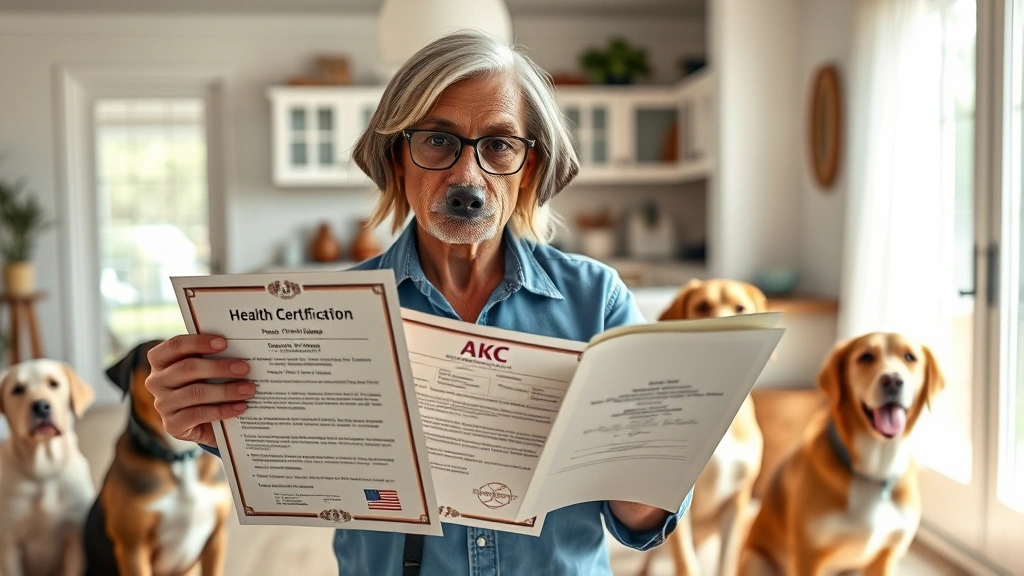
So you’ve decided to bring home a furry friend, and you’re thinking about getting a puppy from a breeder. Smart move—but here’s where things get tricky. A proper dog breeder ID is your golden ticket to avoiding puppy mills, scams, and heartbreak. Let’s dig into what you actually need to know before handing over your hard-earned cash.
Table of Contents
- What Exactly Is a Dog Breeder ID?
- Why Your Dog Breeder ID Check Matters
- Key Certifications That Prove Breeder Legitimacy
- Red Flags That Scream “Avoid This Breeder”
- How to Verify a Breeder’s Credentials Online
- Understanding Pedigree Papers and Registration Documents
- Breed-Specific Considerations and Popular Breeds
- The Difference Between Ethical Breeders and Puppy Mills
- Questions to Ask a Potential Breeder
- Cost Considerations and What Affects Pricing
- Rescue and Adoption: The Alternative Path
- Frequently Asked Questions
- Summary: Your Checklist for Finding an Ethical Breeder
What Exactly Is a Dog Breeder ID?
A dog breeder ID isn’t some magical government-issued card (though wouldn’t that be nice?). Instead, it’s a collection of credentials, certifications, and registrations that prove a breeder is legitimate and ethical. Think of it as a breeder’s resume—their way of saying, “Hey, I know what I’m doing, and I’ve got the paperwork to prove it.”
The most common form of dog breeder ID comes from breed-specific organizations like the American Kennel Club (AKC), which maintains a registry of purebred dogs and their breeders. But there’s way more to it than just one certification.
Why Your Dog Breeder ID Check Matters
Here’s the reality: puppy mills are a multi-billion dollar industry, and they’re getting sneakier. Without proper verification of a breeder’s credentials, you could end up with a sick puppy, genetic problems that cost thousands in vet bills, or worse—supporting an operation that treats dogs like commodities instead of living beings.
A legitimate breeder with proper identification will have:
- Health certifications for parent dogs
- Breed club memberships
- Years of experience and references
- Transparent breeding practices
- A genuine love for the breed (not just profit margins)
Key Certifications That Prove Breeder Legitimacy
When you’re investigating a breeder, look for these gold-standard credentials. The AKC registration is the heavyweight champion of breeder identification in the United States. It means the breeder has registered their dogs and follows breeding standards.
Beyond the AKC, there are breed-specific clubs. If you’re interested in a Carolina Dog breed, check if the breeder belongs to Carolina Dog breed clubs. Same goes for Colorado Mountain Dog enthusiasts—legitimate breeders will be members of recognized organizations.
Other important certifications include:
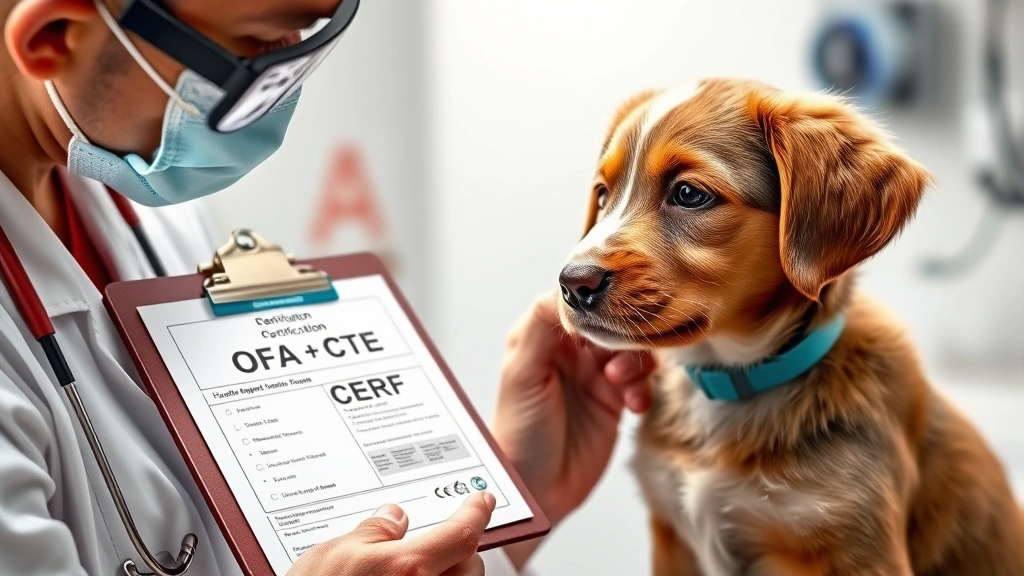
- OFA (Orthopedic Foundation for Animals): Certifies hip and elbow health
- CERF (Canine Eye Registration Foundation): Verifies eye health screening
- PennHIP: Another hip dysplasia screening program
- Breed club membership: Shows dedication to breed standards
Red Flags That Scream “Avoid This Breeder”
Let’s talk about what should make your spidey-senses tingle. If a breeder can’t produce documentation for their dog breeder ID or certifications, run. Seriously. Sprint.
Other major red flags include:
- Multiple litters available year-round (ethical breeders space litters out)
- Unwillingness to let you visit their facility
- No health guarantee or contract
- Pressure to buy immediately or pay non-refundable deposits
- No questions asked about your home or lifestyle
- Pricing that seems too good to be true (it usually is)
- No references or online presence
Seriously, if something feels off, trust your gut. There are plenty of ethical breeders out there who’ll be thrilled to answer every question you throw at them.
How to Verify a Breeder’s Credentials Online
The internet is your friend here. Start by visiting the AKC Marketplace to check if a breeder is registered. You can search by breed and location, and the AKC will show you their official status.
Next, Google the breeder’s name along with terms like “reviews,” “complaints,” or “scam.” Check breed-specific forums and Facebook groups—real dog enthusiasts will have opinions (and they’re usually honest ones).
Visit the breeder’s website and social media. Legitimate breeders invest in their online presence and regularly post about their dogs, health testing results, and upcoming litters. If their website looks like it was designed in 1997 and hasn’t been updated since, that’s a clue.
Ask for references and actually call them. A breeder who refuses to provide references is hiding something. When you talk to previous buyers, ask about the dog’s health, temperament, and whether the breeder stayed in touch.
Understanding Pedigree Papers and Registration Documents
When a breeder gives you papers, you’re getting proof of your dog’s lineage and registration status. AKC papers mean your pup is registered with the organization and has a traceable family tree. But here’s the thing—AKC registration doesn’t automatically mean the breeder is ethical. It just means the paperwork is in order.
A full dog breeder ID package should include:
- AKC registration papers for both parents
- Health clearance certificates (OFA, CERF, etc.)
- A written contract outlining health guarantees
- Vaccination and deworming records
- A pedigree chart showing at least three generations
Don’t settle for a breeder who only offers “limited registration,” which prevents you from breeding or registering offspring. That’s fine if you’re buying a pet, but it’s another sign the breeder is controlling the narrative.
Breed-Specific Considerations and Popular Breeds
Different breeds have different health concerns, and responsible breeders know this. If you’re interested in a Cavachon dog, you’ll want to see health testing for both Cavalier King Charles Spaniels and Bichon Frise lines, since it’s a hybrid.
For a Chug dog (Chihuahua-Pug mix), reputable breeders should test for patellar luxation, heart issues, and eye problems common in both parent breeds.
The bottom line: ask the breeder what health testing they perform and why. A good breeder can explain the genetic concerns of their breed and how they’re working to eliminate them.
The Difference Between Ethical Breeders and Puppy Mills
Here’s where it gets real. Ethical breeders view their dogs as family members. They limit litters, provide excellent care, and genuinely care about where their puppies go. They’re often not rolling in dough—they do this because they love the breed.
Puppy mills? They’re all about volume and profit. Dogs live in cramped, unsanitary conditions. They’re bred continuously without rest, health testing is non-existent, and the puppies often come with serious health and behavioral problems.
An ethical breeder with proper dog breeder ID will:
- Have fewer than 3-4 litters per year
- Raise puppies in their home, not kennels
- Provide ongoing support throughout the dog’s life
- Take back any dog if things don’t work out
- Have a waiting list rather than puppies constantly available
Questions to Ask a Potential Breeder
Don’t be shy—grill them. A legitimate breeder expects and welcomes tough questions. Here’s your starter list:
- “Can you show me the health testing results for both parents?”
- “Are you a member of any breed clubs or organizations?”
- “What’s your breeding philosophy and why do you breed?”
- “Can I visit your facility and meet the parents?”
- “What health guarantee do you provide?”
- “What happens if I can’t keep the dog?”
- “How long have you been breeding, and how many litters do you have per year?”
- “Can you provide references from previous buyers?”
If a breeder gets defensive or refuses to answer, that’s your cue to move on.
Cost Considerations and What Affects Pricing
Quality puppies from ethical breeders aren’t cheap—and that’s actually a good sign. When you see a “purebred” puppy for $200, alarm bells should be ringing louder than a fire truck.

Ethical breeders invest heavily in:
- Health testing (can cost $500-$2,000 per dog)
- Quality nutrition and veterinary care
- Proper socialization and training
- Genetic counseling and breed research
Expect to pay $800-$3,000+ for a purebred puppy from a reputable breeder, depending on the breed. Yes, it’s a significant investment, but you’re getting a healthier dog with a better temperament and a breeder who’ll support you for life.
Rescue and Adoption: The Alternative Path
Before you commit to a breeder, consider rescue organizations. Many purebred dogs end up in rescues, and you’ll be saving a life. Plus, rescue dogs often come with health checks and behavioral assessments already done.
If you do go the breeder route, make sure their dog breeder ID is legitimate and their practices are ethical. Either way, you’re making an informed decision, and that’s what matters.
Frequently Asked Questions
What is the most important certification for a dog breeder ID?
AKC registration is the gold standard in the United States, but it’s not the only thing that matters. Health certifications from OFA, CERF, and breed club memberships are equally important. Look for a combination of credentials, not just one.
Can I verify a breeder’s credentials online?
Absolutely! Start with the AKC Marketplace, check breed club websites, read reviews on forums and social media, and call references. Most legitimate breeders have an online presence and welcome verification.
What should I do if I suspect a breeder is running a puppy mill?
Report them to your state’s animal control, the PetMD resources, or the Better Business Bureau. You can also contact breed-specific rescue organizations who may have resources to help.
Is a dog breeder ID the same as AKC registration?
No. A dog breeder ID is a broader concept that includes AKC registration, health certifications, breed club memberships, and other credentials. AKC registration is just one piece of the puzzle.
How can I tell if a breeder’s health guarantee is legitimate?
It should be in writing and cover genetic health issues for a specific period (usually 1-2 years). A legitimate guarantee will outline what’s covered, what isn’t, and what happens if a problem arises. Verbal promises don’t count—get it in writing.
Summary: Your Checklist for Finding an Ethical Breeder
Finding a puppy from an ethical breeder with proper dog breeder ID takes time and research, but it’s worth every minute. Here’s your final checklist:
- ✓ Verify AKC registration and breed club membership
- ✓ Request and review health testing documentation
- ✓ Check online reviews and call references
- ✓ Visit the breeder’s facility in person
- ✓ Ask tough questions and expect detailed answers
- ✓ Review the health guarantee and contract
- ✓ Trust your instincts—if something feels off, it probably is
- ✓ Be prepared to wait for the right puppy
Remember, a responsible breeder isn’t just selling puppies—they’re placing family members. They’ll be invested in your dog’s happiness and health for life. That’s the kind of breeder worth waiting for.





