
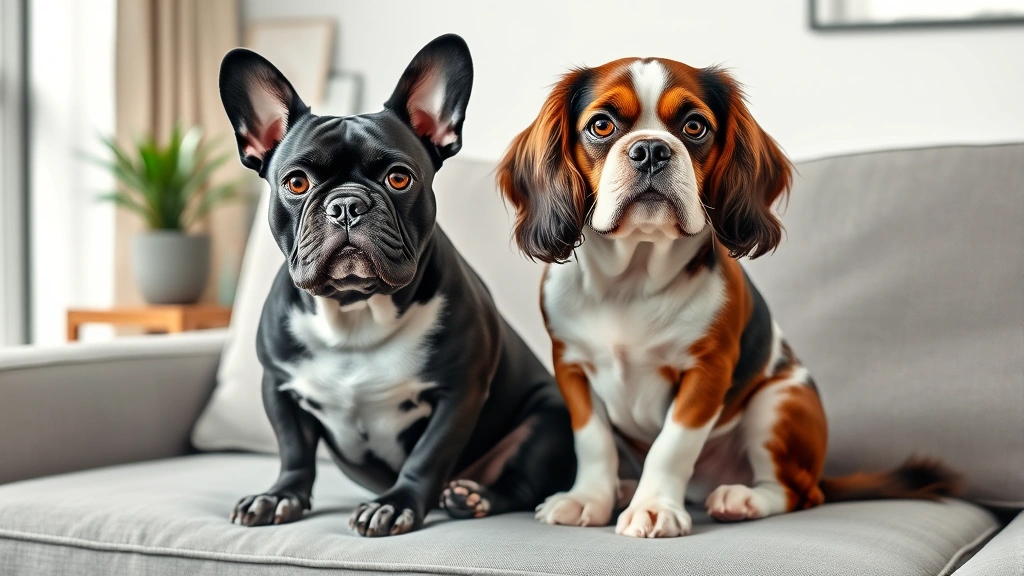
Finding the right dog breeds for apartments can be tricky when you’re living in a cozy urban space—but don’t worry, plenty of pups thrive in smaller homes. Whether you’re in a studio in Manhattan or a one-bedroom in Denver, there’s a furry friend out there who’ll be perfectly happy without a sprawling backyard. Let’s explore the best apartment-friendly dogs that won’t drive your neighbors crazy or make you feel guilty about limited square footage.
Table of Contents
- Why Size Isn’t Everything: The Real Deal About Apartment Dogs
- French Bulldogs: The Lazy Roommate You’ve Always Wanted
- Cavalier King Charles Spaniels: Gentle Giants in Small Packages
- Pugs: Small, Charming, and Hilariously Stubborn
- Boston Terriers: The Energetic Apartment Darling
- Shih Tzus: Lap Dogs with Attitude
- Dachshunds: Low-Key and Surprisingly Loyal
- Poodles: Intelligent and Surprisingly Chill
- Bulldogs: Couch Potatoes Extraordinaire
- Bichon Frises: Fluffy Clouds of Happiness
- Basset Hounds: Laid-Back Hound Dogs
- Important Considerations Before Bringing Home Your Apartment Dog
- Training and Socialization: The Secret Sauce
- Frequently Asked Questions
- Final Thoughts: Your Perfect Apartment Companion Awaits
Why Size Isn’t Everything: The Real Deal About Apartment Dogs
Here’s the thing: just because a dog is small doesn’t automatically make it apartment-friendly. Some tiny breeds are basically little earthquakes in dog form, while certain larger breeds are absolute couch potatoes. The real secret to finding the perfect apartment companion is considering temperament, exercise needs, and noise levels—not just looking at the scale.
When hunting for apartment dogs, focus on breeds with lower energy levels, minimal barking tendencies, and a chill attitude toward confined spaces. These pups are content with daily walks and indoor playtime rather than needing acres to roam.
French Bulldogs: The Lazy Roommate You’ve Always Wanted
French Bulldogs are basically the introverts of the dog world. These stocky little goofballs have minimal exercise requirements and would honestly prefer spending the day napping on your couch over anything else. They’re quiet, affectionate, and their snoring might be the loudest noise they make all day.
The downside? Frenchies can have serious health issues due to their flat faces, and they’re prone to overheating. But if you’re willing to invest in proper care and maybe some air conditioning, they’re fantastic apartment companions. Plus, their goofy personalities make them ridiculously entertaining.
Cavalier King Charles Spaniels: Gentle Giants in Small Packages
Don’t let the “King Charles” title fool you—these dogs are total sweethearts who’d rather cuddle than cause chaos. Cavaliers are medium-sized but have surprisingly low exercise needs for their size. They’re gentle, adaptable, and genuinely just want to be near their humans.
These spaniels are excellent for first-time dog owners and families living in apartments. They’re not excessive barkers, they’re naturally obedient, and they seem to understand that apartment living requires a certain level of chill. Just be aware they need regular grooming because that silky coat doesn’t maintain itself.
Pugs: Small, Charming, and Hilariously Stubborn
Pugs are like tiny, wrinkly comedians who happen to be dogs. They’re perfect for apartments because they need minimal exercise—a couple of short walks and they’re satisfied. They’re also incredibly social and love being the center of attention without being aggressive about it.
The trade-off? Pugs snore, snort, and wheeze like they’re auditioning for a one-dog orchestra. They can also be stubborn little goofballs when it comes to training. But if you can handle the noise and the occasional attitude, pugs are loyal, loving apartment buddies.
Boston Terriers: The Energetic Apartment Darling
Boston Terriers are small but mighty—they’ve got personality for days and don’t require excessive exercise. These little guys are playful, intelligent, and genuinely love their humans. They’re often called “The American Gentleman” because of their tuxedo-like markings and generally well-mannered behavior.
What makes them great for apartments is their ability to adapt to different living situations. They’re not excessive barkers, they’re sturdy enough to handle apartment living, and they’re always up for a game of fetch in your living room. Just remember they can be a bit stubborn, so consistent training helps.
Shih Tzus: Lap Dogs with Attitude
Shih Tzus are bred specifically to be companion dogs, and they take that job seriously. These little fluffballs are content in small spaces and don’t need tons of exercise. They’re affectionate without being needy, and they genuinely enjoy just hanging out with their humans.
The grooming commitment is real though—that gorgeous coat needs regular maintenance. But if you’re willing to keep up with brushing or invest in professional grooming, Shih Tzus are wonderful apartment dogs. They’re quiet, adaptable, and have that perfect blend of independent and affectionate.
Dachshunds: Low-Key and Surprisingly Loyal
Dachshunds might be small, but they’ve got big personalities. These wiener dogs are playful, intelligent, and surprisingly protective of their humans. They’re perfect for apartments because they don’t need extensive exercise—short walks and indoor play keep them happy.
One thing to watch: dachshunds can be prone to excessive barking if not trained properly. But with consistent training and socialization, they’re fantastic apartment pets. Plus, their quirky personalities and goofy antics provide endless entertainment.
Poodles: Intelligent and Surprisingly Chill
Whether you go for a Standard, Miniature, or Toy Poodle, these dogs are incredibly smart and adaptable to apartment living. Poodles are non-shedding (a major plus for apartment dwellers), trainable, and genuinely enjoy being around their humans without being clingy.
Standard Poodles might seem too big for apartments, but their calm demeanor and lower energy levels compared to other medium breeds make them work surprisingly well. Just budget for regular grooming—that curly coat is high-maintenance. Check out our pet nutrition advice to keep your poodle healthy and thriving.

Bulldogs: Couch Potatoes Extraordinaire
English Bulldogs are basically the definition of apartment-friendly. These wrinkly, stocky pups have minimal exercise requirements and spend most of their time lounging around. They’re gentle, affectionate, and honestly pretty lazy—which works perfectly for apartment living.
Like French Bulldogs, they can have health issues related to their flat faces, and they’re sensitive to heat. But if you can manage their health needs, Bulldogs are incredibly sweet, low-maintenance apartment companions. They’re also great with kids and other pets.
Bichon Frises: Fluffy Clouds of Happiness
Bichon Frises are small, cheerful dogs that don’t shed much and have moderate exercise needs. These fluffy little pups are social butterflies who love being around people, making them perfect for apartment dwellers who want an interactive companion.
They’re intelligent, trainable, and generally friendly with everyone they meet. The downside is their grooming needs—that fluffy coat requires regular maintenance. But if you’re okay with grooming, Bichons are fantastic apartment dogs with big personalities in tiny packages.
Basset Hounds: Laid-Back Hound Dogs
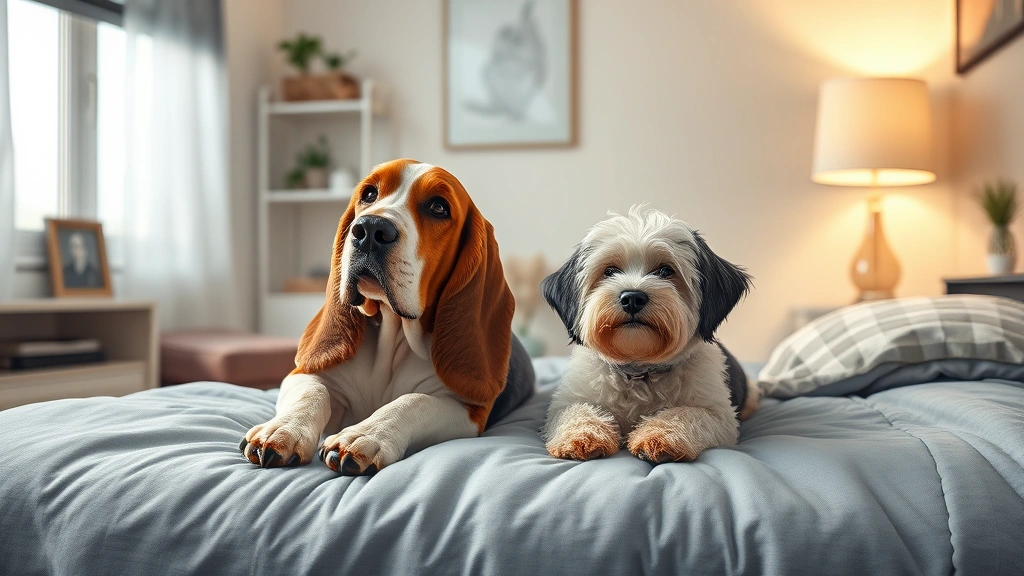
Basset Hounds are larger dogs that somehow work in apartments because they’re absolute couch potatoes. These droopy-eared sweethearts have minimal exercise requirements and are content just being near their humans. They’re gentle, patient, and surprisingly quiet for their size.
The catch? Bassets can be stubborn and have a strong prey drive, so training is important. They also shed like crazy and can have a distinctive hound smell. But if you’re prepared for those challenges, Basset Hounds are loving, low-energy apartment companions. For training tips, check out our guide on training treats from human food.
Important Considerations Before Bringing Home Your Apartment Dog
Choosing a breed is just the first step. Before committing to any dog, consider your apartment’s noise policies, your building’s pet restrictions, and your lifestyle. Some apartments have weight limits or breed restrictions, so check those first.
Also think about your schedule. Even low-energy dogs need daily walks, playtime, and mental stimulation. If you’re working 12-hour days, no dog breed is truly apartment-friendly for you. Consider hiring a dog walker or pet sitter if you can’t be home regularly.
Budget matters too. Veterinary care, food, grooming, and unexpected health issues add up. Make sure you can afford proper care before bringing a pup home. For guidance on proper nutrition, our pet nutrition advice can help you get started on the right foot.
Training and Socialization: The Secret Sauce
No matter which breed you choose, proper training and early socialization are crucial for apartment living. A well-trained dog is infinitely better at handling close quarters with neighbors than an untrained one, regardless of breed.
Start training from day one, focus on preventing excessive barking, and expose your pup to different sounds and situations early on. A dog that’s comfortable with apartment noises and respects boundaries makes everyone’s life easier.
Frequently Asked Questions
What’s the best dog breed for apartments with no yard?
French Bulldogs, Cavalier King Charles Spaniels, and Pugs are consistently top choices because they have low exercise requirements and minimal barking tendencies. However, the “best” breed depends on your lifestyle, schedule, and personal preferences.
Can large dogs live in apartments?
Absolutely! Basset Hounds and Standard Poodles prove that size isn’t everything. What matters more is energy level and temperament. A calm, well-trained large dog can be better in an apartment than a hyperactive small breed.
How much exercise do apartment dogs need?
Most apartment-friendly breeds need 30-60 minutes of daily exercise, split into multiple walks and play sessions. Low-energy breeds like Bulldogs and Basset Hounds need even less. The key is consistent daily activity, not marathon sessions.
Do apartment dogs need special training?
While all dogs benefit from training, apartment dogs specifically benefit from training focused on reducing barking, respecting boundaries, and staying calm during building noises. This makes them better neighbors and happier in confined spaces.
Are small apartment dogs better than large ones?
Not necessarily. Some small breeds are hyperactive and bark constantly, while some large breeds are calm couch potatoes. Focus on finding a breed with the right temperament and energy level for your lifestyle rather than just looking at size.
Final Thoughts: Your Perfect Apartment Companion Awaits
Finding the right dog breeds for apartments is absolutely doable when you know what to look for. Whether you’re drawn to the lazy charm of a French Bulldog, the gentle nature of a Cavalier, or the intelligent adaptability of a Poodle, there’s a perfect apartment dog out there for you.
The key is matching a breed’s natural temperament and exercise needs with your lifestyle and living situation. Do your research, meet different breeds, and don’t rush the decision. Once you find your perfect match, you’ll wonder how you ever lived without that furry little roommate.
Ready to pick a name for your new companion? Check out our cool dog names guide for inspiration. And remember, apartment living with a dog is totally achievable—it just takes the right pup and a little planning.





