
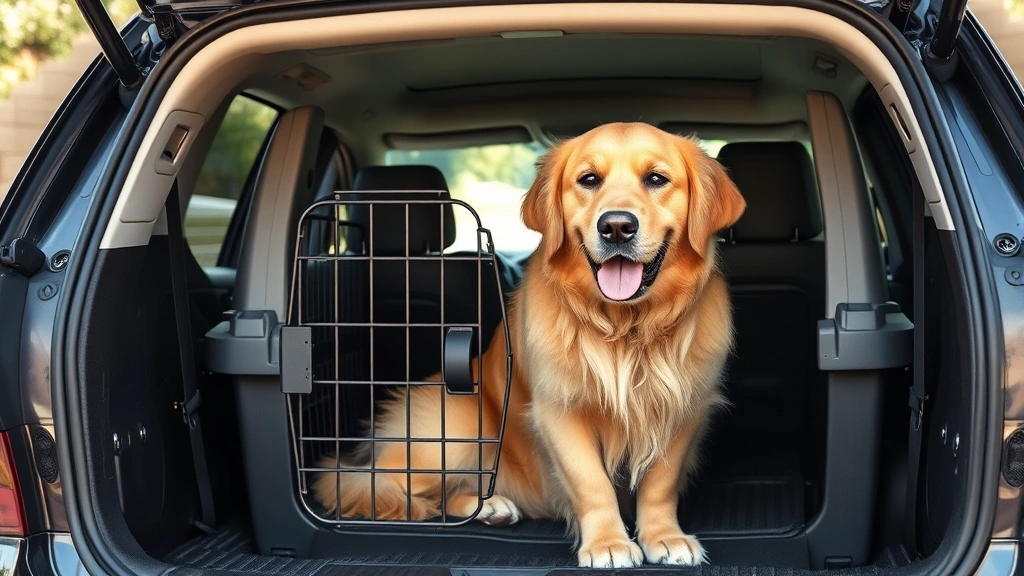
A dog cage in car isn’t just about keeping your furry friend contained—it’s about keeping them alive. Seriously. Every time you hit the brakes, your unrestrained pup becomes a 50-pound furry projectile. Not great for anyone involved. Whether you’re heading to the vet, the dog park, or a cross-country road trip, choosing the right dog cage for your vehicle is one of the smartest decisions you’ll make as a pet parent.
Table of Contents
- Why Your Dog Needs a Cage in the Car (It’s Not Mean, Promise)
- Hard-Sided Dog Crates: The Tank Option
- Soft-Sided Dog Crates: The Lightweight Champion
- Vehicle Barriers and Dividers: The Custom Fit Solution
- Travel-Specific Dog Carriers: For the Jet-Setting Pup
- Booster Seats and Elevated Options: For Lap Dogs
- Installation and Safety Features You Can’t Ignore
- Size Matters: Choosing the Right Dimensions
- Budget-Friendly vs. Premium Options: What’s Actually Worth It
- Acclimating Your Dog to Their Cage: The Slow Game
- Common Mistakes Dog Owners Make
- Frequently Asked Questions
- Final Verdict: Your Dog’s Safety is Worth It
Why Your Dog Needs a Cage in the Car (It’s Not Mean, Promise)
Let’s be real: your dog loves you, but they have zero understanding of physics. When you slam on the brakes at 40 mph, your dog doesn’t have the reflexes to brace themselves like you do. A proper dog cage in car setup prevents injuries, reduces distractions for you (the driver), and keeps your vehicle’s interior from becoming a chew toy demolition site. Plus, dogs actually feel safer in enclosed spaces—it’s their den instinct talking.
According to the American Kennel Club, unrestrained pets in vehicles are involved in more accidents than most people realize. A dog cage isn’t punishment; it’s protection.
Hard-Sided Dog Crates: The Tank Option
If you want maximum durability and protection, hard-sided crates are your answer. These plastic or metal beasts are built like they’re meant to survive a zombie apocalypse. They’re perfect for larger breeds and dogs who treat soft crates like chew toys (looking at you, destructive pups).
Hard-sided crates excel in crash situations—they provide structural support and compartmentalization. They’re also easier to clean when your dog has an unfortunate accident. The downside? They take up serious trunk space and can be heavy to move around. But if you’ve got the room and the budget, they’re the Fort Knox of dog cages.
Soft-Sided Dog Crates: The Lightweight Champion
Want something portable that won’t make your car feel like a mobile kennel? Soft-sided crates are your friend. These fabric-and-mesh wonders fold up smaller than hard crates and weigh significantly less. They’re perfect for smaller dogs and people who frequently move their crate between vehicles.
The trade-off is durability. If your dog is a determined escape artist or aggressive chewer, a soft crate might not survive the journey. However, for well-behaved dogs, soft-sided options offer excellent ventilation and visibility. Your pup can see out, which reduces anxiety during travel.
Vehicle Barriers and Dividers: The Custom Fit Solution
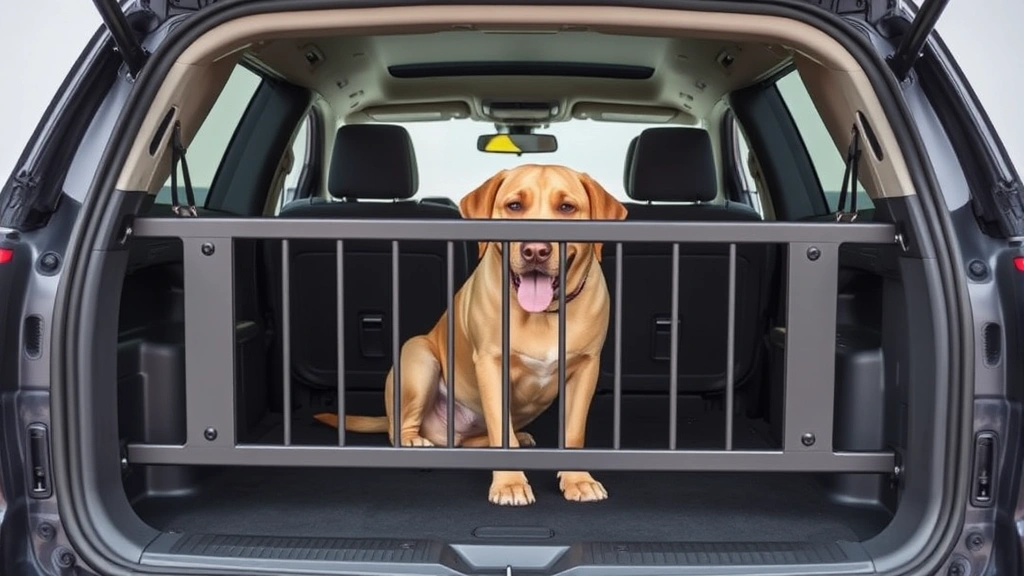
Not all dog owners want a traditional cage. Some prefer vehicle barriers that section off the cargo area. These metal or plastic dividers create a secure zone without the “crate” feeling. They’re fantastic if you have a hatchback or SUV and want your dog to have more room to move around.
Barriers work especially well for multiple dogs or larger breeds that need space. They’re also great if you’re using a car seat for dogs in the front and need to secure the cargo area. Installation varies by vehicle, so measure twice and order once.
Travel-Specific Dog Carriers: For the Jet-Setting Pup
Planning to fly with Fido? Travel carriers designed for both car and airplane use are game-changers. These are typically smaller, airline-approved crates that work in vehicles and fit under airplane seats. They’re perfect for multi-modal travel situations.
The downside is they’re usually only suitable for small to medium dogs. If you’ve got a Great Dane, you’ll need a different solution. But for chihuahuas and similar-sized breeds, these carriers are worth every penny.
Booster Seats and Elevated Options: For Lap Dogs
Some small dogs do better in booster seats—elevated carriers that strap to the backseat. These keep your tiny buddy secure while giving them a better view of the road (which many dogs love). They’re not ideal for long trips but work great for quick drives around town.
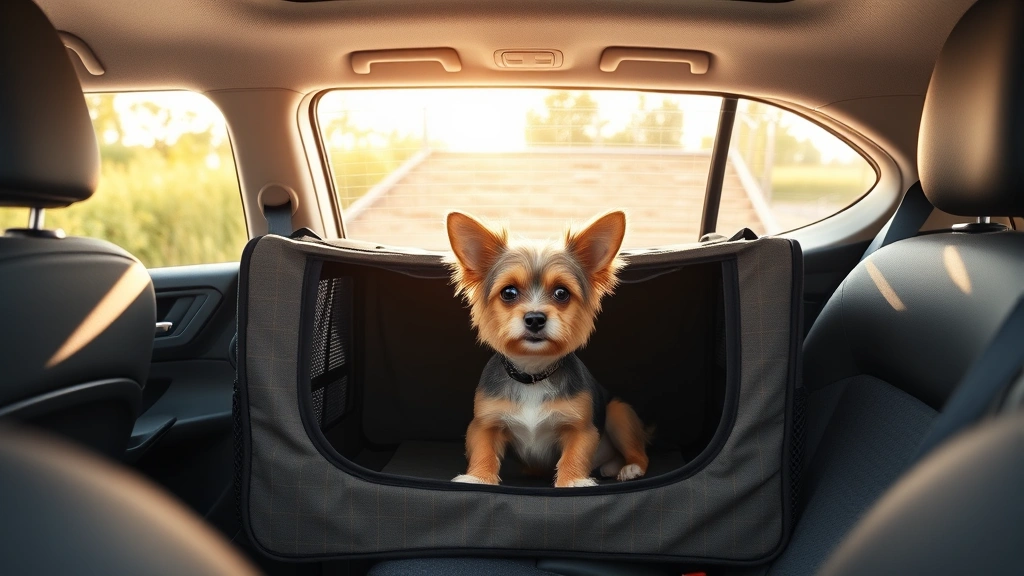
Pair a booster seat with a quality coach dog collar and harness system for maximum safety. The combination prevents your dog from sliding around or escaping.
Installation and Safety Features You Can’t Ignore
Here’s where most people mess up: they buy a great dog cage in car and then install it wrong. Your crate needs to be secured with seat belts or cargo anchors. It shouldn’t slide around, tip over, or become a projectile in a crash.
Check that your crate has proper ventilation—your dog needs airflow, especially on warm days. Look for crates with reflective materials if you drive at night. And please, for the love of all that’s holy, never leave your dog unattended in a parked car. Even with a crate, temperatures can become dangerous in minutes.
According to PetMD, heat-related illnesses in vehicles are preventable tragedies. Keep your car cool, keep trips short, and always bring water.
Size Matters: Choosing the Right Dimensions
Your dog should be able to stand, turn around, and lie down comfortably in their crate. Too small, and you’re causing stress and discomfort. Too large, and your dog slides around during turns and stops. Measure your dog from nose to tail base and from floor to top of head when standing, then add a few inches for comfort.
This is especially important for long drives. A cramped dog becomes an anxious dog, and an anxious dog becomes a destructive dog. Nobody wants that.
Budget-Friendly vs. Premium Options: What’s Actually Worth It
You don’t need to spend $500 on a dog cage, but you also shouldn’t cheap out completely. Mid-range options ($100-250) typically offer the best balance of durability, functionality, and price. Premium options add features like better padding, improved ventilation, or stylish designs.
Budget options can work fine if you’re only using the crate occasionally. But if you’re a frequent traveler with your pup, investing in quality pays dividends in durability and your dog’s comfort.
Acclimating Your Dog to Their Cage: The Slow Game
Throwing your dog in a new cage and hitting the highway is a recipe for panic and accidents. Spend time introducing your dog to their new dog cage in car at home first. Leave the door open, toss treats inside, let them explore. Make it positive.
Then practice short car rides with the crate. Start with five-minute trips around the block. Gradually increase duration. This prevents motion sickness and anxiety. Some dogs naturally take to crates; others need weeks of patience. Either way, the investment pays off.
If your dog shows signs of severe anxiety, talk to your vet. They might recommend calming supplements or safe human snacks for pets to bring on trips. Never use sedatives without veterinary guidance.
Common Mistakes Dog Owners Make
The biggest mistake? Not securing the crate properly. Your carefully chosen cage does nothing if it slides around like a hockey puck. Second mistake: not letting your dog acclimate. Third mistake: ignoring signs of distress or motion sickness.
Also, don’t use the crate as punishment. Your dog should see it as their safe space, not a timeout box. And never, ever leave your dog in a parked car—crate or not. Even in mild weather, cars heat up dangerously fast.
Frequently Asked Questions
Is it legal to have a dog cage in my car?
Yes, it’s legal in most places. In fact, many states are moving toward making pet restraint systems mandatory. Check your local laws, but generally, securing your dog is both legal and responsible.
Can I use a dog cage in the front seat?
It’s not recommended. The front seat is dangerous for dogs in the event of airbag deployment. Always place your dog cage in car in the backseat or cargo area. If you must use the front seat, disable the airbags if possible and use a booster seat instead of a full crate.
How do I clean a dog cage in the car?
Soft crates are easier to clean—just remove them and wash the fabric. Hard crates can be wiped down with pet-safe disinfectant. Line the bottom with washable pads or absorbent materials to catch accidents.
What if my dog gets carsick in their cage?
Carsickness is common initially. Try shorter trips, ensure good ventilation, and avoid feeding right before travel. If it persists, consult your vet. They might recommend motion sickness medication or suggest telehealth advice for pet poisoning if your dog ingests something harmful during travel.
Can two dogs share one cage in the car?
Only if both dogs are small and comfortable together. Generally, each dog should have their own space. Two dogs in one cage increases stress and reduces safety in a crash.
How long can a dog stay in a car cage?
For short trips (under 6 hours), a properly sized cage is fine. For longer journeys, stop every 2-3 hours to let your dog out, stretch, and use the bathroom. Bring water and never leave them unattended.
Final Verdict: Your Dog’s Safety is Worth It
Investing in the right dog cage in car is one of the smartest moves you’ll make as a pet owner. Whether you choose a hard-sided crate, soft-sided carrier, or vehicle barrier depends on your lifestyle, vehicle type, and dog’s needs. The key is choosing something secure, properly installed, and appropriately sized for your pup.
Your dog depends on you to keep them safe. A good car cage does exactly that—protecting your furry friend during every journey, from quick trips to the vet to epic road trip adventures. So do your research, measure carefully, and invest in quality. Your dog (and your insurance company) will thank you.





