
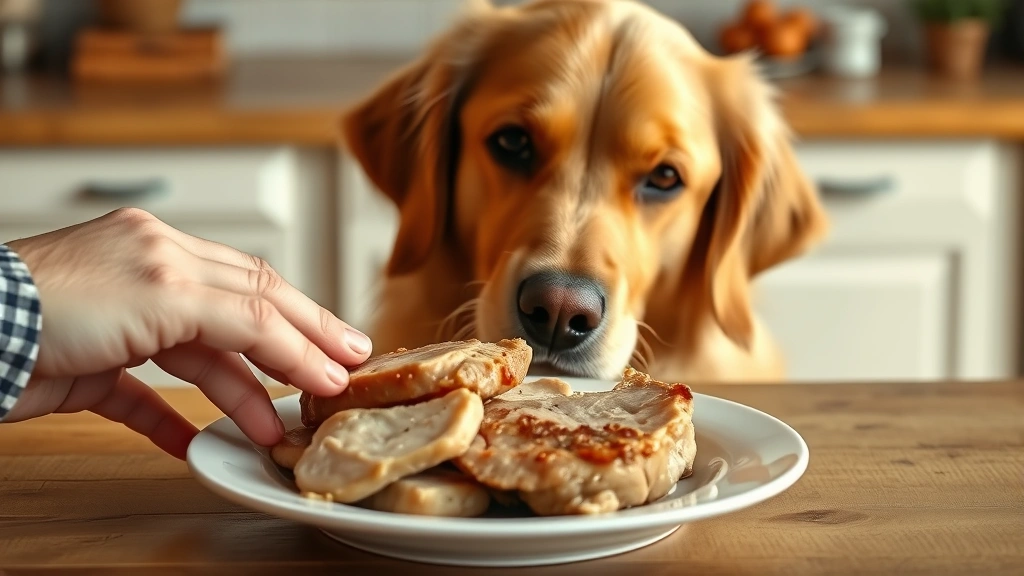
Yes, dog can eat pork, but there’s more to this question than a simple yes or no answer. While pork itself isn’t toxic to dogs, how you prepare it and serve it makes all the difference between a tasty treat and a trip to the emergency vet. Let’s dig into what every pet owner needs to know about feeding pork to their furry best friend.
Table of Contents
- Is Pork Safe for Dogs? The Short Answer
- Why Pork Can Be Problematic for Canine Diets
- Raw Pork: Why Your Dog Shouldn’t Eat It
- Properly Cooked Pork: The Safe Way to Serve It
- Dangerous Seasonings and Additives to Avoid
- Pork and Pancreatitis: What Pet Owners Must Know
- Pork Products Your Dog Should Never Eat
- Portion Control: How Much Pork Is Too Much?
- Pork Alternatives: Better Protein Options for Dogs
- Signs Your Dog Has Eaten Unsafe Pork
- Frequently Asked Questions
- Summary: The Final Verdict on Pork for Dogs
Is Pork Safe for Dogs? The Short Answer
Plain, cooked pork is generally safe for dogs in moderation. Your pup’s digestive system can handle pork just fine, unlike certain foods that are outright toxic. However, the devil is in the details. Raw pork carries parasites and bacteria that can make your dog seriously ill, and seasoned or processed pork can contain ingredients that are downright dangerous. Think of it this way: just because something won’t kill your dog doesn’t mean you should make it a dietary staple.
Why Pork Can Be Problematic for Canine Diets
Here’s where things get tricky. Pork is relatively high in fat compared to chicken or other lean meats, and excessive fat can trigger pancreatitis—a painful inflammation of the pancreas that requires veterinary treatment. Dogs with sensitive stomachs or those prone to digestive issues should avoid pork altogether. Additionally, pork often comes seasoned with garlic, onions, and excessive salt, all of which are problematic for dogs. The processed varieties like bacon, sausage, and ham are nutritional nightmares for your pup.
Raw Pork: Why Your Dog Shouldn’t Eat It
Never feed your dog raw pork under any circumstances. Raw pork can contain trichinella parasites and other harmful bacteria like salmonella and E. coli. These pathogens can cause severe gastrointestinal issues, fever, and muscle pain in dogs. If your dog accidentally eats raw pork, monitor them closely for vomiting, diarrhea, lethargy, and abdominal pain, and contact your vet if symptoms develop. The risk simply isn’t worth it when cooked pork is readily available.
Properly Cooked Pork: The Safe Way to Serve It
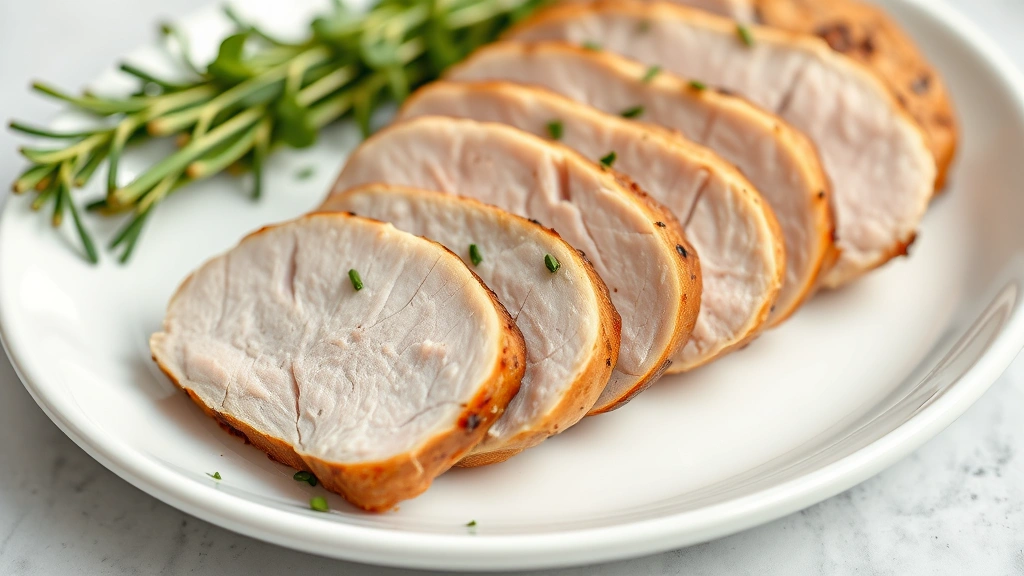
If you want to give your dog pork, cook it thoroughly until it reaches an internal temperature of 160°F (71°C). Boiling or baking plain pork without any seasonings is your best bet. Remove all bones—cooked bones splinter easily and can cause intestinal blockages or perforations. Cut the meat into appropriate-sized pieces based on your dog’s size. Plain, boneless, skinless pork shoulder or loin are the safest cuts. Avoid fatty cuts like ribs, which increase pancreatitis risk.
Dangerous Seasonings and Additives to Avoid
This is critical: never share seasoned pork with your dog. Common pork seasonings like garlic powder, onion powder, and excessive salt are toxic or harmful to dogs. Barbecue sauce often contains xylitol, an artificial sweetener that’s extremely toxic to canines—even small amounts can cause liver failure. Smoked pork products contain high sodium levels and carcinogenic compounds. If you’re preparing pork for your family dinner, set aside a plain portion for your dog before adding seasonings. It takes minimal effort and keeps your pup safe.
Pork and Pancreatitis: What Pet Owners Must Know
Pancreatitis is one of the most common reasons dogs end up at emergency clinics after eating fatty foods. The pancreas becomes inflamed, causing severe abdominal pain, vomiting, and potentially life-threatening complications. Some dogs are more susceptible than others—particularly overweight dogs, certain breeds like miniature schnauzers, and dogs with pre-existing pancreatic issues. If your dog has a history of pancreatitis, pork should be off the menu entirely. Stick to lean proteins like chicken breast instead.
Pork Products Your Dog Should Never Eat
Bacon, ham, sausage, pork chops, and any processed pork products are no-nos. These contain excessive salt, fat, and often harmful additives. Pork rinds are pure fat and offer zero nutritional value while posing serious health risks. Even “natural” or “organic” processed pork products aren’t safe—the processing itself is the problem. Your dog doesn’t need or want these foods, no matter how much they beg at the dinner table. Stay strong and redirect them to appropriate dog treats instead.
Portion Control: How Much Pork Is Too Much?
If you’re feeding plain, cooked pork as an occasional treat, follow the 10% rule: treats should make up no more than 10% of your dog’s daily caloric intake, with the remaining 90% coming from complete and balanced dog food. For most dogs, this means a small piece of plain pork once or twice a week at most. Larger dogs might handle a slightly bigger portion, but moderation is key. Consult your vet about appropriate portion sizes based on your dog’s age, weight, and health status. Check out our guide on human food portion sizes for pets for more detailed recommendations.
Pork Alternatives: Better Protein Options for Dogs
If you want to give your dog a protein treat, consider safer alternatives. Chicken is leaner and safer than pork. Eggs are nutritional powerhouses that most dogs tolerate well. Beef (lean cuts only) and turkey are excellent options. Fish provides omega-3 fatty acids that support coat and skin health. These alternatives offer nutritional benefits without the pancreatitis risk that pork presents. Your dog will be just as happy with these options, and you’ll sleep better knowing you’re making the safest choice.
Signs Your Dog Has Eaten Unsafe Pork
Watch for vomiting, diarrhea, abdominal pain (restlessness, whining, hunched posture), lethargy, loss of appetite, and fever. If your dog ate raw pork, symptoms might take a few days to appear. If you suspect your dog consumed seasoned pork, raw pork, or large amounts of fatty pork, contact your veterinarian or emergency vet for food poisoning immediately. Don’t wait to see if symptoms develop—early intervention can prevent serious complications. Keep your vet’s number handy and know where your nearest emergency clinic is located.
Frequently Asked Questions
Can dogs eat pork bones?
No. Cooked pork bones are dangerous because they splinter and can cause intestinal blockages, perforations, or choking. Raw pork bones are slightly safer in theory but still carry parasitic and bacterial risks. Always remove all bones before serving pork to your dog.
Is pork bad for dogs with allergies?
Pork is a common allergen for some dogs, though less common than beef or chicken. If your dog has food allergies or sensitivities, introduce pork cautiously and watch for itching, ear infections, or digestive upset. Consult your vet before adding pork to an allergic dog’s diet.
Can puppies eat pork?
Plain, cooked pork in very small amounts is okay for puppies, but their digestive systems are more sensitive than adult dogs. Start with tiny portions and monitor for digestive upset. Check our puppy safe human foods guide for age-appropriate recommendations.
What about pork liver or organ meats?
Plain cooked pork liver is generally safe in small amounts and provides nutritional benefits. However, pork organs can accumulate toxins, so moderation is important. Never feed raw pork organs due to parasitic contamination.
Is pork fat (lard) safe for dogs?
Absolutely not. Pork fat is extremely high in calories and saturated fat, making it a prime trigger for pancreatitis. Keep all cooking fats and rendered lard away from your dog completely.
Can dogs eat pork skin or crackling?
Pork skin and crackling are pure fat and should be avoided. They offer no nutritional value and pose serious health risks, particularly pancreatitis.
Summary: The Final Verdict on Pork for Dogs
So, can your dog eat pork? Yes, but with significant caveats. Plain, thoroughly cooked, boneless pork served in small portions occasionally can be a safe treat. However, raw pork is dangerous, seasoned pork is problematic, and fatty pork products like bacon and ham should never be fed to your dog. The safest approach is to stick with lean proteins and save pork for rare occasions when you can prepare it plain and unseasoned. Your dog’s health is worth the extra effort to choose safer alternatives. When in doubt, ask your veterinarian—they know your individual dog’s health status and can provide personalized recommendations. Remember, your pup doesn’t need variety in their diet like humans do; they’re perfectly happy eating quality dog food supplemented with safe treats.





