
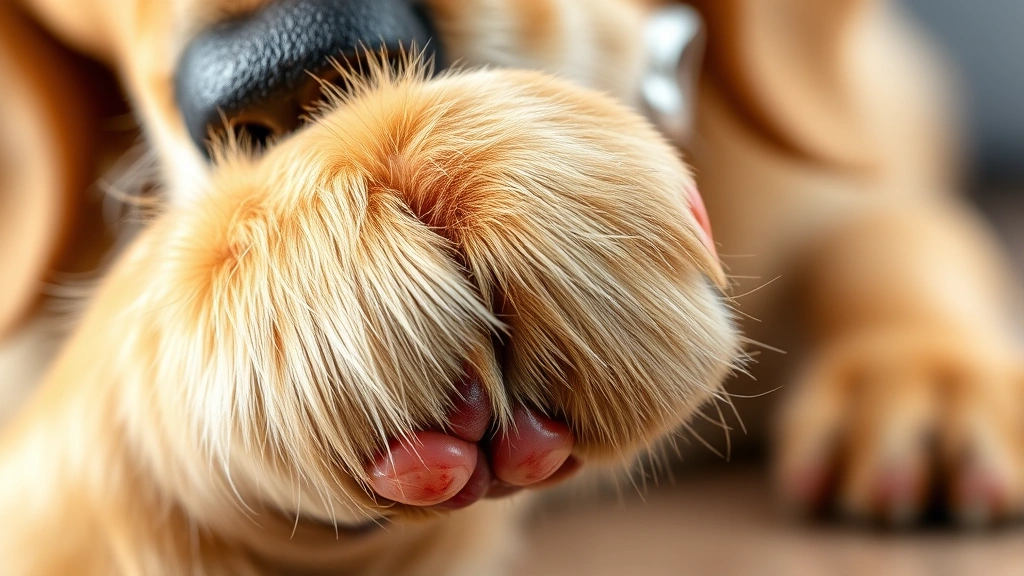
If your furry best friend is constantly gnawing at their feet like they’re trying to solve a puzzle, you’re dealing with dog chewing paws—and trust me, you’re not alone. This behavior drives pet parents absolutely bonkers, and honestly, it’s probably driving your pup crazy too. The constant licking and chewing isn’t just annoying; it’s often a red flag that something’s bothering your dog. Whether it’s allergies, anxiety, parasites, or just plain boredom, we’re about to dive deep into why dogs do this and exactly how to make it stop.
Table of Contents
- Why Do Dogs Chew Their Paws So Much?
- Solution #1: Identify and Eliminate Food Allergies
- Solution #2: Tackle Parasites Head-On
- Solution #3: Address Environmental Allergies and Seasonal Issues
- Solution #4: Rule Out Skin Infections and Yeast
- Solution #5: Manage Anxiety and Boredom
- When to Get Professional Help
- Prevention: Keeping Paws Healthy Long-Term
- The Bottom Line on Dog Chewing Paws
- Frequently Asked Questions
Why Do Dogs Chew Their Paws So Much?
Before you can fix the problem, you need to understand what’s actually going on. Dogs chew their paws for a variety of reasons, and it’s rarely just because they’re being difficult. The most common culprits include allergies (food-related or environmental), parasites like fleas or mites, skin infections, anxiety, and boredom. Sometimes it’s a combination of factors working together like a perfect storm of itchiness and frustration.
When a dog starts obsessively licking and chewing their paws, they’re essentially trying to tell you something hurts or bothers them. It’s their version of complaining, and we need to listen. The problem is, the more they chew, the more irritated the skin becomes, creating a vicious cycle that can lead to secondary infections if left unchecked.
Solution #1: Identify and Eliminate Food Allergies
Food allergies are one of the top reasons dogs end up with raw, irritated paws. Unlike humans who get sneezy and stuffy, dogs with food allergies in pets often develop itchy skin and start obsessively chewing. Common culprits include chicken, beef, wheat, corn, and soy.
The best approach? Work with your vet to do an elimination diet. This means removing potential allergens and slowly reintroducing them to pinpoint the exact trigger. It takes patience—usually 8-12 weeks—but it’s worth every minute when you finally figure out what’s causing the problem. In the meantime, check out our guide on pet dietary restrictions to understand what your dog should and shouldn’t be eating.
Pro tip: Keep a food diary. Note when the chewing gets worse and what your dog ate that day. Patterns often emerge faster than you’d expect.
Solution #2: Tackle Parasites Head-On
Fleas and mites are tiny terrorists that cause massive itching. Even if you don’t see fleas, they could still be the problem—especially mites, which are microscopic and absolutely maddening for dogs. One flea bite can trigger allergic reactions that last for weeks, so prevention is absolutely crucial.
Make sure your dog is on a year-round flea and tick prevention recommended by your vet. There are tons of options now—topical treatments, oral medications, collars, and even injections. Don’t cheap out on this one. The $15 over-the-counter stuff often doesn’t work as well as prescription-strength preventatives, and you’ll end up spending way more on vet bills anyway.
If you suspect mites, your vet will need to do a skin scraping to confirm. Once diagnosed, treatment is straightforward and usually clears things up quickly.
Solution #3: Address Environmental Allergies and Seasonal Issues
Just like humans, dogs can be allergic to pollen, dust, mold, and other environmental factors. If your dog’s paw chewing gets worse during certain seasons, environmental allergies are probably your culprit. Paws are particularly susceptible because they’re in constant contact with grass, dirt, and whatever else is on the ground.
Here’s what you can do: wash your dog’s paws regularly with lukewarm water after outdoor time to remove allergens. Consider using a pet-safe wipe or cloth. Your vet might also recommend antihistamines or other medications to manage symptoms during high-allergy seasons. Some dogs benefit from omega-3 supplements, which can help reduce inflammation and itching naturally.
Solution #4: Rule Out Skin Infections and Yeast
Constant moisture from licking creates the perfect breeding ground for yeast and bacterial infections. This is actually a secondary problem that develops because of the chewing, but it makes everything worse. If your dog’s paws smell funky, look discolored, or have a greasy appearance, infection is likely involved.
Your vet can take a sample and culture it to identify exactly what’s growing. Treatment usually involves medicated shampoos, topical treatments, or oral antibiotics depending on severity. This is why it’s important to call the vet about food and other health concerns early—catching infections before they spiral saves time and money.
Solution #5: Manage Anxiety and Boredom
Sometimes the issue isn’t physical at all—it’s psychological. Dogs with separation anxiety, general anxiety, or insufficient mental stimulation often resort to compulsive paw chewing as a self-soothing behavior. It’s like nervous fidgeting for humans, except your dog’s literally chewing holes in their own feet.
Combat this by increasing exercise and mental enrichment. Puzzle toys, training sessions, interactive games, and regular walks can work wonders. Some dogs benefit from calming supplements like L-theanine or CBD (check with your vet first). In severe cases, your vet might recommend anti-anxiety medication or referral to a veterinary behaviorist.
When to Get Professional Help
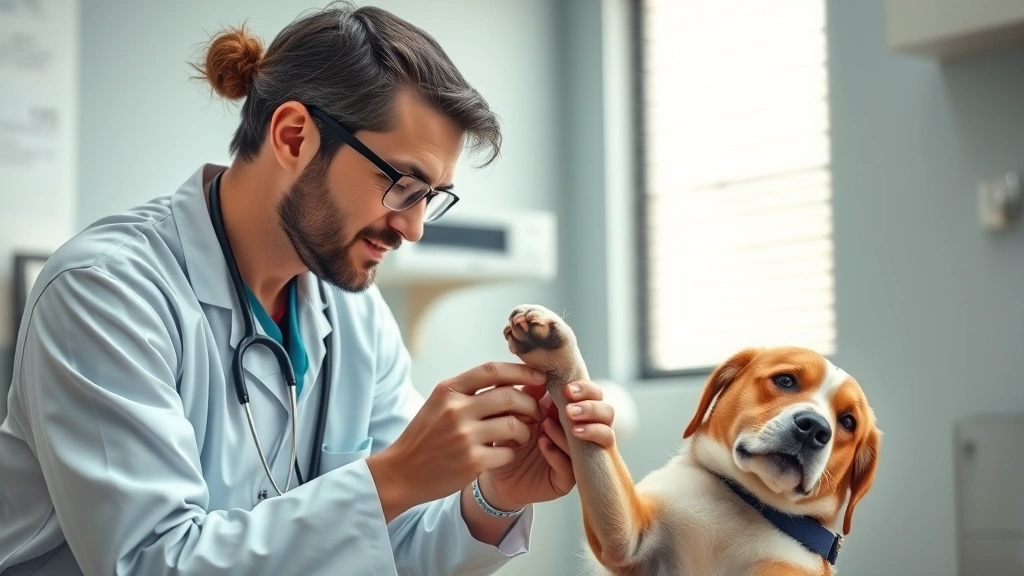
If the chewing continues for more than a week or two, or if you notice redness, swelling, discharge, or a foul smell, it’s time to call your vet. Don’t wait around hoping it’ll resolve itself. Skin issues can escalate quickly, and the sooner you get professional eyes on the problem, the faster you’ll find a solution. Your vet might recommend pet telehealth for an initial consultation if you want a quick assessment before coming in.
Prevention: Keeping Paws Healthy Long-Term
Once you’ve solved the immediate problem, focus on prevention. Keep up with flea and tick prevention year-round. Feed a high-quality diet (avoiding any identified allergens). Maintain regular grooming, including paw pad checks. Trim hair between toe pads to reduce moisture buildup. Keep your dog’s environment clean and minimize exposure to known allergens.
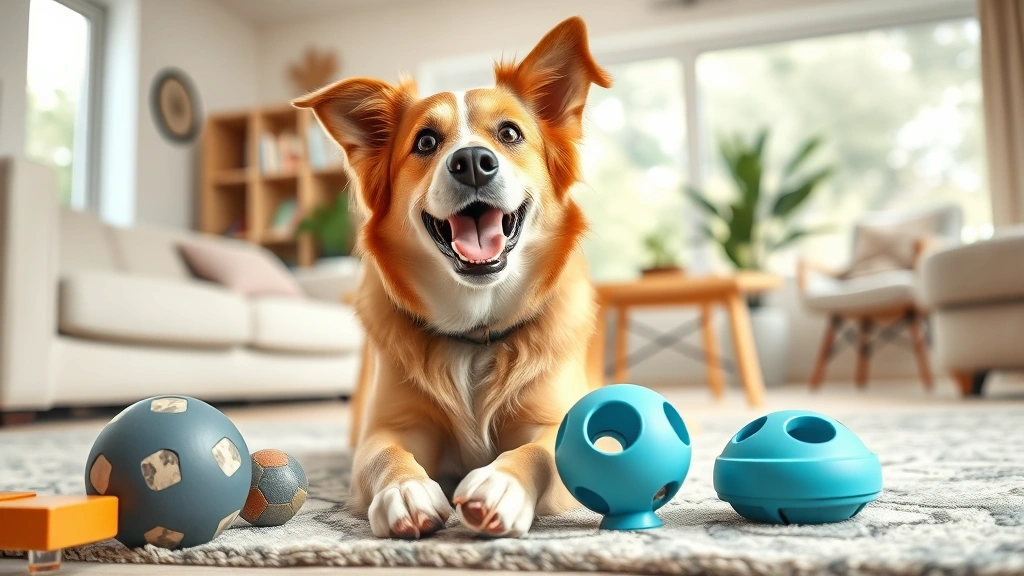
Regular vet checkups catch problems early before they become serious. And don’t underestimate the power of exercise and mental stimulation—a tired dog is a happy dog, and a happy dog is less likely to develop stress-related behaviors.
The Bottom Line on Dog Chewing Paws
Dog chewing paws is frustrating, but it’s absolutely fixable once you identify the underlying cause. Whether it’s allergies, parasites, infections, or anxiety, there’s a solution out there. The key is being systematic: work with your vet, eliminate possibilities one by one, and don’t give up. Your pup will thank you when those raw, irritated paws finally get relief.
Frequently Asked Questions
How long does it take to stop dog paw chewing?
It depends on the cause. Parasites might clear up in 2-4 weeks with proper treatment. Food allergies require 8-12 weeks of elimination diet to identify. Anxiety-related chewing might improve in 2-3 weeks with behavioral changes, but could take longer. Always follow your vet’s timeline for best results.
Can I use home remedies for paw chewing?
Some home remedies help with symptom relief—like oatmeal baths for itching or coconut oil for skin health—but they won’t fix the underlying problem. Use them as supplements to veterinary care, not replacements. Always consult your vet before trying anything new.
Is paw chewing a sign of a serious health condition?
It can be, but usually it’s not. Most cases are caused by manageable issues like allergies or parasites. However, chronic chewing can lead to serious infections if ignored, so don’t delay getting it checked out.
Should I use a cone to stop my dog from chewing?
A cone (Elizabethan collar) can prevent further damage while you address the root cause, but it’s not a long-term solution. It’s a temporary measure to give skin time to heal and prevent secondary infections. Use it alongside treating the actual problem.
Can stress cause dogs to chew their paws?
Absolutely. Stress and anxiety are legitimate triggers for compulsive paw chewing. If your dog’s chewing coincides with changes in routine, new pets, or other stressors, anxiety might be the culprit. Work with your vet or a behaviorist to address it.





