
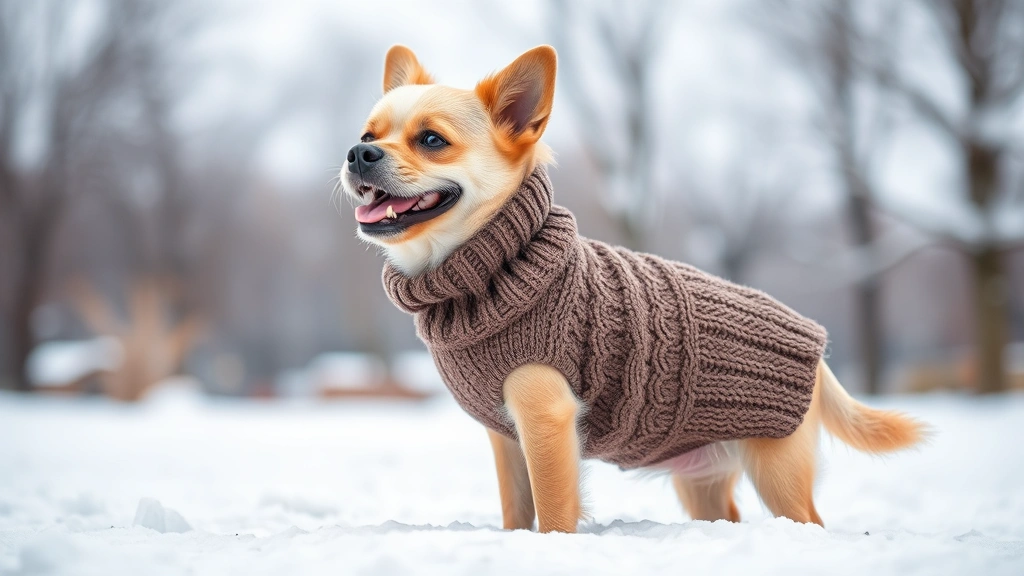
Let’s be honest: putting dog clothes on your pup isn’t just about looking cute (though that’s definitely a bonus). Whether you’ve got a Chihuahua shivering in winter, a senior dog with joint pain that needs extra warmth, or you’re just tired of muddy paws destroying your furniture, dog clothes serve real purposes. But with so many styles, materials, and sizing options out there, figuring out which dog clothes actually work for your dog can feel overwhelming.
I’ve fitted hundreds of dogs with everything from raincoats to sweaters in my years as a vet tech, and I’ve seen the good, the bad, and the downright uncomfortable. This guide breaks down what you actually need to know about dog clothes—from when your dog actually needs them to how to pick the right fit without your pup looking like a furry sausage.
When Dogs Actually Need Dog Clothes
Not every dog needs dog clothes. I know that sounds wild coming from someone about to write 2000+ words on the subject, but it’s true. A Golden Retriever with a thick double coat? Probably not. A senior Greyhound with thin skin and minimal body fat? Absolutely.
Here’s the real talk: dog clothes become necessary when:
- Temperature drops below 45°F – Small breeds, senior dogs, and thin-coated dogs start feeling cold. According to the American Kennel Club, breeds like Chihuahuas, Italian Greyhounds, and Whippets are particularly susceptible to cold.
- Your dog has a thin or short coat – Pit Bulls, Boxers, and similar breeds lack the insulation that fluffy dogs have built in.
- Your dog is senior or has health issues – Older dogs struggle to regulate body temperature. If your dog has arthritis or joint problems, warmth from dog clothes can actually help with comfort and mobility.
- Your dog is recovering from surgery – A fitted shirt or sweater can protect incisions and keep your pup from obsessing over stitches.
- Rain, mud, or salt on winter roads – A good raincoat or protective jacket keeps your dog clean and prevents irritation from road salt.
One thing I always tell dog owners: if you’re cold, your dog probably is too—but the reverse isn’t always true. A dog in a winter coat might overheat indoors, so don’t just assume dog clothes stay on all day.
Also, consider whether your dog is anxious about clothing. Some dogs genuinely hate the feeling of restriction. If that’s your pup, forcing dog clothes on them creates stress that outweighs any warmth benefit. We’ll talk about training later.
Types of Dog Clothes and What They’re For
The world of dog clothes is bigger than you’d think. Here’s what’s actually out there and when each style makes sense:
Sweaters and Pullovers
These are the bread and butter of dog clothes. They come in knit, fleece, or wool blends. Sweaters provide solid warmth for short outings and are easy to put on (usually). The downside? They don’t protect against wet weather, and they can bunch up around the armpits if the fit isn’t perfect. Look for sweaters with reinforced neck and armhole seams—cheap ones fall apart after a few washes.
Winter Coats and Parkas
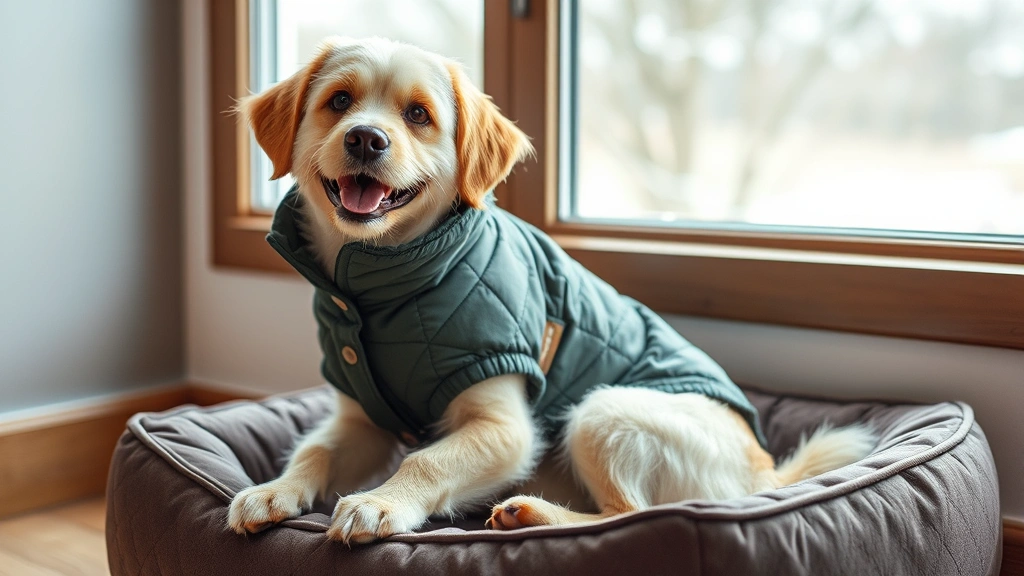
If you live somewhere with real winters, a proper dog clothes coat is worth the investment. These usually have insulation (down, fleece, or synthetic), water-resistant outer shells, and often include belly coverage. The trade-off? They’re bulkier, more expensive, and can be a pain to get on a wiggly dog. But they’re the MVP for dogs who spend time outside in cold weather.
Raincoats
A lightweight raincoat is genuinely practical dog clothes. It keeps your dog dry and protects their skin from irritation caused by salt, chemicals, or mud. Bonus: it means less cleanup when you get home. Waterproof materials like polyester or nylon work best. Avoid anything that traps heat—your dog doesn’t need to be a sweat lodge.
Protective Shirts and Bodysuits
These fitted dog clothes serve medical purposes: protecting post-surgery incisions, preventing licking, or covering skin conditions. They’re snug but shouldn’t restrict movement. If your vet recommends one, follow their sizing guide exactly.
Cooling Vests
Yes, dog clothes that cool exist. These use gel inserts or moisture-wicking fabrics to help dogs regulate temperature in heat. They’re helpful for dogs prone to overheating, but they’re not a substitute for shade, water, and common sense about exercise in hot weather.
Boots and Paw Protection
Technically not clothes, but worth mentioning: protective boots keep paws safe from ice, salt, and hot pavement. Many dogs hate them initially, but they’re worth the training effort if you live in harsh climates.
Sizing and Fit: Getting It Right
This is where most people mess up with dog clothes. A poorly fitting garment is worse than no garment at all—it restricts movement, causes chafing, and makes your dog miserable.
How to measure for dog clothes:
- Neck: Measure around the base of your dog’s neck where a collar sits. You should fit two fingers between the measuring tape and their neck.
- Chest: Measure around the widest part of the ribcage, just behind the front legs. This is the most important measurement for dog clothes fit.
- Back length: Measure from the base of the neck to the base of the tail. This determines how much coverage the garment provides.
- Weight: Always use current weight, not what your dog weighed six months ago.
Here’s a pro tip: measure your dog when they’re standing naturally, not stretched out or slouched. Take measurements twice to make sure you’re accurate.
Pro Tip: Most reputable dog clothes brands provide detailed sizing charts. If a chart seems vague or only lists weight ranges, that’s a red flag. Good sizing charts break down measurements by breed or provide multiple size options within weight ranges.
Watch out for these fit issues:
- Too tight: You shouldn’t see wrinkles or compression around the chest or armpits. Your dog should move normally, not like they’re in a straitjacket.
- Too loose: Excess fabric bunches up, causes rubbing, and defeats the purpose of insulation.
- Armholes too small: This is a common problem. If your dog can’t move their front legs freely, the garment is wrong.
- Back coverage too short: If the garment only covers the shoulders, your dog’s hindquarters stay cold.
When you first get dog clothes, do a test run at home. Have your dog walk around, sit, lie down, and play. Watch for signs of discomfort: excessive scratching, reluctance to move, or attempting to remove the garment. If something’s off, size up or try a different brand.
Materials That Keep Dogs Comfortable

Not all dog clothes materials are created equal. What feels nice to humans might irritate your dog’s skin.
Natural Fibers
Wool: Excellent insulation, naturally water-resistant, and regulates temperature well. The downside? It can feel scratchy, and some dogs are sensitive to it. Merino wool is softer than regular wool. If your dog has sensitive skin or allergies, test a small area first.
Cotton: Breathable and soft, but not great for insulation. Cotton dog clothes work well for lightweight layers or indoor wear, but they’re not ideal for cold weather.
Fleece: Soft, warm, and easy to clean. Fleece is probably the most popular material for casual dog clothes. The catch? It doesn’t dry quickly if it gets wet, and it can pill with washing.
Synthetic Materials
Polyester and nylon blends: Durable, water-resistant, and easy to care for. These are standard for raincoats and winter dog clothes. They don’t breathe as well as natural fibers, so they’re better for cool weather than warm weather.
Spandex/elastane blends: Used in fitted protective dog clothes for mobility and stretch. These materials conform to your dog’s body without restricting movement.
What to Avoid
- Rough, cheap knits that shed fibers
- Materials with loose buttons or decorations that dogs can chew off
- Non-breathable plastics that trap heat and moisture
- Anything with harsh dyes if your dog has sensitive skin
Check the tag for washing instructions before buying. Some dog clothes require hand washing or dry cleaning, which gets expensive and annoying. Look for machine-washable options when possible.
Seasonal Guide to Dog Clothes
Winter
This is prime dog clothes season. Invest in a good insulated coat for outdoor time. Layer with a sweater underneath if temperatures drop below 20°F. Don’t forget paw protection—ice, snow, and salt are rough on sensitive paw pads. A lightweight base layer under the coat helps with moisture management if your dog plays hard and gets sweaty.
One thing I always mention: dog clothes need to come off when your dog comes inside. Overheating indoors is a real risk. Also, check between paw pads and under the belly for ice balls and salt buildup.
Spring and Fall
Transitional seasons are tricky. Morning walks might need a light sweater, but afternoon walks don’t. Keep a lightweight layer handy for early morning or evening walks. This is also a good time to let your dog’s coat do its job during the day and only use dog clothes for early morning or evening.
Summer
Most dogs don’t need dog clothes in summer. The exception? Cooling vests for dogs prone to overheating, or lightweight protective shirts if your dog has sun sensitivity or skin conditions. Otherwise, let your dog’s coat breathe. If you’re dressing your dog in summer just for looks, make sure they’re not overheating.
Year-Round Considerations
Senior dogs and dogs with health issues might need dog clothes year-round. A thin indoor layer can help with joint comfort and temperature regulation. Ask your vet if dog clothes would help with your dog’s specific situation.
Training Your Dog to Wear Clothes
Some dogs take to dog clothes immediately. Others act like you’ve wrapped them in a straightjacket. Training helps, but it takes patience.
Start Slow
Don’t just throw a coat on your dog and send them outside. Start indoors with short sessions. Let your dog sniff and investigate the garment before putting it on. Make it positive—treats, praise, the whole deal.
Gradual Introduction
- Day 1-2: Let your dog wear the dog clothes for 5-10 minutes indoors while you give treats and attention.
- Day 3-4: Increase to 15-20 minutes. Encourage movement and play.
- Day 5-6: Put the dog clothes on for a short walk around the block.
- Day 7+: Gradually increase outdoor time and distance.
If your dog resists hard—excessive scratching, refusal to move, signs of anxiety—you might need to go slower or reconsider whether dog clothes are right for them. Some dogs genuinely can’t adjust.
Make It Rewarding
Associate dog clothes with good things. Put them on right before a walk, playtime, or a car ride to somewhere fun. Don’t put them on and then immediately do something your dog dislikes (like a bath).
Safety Warning: Never leave dog clothes on unsupervised if your dog is still learning. Some dogs will chew or tear the garment, creating a choking hazard. Also, if your dog gets tangled in a leash or fence while wearing loose-fitting clothes, it could be dangerous.
Here’s something I’ve learned: dogs with anxiety or sensory sensitivities might never be comfortable in dog clothes. That’s okay. There are other ways to keep them warm—limiting outdoor time, using heated beds indoors, or working with your vet on other solutions.
Maintenance and Care
Proper care extends the life of dog clothes and keeps them hygienic.
Washing
- Check the tag first. Most dog clothes are machine washable on a gentle cycle, but some require hand washing.
- Use mild detergent. Harsh soaps can irritate your dog’s skin. Fragrance-free is best.
- Wash in cold water. Hot water can damage elastic and synthetic materials.
- Air dry when possible. Machine drying can damage materials and shrink dog clothes.
- Wash regularly. Dog clothes accumulate dirt, dander, and bacteria. Wash after every few wears, or more often if your dog gets muddy.
Storage
Store dog clothes in a clean, dry place away from direct sunlight. Cedar blocks or lavender sachets help prevent mildew and odors. Don’t store damp garments—they’ll develop mold.
Inspection
Before putting dog clothes on your dog, check for:
- Loose seams or threads
- Broken zippers or buttons
- Holes or tears
- Damage to elastic
Small repairs are worth doing. A loose seam is a 5-minute fix that prevents your expensive coat from falling apart.
When to Replace
Even well-maintained dog clothes eventually wear out. Replace them when:
- Seams are separating and can’t be easily repaired
- Insulation is clumping or deteriorating
- Elastic is permanently stretched out
- The fit is no longer correct (your dog grew or lost weight)
Frequently Asked Questions
Do small dogs need dog clothes more than large dogs?
– Yes, generally. Small breeds like Chihuahuas, Italian Greyhounds, and Toy Poodles have less body mass and thinner coats, so they lose heat faster. Large breeds with thick coats (like German Shepherds or Huskies) are built for cold and rarely need clothes. That said, individual dogs vary. Some large dogs are cold-sensitive, and some small dogs handle cold well. Watch your individual dog’s behavior, not just breed generalizations.
Can dog clothes cause skin problems?
– Yes, if they’re dirty, poorly fitted, or made from irritating materials. Tight dog clothes can cause chafing and hot spots. Dirty garments trap bacteria and can lead to skin infections. If your dog develops redness, itching, or hair loss where dog clothes rub, stop using them and talk to your vet. Also, if your dog has allergies or sensitive skin, test new materials on a small area first or consult your vet before introducing dog clothes.
How do I know if my dog is overheating in dog clothes?
– Signs include excessive panting, drooling, lethargy, or refusal to move. If your dog seems hot, remove the dog clothes immediately and offer water. Overheating is serious—it can lead to heat exhaustion or heat stroke. Don’t leave dog clothes on indoors or during warm weather. Also, understand that dogs don’t sweat the way humans do, so they can’t cool off as efficiently when restricted by clothing.
Are expensive dog clothes better than budget options?
– Not always, but price often correlates with durability and fit quality. Expensive brands usually have better sizing charts, higher-quality materials, and construction that lasts longer. Budget dog clothes might fall apart after a few washes or fit poorly. That said, mid-range brands offer decent quality without premium pricing. Read reviews from other dog owners, check sizing carefully, and don’t assume expensive = perfect fit.
Can I use human baby clothes for my dog?
– Technically possible, but not ideal. Human baby clothes aren’t designed for dog anatomy—they don’t account for a dog’s different leg placement, tail, or movement patterns. They also often have buttons or snaps that pose choking hazards. If you’re in a pinch, a human baby shirt might work temporarily, but invest in actual dog clothes for regular use. Also, if you’re shopping for dog supplies at big-box stores, they usually have better sizing and fit than repurposed human clothing.
How often should I wash dog clothes?
– It depends on use and how dirty your dog gets. If your dog wears dog clothes for short outdoor trips, wash every 2-3 weeks. If they’re worn daily or your dog gets muddy frequently, wash weekly. If your dog wears protective dog clothes post-surgery, follow your vet’s washing guidelines—some need to stay clean constantly. Always wash before storing for long periods.
Do dog clothes help with anxiety?
– Some dogs find gentle pressure from fitted dog clothes calming, similar to a weighted blanket for humans. However, this varies greatly by individual. Some anxious dogs find clothes restrictive and more stressful. If you’re considering dog clothes for anxiety, talk to your vet or a certified animal behaviorist first. They might recommend a proper anxiety wrap instead of regular dog clothes.
What about dog clothes for senior dogs?
– Senior dogs often benefit from dog clothes. They struggle to regulate body temperature, and warmth can help with joint pain and arthritis. A lightweight sweater for indoor wear and a insulated coat for outdoor time is a good combo. Also, if your senior dog has other health issues, talk to your vet about whether dog clothes would help. Some senior dogs also appreciate the security and comfort of wearing familiar clothing.
Can dog clothes prevent allergies or skin conditions?
– Not directly, but they can help manage symptoms. If your dog has environmental allergies or skin conditions like skin tags or dermatitis, protective clothing can reduce exposure to irritants. A lightweight layer can also prevent your dog from scratching or licking affected areas. However, dog clothes aren’t a treatment—they’re a management tool. Work with your vet on the actual condition.
What scents should I avoid in dog clothes?
– Many dogs are sensitive to strong fragrances. Perfumed detergents, fabric softeners, and heavily scented materials can irritate skin or cause respiratory issues. Some scents dogs dislike can actually stress them out. Stick with unscented or lightly scented laundry products, and avoid fabric softeners altogether. If your dog seems bothered by the smell of new dog clothes, wash them before use.
Do dog clothes need to be fitted by a professional?
– Not usually. Most owners can measure and fit dog clothes correctly using brand sizing charts. However, if your dog has an unusual body shape, is overweight, or has medical issues, a professional fitting (available at some pet boutiques or through your vet) can help. It’s worth the extra step if standard sizing never works for your dog.





