
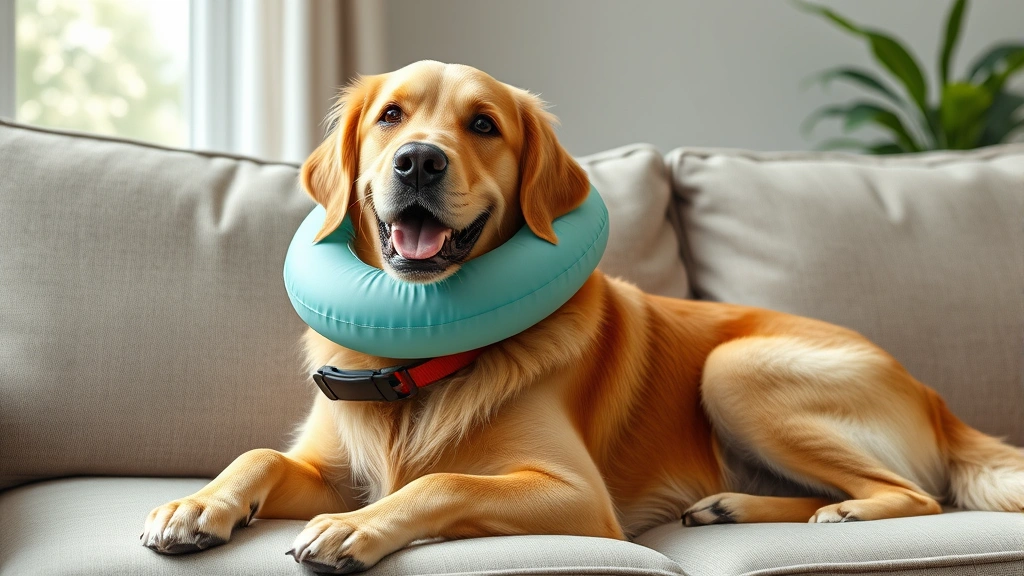
Let’s be real—your dog hates the cone. You hate the cone. Everyone hates the cone. But here’s the good news: a dog cone alternative exists, and your furry friend is going to be way happier about post-surgery recovery or wound care without looking like they’re about to take flight to the moon. Whether your pup just had surgery, is dealing with a skin condition, or keeps licking at an injury like it’s their favorite chew toy, we’ve got solutions that actually work.
Table of Contents
- Why Your Dog Needs Protection (But Not That Ridiculous Cone)
- Inflatable Collars: Comfort Meets Protection
- Soft Recovery Suits: The Fashion-Forward Fix
- Bite-Resistant Bandages and Wraps
- E-Collar Alternatives: Modern Tech Solutions
- Protective Hoods and Head Wraps
- Onesies and Bodysuit Options
- Lick Prevention Sprays and Topical Deterrents
- Surgical Recovery Blankets and Wraps
- Behavioral Training and Distraction Techniques
- Choosing the Right Dog Cone Alternative for Your Pup
- Making Recovery Easier for Everyone
- Frequently Asked Questions
- Summary
Why Your Dog Needs Protection (But Not That Ridiculous Cone)
Before we dive into the alternatives, let’s talk about why dogs need protection in the first place. After surgery or when dealing with wounds, infections, or skin issues, dogs have this irresistible urge to lick, bite, and scratch at the affected area. It’s their version of picking at a scab—totally natural but absolutely destructive. The traditional Elizabethan collar (that plastic cone nightmare) works by physically preventing your dog from reaching the problem area, but it also makes them miserable, bumps into everything, and honestly, makes them look ridiculous.
The good news? Modern pet care has evolved beyond the cone. There are now numerous protective collar alternatives and recovery solutions that let your dog maintain their dignity while keeping them safe.
Inflatable Collars: Comfort Meets Protection
Imagine a donut-shaped pillow around your dog’s neck instead of a hard plastic cone. That’s essentially what an inflatable collar does, and dogs tolerate them way better. These soft, cushioned collars work similarly to the cone by preventing your pup from reaching their surgical site, but they’re comfortable enough that your dog won’t feel like they’re being punished.
Brands like Kong Cloud Collar and Comfy Cone are game-changers. They’re adjustable, machine washable, and your dog can actually sleep in them without looking like they’re wearing medieval torture equipment. Plus, they’re less likely to cause anxiety and stress-related behaviors.
Soft Recovery Suits: The Fashion-Forward Fix
Why settle for a cone when your dog could rock a cute recovery suit instead? These full-body or partial-body garments cover the surgical site or injured area, making it physically impossible for your dog to access it with their mouth. They’re particularly great for dogs with injuries on their legs, abdomen, or back.
Recovery suits come in various styles—some look like little pajamas, others like compression wear. Your dog gets to stay cozy, you get to feel like you’re giving them a little outfit, and everyone wins. Check out brands like soft treat recipes for senior pets resources if your dog needs special nutrition during recovery.
Bite-Resistant Bandages and Wraps
For minor wounds or small surgical sites, sometimes you don’t need to go full protection mode. Specialized bite-resistant bandages and wraps use textured, unappealing surfaces that discourage licking without restricting your dog’s movement or vision. They’re often infused with bitter flavors that dogs absolutely despise (in a good way).
These work best for paw injuries, minor cuts, or small surgical sites. They’re easy to apply, affordable, and your dog can still move around naturally. Just check them regularly to ensure they’re staying in place and not causing irritation.
E-Collar Alternatives: Modern Tech Solutions
If you want to skip the physical barriers entirely, some vets recommend electronic deterrent collars or vibration-based devices that alert your dog when they’re about to lick or bite at their wound. These high-tech solutions use gentle vibrations or sounds to redirect behavior without any physical restriction.
However, these require consistent training and aren’t ideal for all dogs. Some pups respond great to them; others ignore them completely. Talk to your vet about whether this option makes sense for your dog’s specific situation.
Protective Hoods and Head Wraps
Think of these as the sophisticated cousin of the cone. Protective hoods and head wraps provide coverage without the bulky plastic. Some are made from soft fabric and fit snugly around your dog’s head, preventing them from reaching wounds on their face, ears, or head area.
They’re particularly useful for dogs with ear infections, eye injuries, or facial surgeries. The fabric versions are way more comfortable than plastic, and many dogs adjust to them much faster. Your dog won’t look like they’re about to perform surgery—they’ll just look like they’re wearing a little hat.

Onesies and Bodysuit Options
Yes, dog onesies are a real thing, and they’re actually functional beyond just looking adorable. These full-body garments cover everything from neck to tail, making it impossible for your dog to reach any part of their body. They’re especially great for dogs recovering from abdominal surgery or dealing with full-body skin conditions.
The best part? Your dog can move freely, play (gently), and interact with the family without feeling like they’re in prison. Many onesies are made from breathable, stretchy fabric that won’t overheat your pup. Check out our cooling dog bed guide to help keep your recovering pup comfortable during warm months.
Lick Prevention Sprays and Topical Deterrents
Sometimes the simplest solution is the best one. Bitter-tasting sprays and topical deterrents make the wound area so unpleasant that your dog naturally avoids licking it. Products like Bitter Apple spray or veterinary-prescribed deterrents work by making the area taste absolutely horrible.
These work best in combination with other methods and for dogs that aren’t obsessively focused on their wound. They’re also great for maintaining between other protective measures. Always check with your vet before applying anything topical to ensure it won’t interfere with healing.
Surgical Recovery Blankets and Wraps
For dogs recovering from surgery, specialized recovery blankets and wraps provide gentle compression and protection while keeping your pup warm and comfortable. These aren’t just about preventing licking—they also support healing by maintaining proper temperature and reducing stress.
Many veterinary clinics recommend these during the critical first 24-48 hours after surgery. They’re easy to put on and take off, and your dog can rest comfortably without feeling restricted. Pair this with our pet treat recipes to keep your recovering dog’s spirits up with soft, nutritious snacks.
Behavioral Training and Distraction Techniques
Here’s something most people overlook: sometimes the best wound protection alternative is good old-fashioned distraction and behavior management. Keeping your dog mentally stimulated with puzzle toys, safe chew toys, and interactive games can significantly reduce their urge to lick at wounds.
Work with your vet or a certified animal behaviorist to develop a recovery plan that includes appropriate activities. Some dogs do better with increased exercise (if approved by your vet), while others benefit from calming supplements or anxiety-reducing techniques. The goal is to keep their mind off the wound so they’re not constantly thinking about licking it.
Choosing the Right Dog Cone Alternative for Your Pup
So which option is best for your dog? It depends on several factors: the location and type of wound, your dog’s personality, their size, and how long they need protection. A dog recovering from abdominal surgery might do best in a recovery suit, while a pup with an ear infection might prefer a protective hood.
Here’s what the American Kennel Club recommends: always consult with your veterinarian before choosing an alternative. They know your dog’s specific situation and can recommend the best option. Some dogs might need a combination approach—maybe a recovery suit during the day and an inflatable collar at night.
Your vet can also monitor your dog’s progress and adjust the protection method if needed. What works great on day one might need tweaking by day five as your dog adjusts.
Making Recovery Easier for Everyone
The key to successful post-surgery or wound care recovery is choosing a method that your dog will actually tolerate. A cone alternative that your dog accepts is infinitely better than a traditional cone that causes stress, anxiety, and behavioral issues.

Keep these tips in mind: introduce the alternative gradually, use positive reinforcement, keep your dog comfortable with appropriate bedding and temperature control, and maintain regular vet check-ups. If your dog seems distressed or the wound isn’t healing properly, contact your vet immediately.
Remember, recovery is temporary. Whether you choose an inflatable collar, a recovery suit, or a combination of methods, you’re giving your dog the best chance to heal while maintaining their quality of life. That’s what good pet care is all about.
Frequently Asked Questions
How long does my dog need to wear a cone alternative?
Recovery time varies depending on the type of surgery or injury. Most vets recommend protection for 7-14 days after surgery, but some conditions require longer. Always follow your veterinarian’s specific instructions for your dog’s situation.
Can I use a cone alternative for minor wounds at home?
Yes, absolutely. Minor cuts, scrapes, and skin irritations can often be managed with bite-resistant bandages, topical deterrents, or behavioral management. However, if the wound shows signs of infection or isn’t improving, see your vet.
Will my dog overheat in a recovery suit?
Quality recovery suits are made from breathable materials designed to prevent overheating. However, you should still monitor your dog’s temperature, provide adequate water, and avoid strenuous activity. Remove the suit if your dog seems overheated.
Are inflatable collars better than plastic cones?
Most dogs tolerate inflatable collars much better than plastic cones. They’re more comfortable, less anxiety-inducing, and allow better mobility. However, some dogs can still slip them off or find ways around them, so supervision is important.
Can I make a DIY cone alternative at home?
While some DIY options exist, it’s best to use professionally made alternatives. Homemade solutions might not provide adequate protection and could cause injury. Consult your vet before trying any DIY approaches.
What’s the best way to introduce a cone alternative to my dog?
Start slowly with positive reinforcement. Let your dog wear it for short periods while giving treats and praise. Gradually increase the duration. Never force it on them aggressively, as this creates negative associations.
For more information on post-recovery nutrition, check out our guide on constipation in dogs, which can be a concern during the recovery period when activity is restricted.
Summary
The days of forcing your dog into an uncomfortable plastic cone are over. With so many dog cone alternatives available—from inflatable collars and recovery suits to protective hoods and behavioral management techniques—you can choose an option that keeps your pup safe while maintaining their comfort and dignity.
The best choice depends on your dog’s specific needs, the type of injury or surgery, and your dog’s personality. Work closely with your veterinarian to select the right alternative, introduce it gradually with positive reinforcement, and monitor your dog’s progress throughout recovery.
Your dog will thank you for ditching the cone, and you’ll feel better knowing they’re protected without suffering through unnecessary stress. Recovery doesn’t have to be miserable for either of you.





